Ultimate Seoul Hanbok Rental Guide
This post contains affiliate links, which help support my blog at no extra cost to you!
One of the most interesting things to do in Seoul is rent a hanbok. If you are planning your first trip and want one of those experiences that feels both unique and meaningful, a Seoul hanbok rental is such an easy yes.
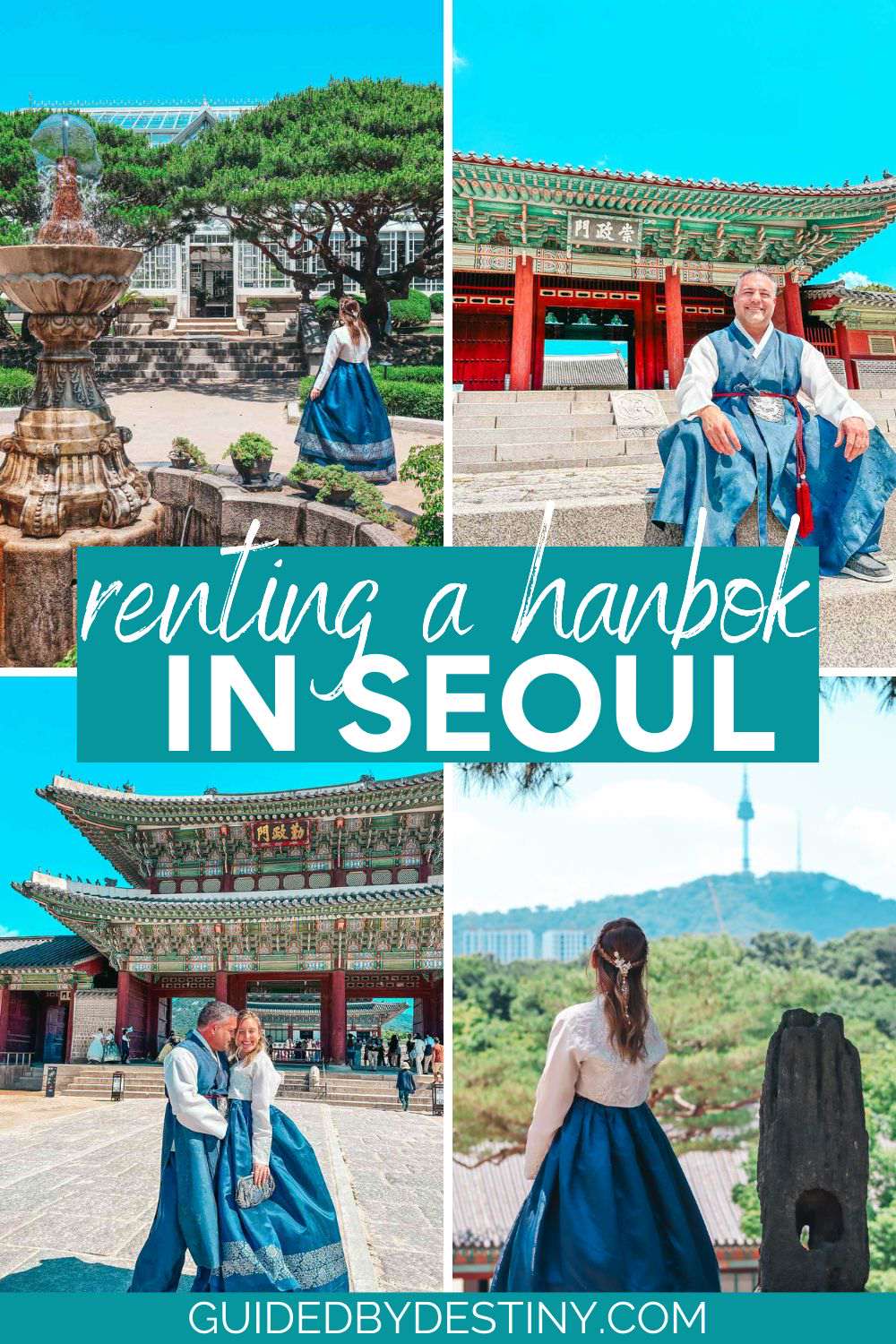
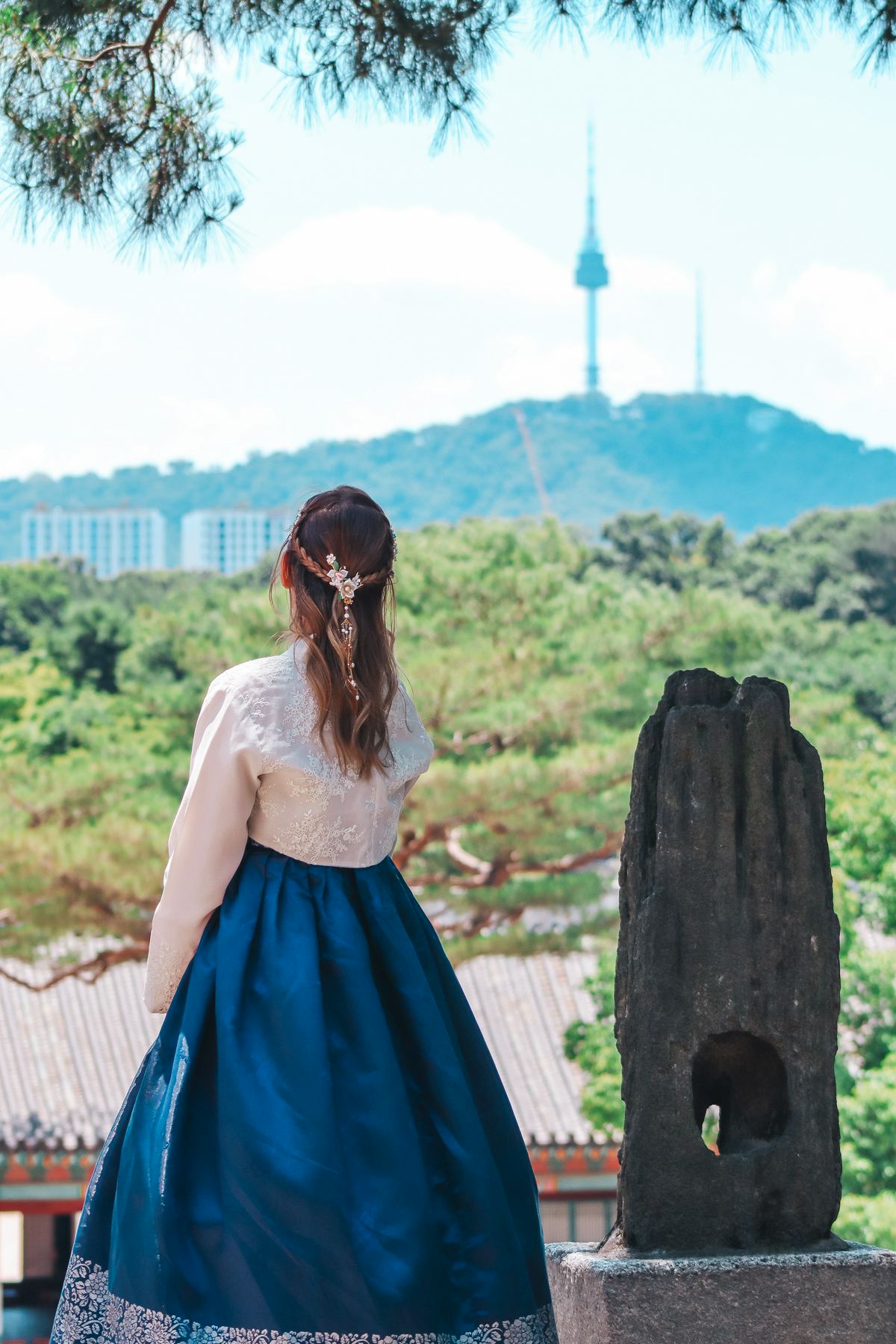
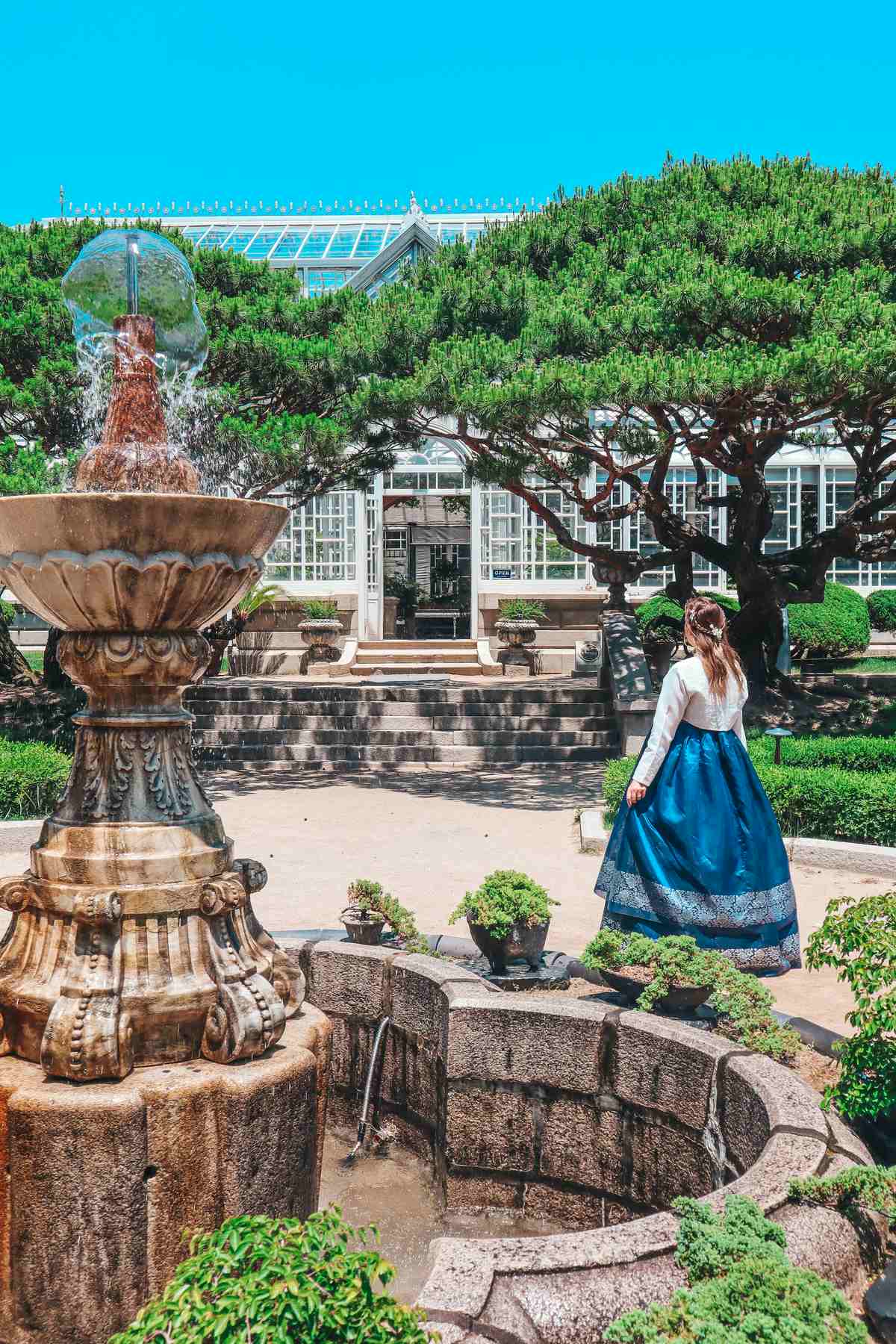
A hanbok is traditional Korean dress, and wearing one while wandering places like Gyeongbokgung Palace, Changdeokgung Palace, and Bukchon Hanok Village makes the whole day feel extra special. You are still very much a tourist taking photos, of course, but it adds a beautiful cultural layer to the experience.
This guide breaks down everything I wish I had known before renting a hanbok in Seoul, including where to rent one, whether it is respectful, what the process is like, what to wear underneath, where to take photos, and the little tips that made our experience smoother. For more trip planning help, I also have a full South Korea packing list and South Korea travel tips.
Seoul Hanbok Rental Guide
Quick Tips for Renting a Hanbok in Seoul
- Best palace: Gyeongbokgung Palace if you only have time for one.
- Best rental length: 2-4 hours for palaces, Bukchon, and photos without rushing.
- Book ahead: Weekends, peak seasons, or tight one-day Seoul itineraries.
- Wear this: Comfortable shoes and a simple outfit underneath.
- Don’t forget: Wearing a qualifying hanbok can get you free palace entry.
What is a Hanbok?
A hanbok is traditional Korean clothing known for its beautiful colors, graceful lines, and elegant silhouette. You will see so many styles at rental shops, from more classic designs to dreamy modern versions with layers, embroidery, and dramatic skirts.
The basic pieces usually include:
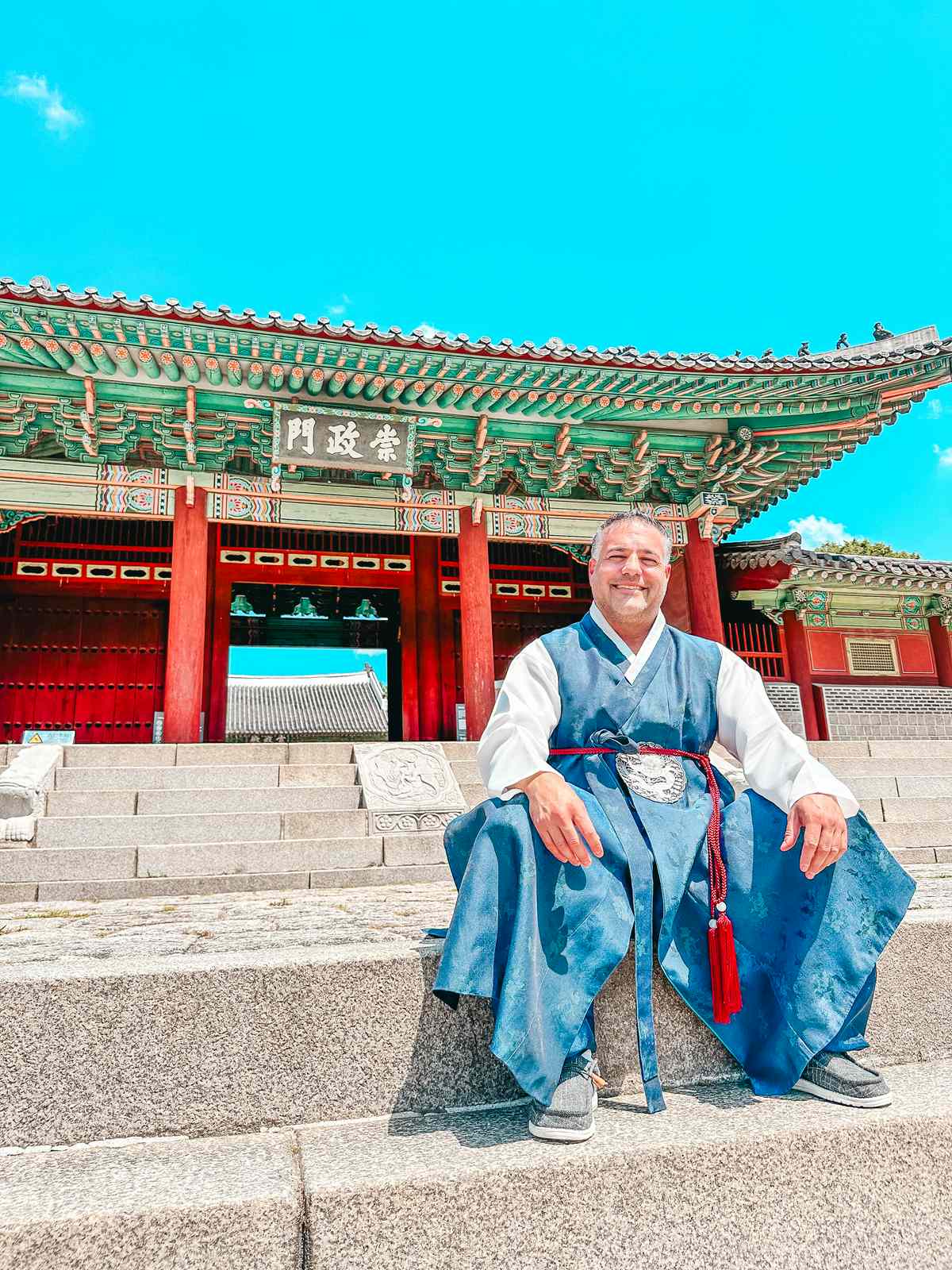
- Jeogori: The upper garment worn by both men and women, usually short and fitted with long sleeves.
- Baji: The pants worn by men.
- Chima: The full skirt worn by women.
- Otgoreum: The ribbon sash tied around the waist to secure the jeogori.
- Hair accessories: These can include binyeo (hairpins), ribbons, decorative clips, and sometimes a gat (traditional hat) for men.
Historically, hanboks reflected things like occasion, season, and social status. Today, they are still worn for special occasions and celebrations, and visitors can rent them as a way to respectfully experience a small piece of Korean tradition while exploring Seoul’s historic areas.
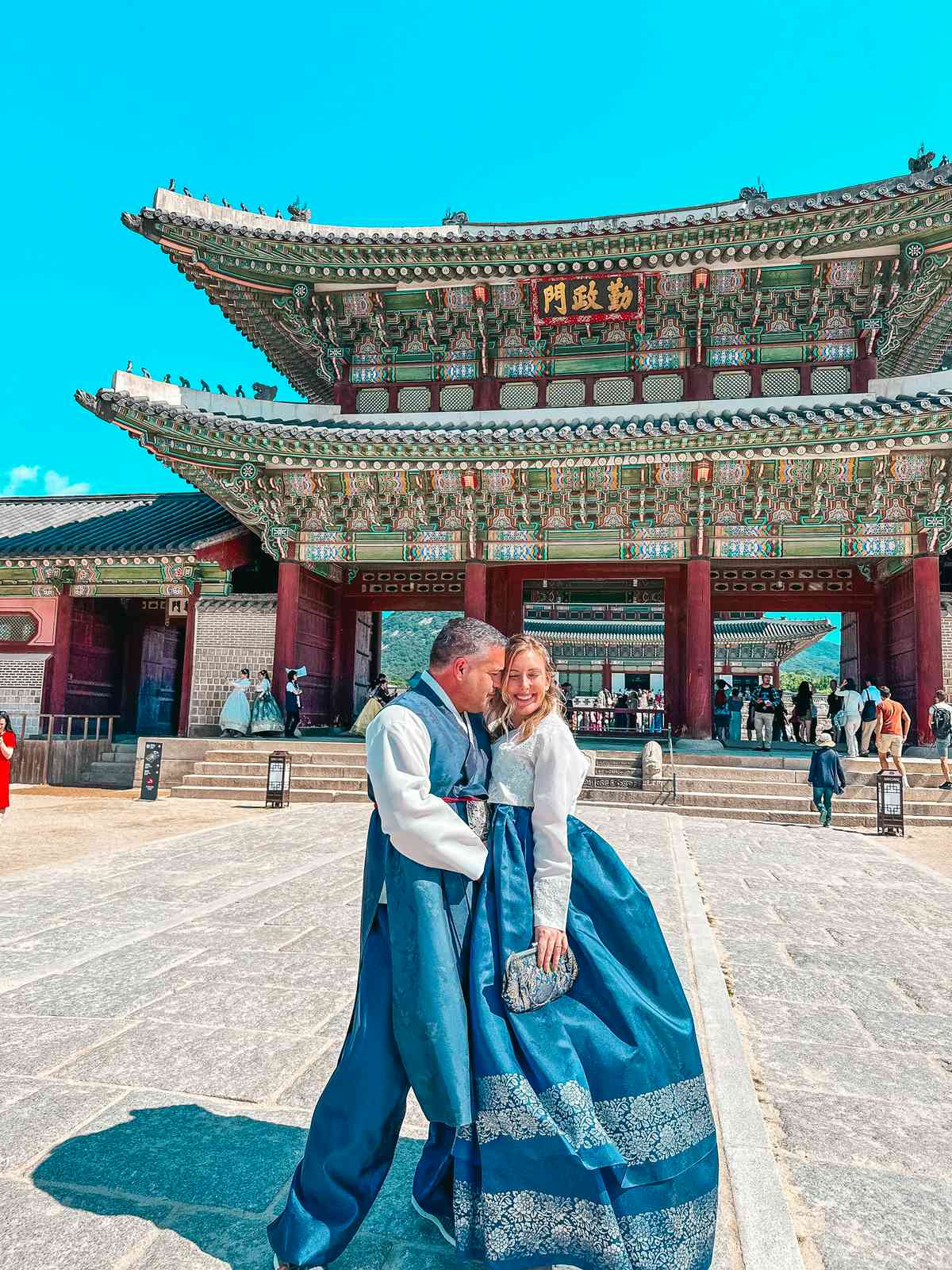
Is Renting a Hanbok Respectful?
Yes, renting and wearing a hanbok in Seoul is generally considered respectful when you approach it with appreciation, cultural awareness, and good behavior. Hanboks are cultural attire with deep historical roots, so the goal is to enjoy the experience without treating it like a costume party.
- Cultural appreciation: Renting a hanbok is a popular visitor experience in Seoul, especially near the palaces, and it can be a lovely way to learn about Korean culture.
- Educational experience: Wearing one while exploring palace grounds makes the history feel more tangible than simply walking through in regular clothes.
- Supporting local businesses: Many hanbok rental shops are local businesses built around preserving, styling, and sharing this tradition with visitors.
My biggest advice is simple: be respectful of the clothing and the places you are visiting. Avoid climbing on restricted areas, being disruptive, or blocking pathways for photos. This is especially important in places like Bukchon Hanok Village, where people actually live.
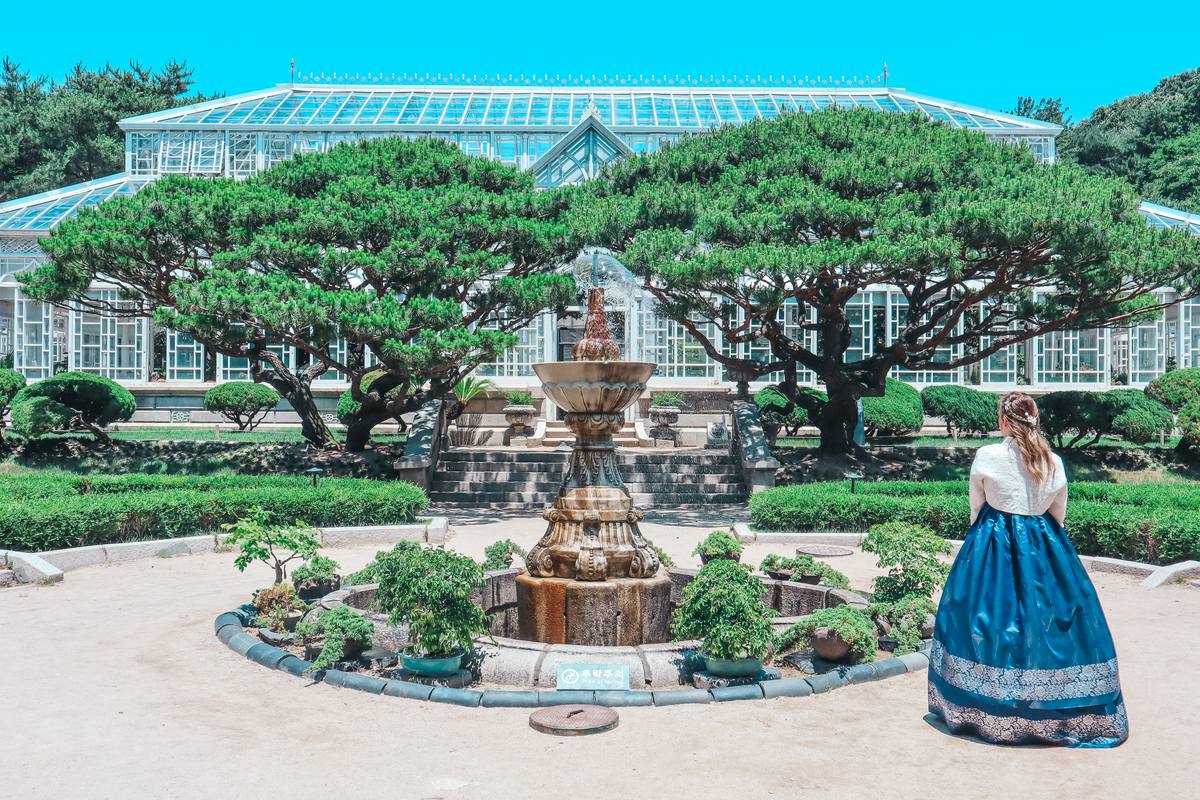
Choosing a Hanbok Rental Location
Seoul has plenty of hanbok rental locations, but I would choose based on where you want to take photos, how much time you have, and whether you want to book ahead.
- Popular areas: The easiest areas are around Gyeongbokgung Palace, Bukchon Hanok Village, and Insadong because you can rent your hanbok and walk straight to several photogenic spots.
- Variety of styles: Different shops offer different hanbok styles, from simple traditional options to premium, themed, or more elaborate designs.
- Price and quality: Compare current pricing and reviews before booking. Prices can vary based on the shop, rental duration, hanbok style, and which accessories are included.
📸 Travel Tip
Book a Hanbok Photoshoot
Want photos you’ll actually frame? Book a photographer to capture your hanbok experience so you can skip the tripod and enjoy the moment.
View Photoshoot OptionsMaking a Reservation
I recommend booking in advance if you are visiting on a weekend, during peak season, or if you have a tight itinerary. Walk-ins can work, but having a reservation gives you one less thing to figure out that morning.
- Online booking: Many shops let you book ahead, choose your rental duration, and compare options before you arrive. You can check current hanbok rental pricing here.
- Walk-ins: During weekdays or slower times, you may be able to walk in without an issue. Just know that popular styles and time slots may be more limited.
We went in about 5 minutes before opening, and there were already a couple of people ahead of us, so I would go early if you want first pick of styles and fewer people in the shop!
✨ Travel Tip
Book Your Hanbok Rental in Advance
One of my favorite things to do in Seoul! Booking ahead means less waiting and more time exploring the palaces.
Reserve Your HanbokWhat to Expect During the Hanbok Rental Process
Renting a hanbok usually takes about 30 minutes to an hour, depending on the shop, crowds, and how quickly you make decisions. If you have a reservation, you may move through faster, but choosing your color, style, accessories, and hairstyle can still take a little time.
Here is what to expect during a Seoul hanbok rental:
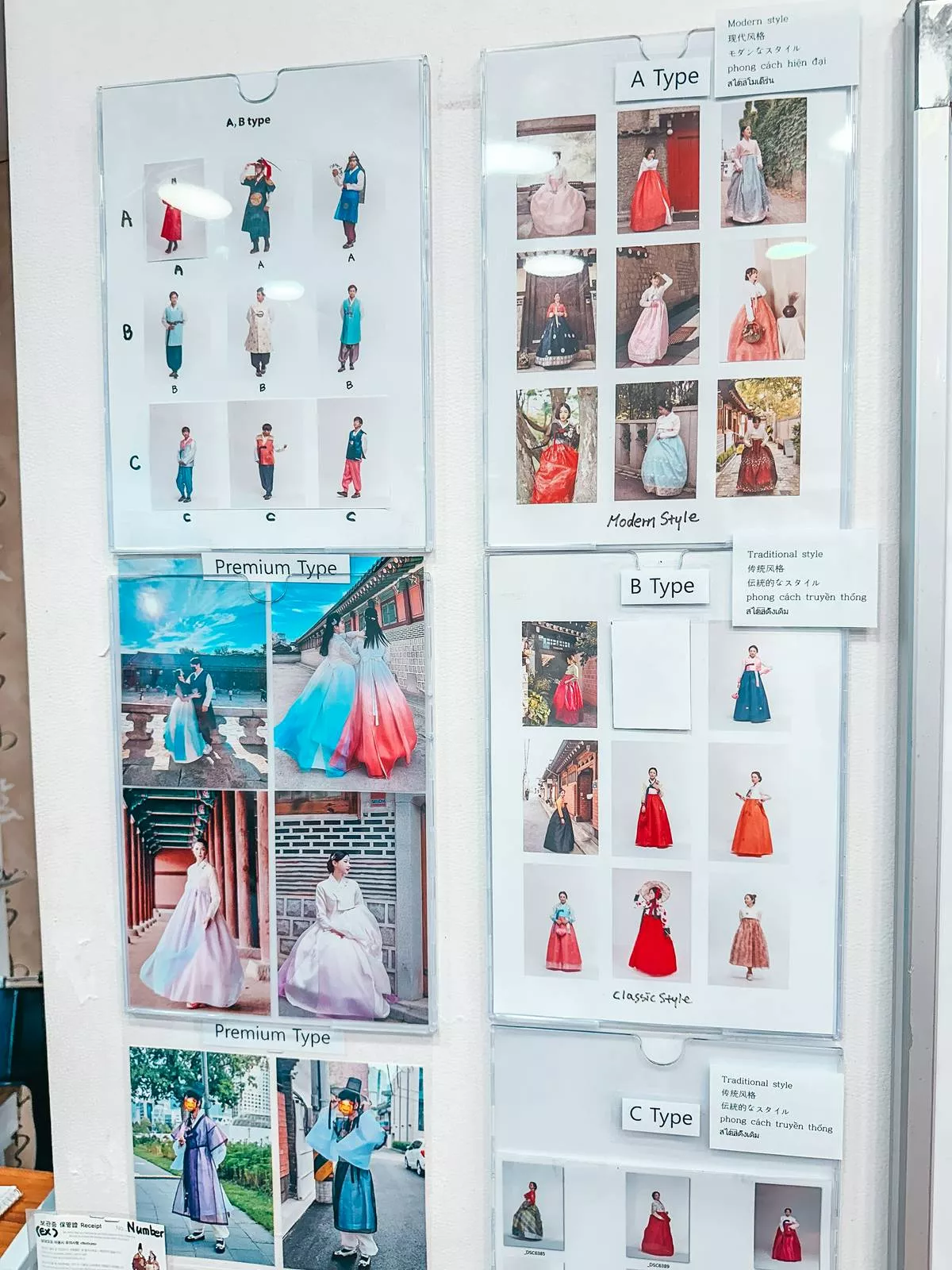
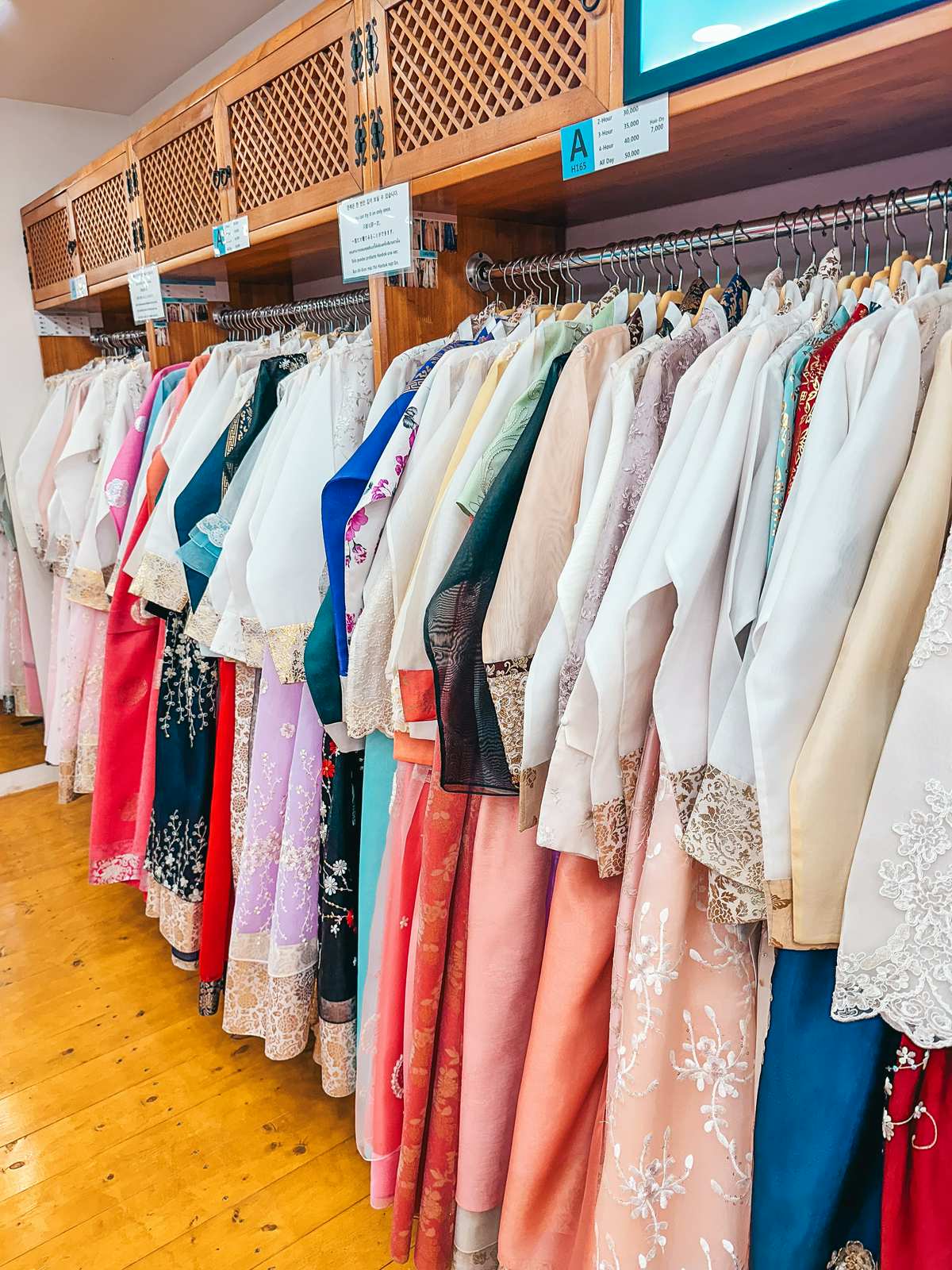
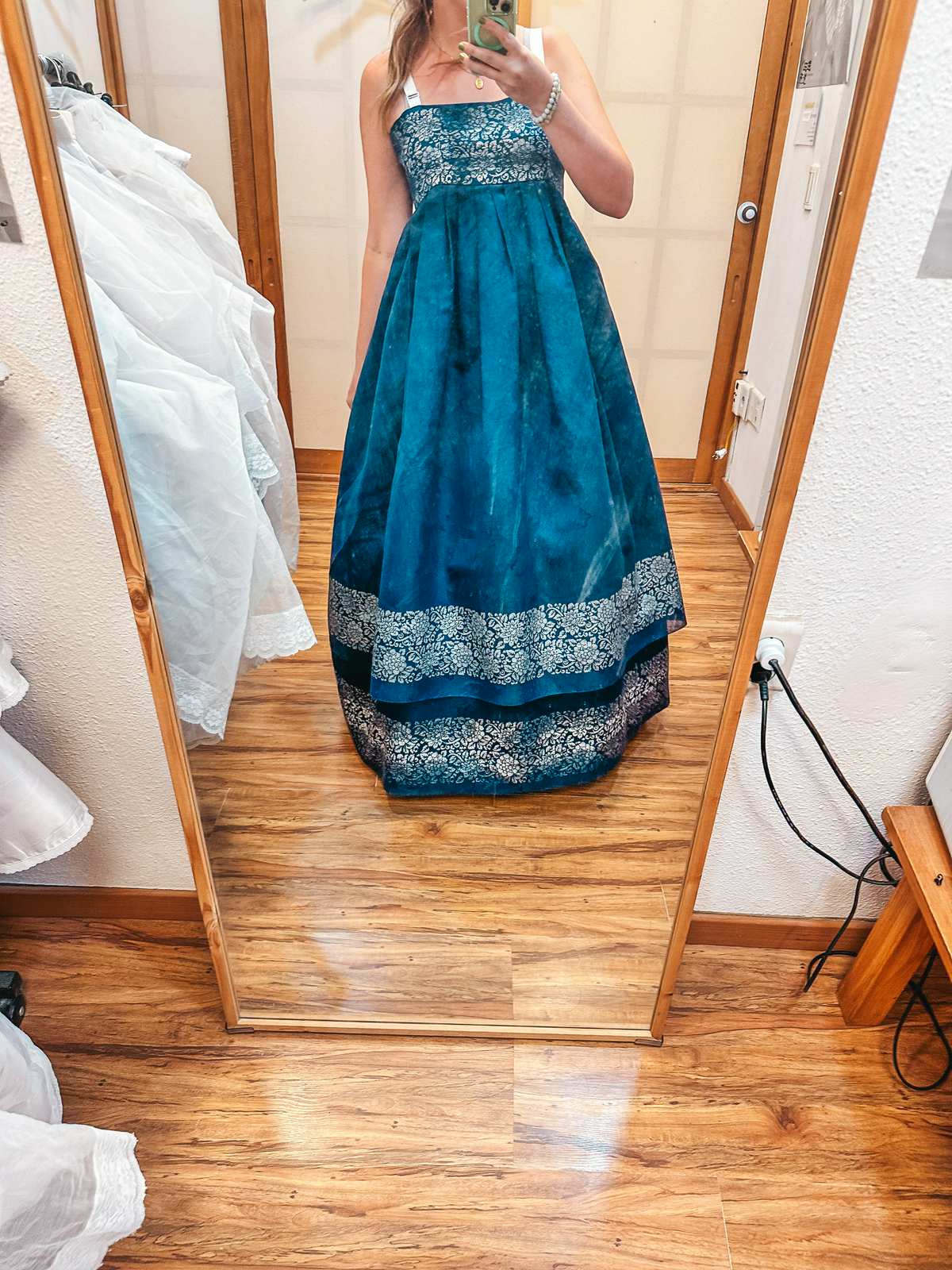
- Choosing your hanbok: At the shop we chose, there were different categories like A, B, C, and premium, each with different price points. You browse the racks, choose your style and color, and staff can usually help with sizing or styling tips.
- Accessories and add-ons: You may be able to add hairpins, a gat (traditional hat), norigae (decorative tassel), bags, or other accessories. For women, the rental usually includes a small purse, which is very helpful because regular bags do not always work with the outfit.
- Fitting and adjustments: Staff will help adjust the hanbok so it fits comfortably. Mine was a little long, and I ended up tripping a couple of times, so watch the hem when you walk up stairs or through palace grounds.
- Hair: If you want your hair styled, you can usually add that once you are dressed. When I went, it was around $5 USD, took about 5 extra minutes, and was absolutely worth it for photos.
- Duration and return: Most shops offer different rental lengths, from short rentals to full-day options. Clarify your return time, late fees, and damage policy before leaving the shop.
Exploring Seoul in a Hanbok
Once you are dressed, the best plan is to stay in the palace/Bukchon/Insadong area so you are not wasting your rental time commuting across the city. These are the spots I would prioritize:
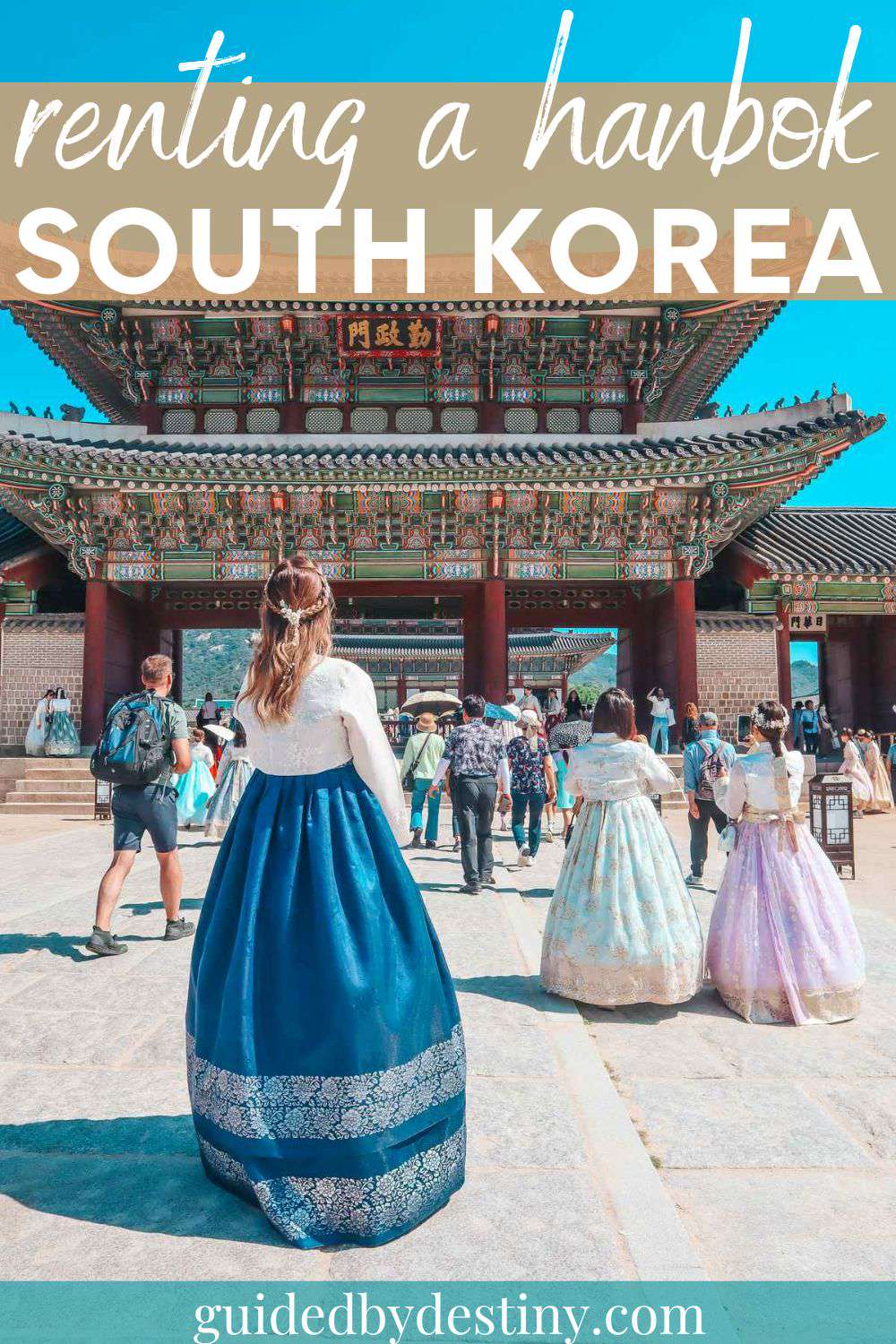
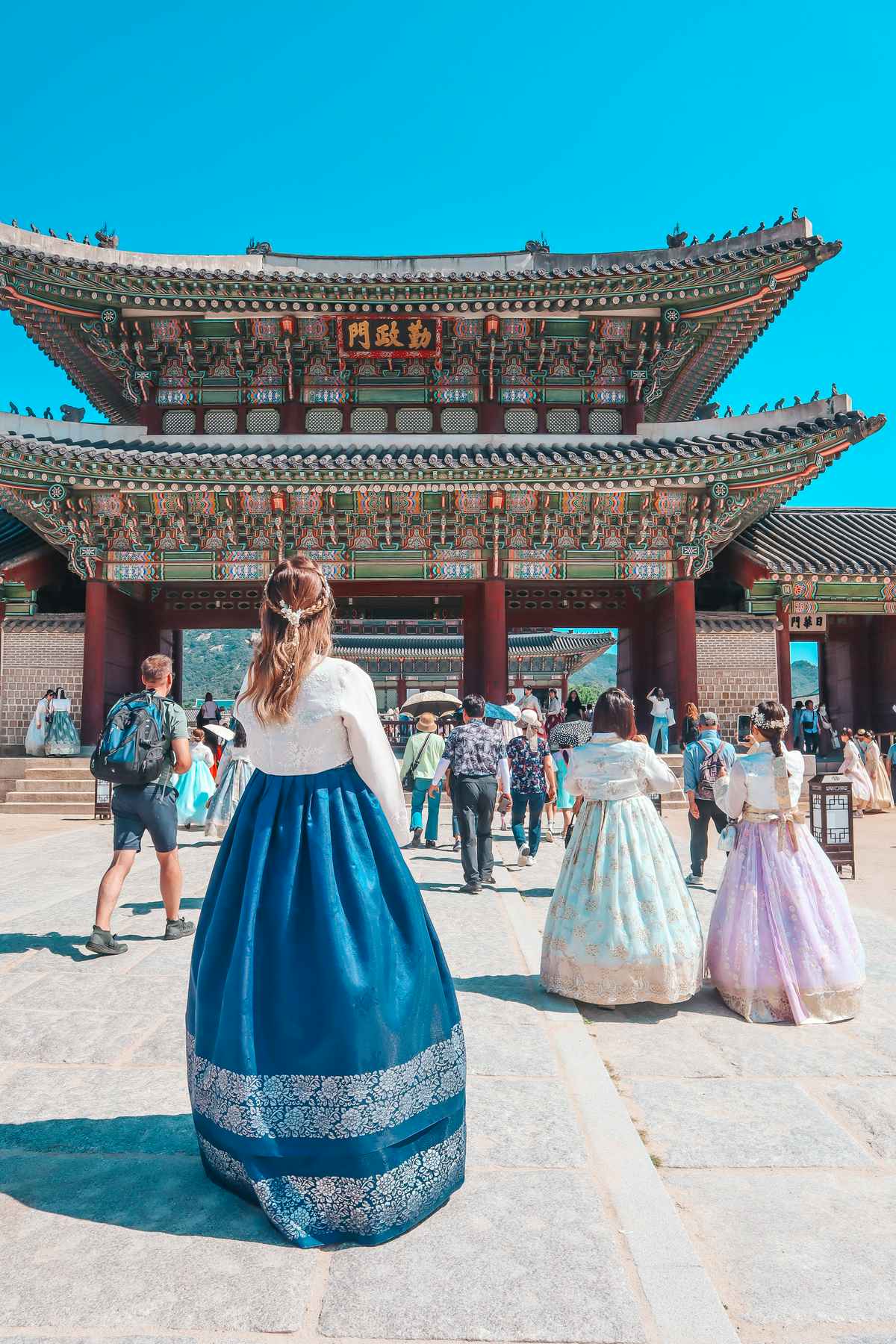
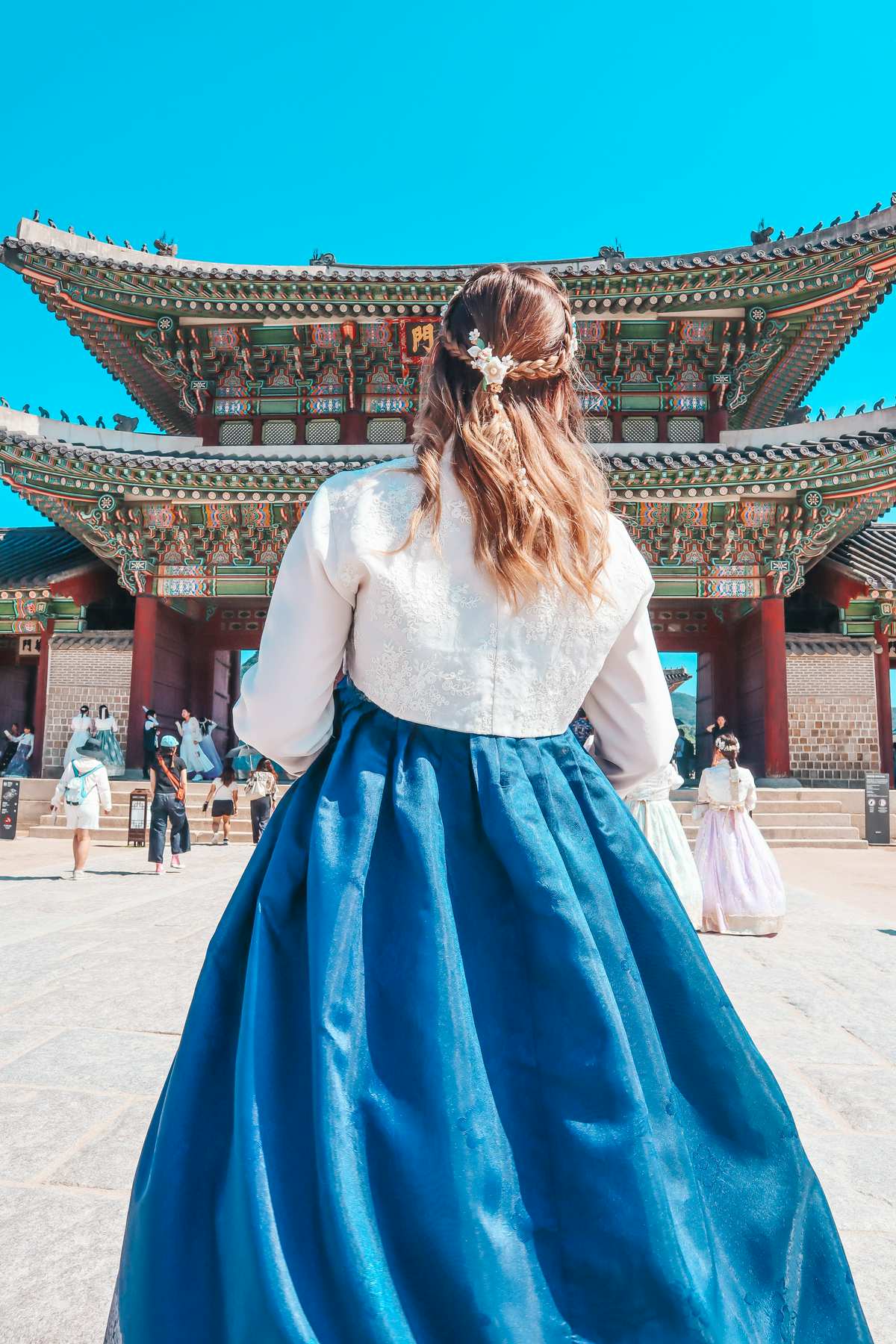
- Gyeongbokgung Palace: This is the classic hanbok photo spot and probably the one I would choose if you only have time for one palace. The grand buildings, gates, and courtyards make such a beautiful backdrop.
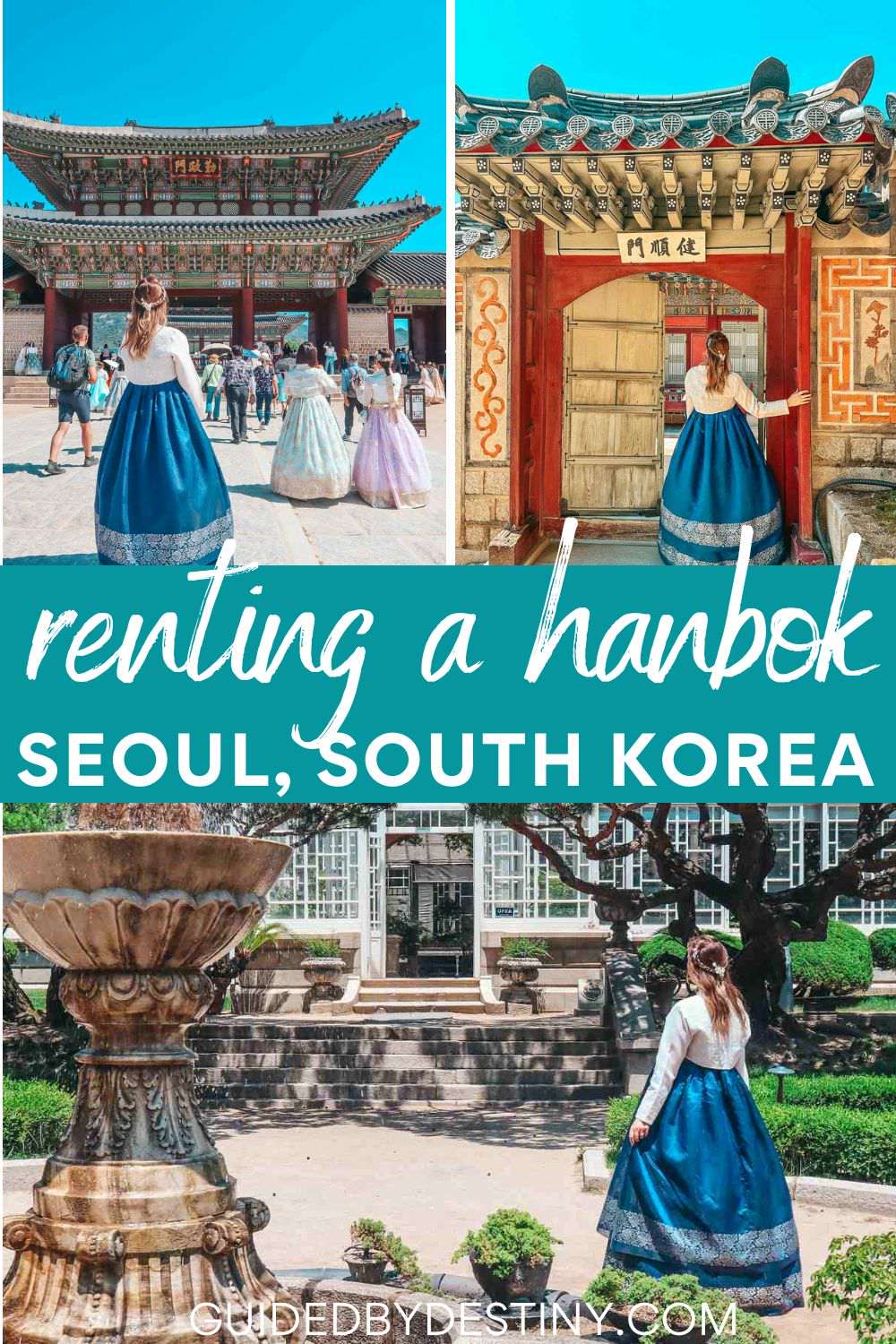
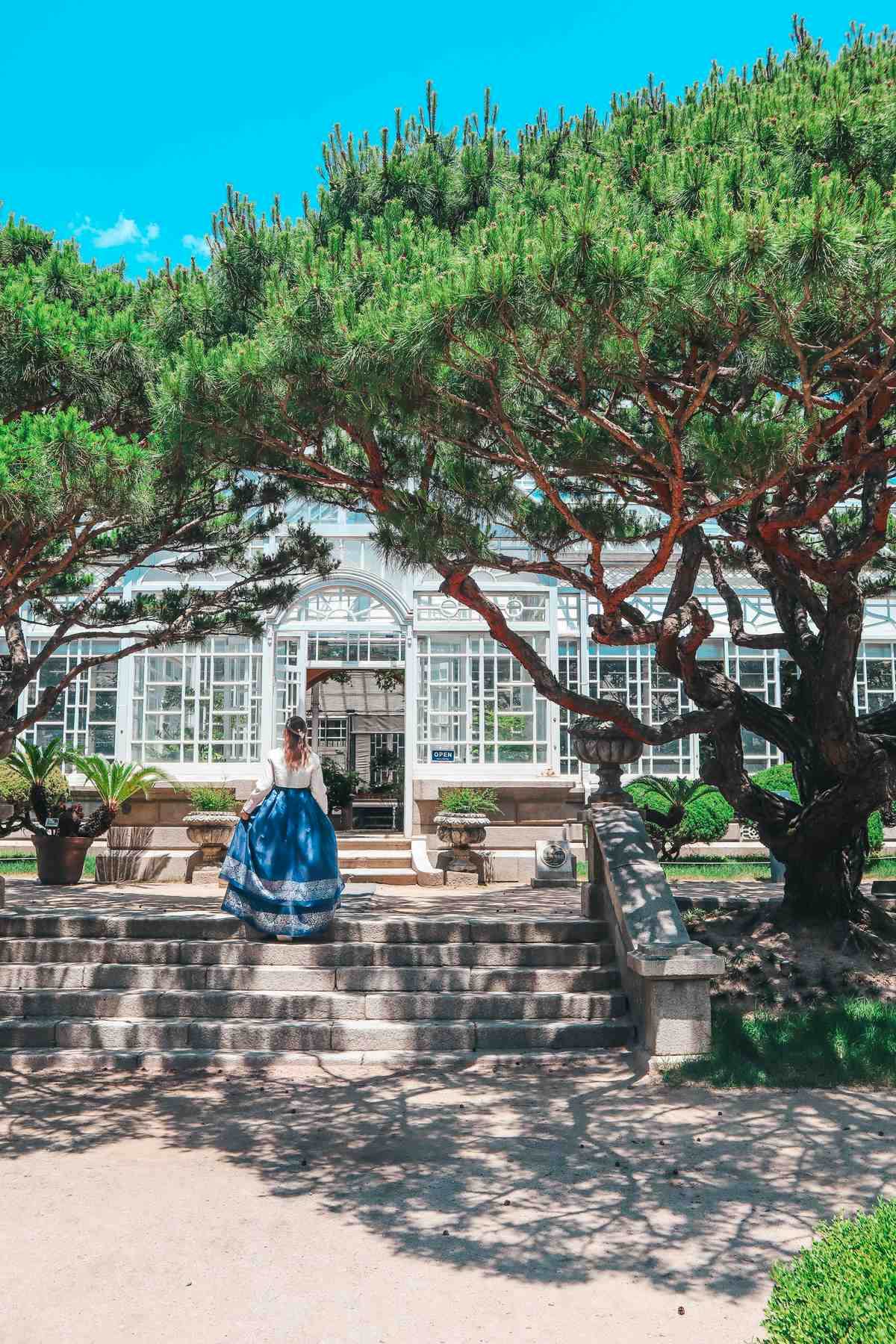
- Changdeokgung Palace: This palace is known for its beautiful architecture and Secret Garden. It is a great option if you want your photos to feel a little more peaceful and garden-focused.
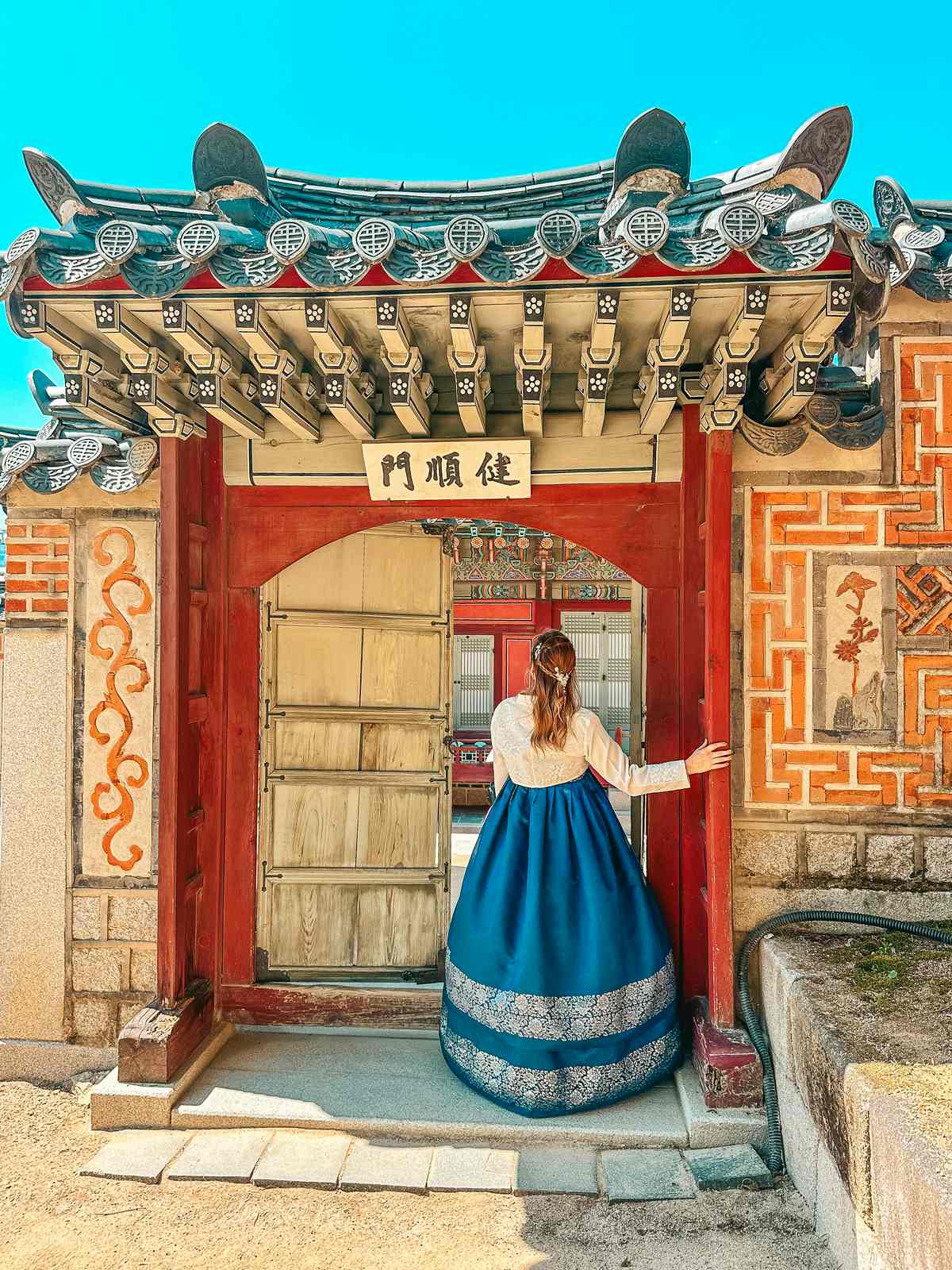
- Bukchon Hanok Village: The traditional homes and narrow streets are gorgeous, but remember that this is a residential neighborhood. Keep your voice down, follow posted signs, and be mindful when taking photos.
- Insadong: This is a great place to wander after the palaces if you want tea houses, galleries, souvenir shops, and a little more of that traditional Seoul feel.
Obviously, where you go depends on how long you have your rental, but if you can only hit one spot, make it Gyeongbokgung Palace. It is the most popular palace in Seoul for a reason, and it fits perfectly into a 1-day Seoul itinerary.
Other Things to Note for Your Seoul Hanbok Rental
- Plan around palace closures: Before you rent your hanbok, remember that Changdeokgung is typically closed on Mondays and Gyeongbokgung Palace is typically closed on Tuesdays. If a public holiday falls on a regular closing day, schedules can shift, so check official palace hours before you go.
- Beat the heat: I rented my hanbok in the summer, and while it was warm, it was not unbearable. Coming from Florida, I’m used to a whole different level of humidity. The hanbok skirt barely touches your body, so it actually keeps you cooler than you might expect. The jeogori (upper jacket) can get a bit warm, but it was not too bad for me.
- Start early: To make the most of your rental, start as early as possible. You will get cooler weather, fewer crowds, and better odds of finding the style you want.
- Wear comfortable shoes: Trust me on this one. I wore my Dr. Scholl’s sneakers for comfort, and you couldn’t see them at all under the hanbok. Your feet will thank you after hours of exploring.
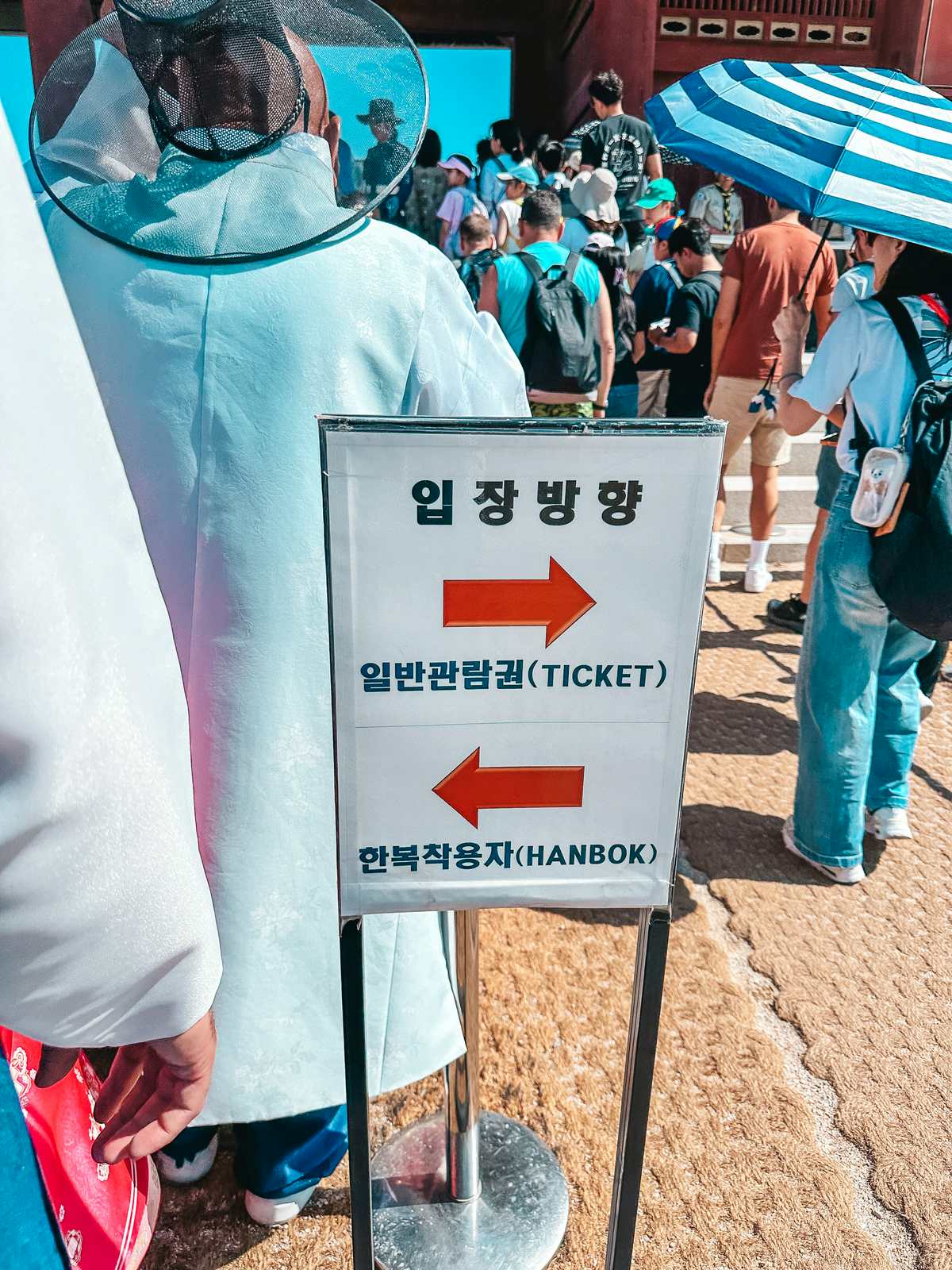
- Free palace entry: One of the best perks of renting a hanbok in Seoul is that wearing a qualifying hanbok gets you free entry to several royal palaces. This little perk practically pays for the rental itself, which I will absolutely be counting as girl math.
Are you ready to have the ultimate Seoul hanbok rental experience?
Renting a hanbok in Seoul was easily one of the most memorable parts of my trip. It made the palace visit feel more immersive, gave us some of my favorite photos from South Korea, and was honestly just a really fun way to spend a morning.
Book early, wear comfortable shoes, give yourself enough time to enjoy the area, and treat the tradition with respect while still letting yourself have fun with it. You can book where we did here!
If you have any other questions about renting a hanbok in Seoul, feel free to drop a comment!
Before you go, be sure to follow me on Insta @guidedbydestiny and check out some of my other Asia blog posts: