21 South Korea Travel Tips You Should Know Before Going
This post contains affiliate links, which help support my blog at no extra cost to you!
After visiting Seoul and spending some time in Incheon, I fell in love with South Korea fast. It was modern, easy to get around once I figured out the apps, full of amazing food, and somehow both exciting and relaxed at the same time. These South Korea travel tips are the things that helped me most, plus a few things I wish I had known before landing.
If you’re planning your first trip, I also recommend reading my full guide to planning a trip to South Korea. This post is more of the practical, on-the-ground stuff that makes the trip feel smoother once you’re actually there.
South Korea Travel Tips
1. Check Entry Requirements Before Your Trip
Before you get too deep into the fun planning, double-check the current entry rules for your passport. For U.S. passport holders, the K-ETA exemption is currently extended through December 31, 2026, but it is expected to be required again starting January 1, 2027.
South Korea also has an official e-Arrival Card that can be completed online within 3 days before arrival. Entry requirements can change, so this is one of those quick checks I would do again right before leaving.
2. Bring Some Cash and a No-Foreign-Transaction-Fee Card
Credit cards are widely accepted in South Korea, but I still recommend having some Korean won on hand. Smaller shops, street food stalls, and markets may prefer cash, and it is nice not having to scramble for an ATM when you are jet-lagged and hungry.
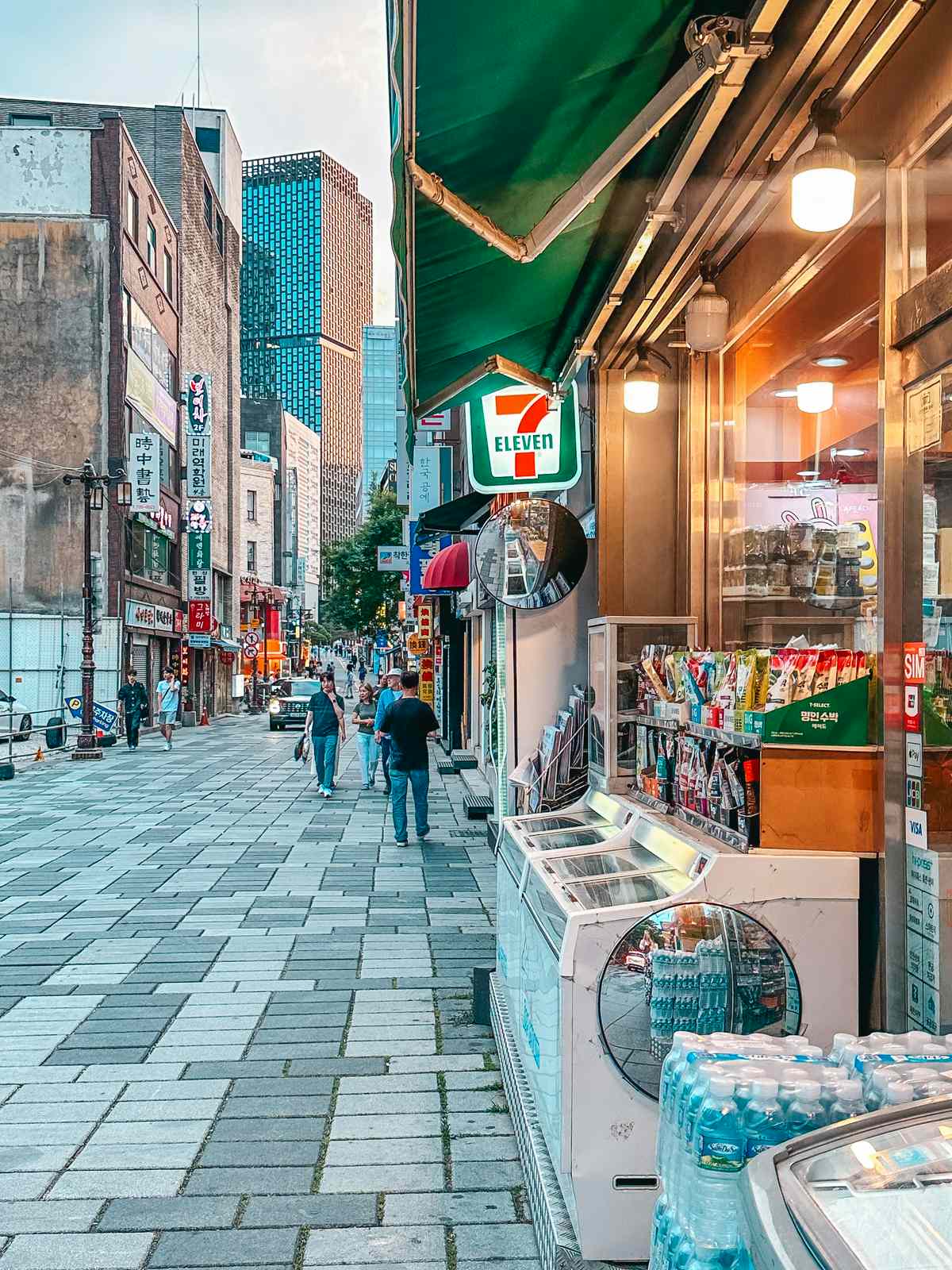
A no-foreign-transaction-fee credit card will help you avoid extra charges, and if you need cash, 7-Eleven ATMs were easy to find and worked well with foreign cards for us.
3. Get an eSIM Before You Land
Having data made everything easier: navigating subway exits, translating menus, messaging, checking hours, and looking things up on the fly. I recommend getting an eSIM for your phone before you arrive so you are not depending on airport Wi-Fi or trying to solve it after a long flight.
Once purchased, the provider will usually send you a QR code by email or through their app. The setup is super simple, and even though South Korea has plenty of free Wi-Fi in cafes, restaurants, and some public spaces, I would still rather have my own data.
My Go-To eSIM ✈️
I use an Airalo eSIM on every international trip so I have data as soon as I land. It’s affordable, easy to set up, and saves me from expensive roaming fees.
Get your eSIM →4. Download Naver Map, KakaoMap, and Papago
This is one of the biggest South Korea travel tips I can give you: do not rely only on Google Maps or Apple Maps. They are not as helpful in South Korea as they are in many other countries, especially for transit and walking directions.
Download Naver Map and/or KakaoMap before you go, and give yourself a few minutes to get familiar with them. I would also download Papago for translation. Google Translate can still help, but Papago is especially useful for Korean, and having both gave me a little extra peace of mind.
5. Know Your Transportation Card Options
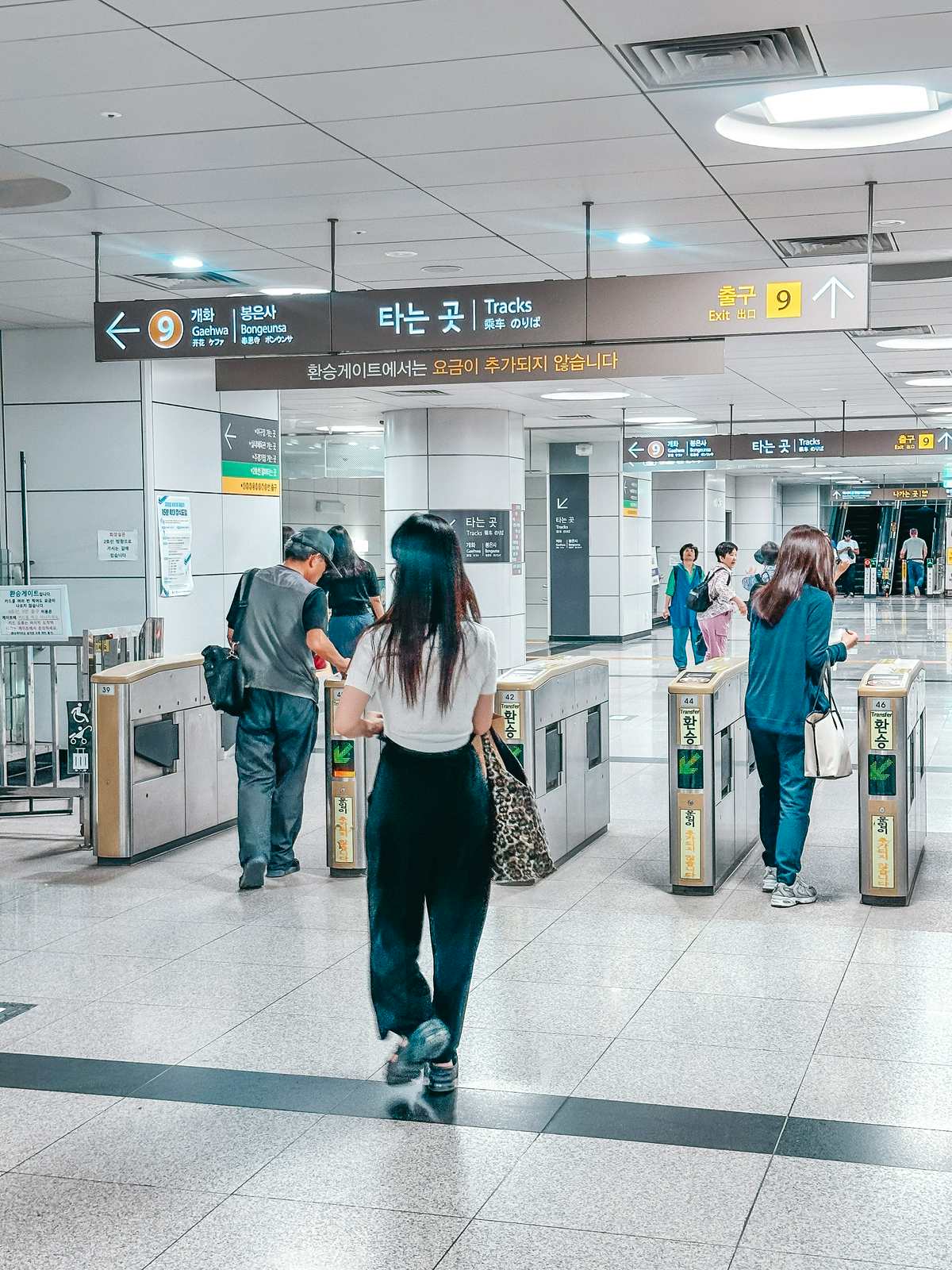
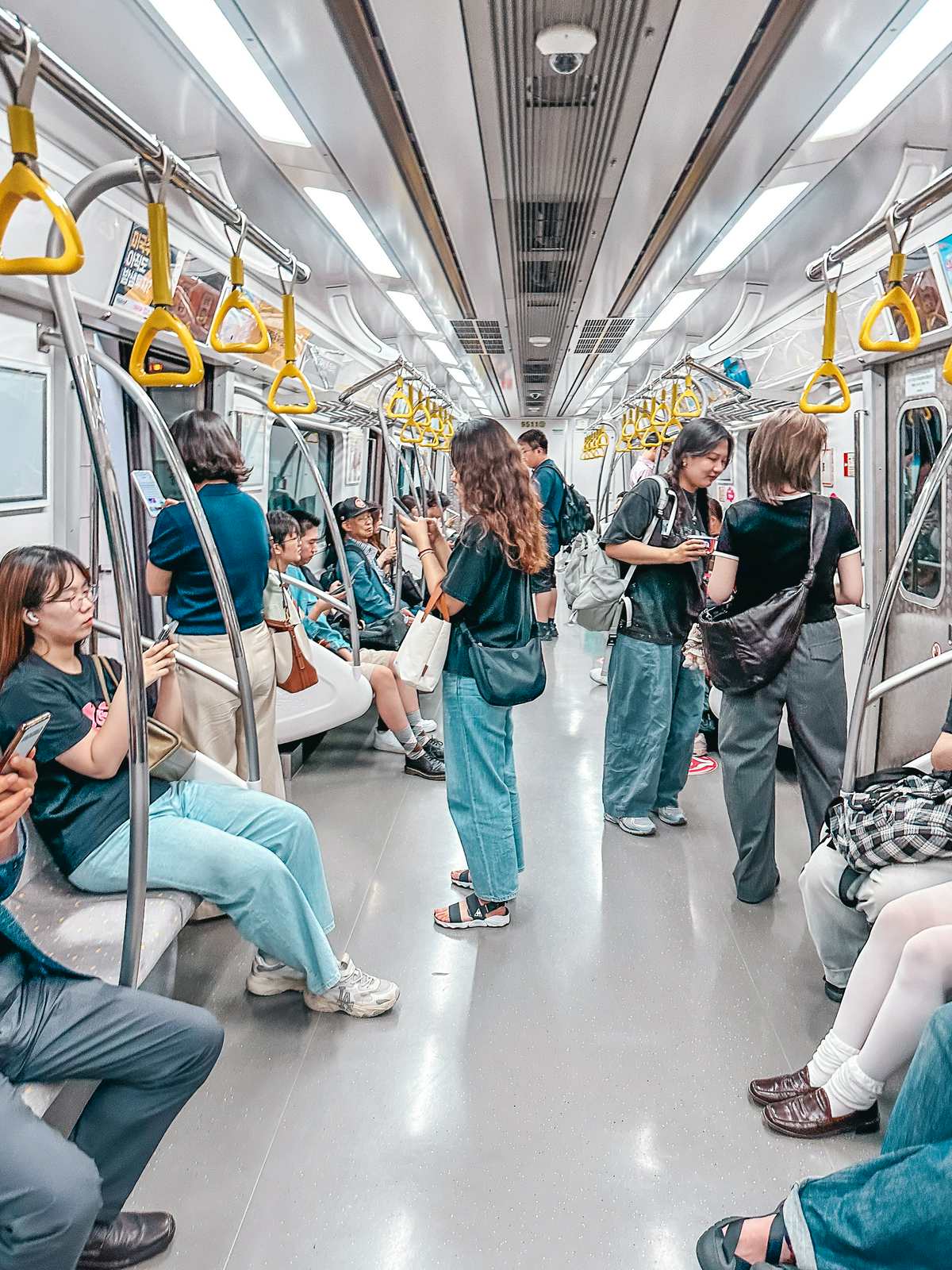
South Korea’s public transportation system is extensive, clean, and efficient, but it can feel intimidating at first. Getting a transportation card makes it much easier than buying single-journey tickets every time.
The classic option is a T-money card, which you can usually buy at the airport or convenience stores and reload at convenience stores or subway stations. These cards work for buses, subways, taxis, and some affiliated stores.
You may also see options like EZL, WOWPASS, Mpass, or Climate Card. T-money is the easiest all-around pick for most first-time visitors, but if you are staying mostly in Seoul and riding transit constantly, it may be worth comparing the current pass options before buying.
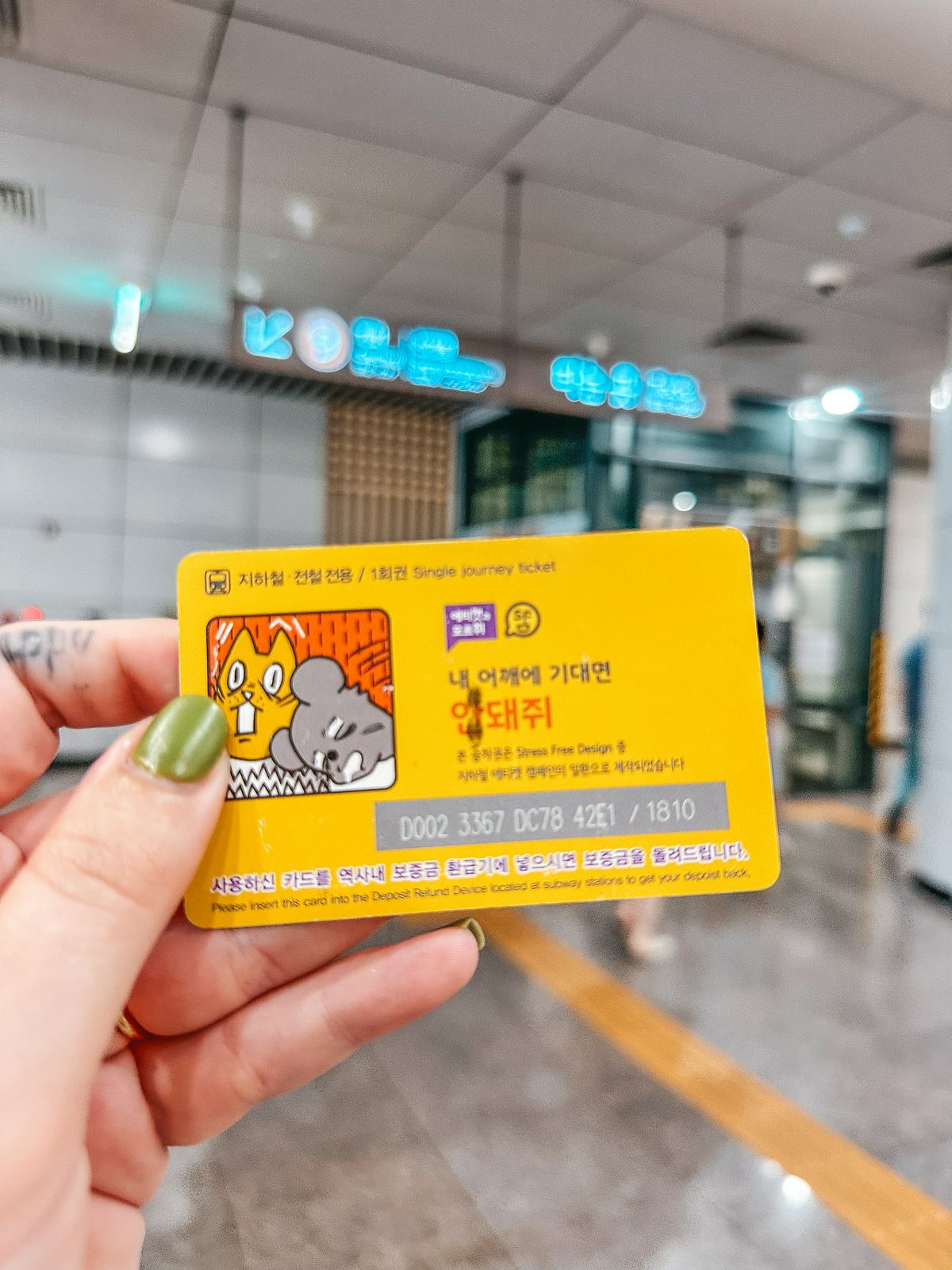
My 3-day Seoul itinerary will also give you a better idea of how much you might actually be moving around. If you buy single-use subway tickets, remember to return the card at a Deposit Refund Device after exiting to get your small deposit back.
6. Pack Light and Leave Room for Shopping
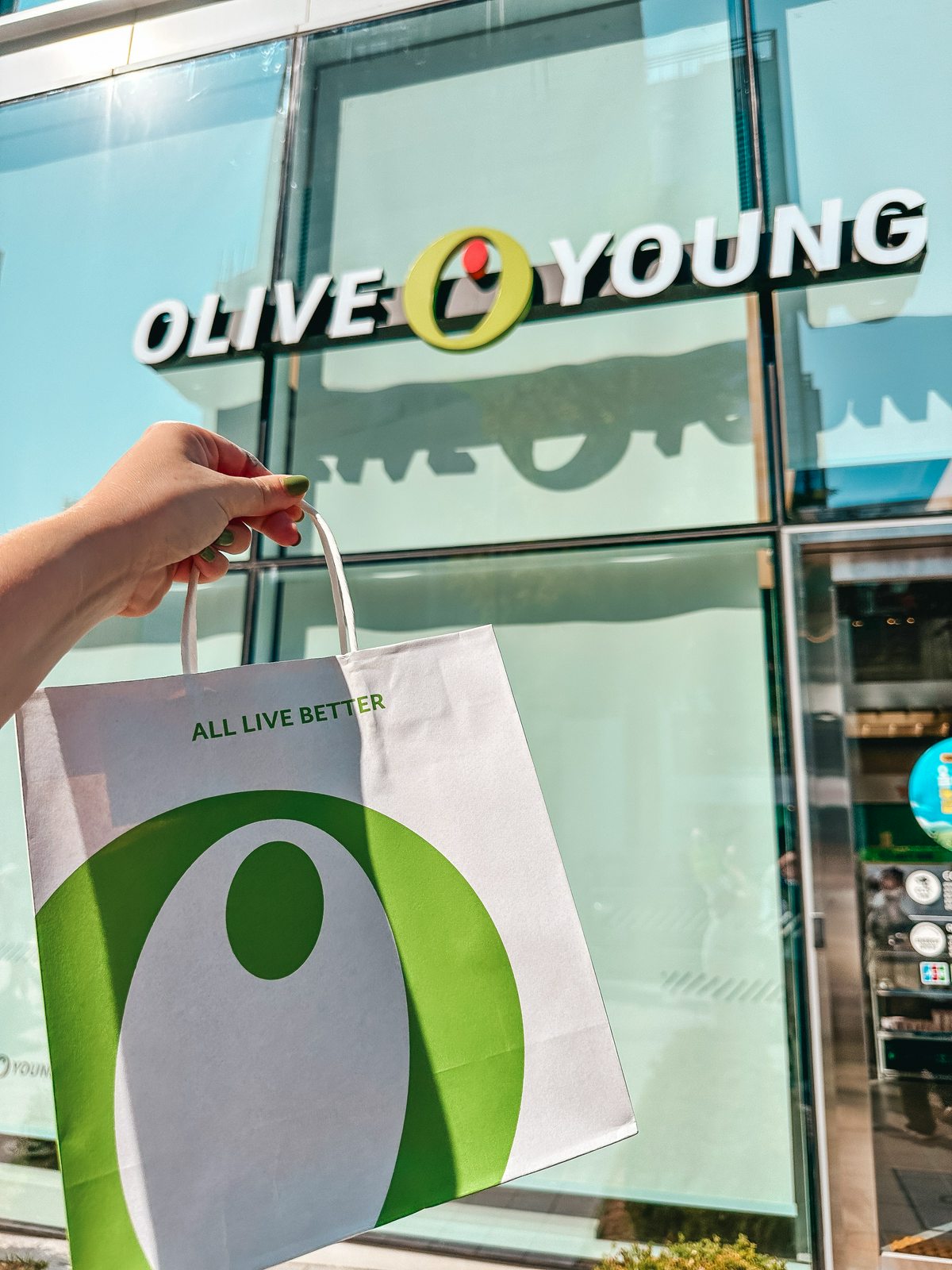
South Korea is a very easy place to shop, which is both wonderful and dangerous for your suitcase. I was glad I packed lighter because I knew I wanted to stock up on Korean skincare and makeup from places like Olive Young.
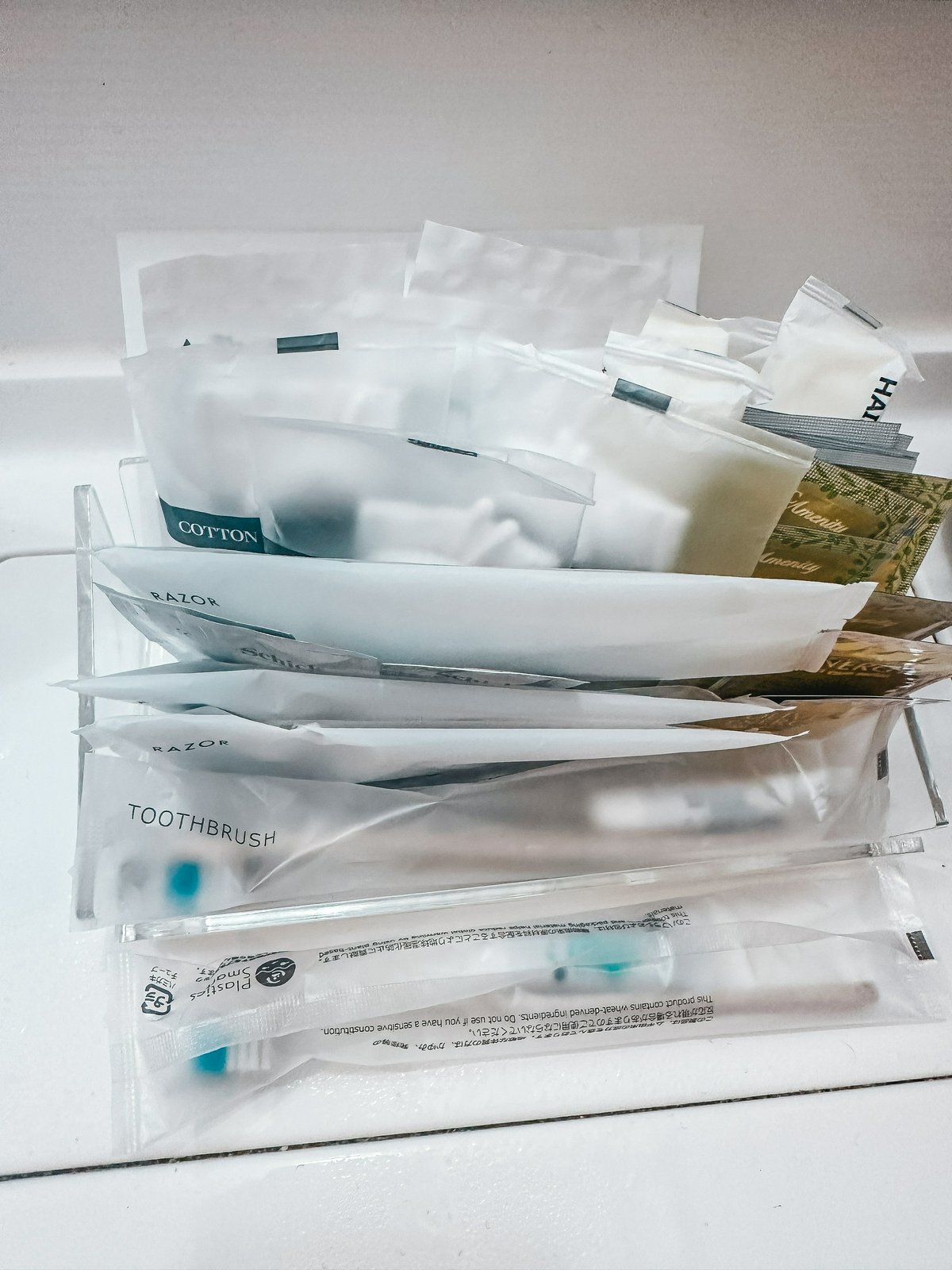
Many of the places we stayed had shampoo, conditioner, toothbrushes, toothpaste, and even skincare, so I was able to save some room by not overpacking toiletries. My South Korea packing list breaks down what I would and would not bring again.
If you are into fashion, South Korea is paradise! In Seoul and Incheon, we visited some of the most beautiful and elaborate malls I have ever seen. You can also buy a bigger suitcase locally if you need more space later. I found a great suitcase for about $35 at Namdaemun Market!
7. Prepare for Limited Public Trash Cans
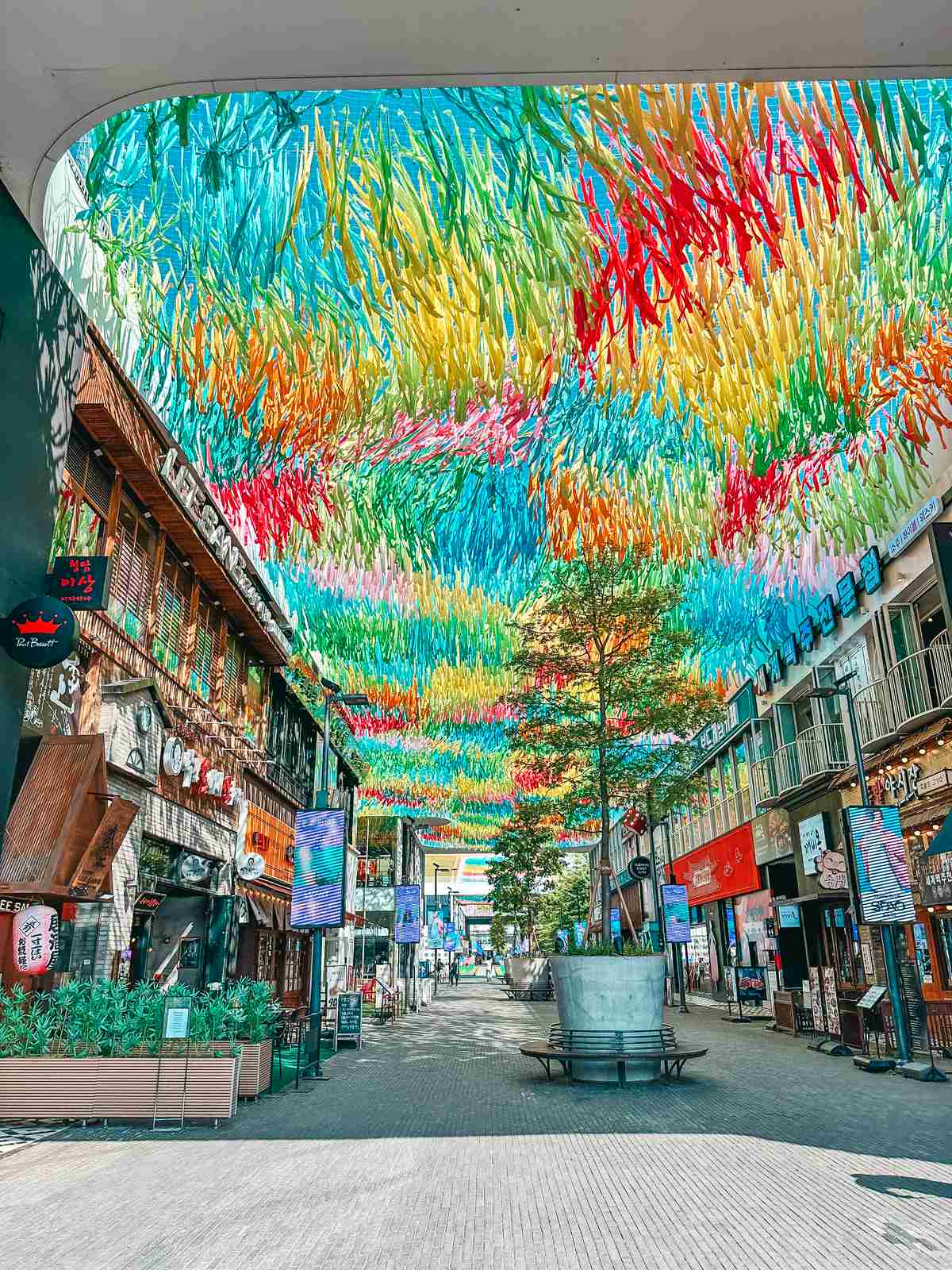
Public trash cans can be surprisingly hard to find in South Korea. I would keep a small bag in your purse or day bag so you can hold onto wrappers, coffee cups, or receipts until you find somewhere to toss them.
Convenience stores like 7-Eleven, CU, and GS25 are everywhere and can be helpful for quick snacks, drinks, and sometimes trash disposal. This is one of those tiny things that sounds silly until you are walking around with a sticky dessert wrapper for 30 minutes.
8. Tipping Is Not Expected
Tipping is not a common practice in South Korea, so you do not need to worry about adding extra gratuity at restaurants, in taxis, or for most services. In some cases, a service charge may already be included, but generally you can just pay the bill as shown.
9. Take Cafe Culture Seriously
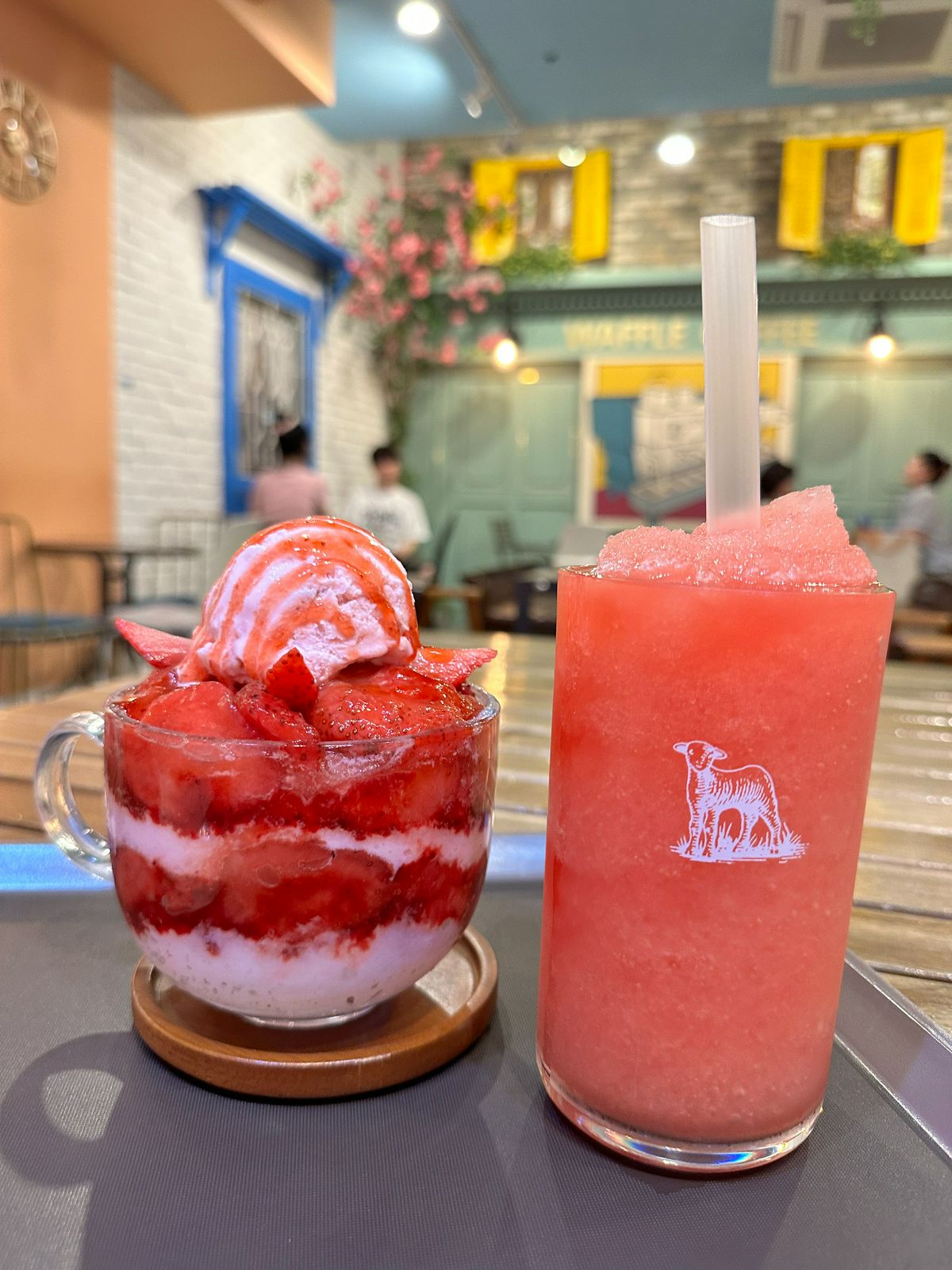
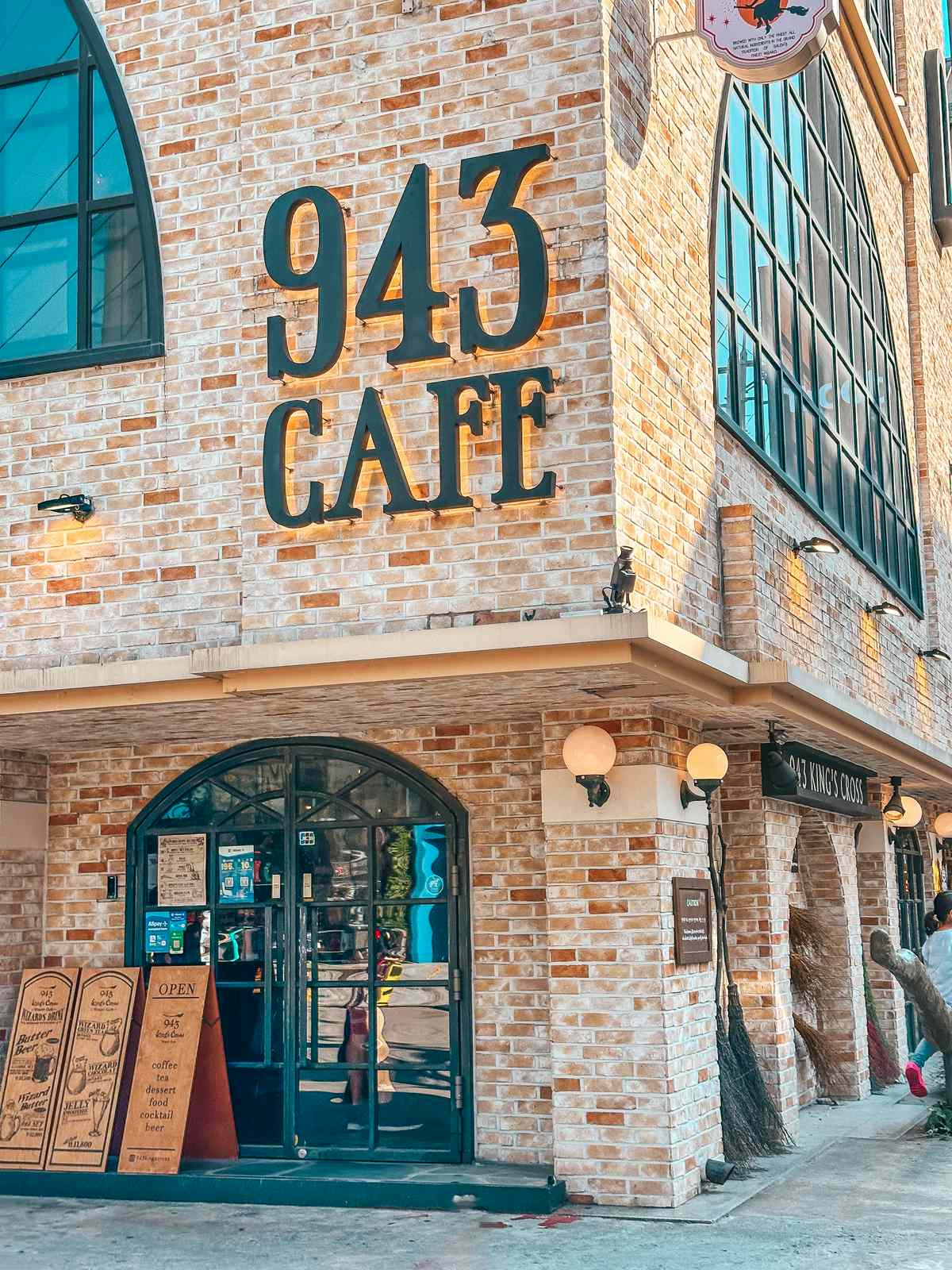
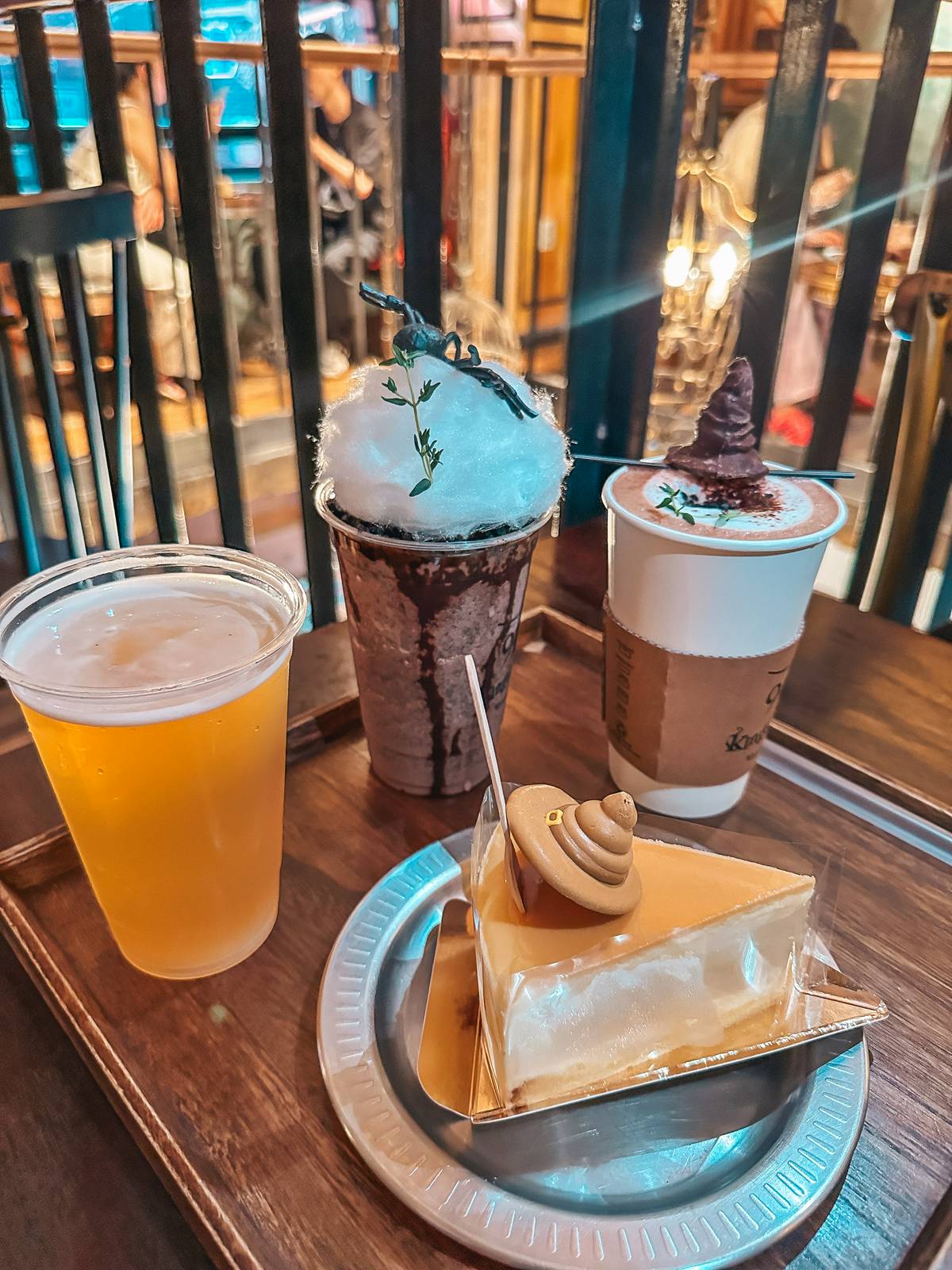
South Korea has such a fun cafe scene, and I would absolutely build a few cafe stops into your itinerary. You will find everything from beautiful design-forward cafes to themed spots, cozy pastry cafes, and places that feel like full-on experiences.
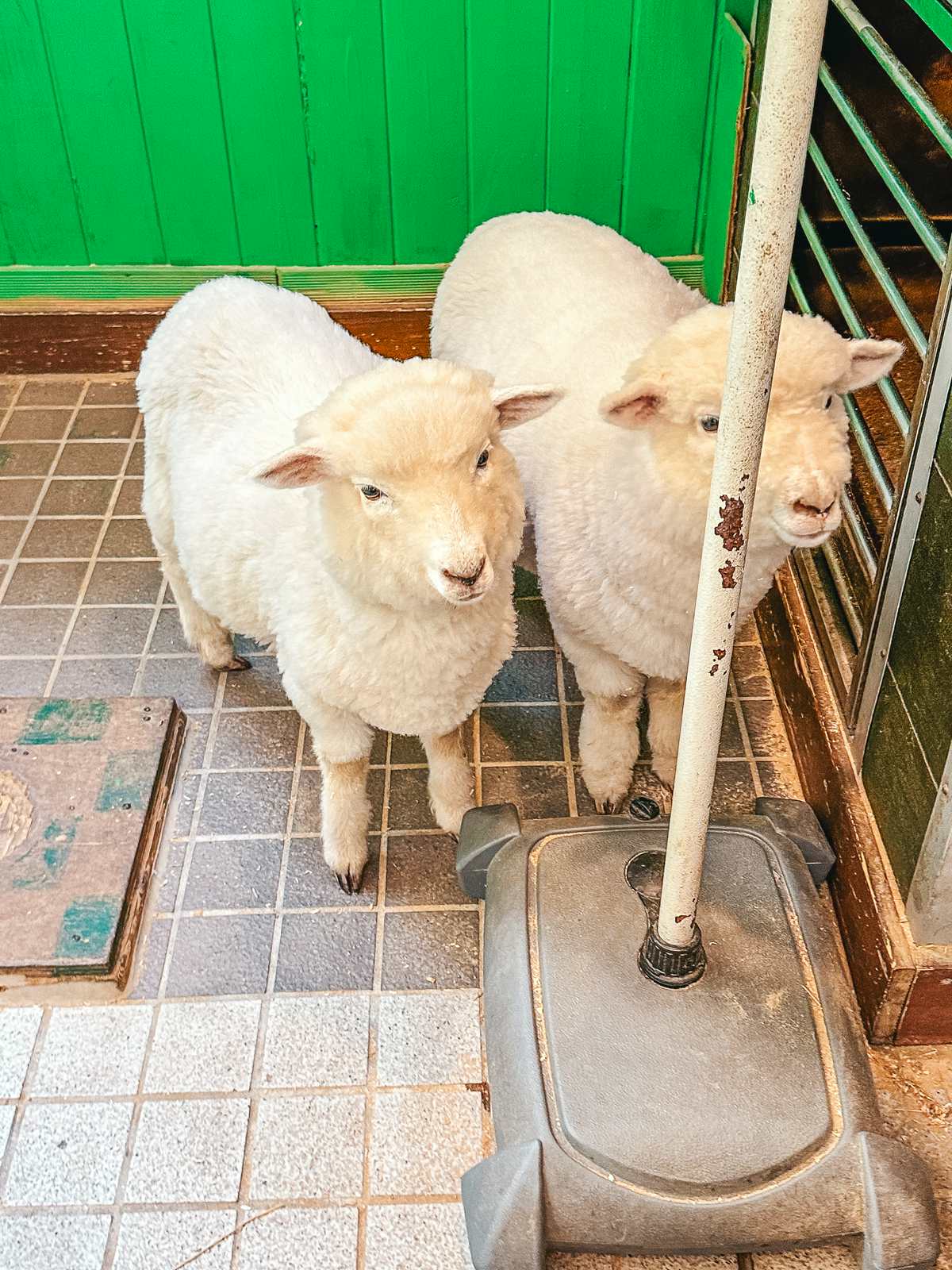
There are also animal cafes, but I would do a little research before choosing one and go with your own comfort level. Some are cute and well-run, while others may not feel like the best fit for every traveler.
Either way, the cafe scene is worth exploring even if you stick to coffee, desserts, and pretty interiors!


10. Be Realistic About the Weather
Everyone warned me that South Korean summers are humid, but honestly, June felt manageable compared to Florida humidity. That said, weather is personal, and you may still be doing a ton of walking, palace-hopping, shopping, and subway stairs.
I would pack light, breathable outfits, comfortable shoes (these are my faves for travel!), and a small reusable water bottle. If you are visiting in spring, fall, or winter, check the forecast closely because your packing list will look completely different.
shop my favorites
My Go-To Travel Essentials
From luggage and travel backpacks to packing cubes, airplane must-haves, and beauty favorites, these are the travel products I actually use and love.
Shop My Travel Favorites →11. Rent a Hanbok at Least Once
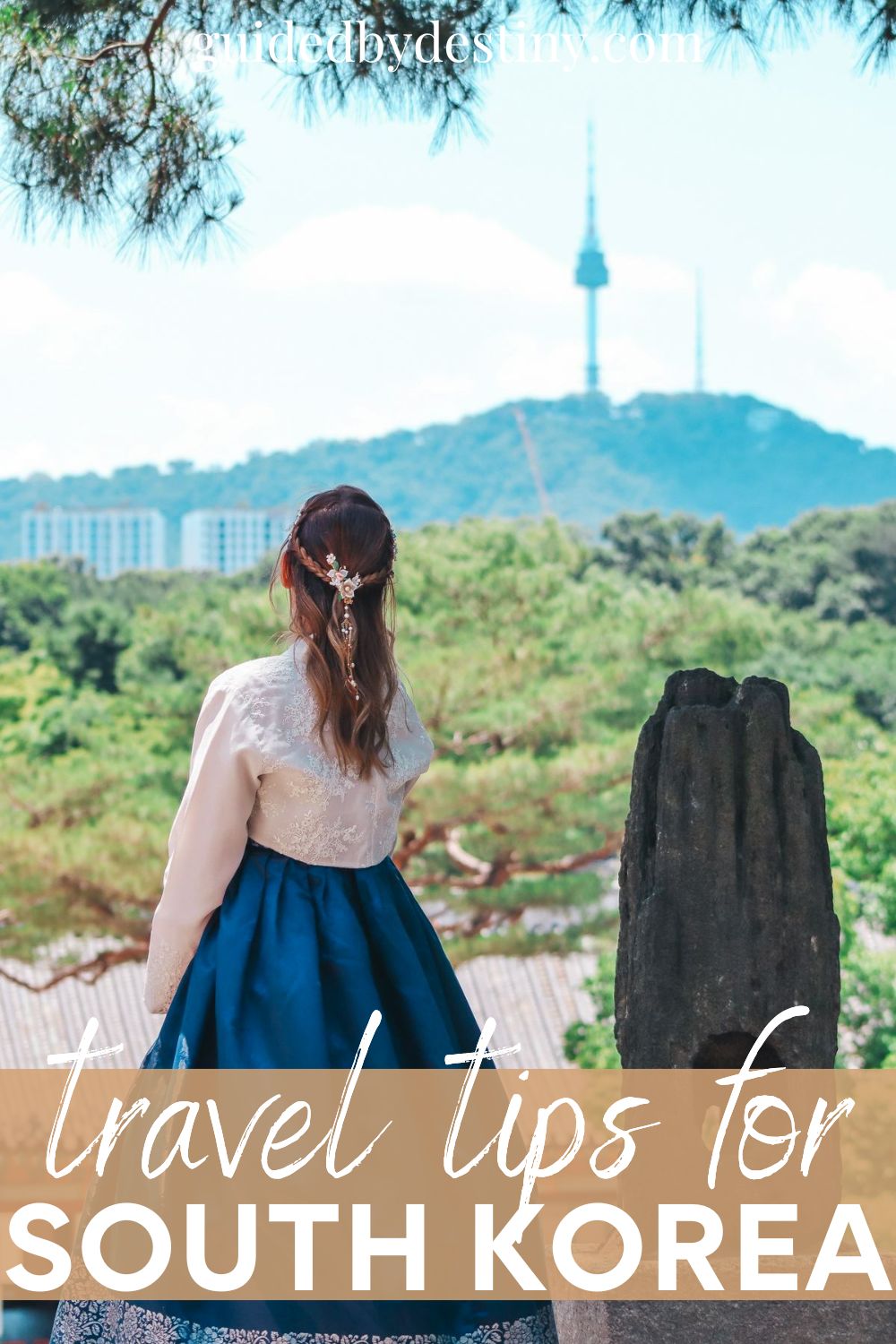
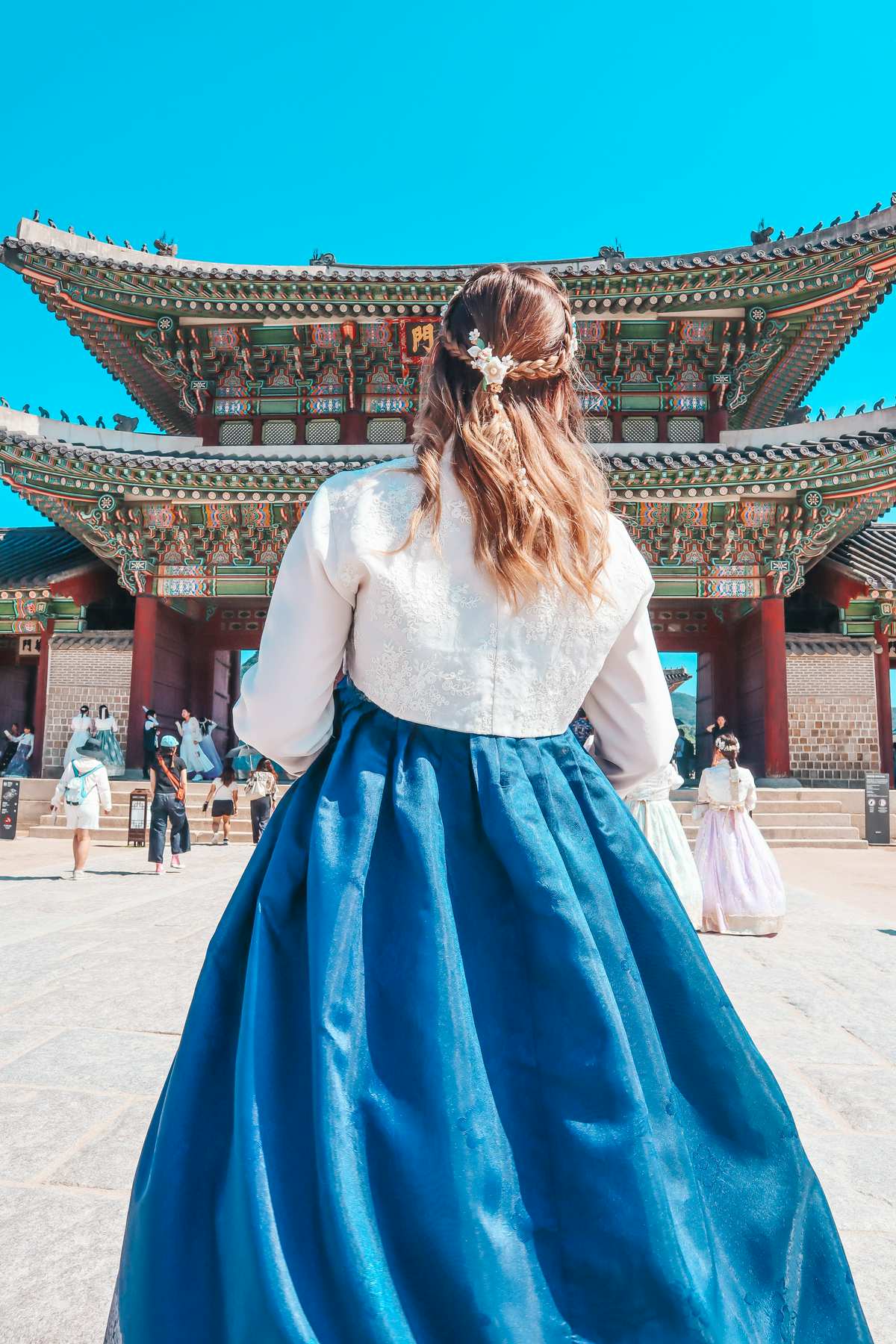
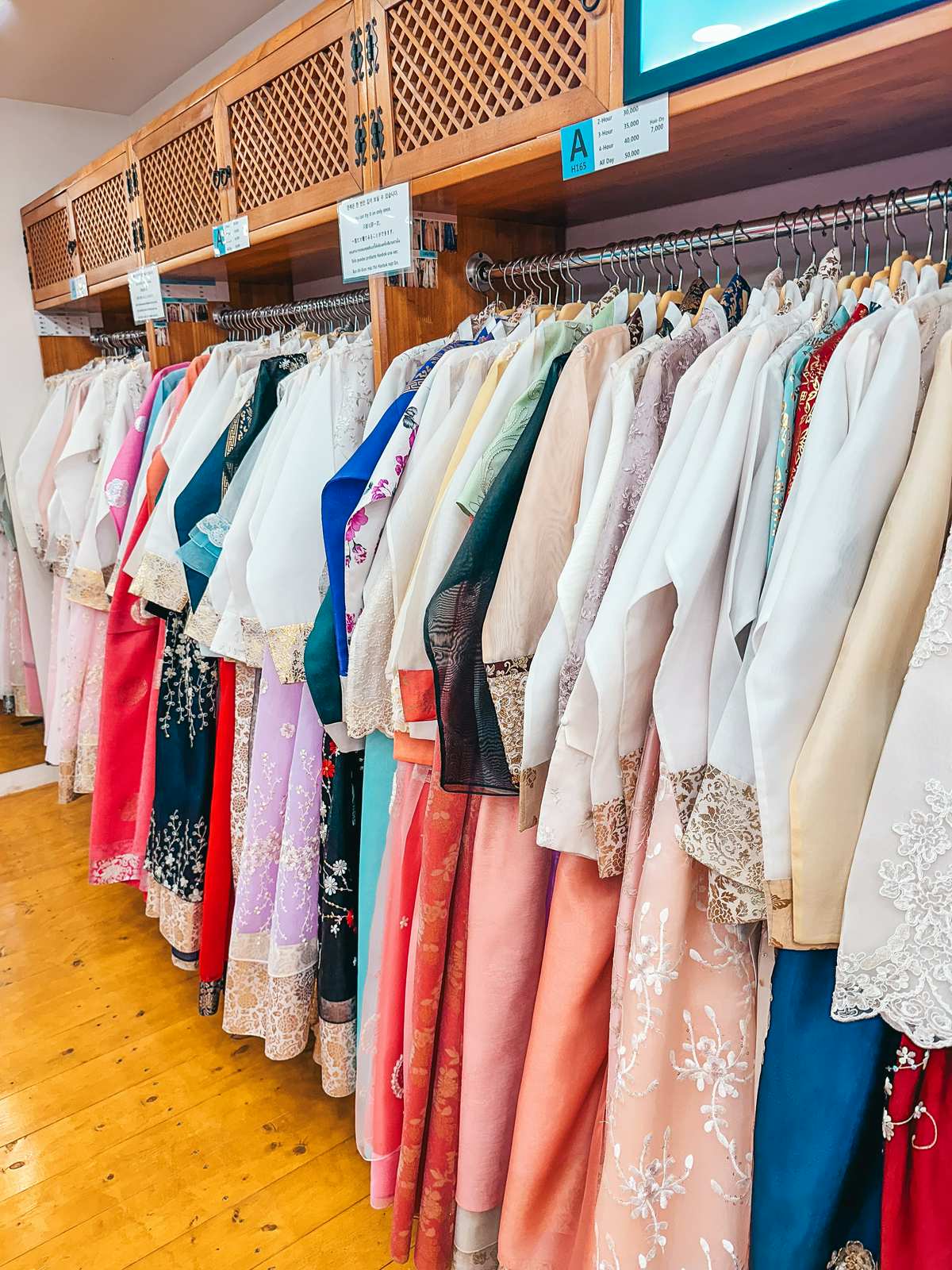
One of my favorite experiences in Seoul was renting a hanbok, the traditional Korean dress. It is such a fun way to experience the palaces, and wearing a hanbok also gives you free access to the palaces.
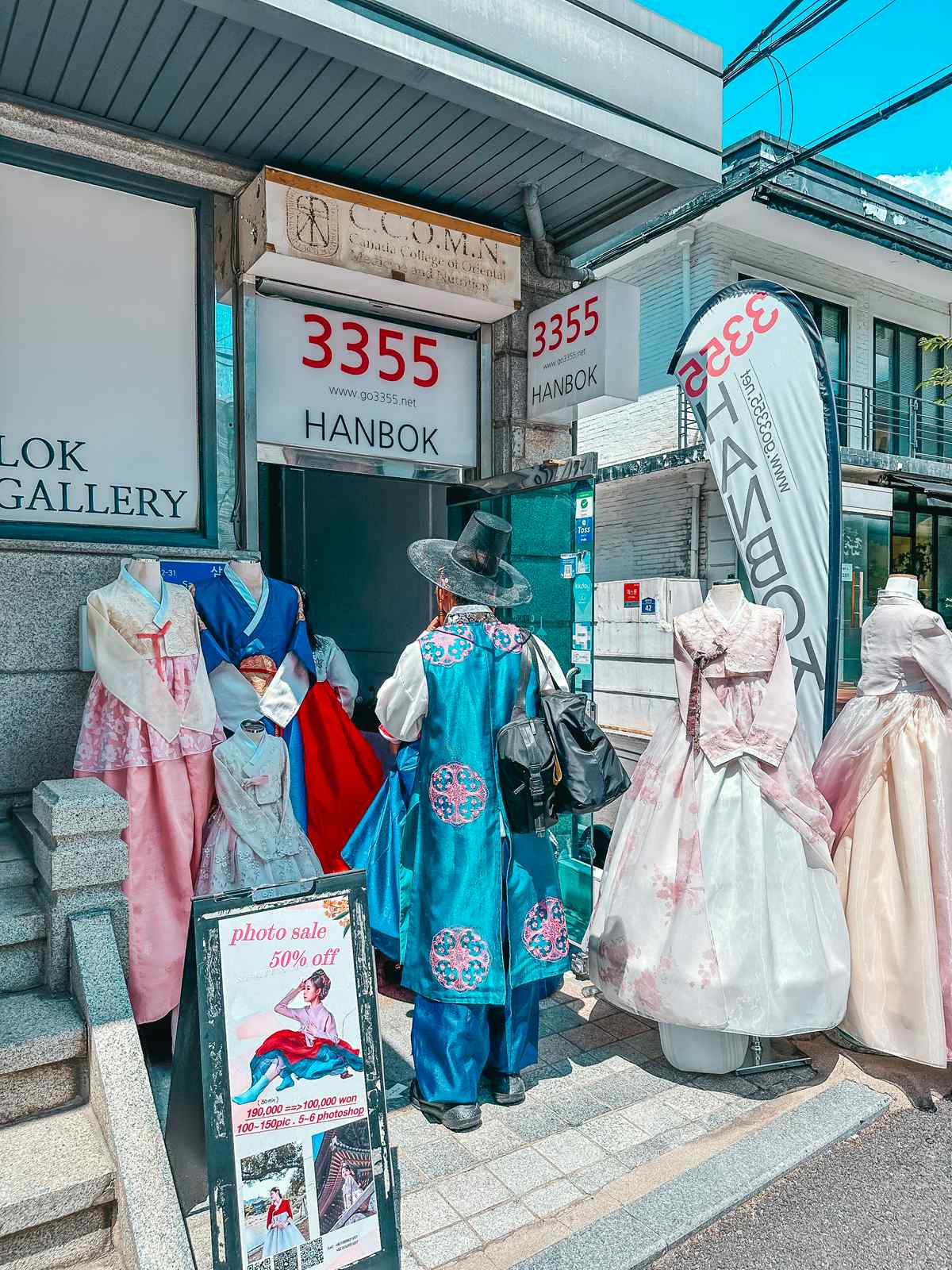
Hanbok rental shops are easy to find near major attractions, and you can choose from so many styles and colors. Even in the summer, I did not feel too hot in mine, and you can rent one for just an hour if you do not want to commit to wearing it all day.
One very real tip: watch your feet if your hanbok is long. Mine covered my feet, and I tripped a few times.
12. Explore Beyond Seoul If You Have Time
Seoul is amazing, but South Korea has so much more to offer. If your trip allows, consider adding places like Busan, Jeonju, or Gyeongju to experience more of the country’s food, history, coastlines, and slower-paced neighborhoods.
For us, this trip was mostly Japan with 5 days split between Seoul and Incheon. I loved that taste of South Korea, but it mostly left me wanting to go back and see more.
13. Learn a Few Basic Korean Phrases
You can absolutely get by as a tourist with translation apps, but learning a few basic Korean phrases is still worth it. Simple words like “hello” (annyeonghaseyo), “thank you” (kamsahamnida), and “excuse me” (sillyehamnida) can make interactions feel warmer and more respectful.
I always feel like even a tiny effort goes a long way when traveling. You do not need to be fluent, just willing to try.
14. Pay Attention to Local Etiquette
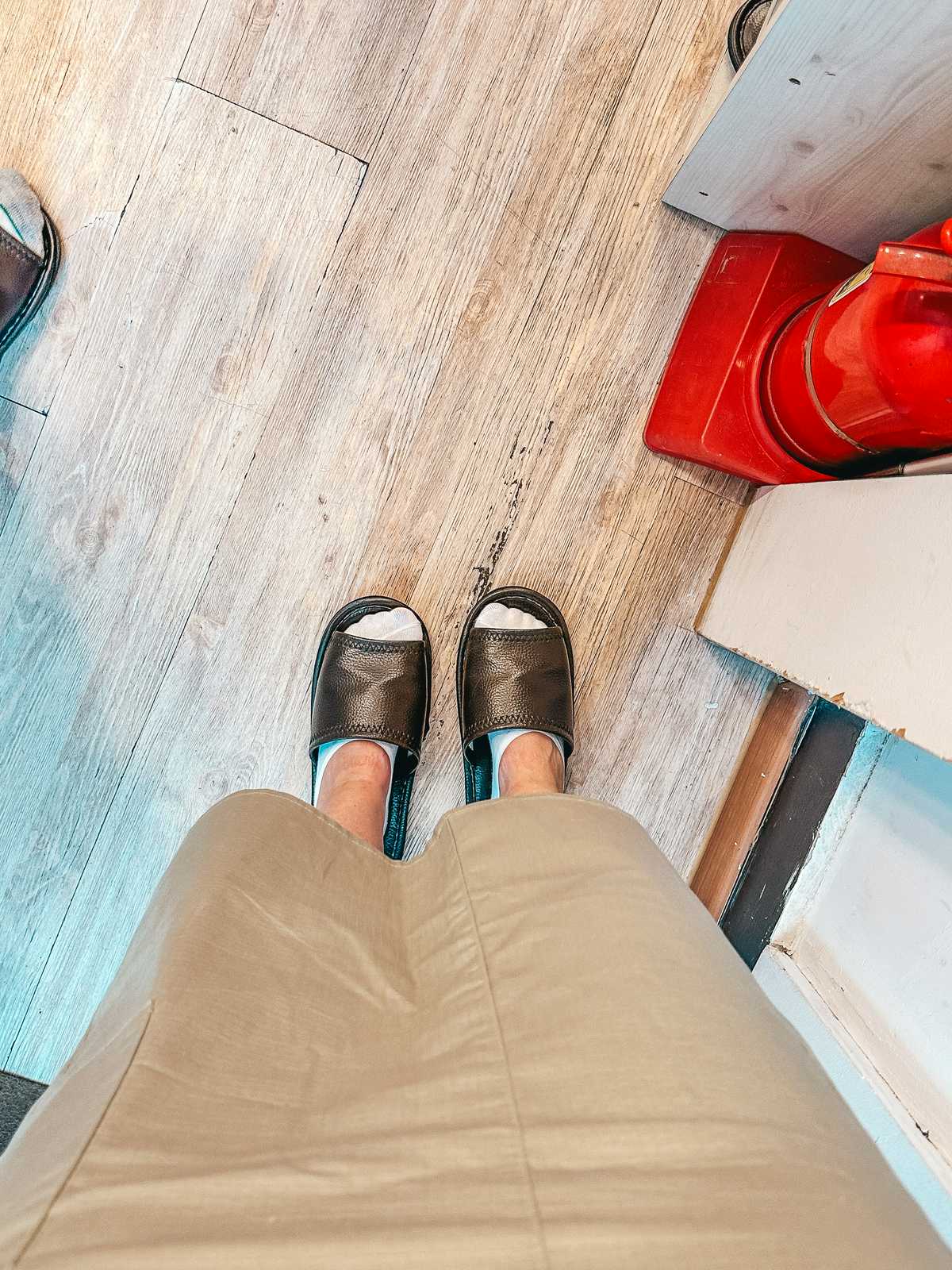
South Korea felt very easy to visit, but there are still a few customs that are helpful to know. You may notice slippers in hotel rooms and a spot near the door where you are expected to remove your shoes. If you enter someone’s home or certain traditional spaces, taking off your shoes is important.
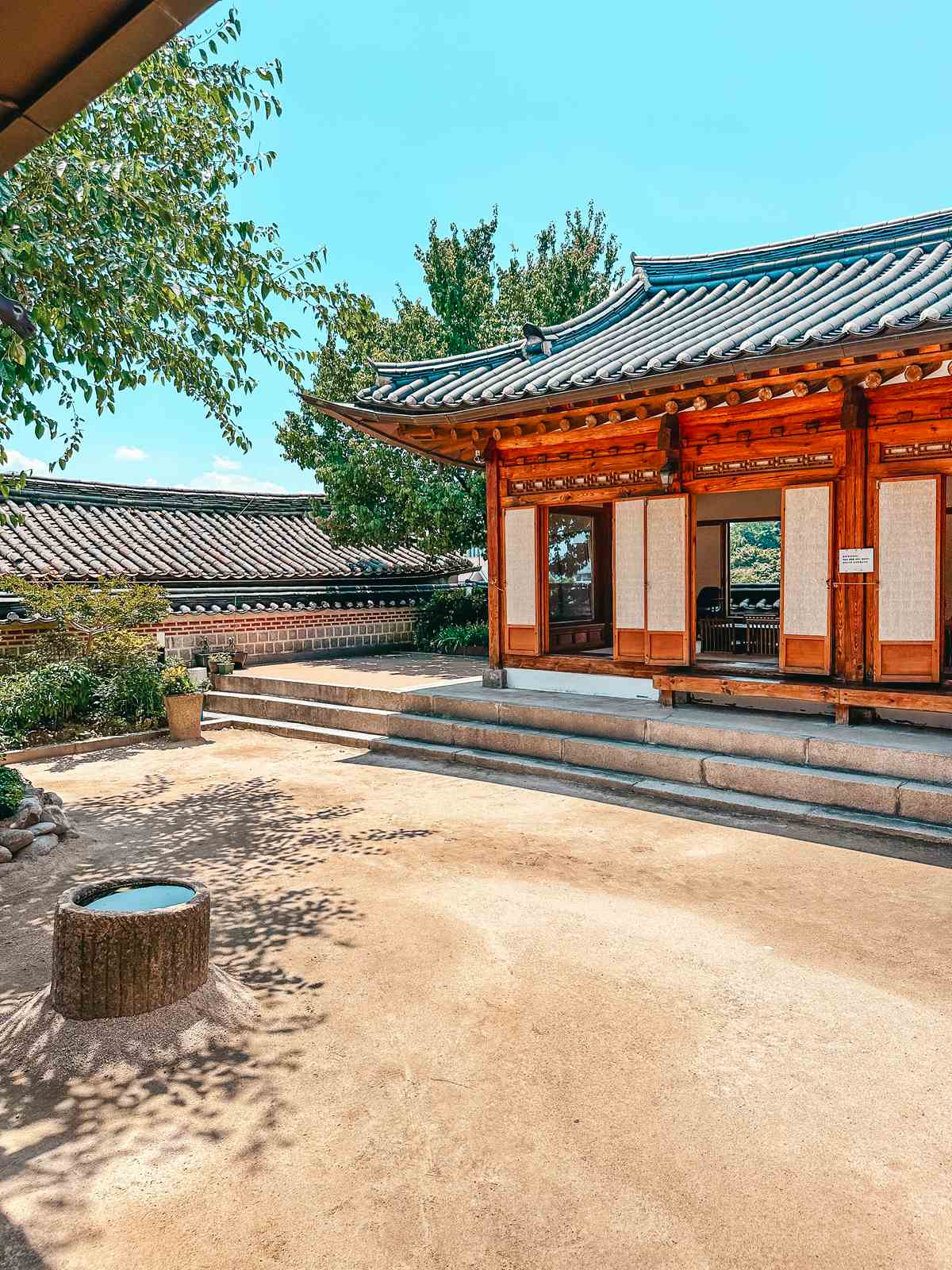
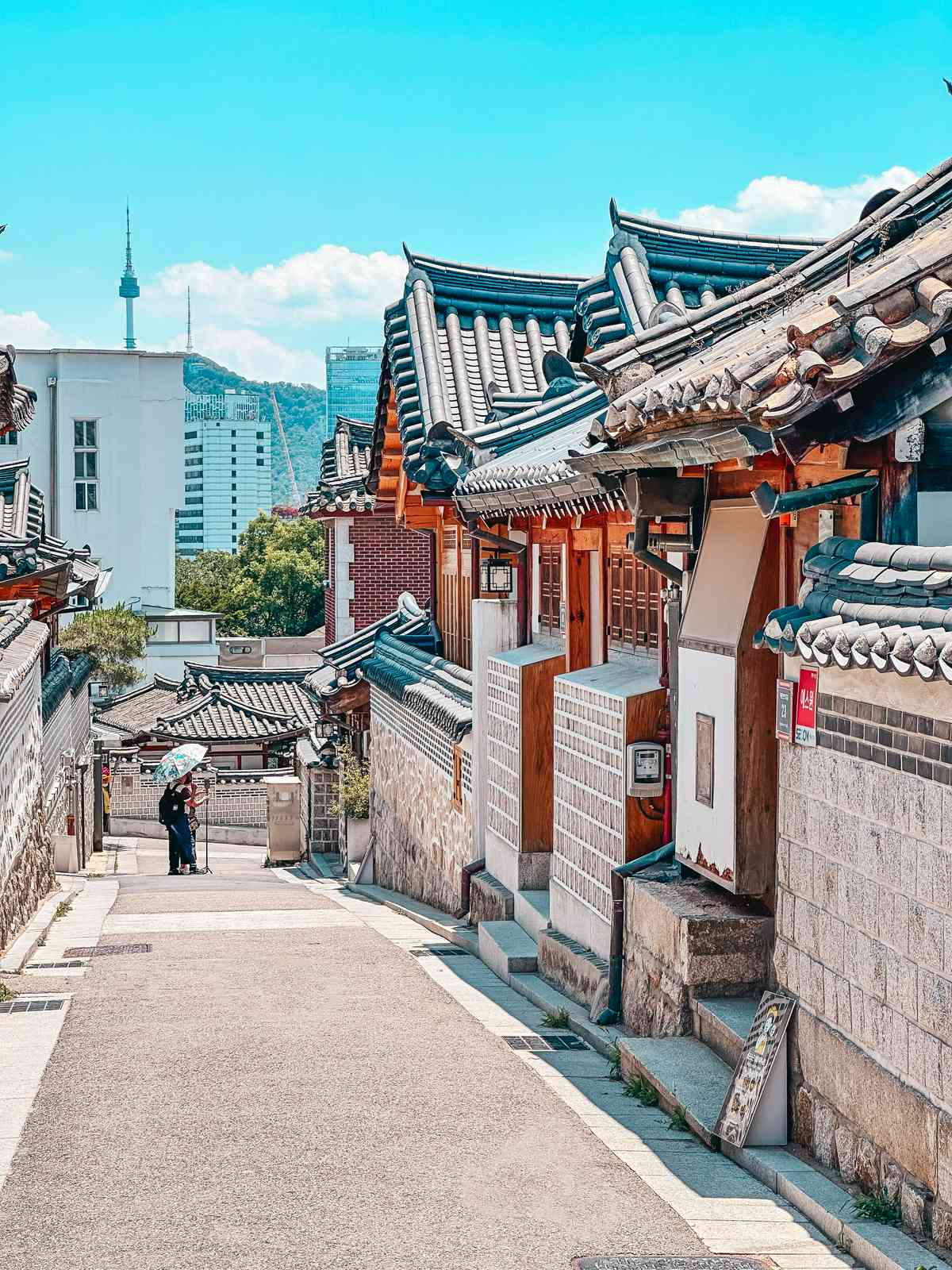
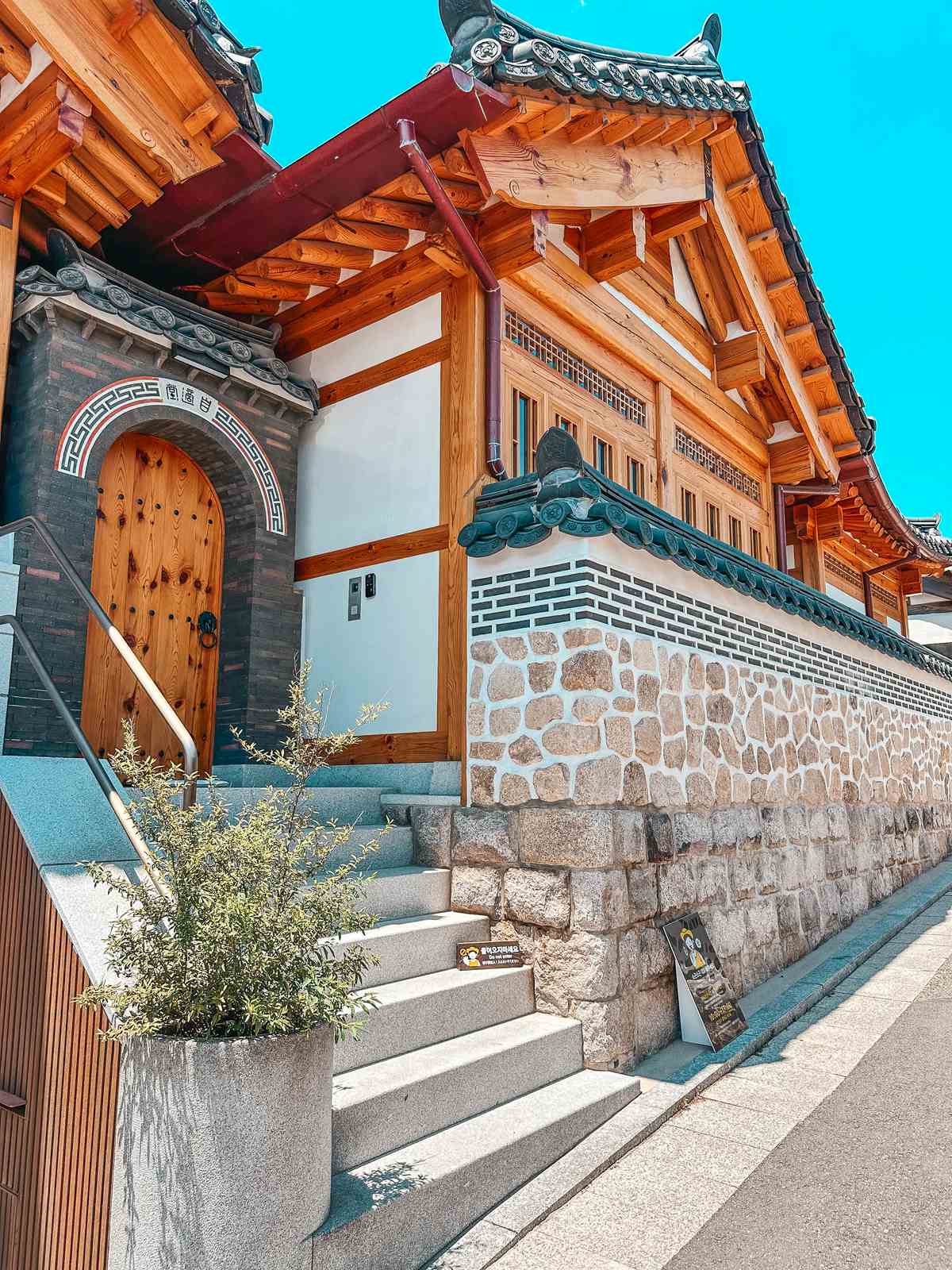
It is also worth being mindful of noise. Public transportation tends to be quiet, and areas like Bukchon Hanok Village have signs reminding visitors that people actually live there. Keeping your voice down and respecting those signs makes a big difference.
15. Explore Local Markets
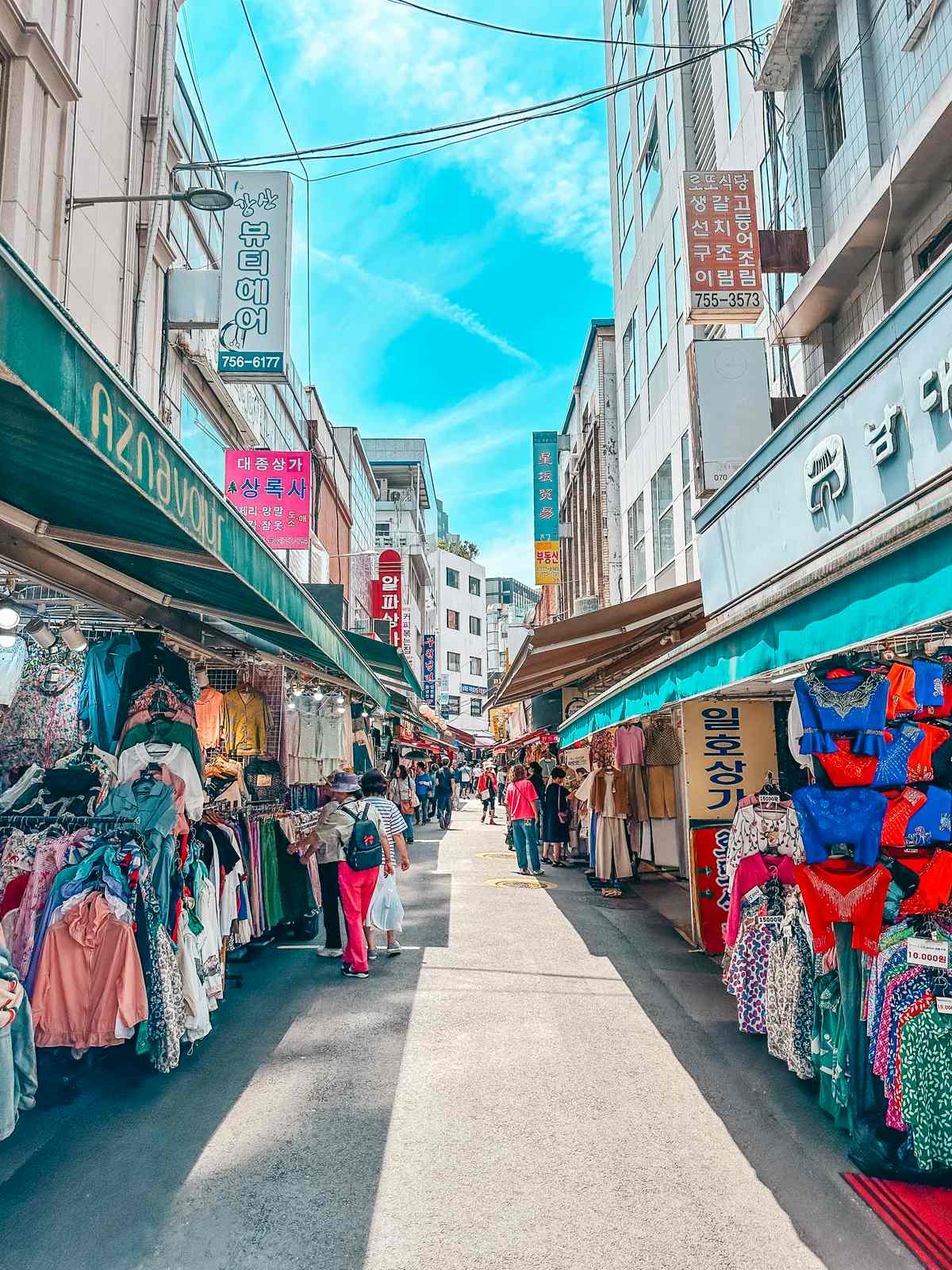
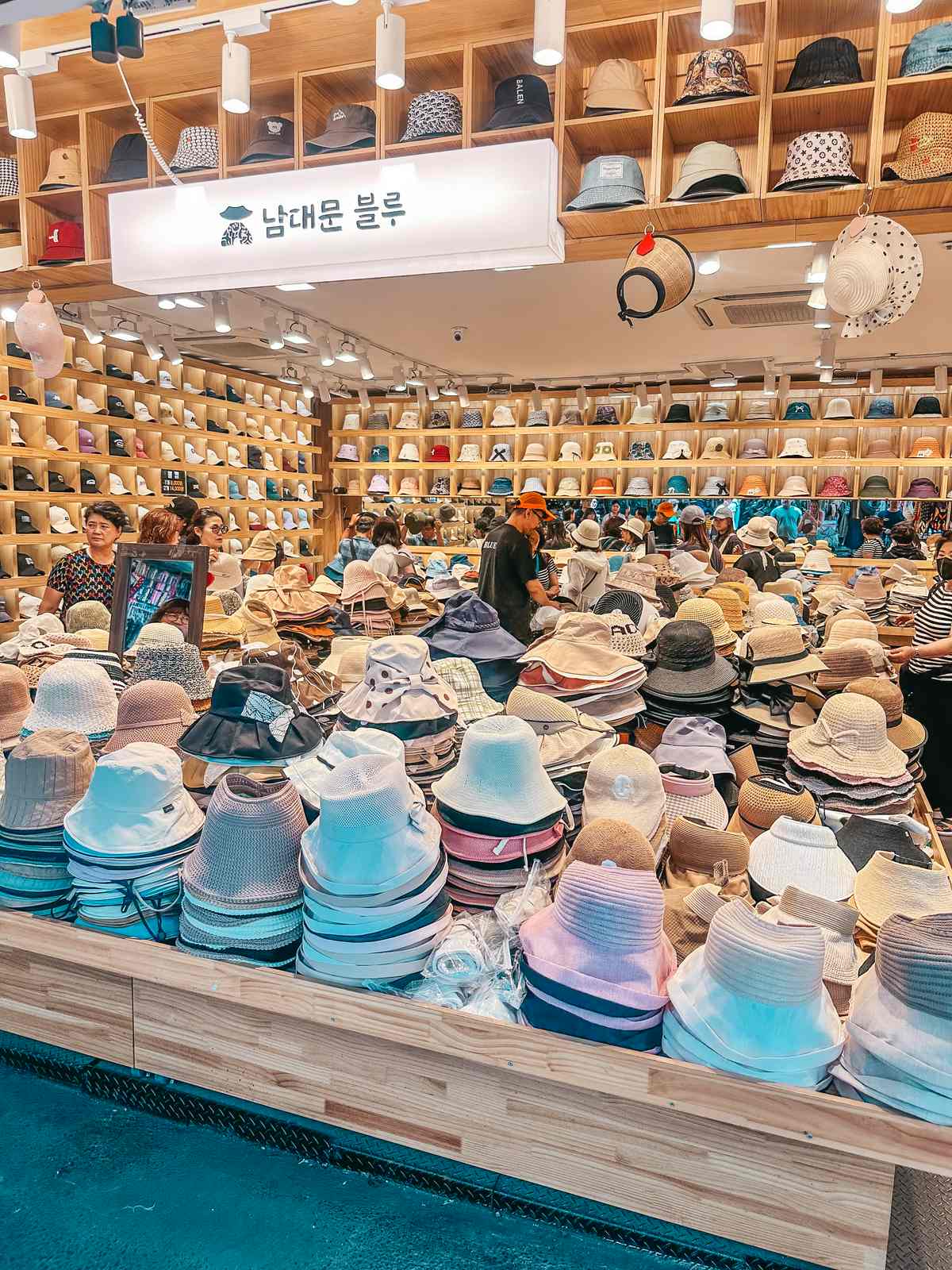
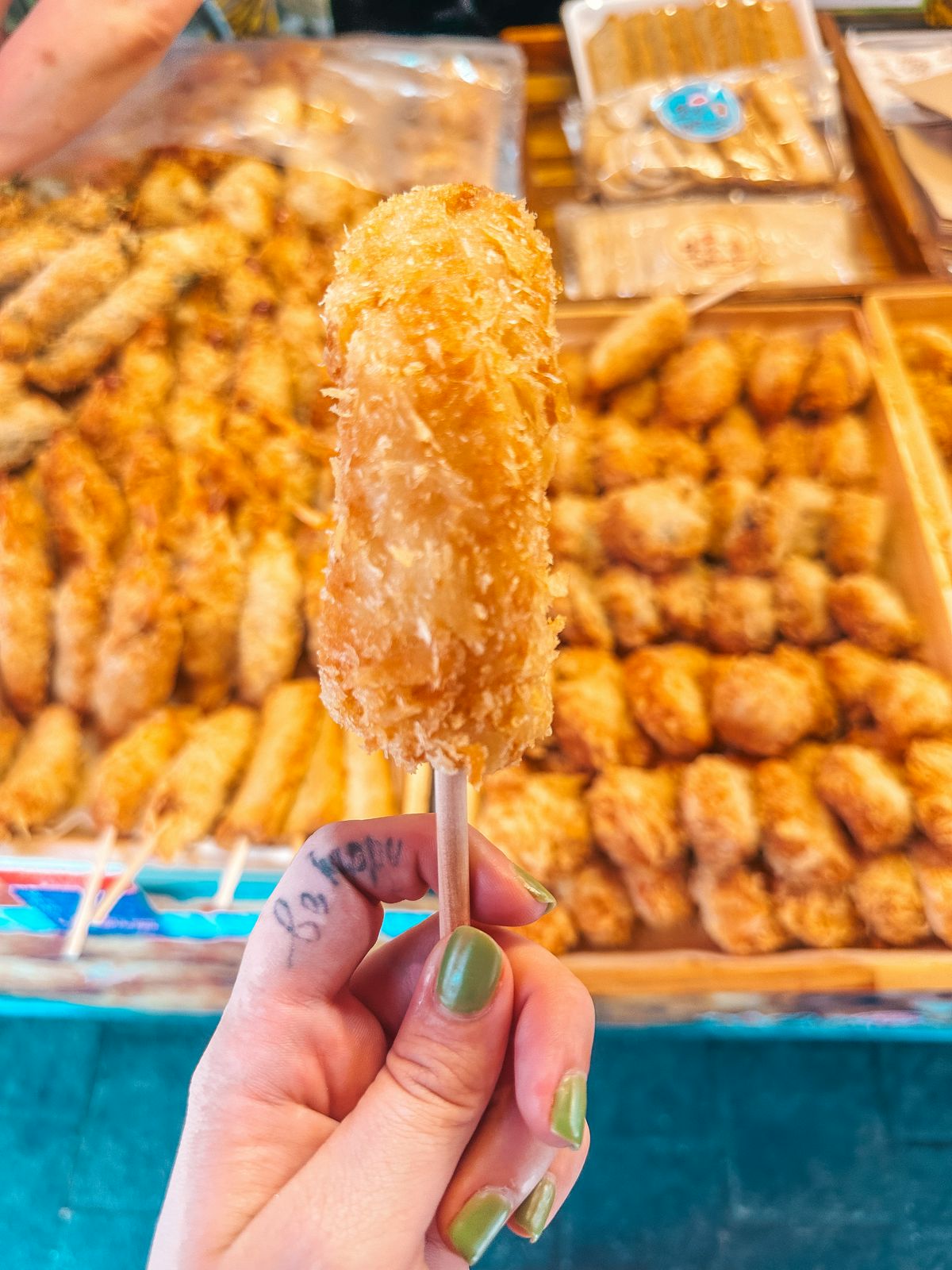
Local markets like Namdaemun Market in Seoul are great for street food, souvenirs, clothing, and just soaking up the energy of the city. The markets were genuinely one of my favorite things we did in Seoul!
This is also where cash comes in handy. I bought snacks, browsed little shops, and even found that affordable suitcase here when my shopping started getting a little ambitious.
16. Try Convenience Store Snacks
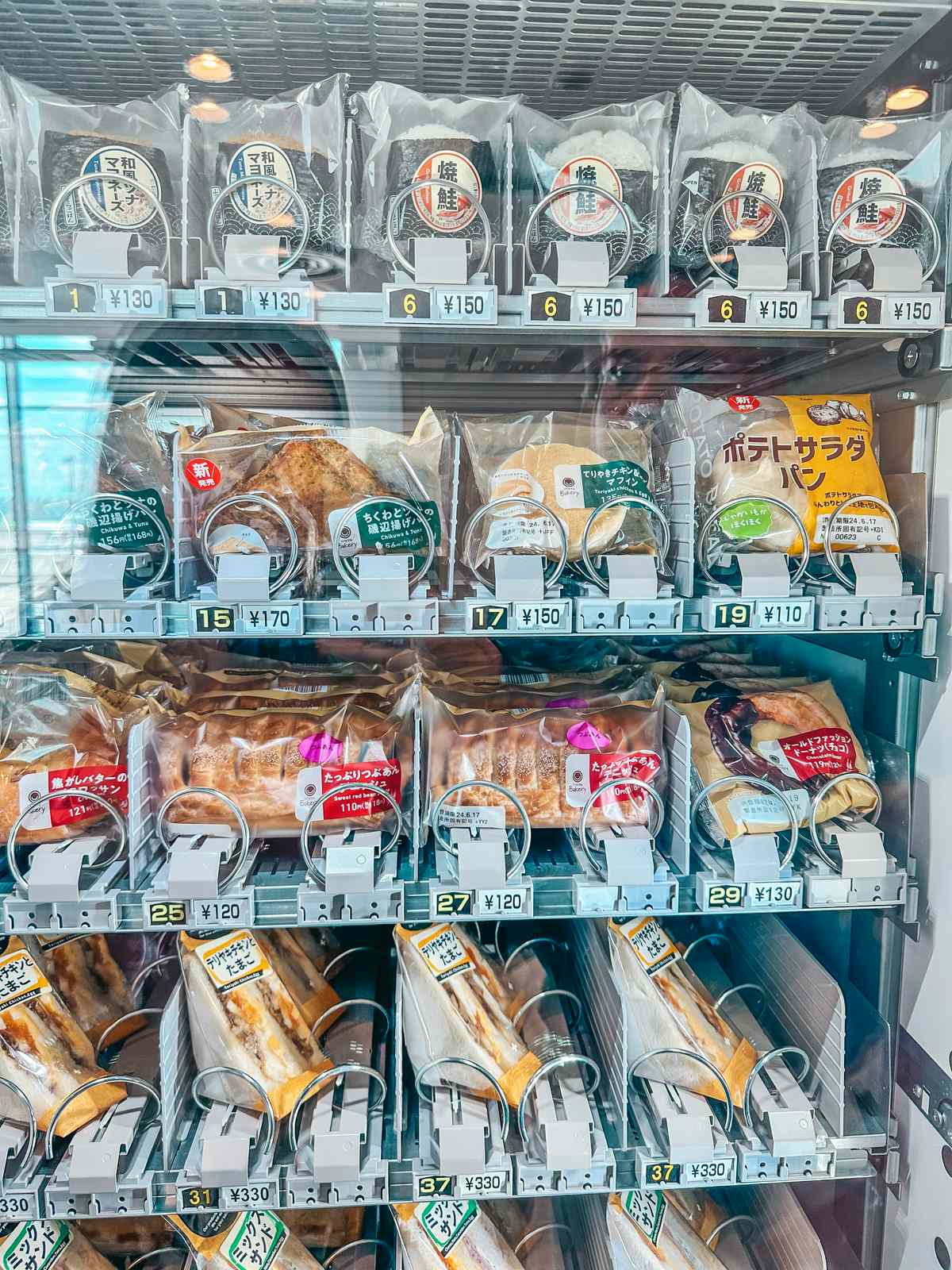
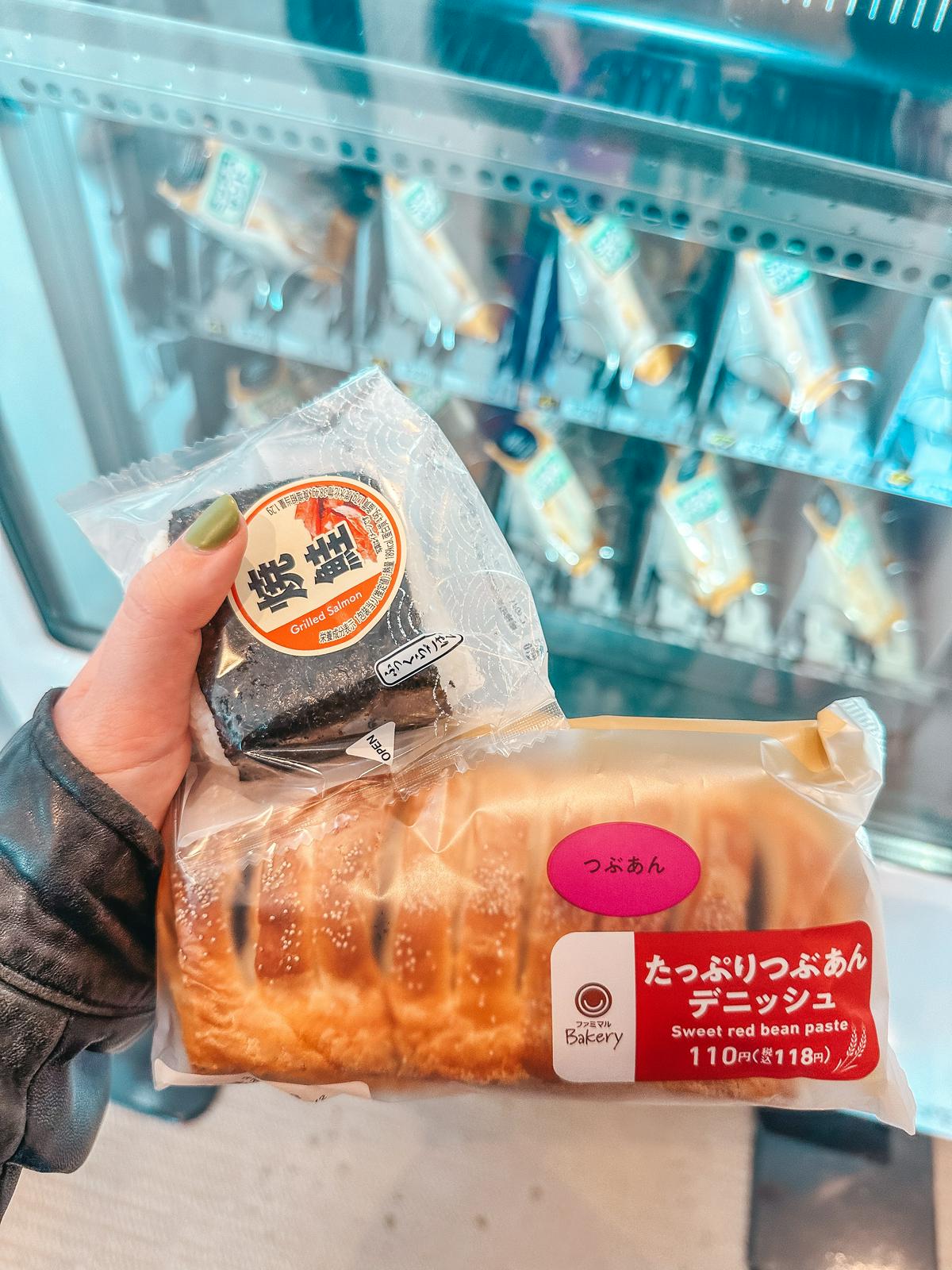
South Korean convenience stores are elite. They are perfect for quick breakfasts, late-night snacks, drinks, and trying things you would never find at home. Be adventurous, because some of the best little food moments happen when you just grab something random and hope for the best.
We tried samgak kimbap, which are little rice triangles with different fillings, and a sweet red bean paste pastry. Both were pretty solid! You will probably also see Turtle Chips, which are a popular Korean snack and very easy to become obsessed with.
17. Visit a Jjimjilbang, But Learn the Etiquette First
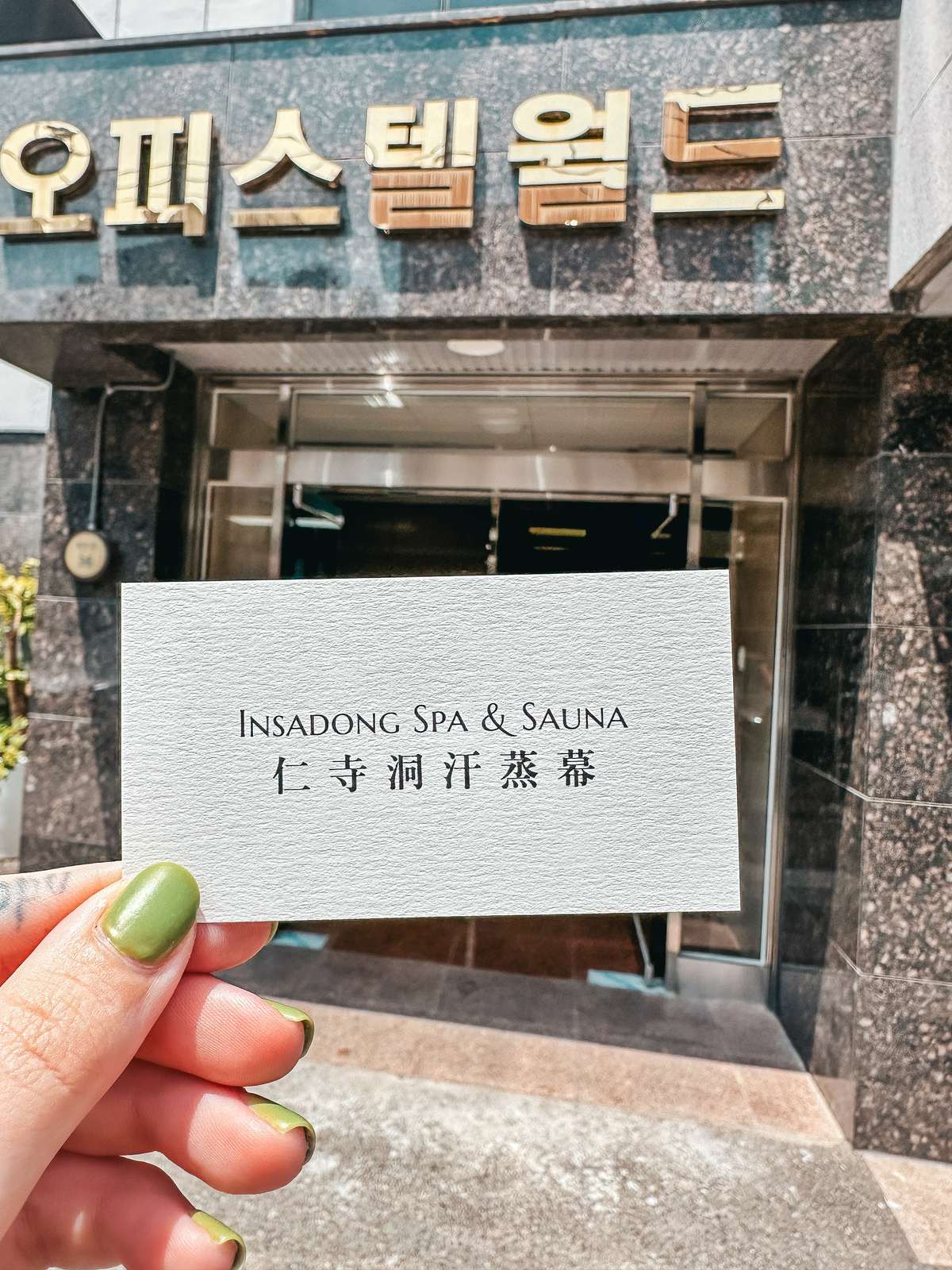
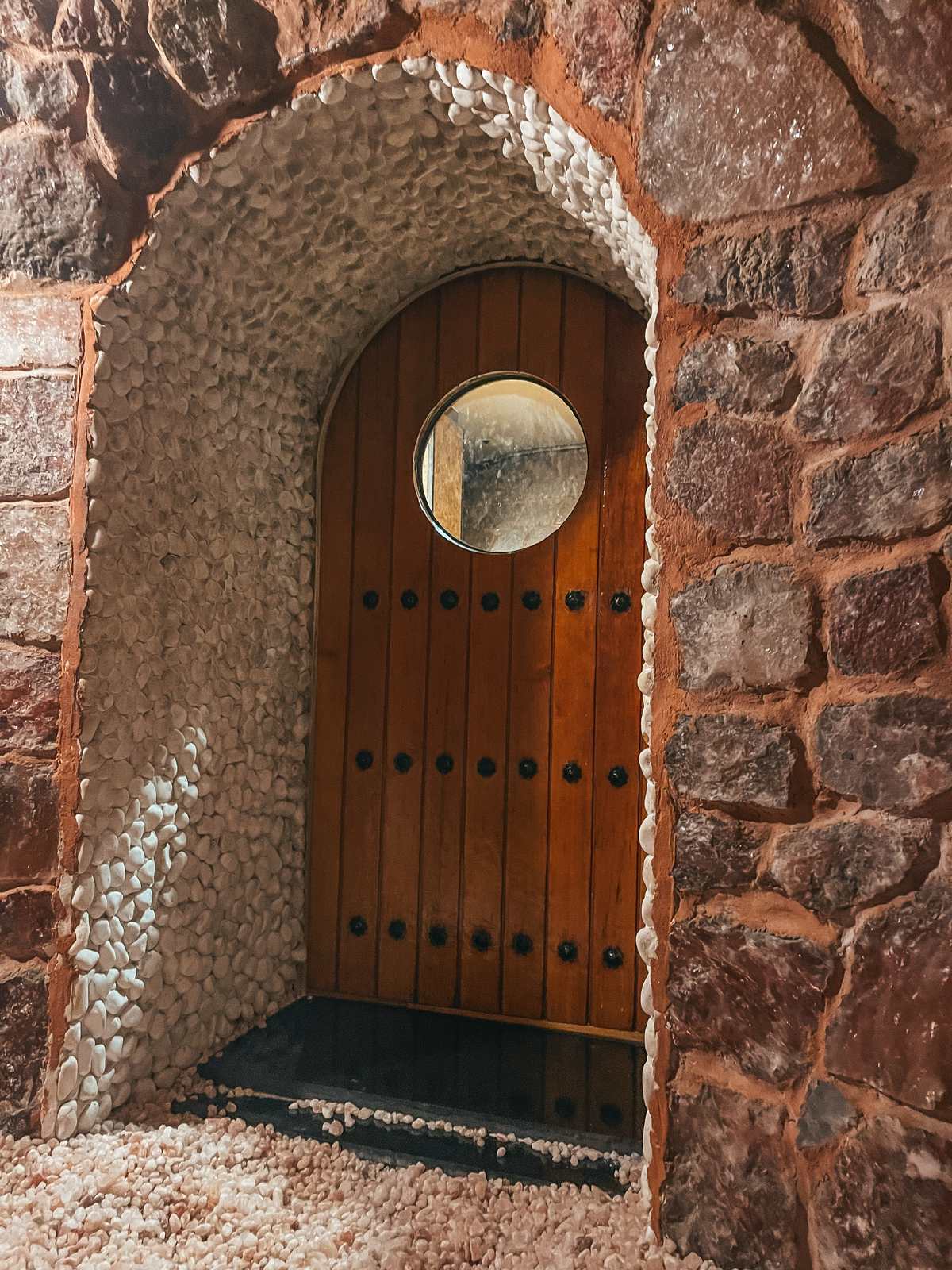
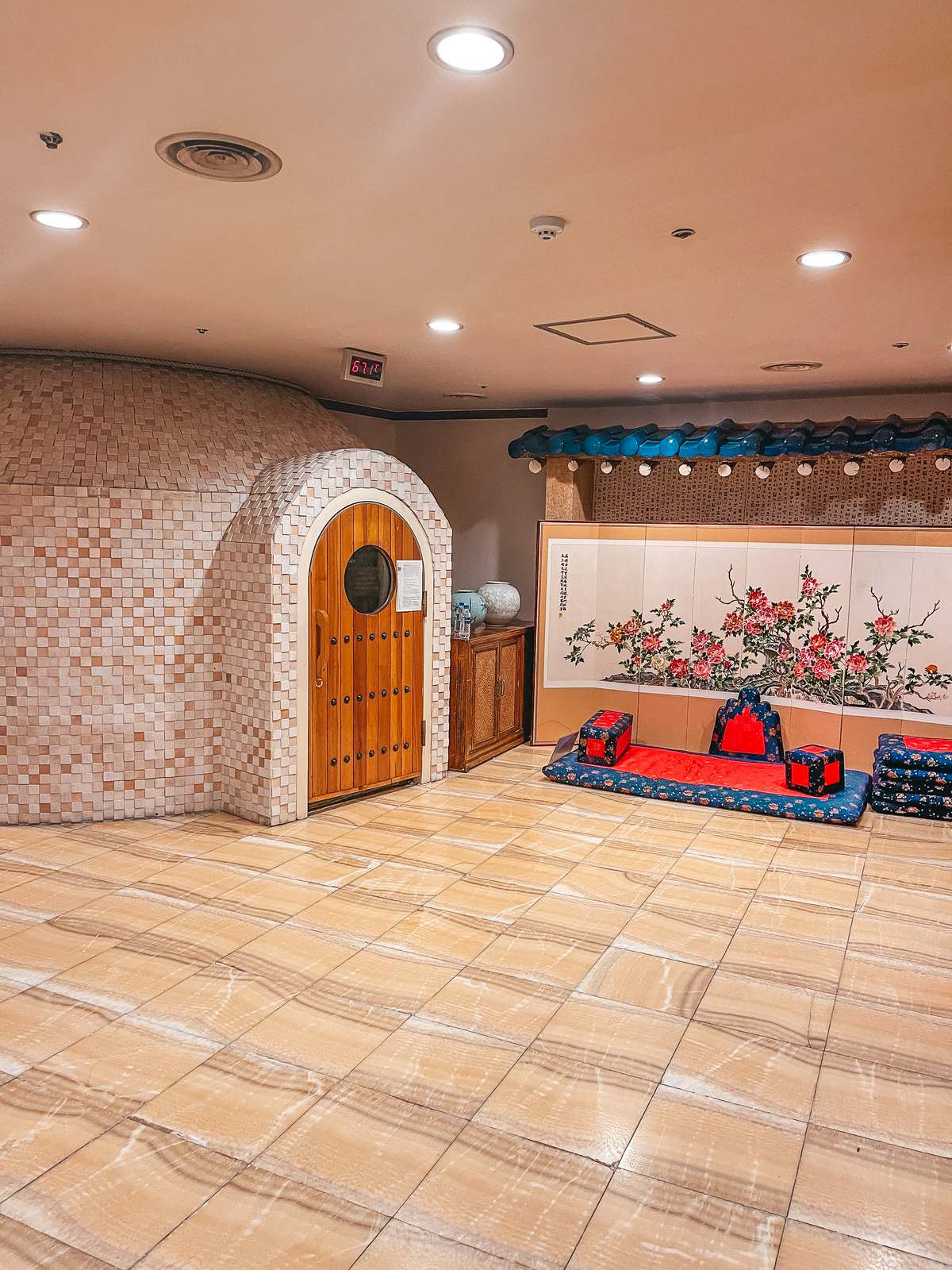
A jjimjilbang is a traditional Korean bathhouse, and it ended up being such a refreshing experience after a few busy travel days. You can soak in hot baths, relax in sauna rooms, and in some places even book massages or spend the night.
The biggest thing is to learn the etiquette before you go, especially showering before entering the baths and understanding which areas are separated by gender.
There was a language barrier at the one we visited, so I was very glad I had read a little beforehand. This jjimjilbang guide is helpful if you want a more detailed etiquette breakdown.
18. Make Time for Korean History
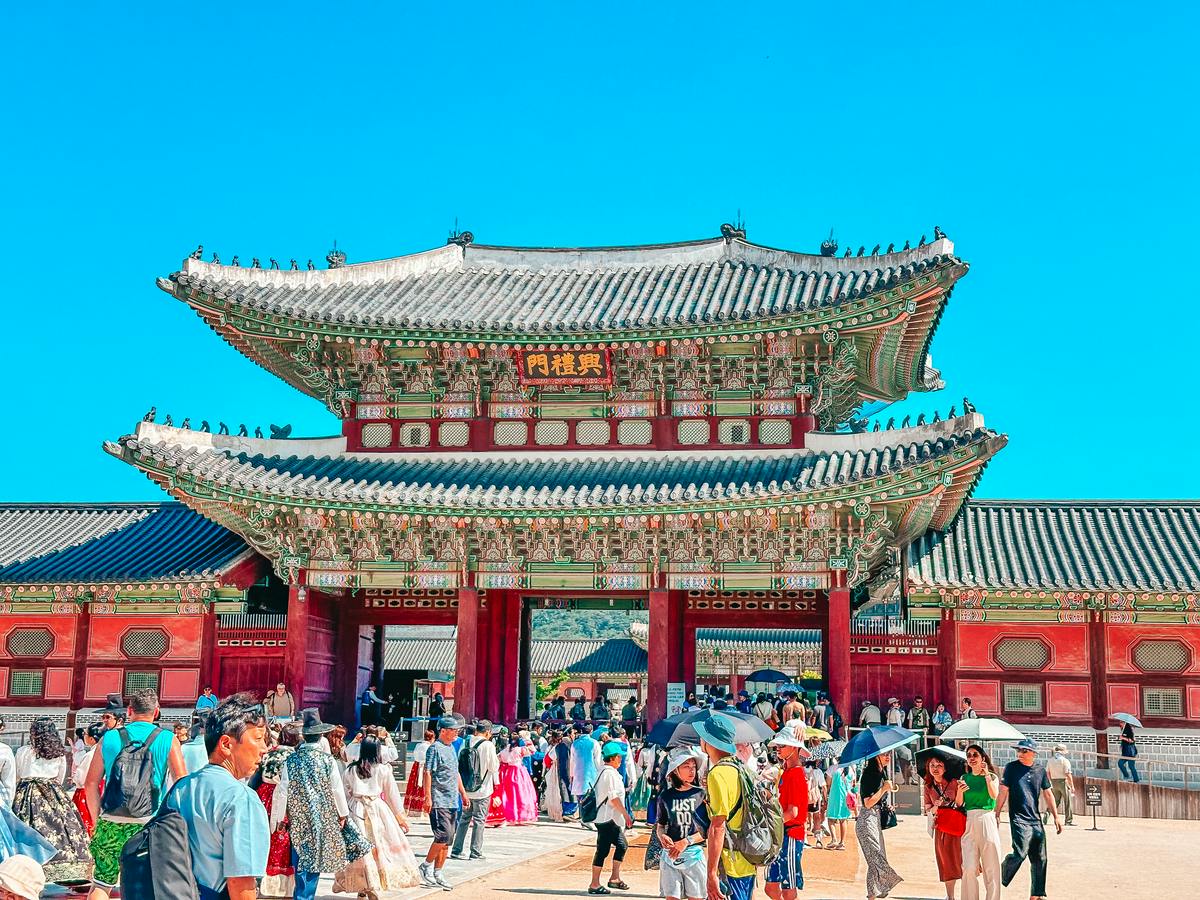
South Korea has such a rich and complex history, and taking time to learn even a little bit makes the trip more meaningful. In Seoul, start with the palaces like Gyeongbokgung and Changdeokgung, then consider adding museums like the National Museum of Korea or the War Memorial of Korea.
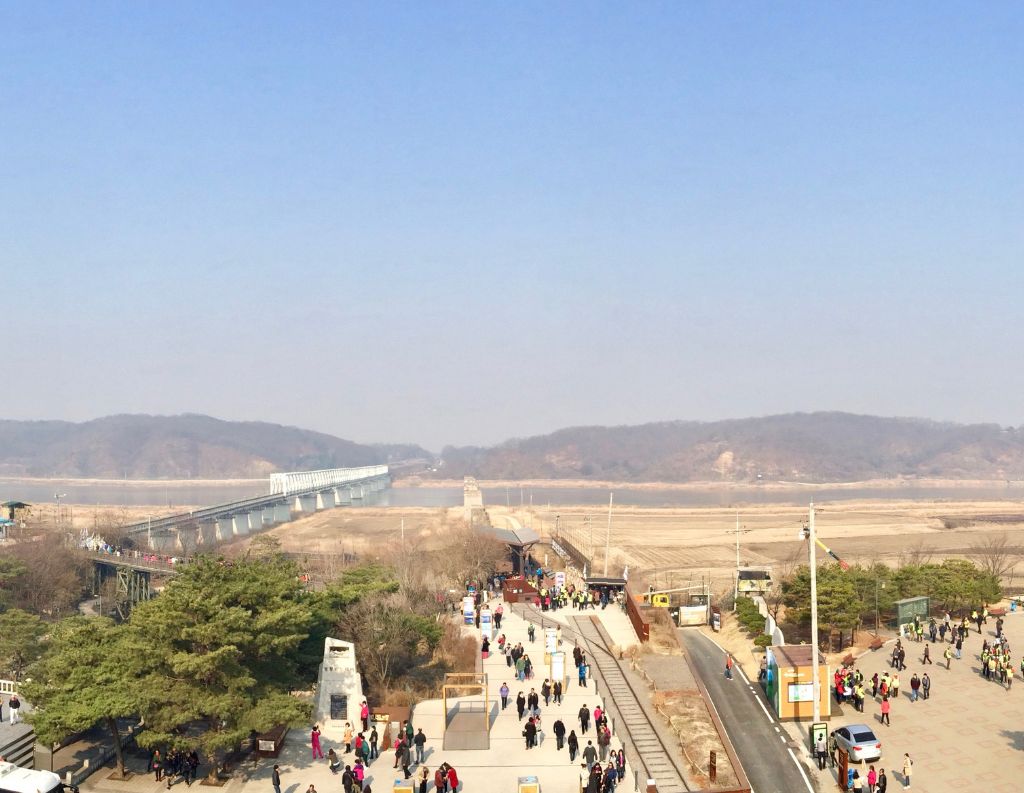
For a powerful day trip, you can also visit the DMZ to learn more about the division of North and South Korea. It is one of those experiences that gives so much more context to what you are seeing and hearing throughout the country.
19. Pack the Right Adapter and Check Your Devices
South Korea uses Type C and Type F plugs, and the standard voltage is 220V. Add a power adapter to your bag so you can keep your phone, camera, and other electronics charged.
Before packing hair tools, double-check whether they are dual voltage. A plug adapter changes the shape of the plug, but it does not always convert voltage, and I would much rather you find that out before accidentally ruining a favorite curling iron.
20. Get Travel Insurance for Big International Trips
Travel insurance is important for any big trip, especially when traveling internationally. Take it from me: during my first big international trip to Europe, I had to cut it short because of a medical emergency, and it was actual hell.
I lost quite a bit of money because I did not have insurance. Now I would rather have coverage for unexpected medical issues, delays, cancellations, or other expensive surprises. Use the tool below to calculate the cost and compare options for your trip!
21. Ask Locals for Food Recommendations
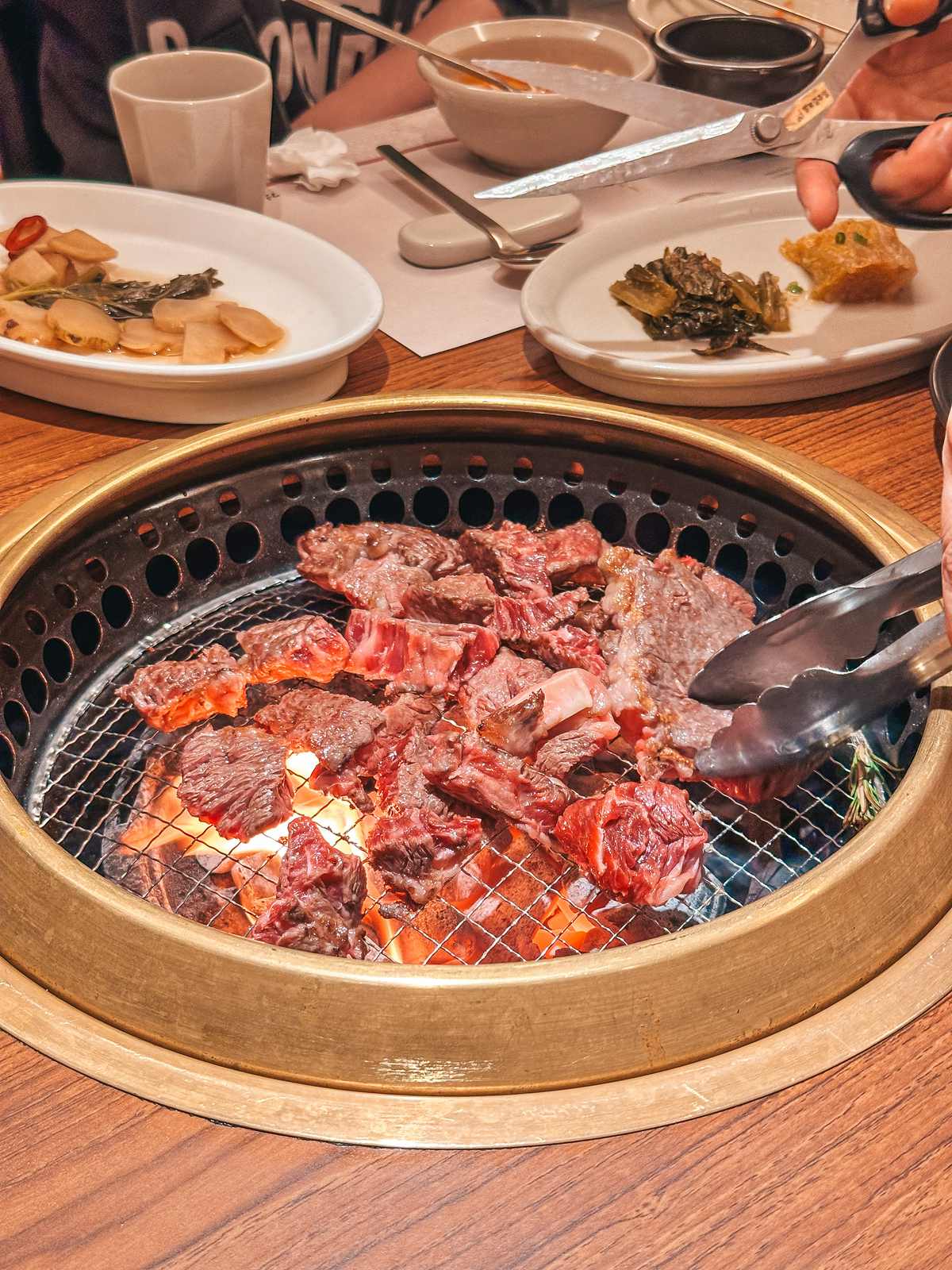
One of our best meals came from asking hotel staff where they would go. We discovered the most amazing Korean barbecue place in Incheon thanks to a recommendation from our hotel!
Of course, ask other locals too, but if there is a language barrier, hotel staff or a concierge can be a really easy starting point. I especially like asking for places they personally go, not just the most tourist-friendly option.
Are you ready to put these South Korea travel tips to use?!
South Korea is such a fun and fascinating destination! A few simple things, like downloading the right maps, getting an eSIM, carrying a little cash, and leaving room in your suitcase, can make your trip feel so much smoother. I already know I want to go back and explore more, but I hope these South Korea travel tips help you feel extra prepared for your own adventure!
Before you go, be sure to follow me on Insta @guidedbydestiny and check out some of my other South Korea blog posts:
Guide to Planning a Trip to South Korea