3 Days in Tokyo: First-Timer Itinerary
This post contains affiliate links, which help support my blog at no extra cost to you!
Trying to plan 3 days in Tokyo can feel a little unhinged at first because this city is massive, layered, and packed with things you’ll want to do! I mean, how are you supposed to narrow down a city with futuristic museums, peaceful temples, neon neighborhoods, incredible food, and some of the best city views in the world?
This 3-day Tokyo itinerary is exactly what I’d recommend for a first trip if you want a mix of iconic sights, food markets, temples, shopping streets, skyline views, and only-in-Japan experiences without feeling like you’re sprinting from one place to the next. It’s busy, because Tokyo kind of demands that, but it still leaves room to wander, eat, and enjoy the little moments that make the city so fun.
Is three days enough to see everything? Absolutely not. Our 10 days in Japan were packed to the brim, and even then I left already dreaming about another visit. We also arrived after spending 3 days in Seoul, so by the time we got to Tokyo, we had finally figured out public transportation enough to not feel completely lost every five seconds. Small victories!
We visited during the rainy season in summer, so a few plans got drenched, but Tokyo still delivered. If anything, it made me appreciate having indoor backups, pre-booked tickets, and a flexible mindset.
Before diving in, I’d also skim my Japan trip planning guide and Japan packing list so you can show up feeling prepared, not panicked.
3-Day Tokyo Itinerary
If You’re Short on Time…
Day 1
Morning: teamLab Borderless + Coffee
teamLab Borderless
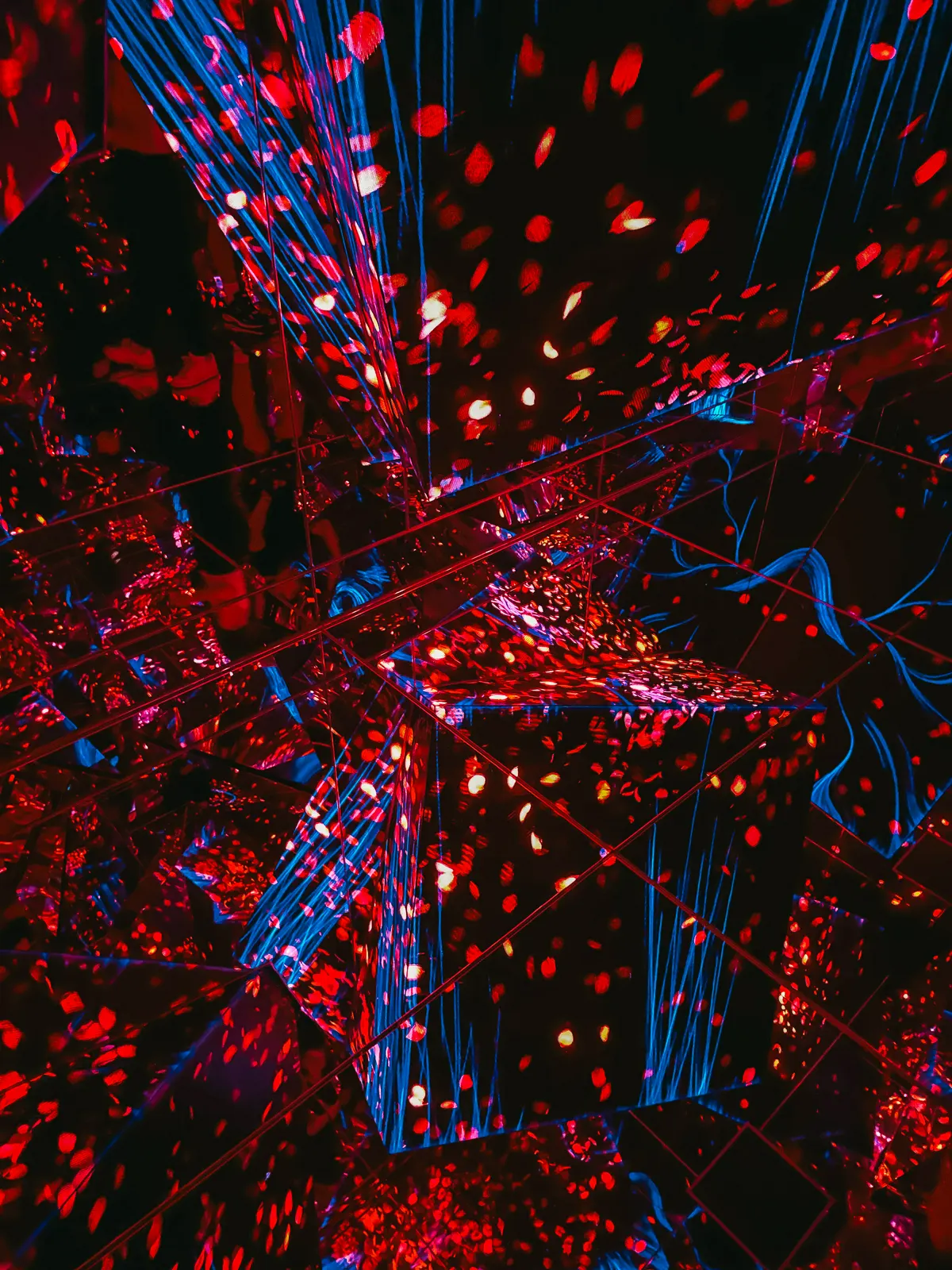
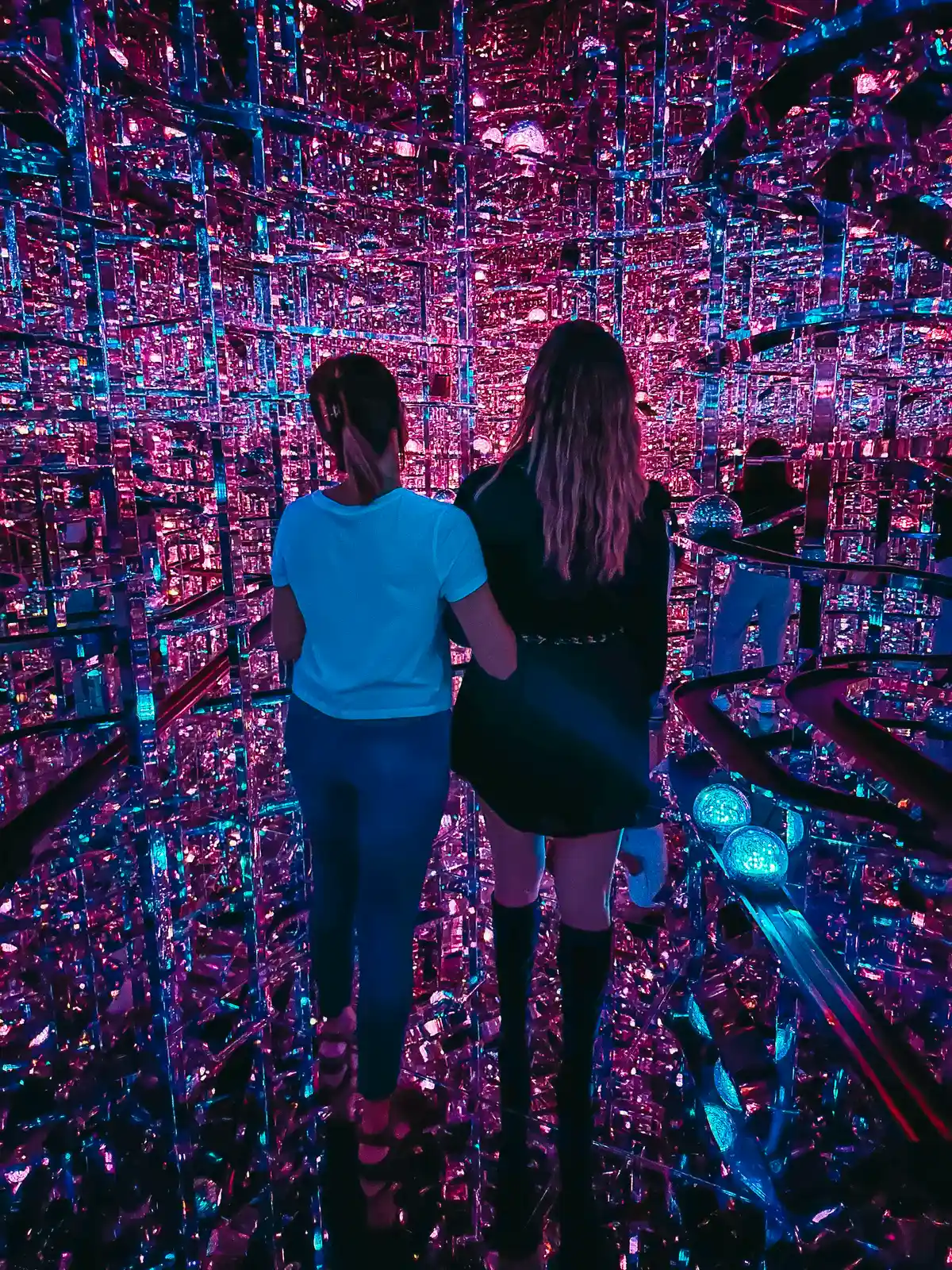
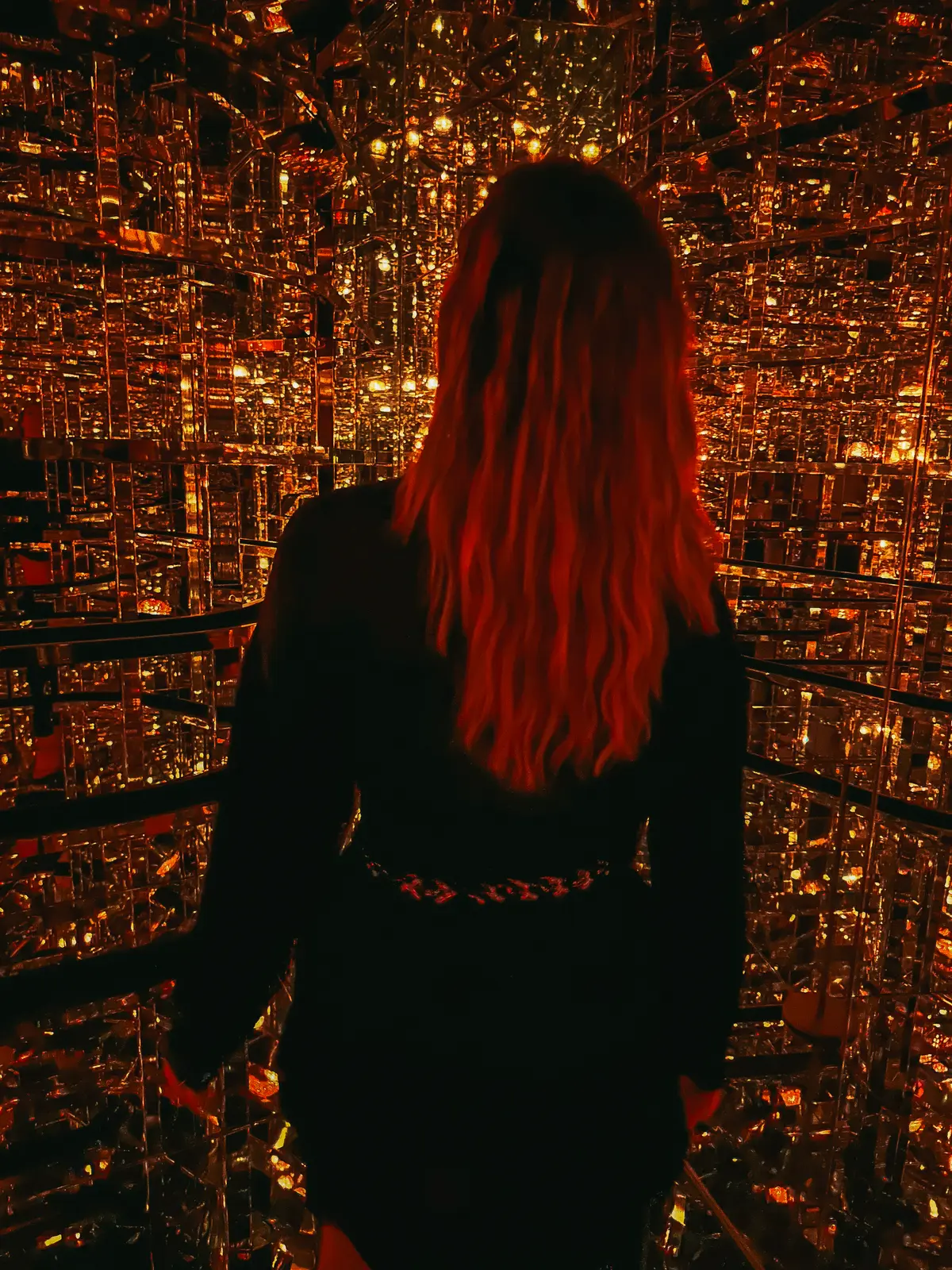
Start your first morning at teamLab Borderless, a mind-bending digital art museum inside Azabudai Hills. It’s immersive, a little disorienting in the best way, and so much more fun when you’re not fighting peak crowds.
Instead of a traditional museum where you move from one labeled exhibit to the next, this feels more like wandering through a dream. You’ll move through rooms filled with interactive light displays, floating lamps, mirrored spaces, and constantly shifting visuals.
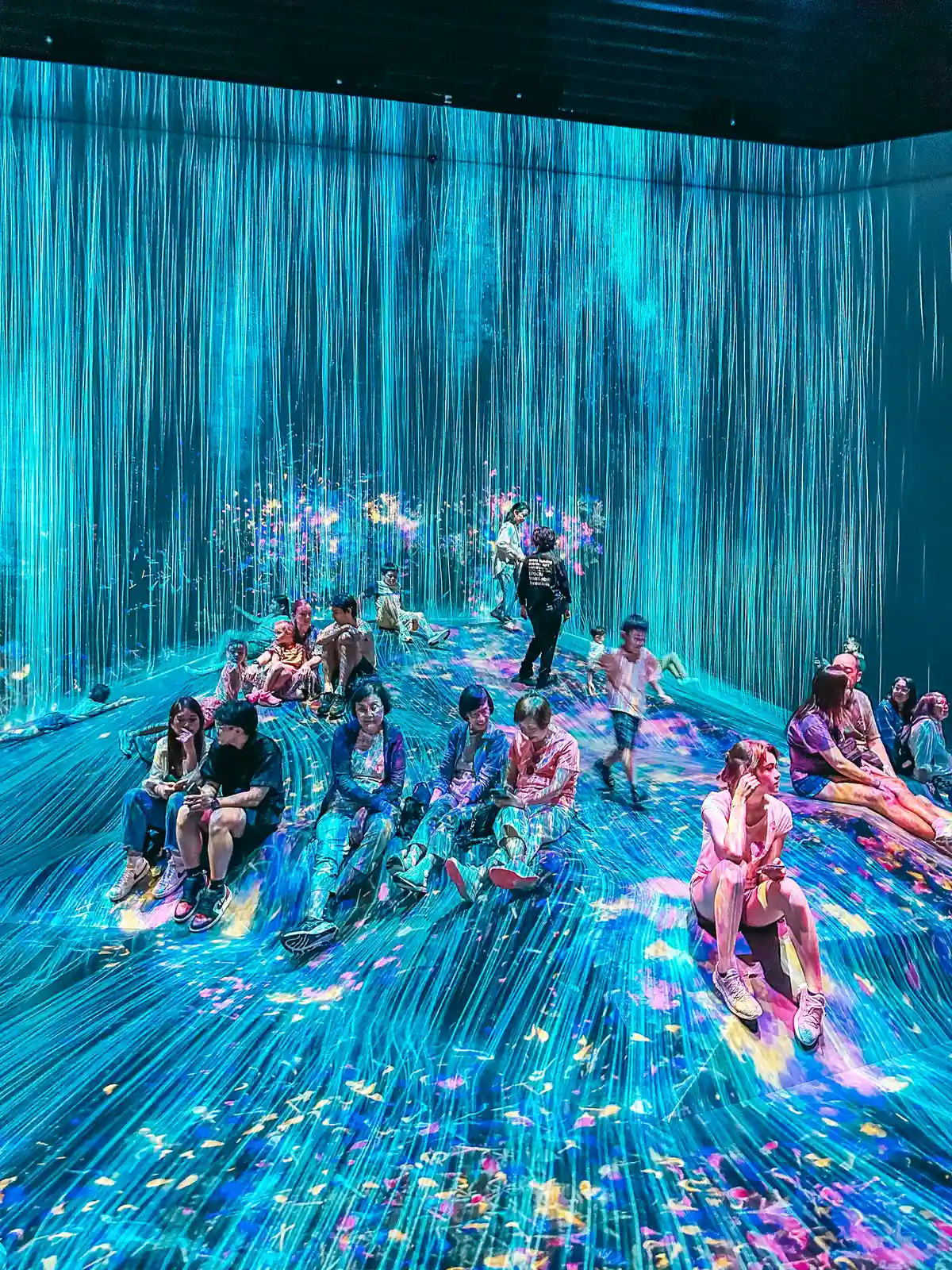
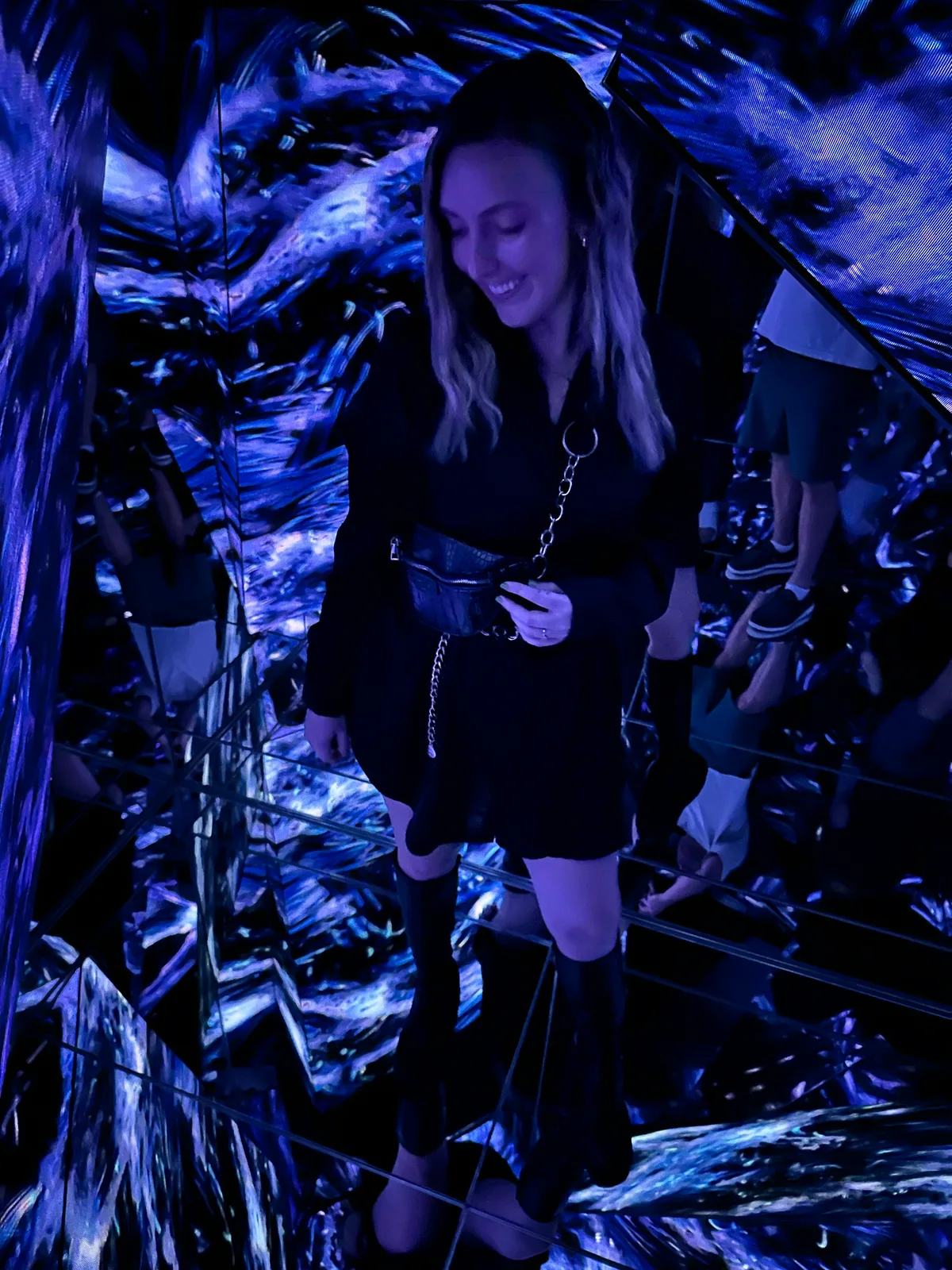

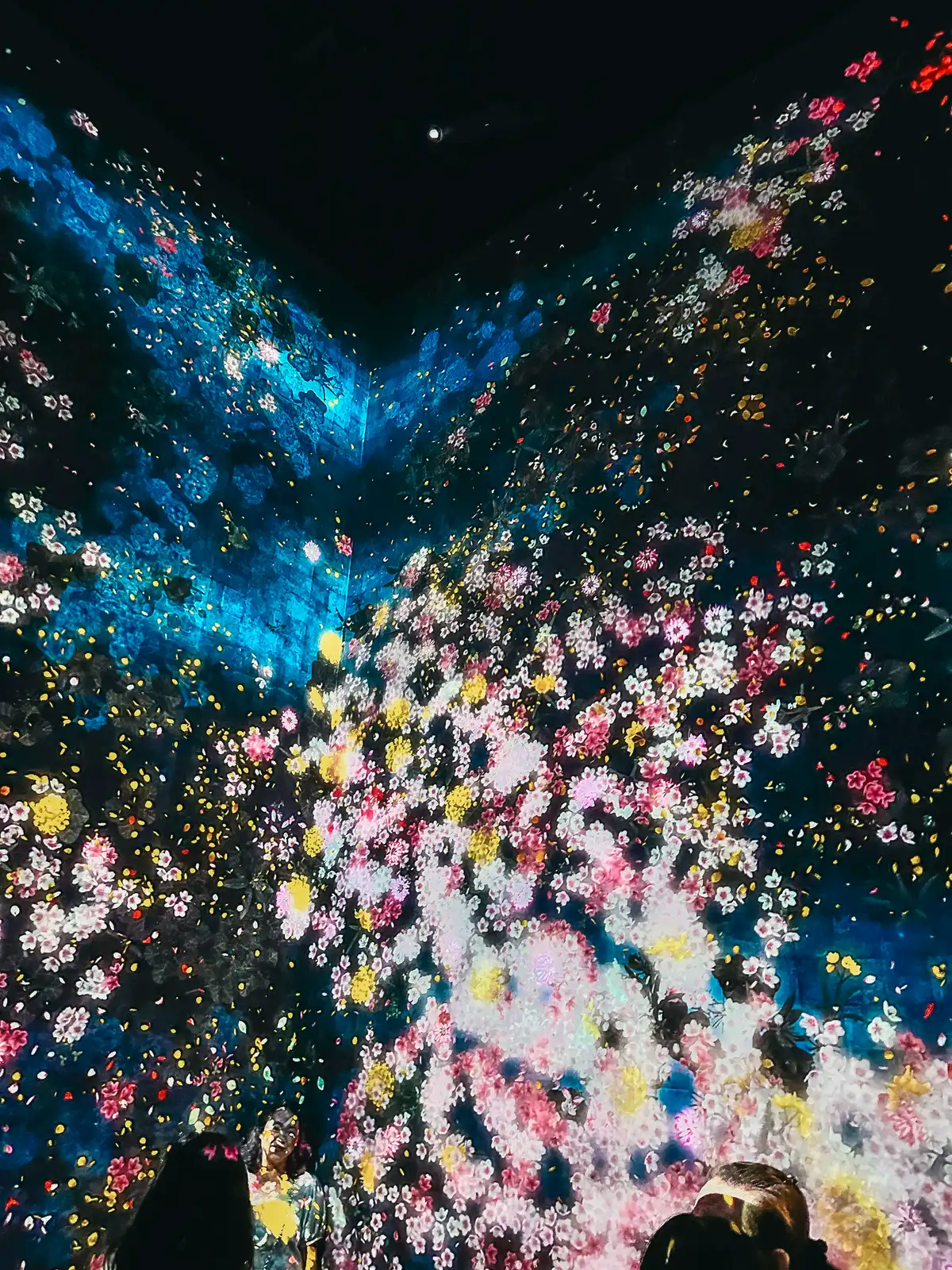
Borderless vs. Planets
One of the biggest questions I had before our trip was whether to do teamLab Borderless or teamLab Planets. Borderless feels more expansive and maze-like, with no set route and exhibits that flow into each other. Planets is more structured, with a smaller number of large-scale installations that feel more physical, including areas where you walk through water.
If you want the more hands-on, sensory experience, Planets may be the better fit. If you want to wander, explore, and feel like you’re discovering rooms as you go, I’d choose Borderless. For a first Tokyo visit, I was really happy with Borderless because it felt easy to pair with coffee, lunch, and Tokyo Tower afterward.
Both museums are insanely popular, so you’ll want to book your tickets well in advance, especially if you’re aiming for an early morning slot before the crowds hit. We grabbed a 10 AM slot about a month ahead, which gave us a little breathing room to explore before it got too packed. Current hours can shift by date, so double-check the schedule before building your day around it.

Coffee at % Arabica
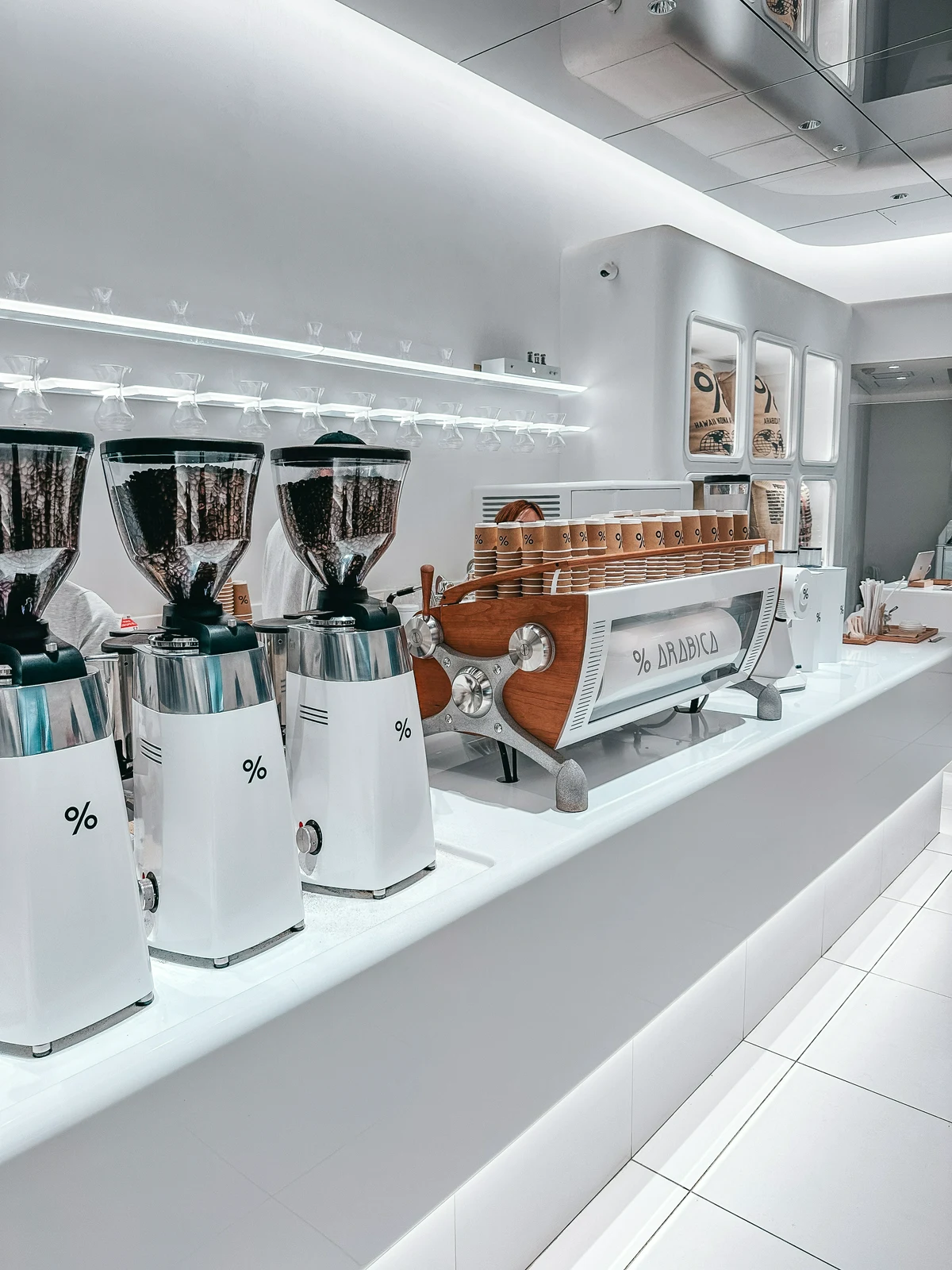
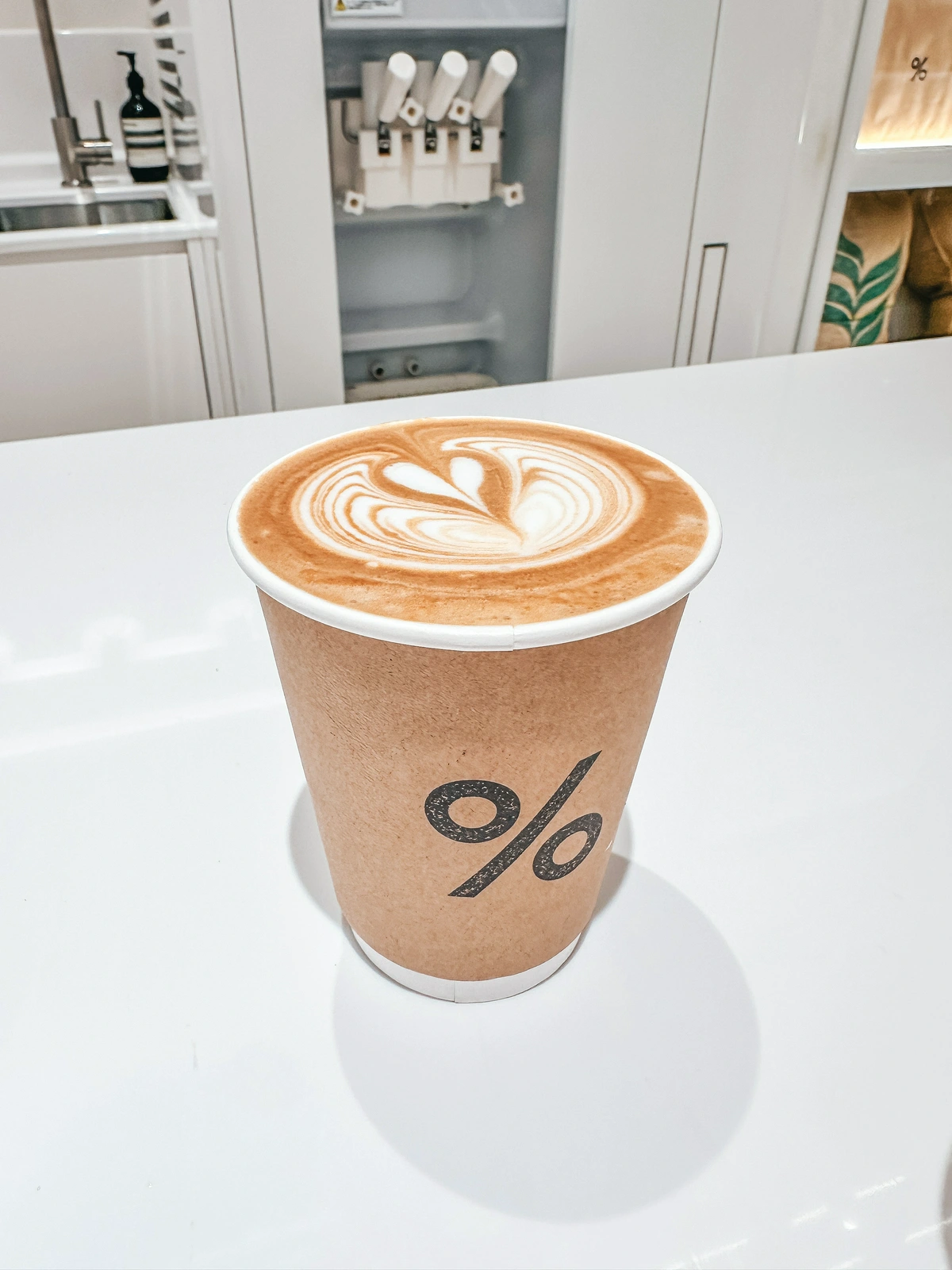
After all of that sensory overload, you’ll probably be ready for caffeine. We woke up later than planned and had to hustle to make our time slot, so coffee afterward felt especially necessary.
% Arabica is right in Azabudai Hills, the same complex as teamLab Borderless, so it’s the easiest possible reset before heading to your next stop.
Afternoon + Evening: Tsukiji Fish Market, Tokyo Tower, + Karaoke
Tsukiji Fish Market
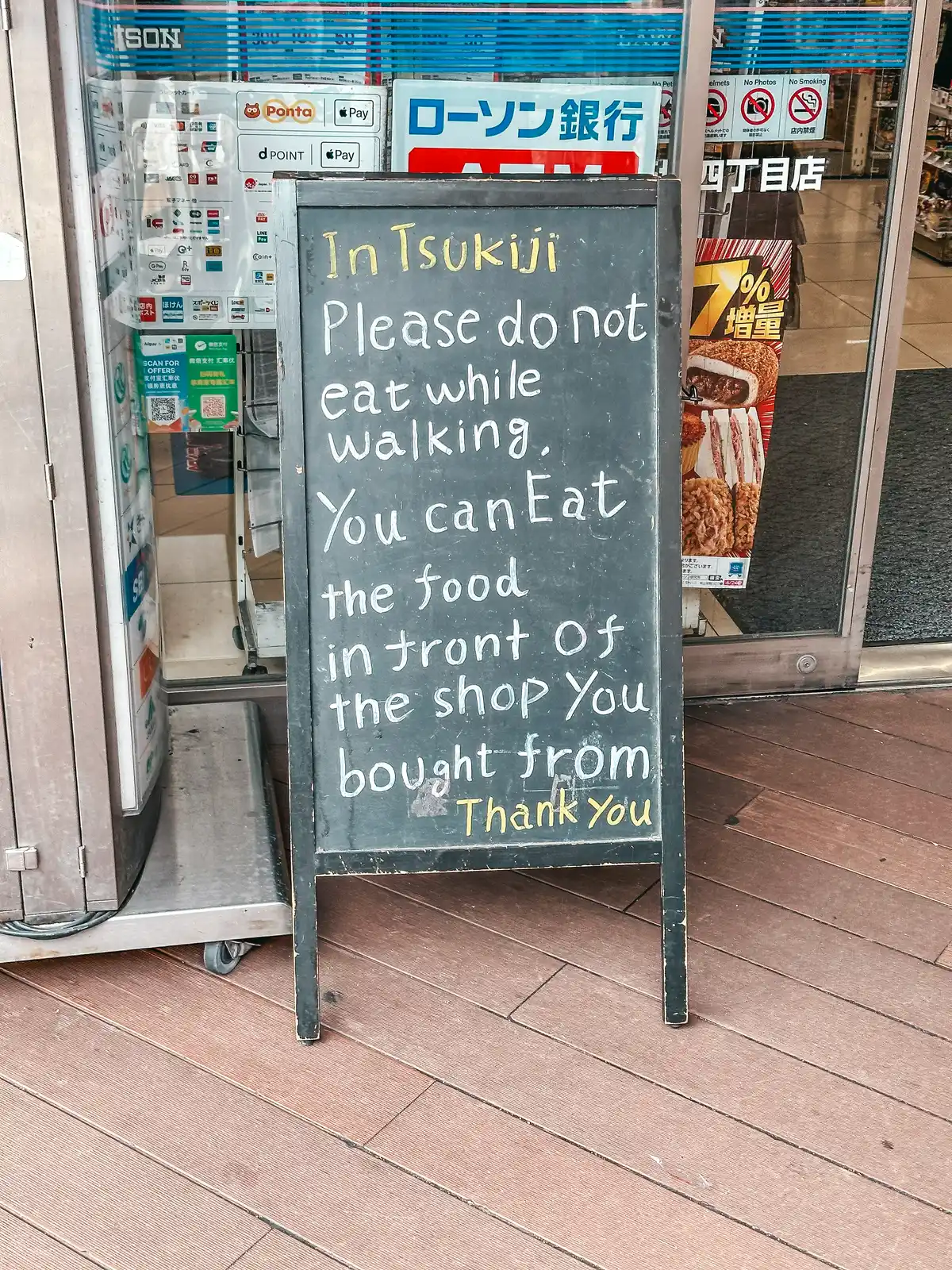
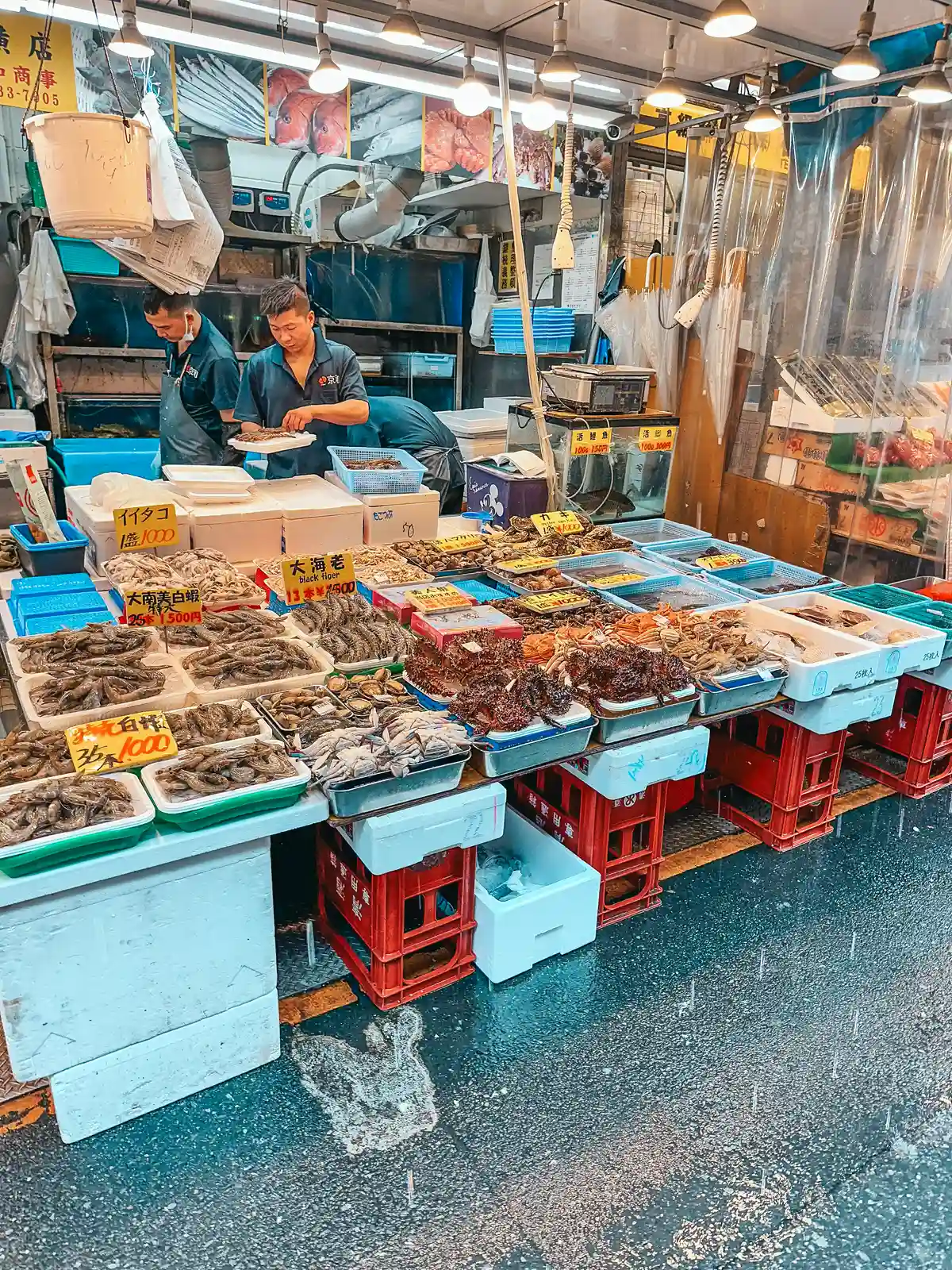
Once you’re caffeinated and ready to go, head over to Tsukiji Outer Market, one of my favorite food stops in Tokyo! This is the kind of place where you don’t need a formal sit-down lunch plan because the best move is to snack your way through it.
The former wholesale fish market moved to Toyosu, but Tsukiji’s outer market is still full of seafood stalls, street food, sweets, and little specialty shops.
The market is only open until 2 PM, and I’d plan for about two hours here. Come ready to share bites if you’re traveling with other people, that way you can try more without getting full after two stops.
Timing-wise, this worked really well after teamLab. We spent around an hour and a half at Borderless with our 10 AM slot and got to Tsukiji with enough time to wander, eat, and still not feel like we had completely derailed the day.
If you want to make the most of your time here, this Tsukiji Fish Market Walking Food Tour is a great way to learn the history, try the best bites, and uncover hidden gems you might otherwise miss.
As the market gets closer to closing time, you can often score great deals on seafood, with many items going on sale about an hour before they shut down!
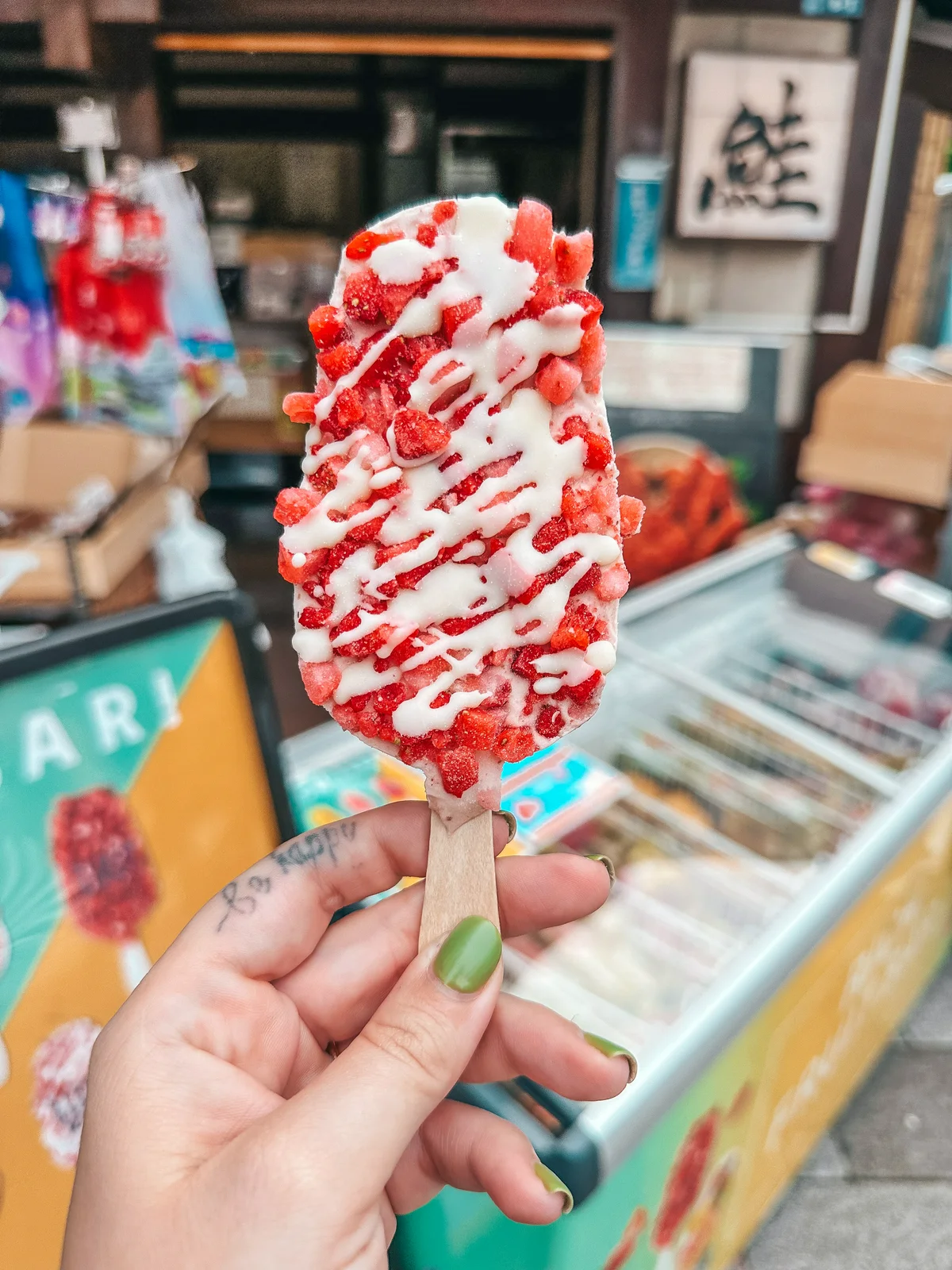
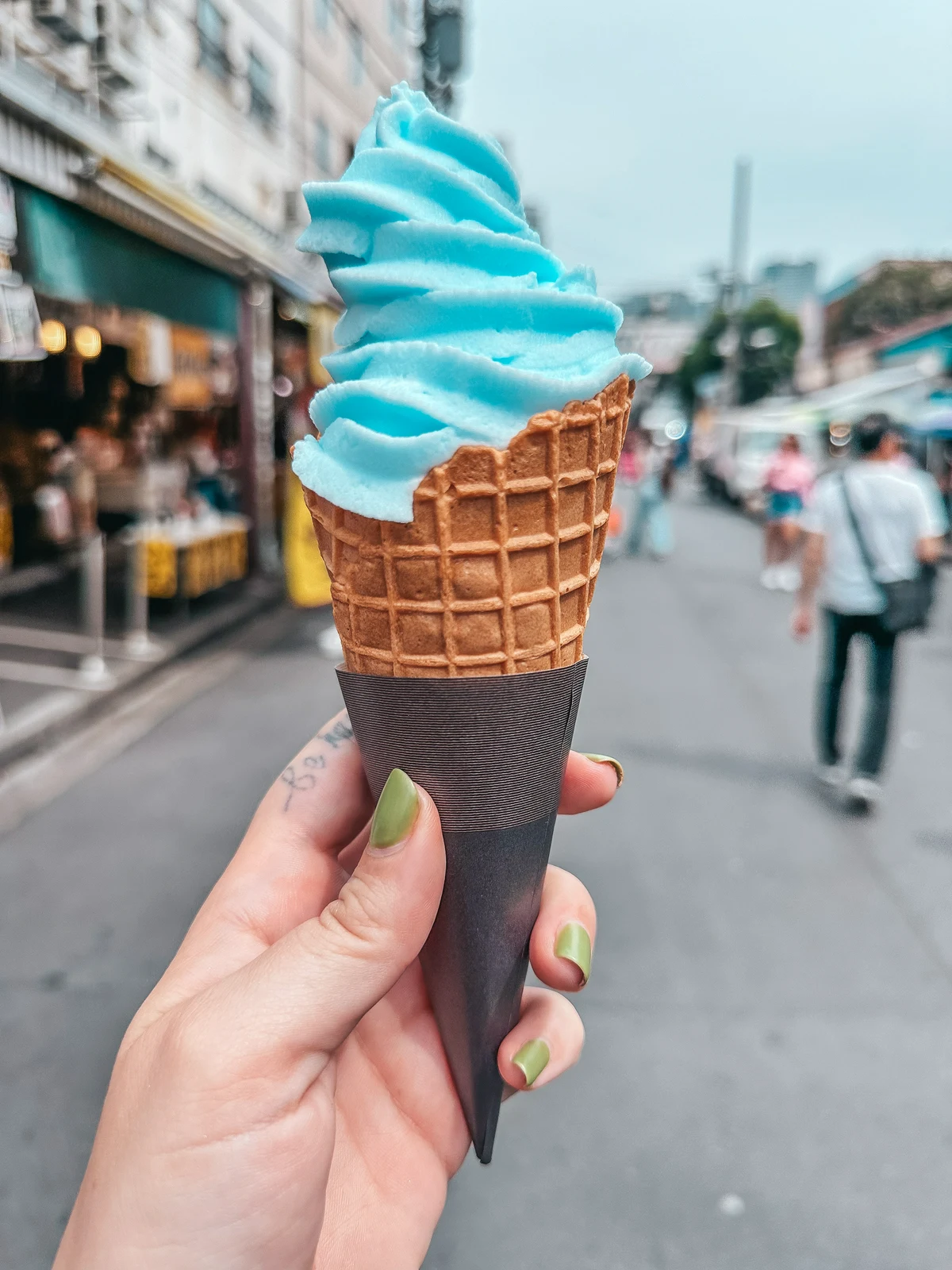
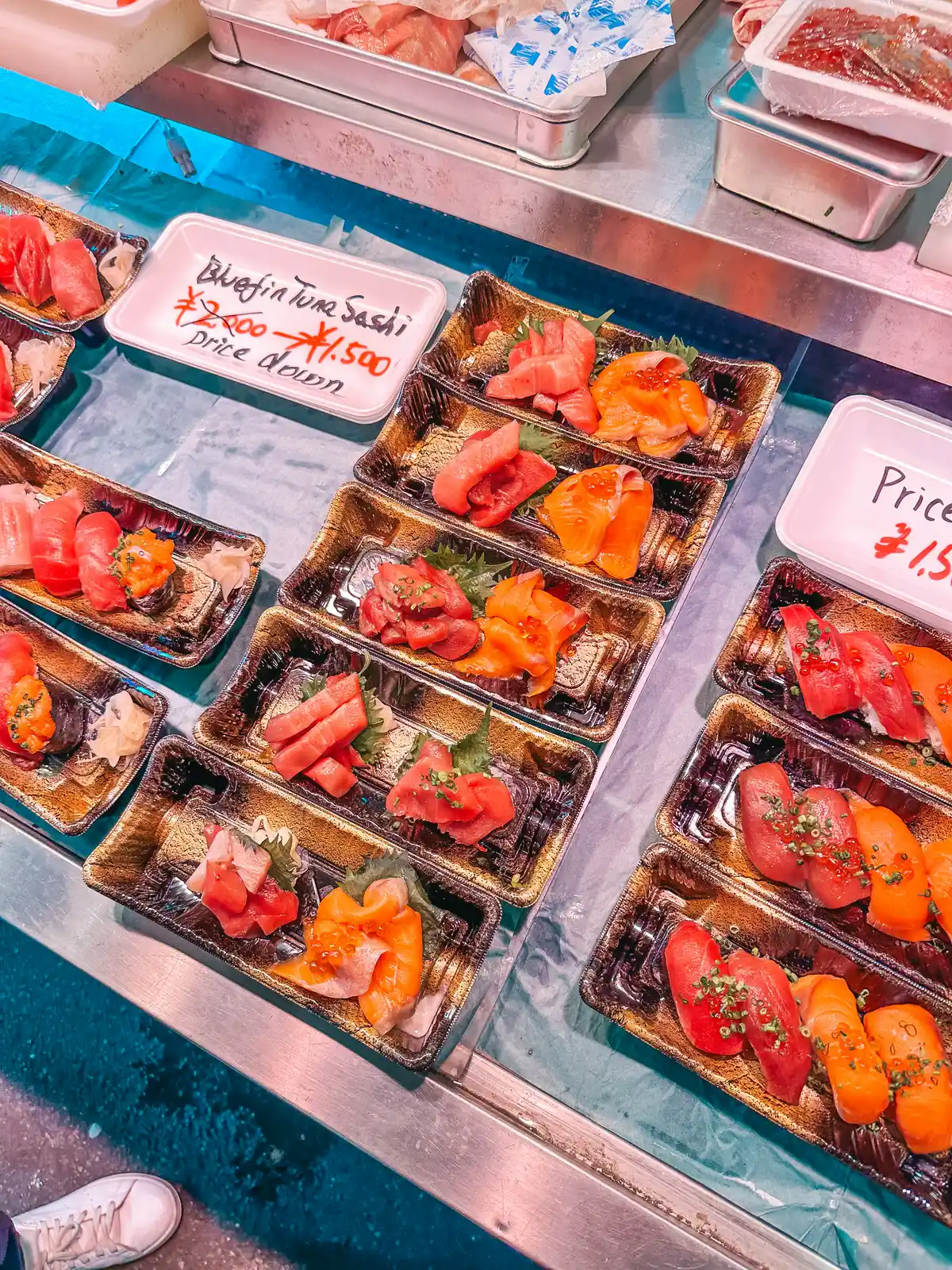
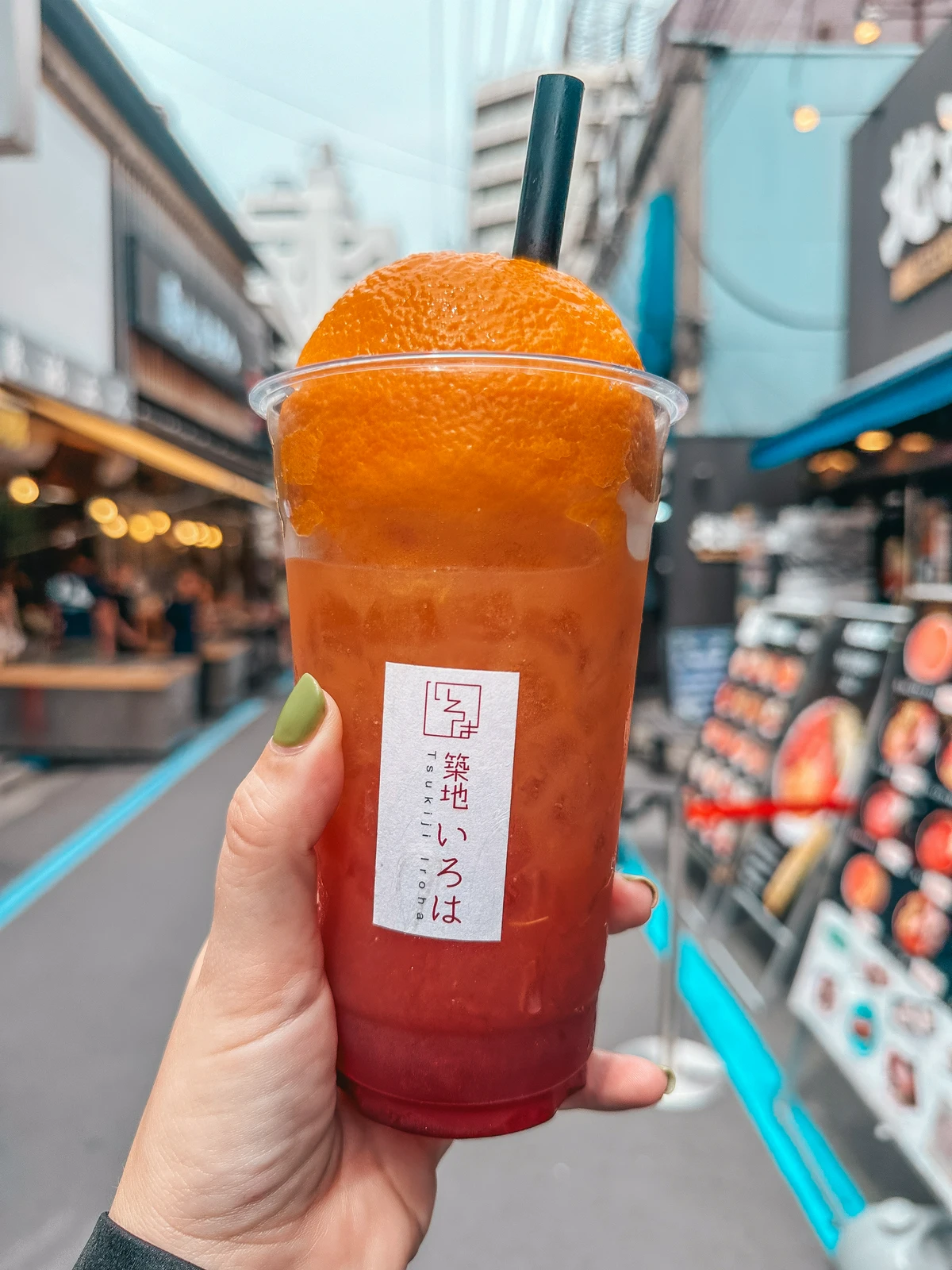
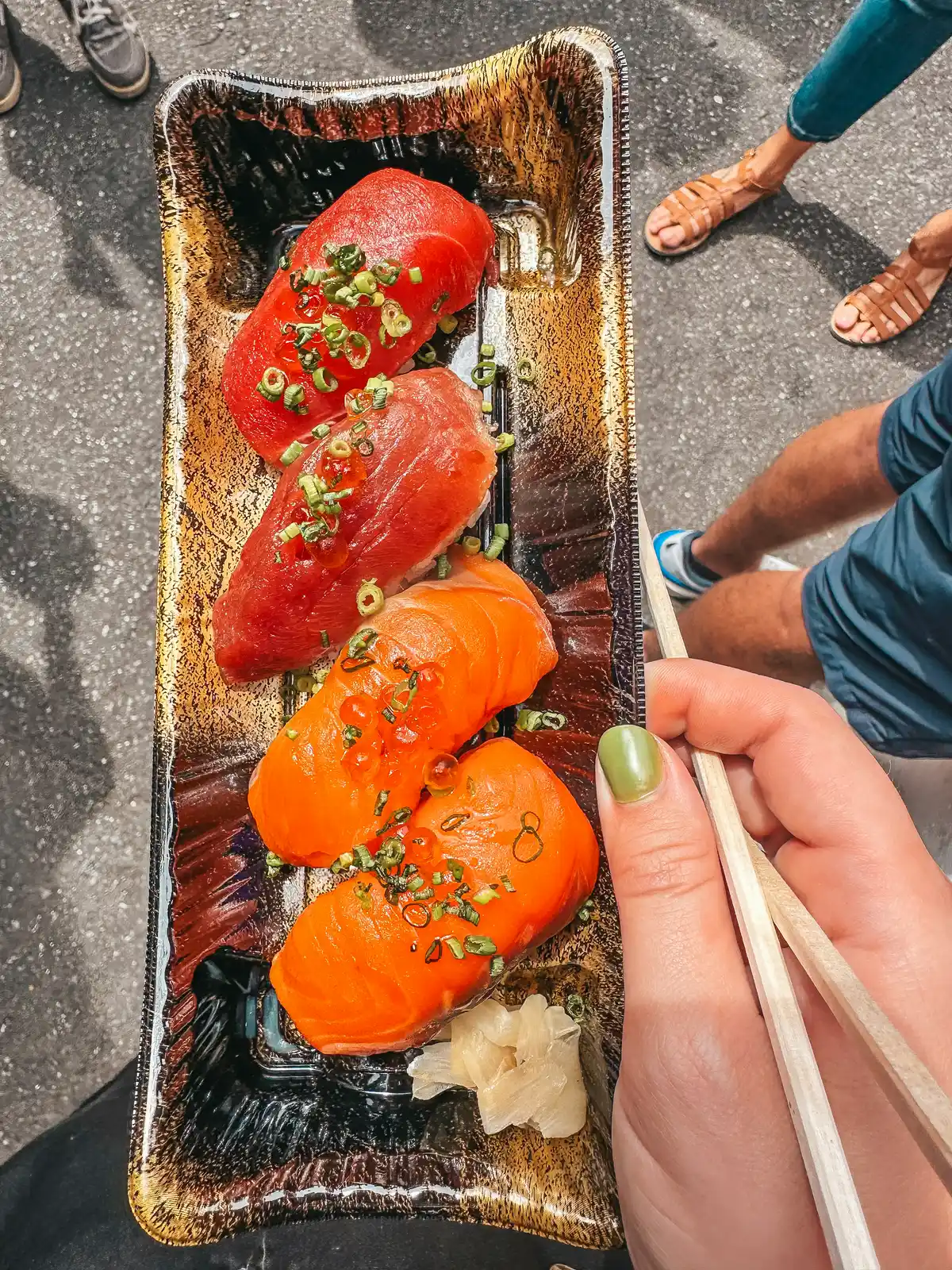
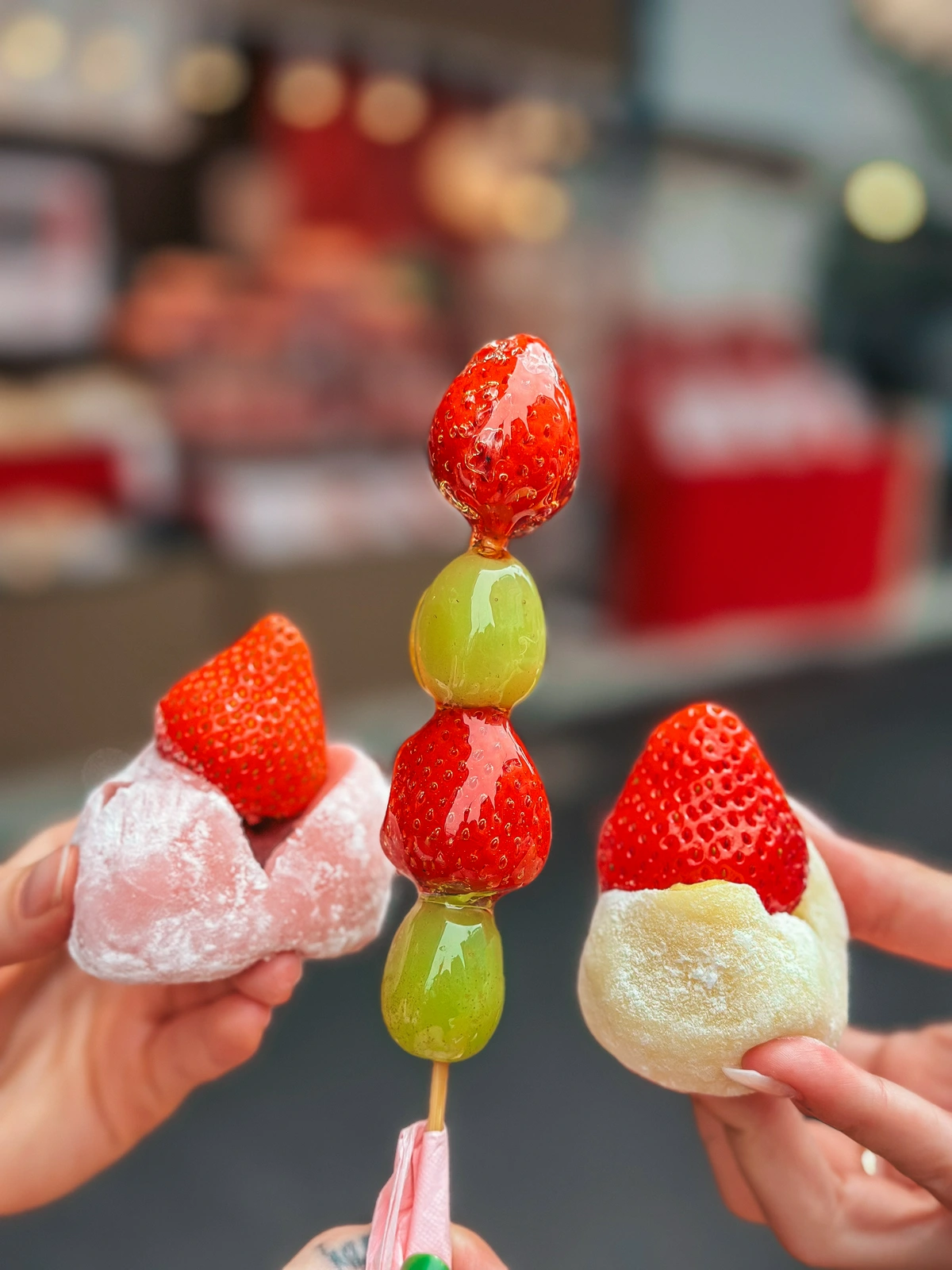
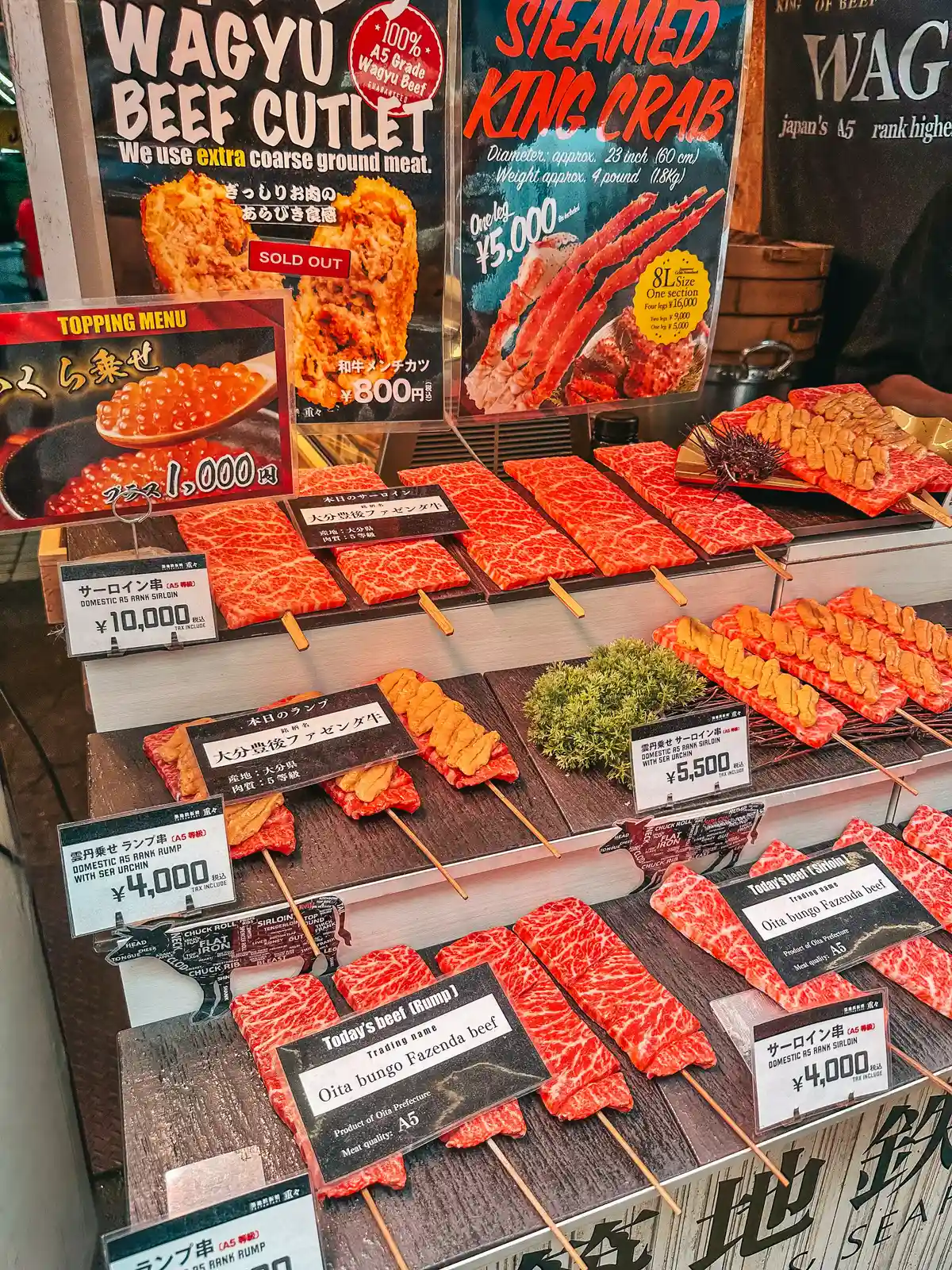
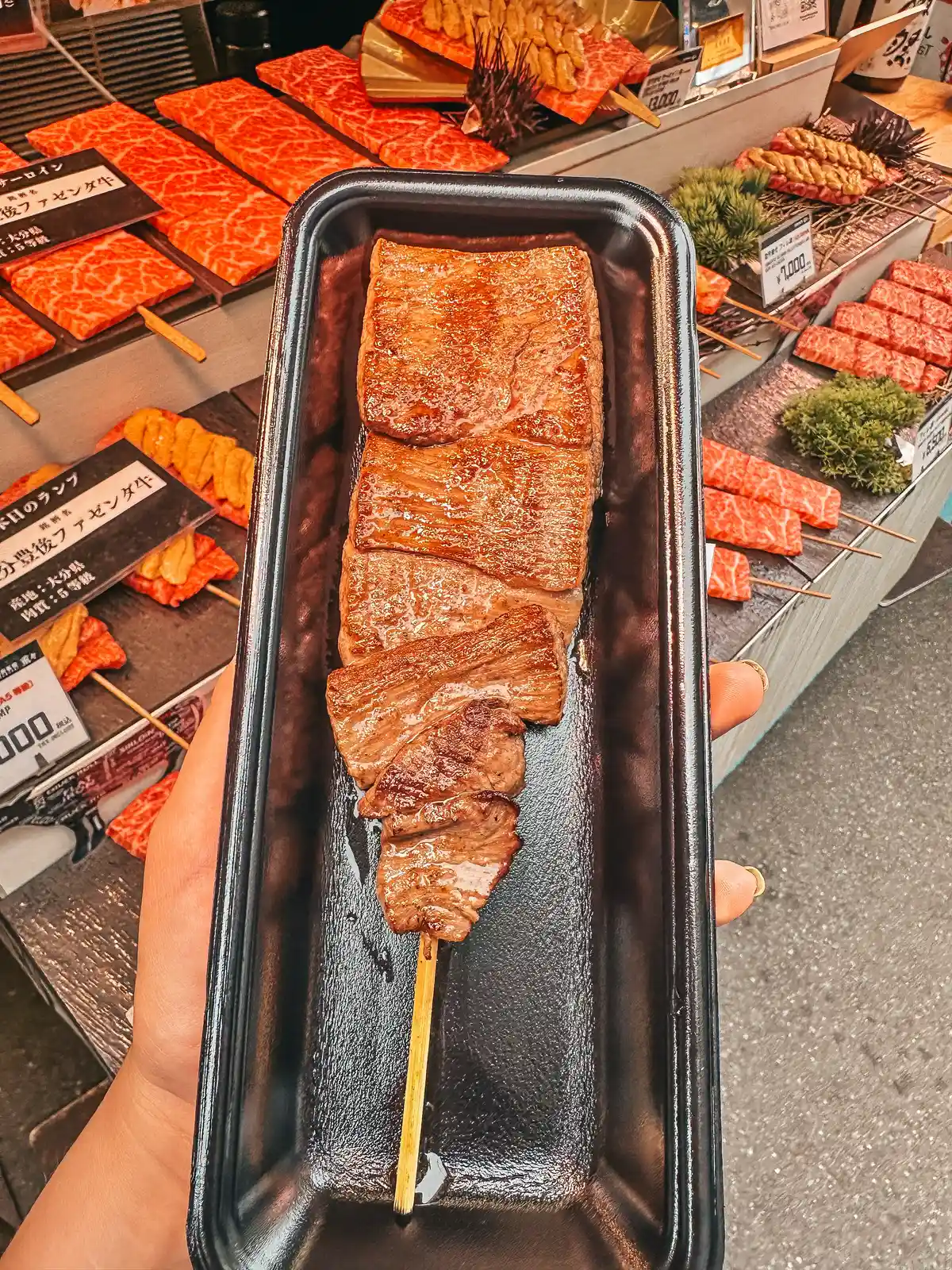
Here’s a little taste of what we tried and what I’d look for again:
- Wagyu and Kobe beef skewers: Rich, buttery, and definitely one of the most delicious, melt-in-your-mouth bites we had at the market.
- Tuna: Whether you go for sushi or sashimi, this is one of those classic Tsukiji bites that makes sense to prioritize.
- Tanghulu: This candied fruit on a stick won me over. It’s crunchy on the outside, juicy inside, and such a fun sweet break between savory bites.
- Ichigo daifuku or strawberry mochi: A popular pick and super cute, though I’ll be honest, it wasn’t totally my thing. Still worth trying if you love mochi.
Tsukiji is not just about the fish. The market is full of other goodies like tamagoyaki, grilled scallops, wagyu skewers, and sweet treats. If you’re visiting with a group, it’s the perfect spot to share and sample a variety of foods. If you aren’t traveling with a group, you might enjoy this food tour through the market with a local guide that includes lunch and multiple samples.
Zojo-ji Temple
Zojo-ji Temple is a beautiful Buddhist temple right next to Tokyo Tower, and this stop is exactly why I loved Tokyo so much. One minute you’re in a peaceful temple courtyard, and the next you’re looking up at one of the city’s most recognizable landmarks. That old-meets-new contrast is just so Tokyo.
Even if you’re moving quickly, give yourself a few minutes here instead of treating it like a quick photo stop. The temple grounds have a touching memorial area with rows of small statues adorned with colorful clothing and pinwheels, and it adds a more reflective layer to the visit before you shift back into big-city sightseeing.
Tokyo Tower
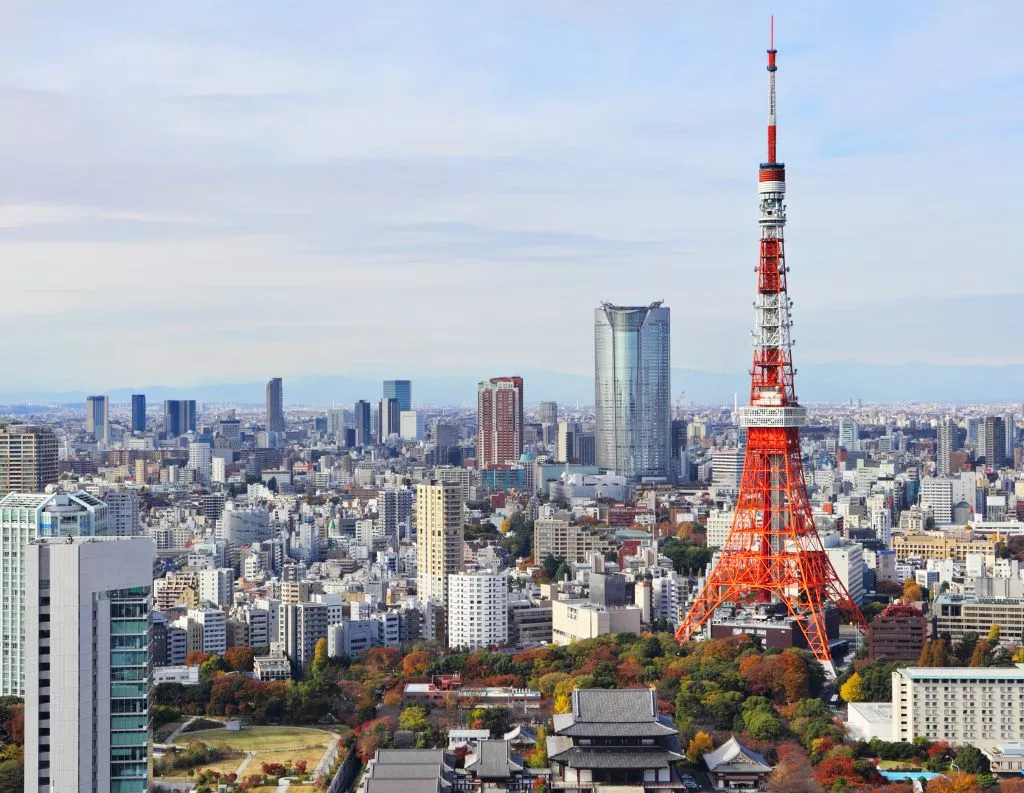
After filling up on market snacks, make your way to the iconic Tokyo Tower. The red and white structure is reminiscent of the Eiffel Tower, but it still feels completely tied to Tokyo. Standing at nearly 1100 feet (333 meters) tall, it offers some of the best panoramic views of the city. If the weather is clear, going up the tower can be a great way to get your bearings and see just how sprawling the city really is.
Unfortunately, when we visited, the rain decided to fully commit, so the observation deck didn’t make sense for us.
If you’re looking to save on admission fees while still getting beautiful views of Tokyo, consider skipping the paid observation deck at Tokyo Tower. Before leaving Azabudai Hills Mori JP Tower, head to the free viewing area for a skyline view that includes Tokyo Tower itself. I actually love this option because you get the tower in your photos instead of taking photos from inside it.
Karaoke Room
This first day gives you art, culture, food, and skyline views, which is a pretty dreamy introduction to Tokyo. That said, it’s also a lot for day one. If jet lag, rain, or general travel exhaustion is hitting hard, call it early and don’t feel guilty about it.
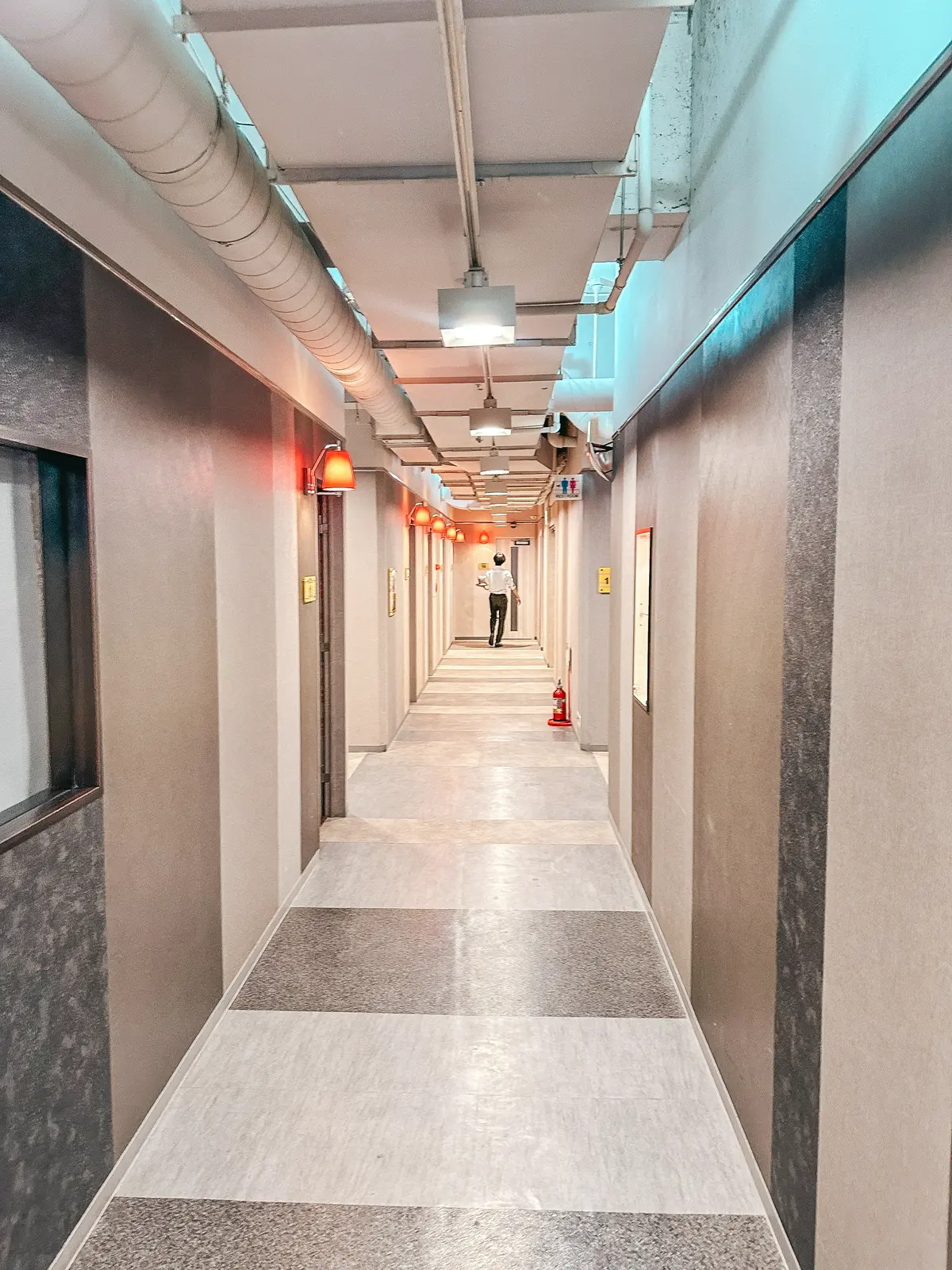
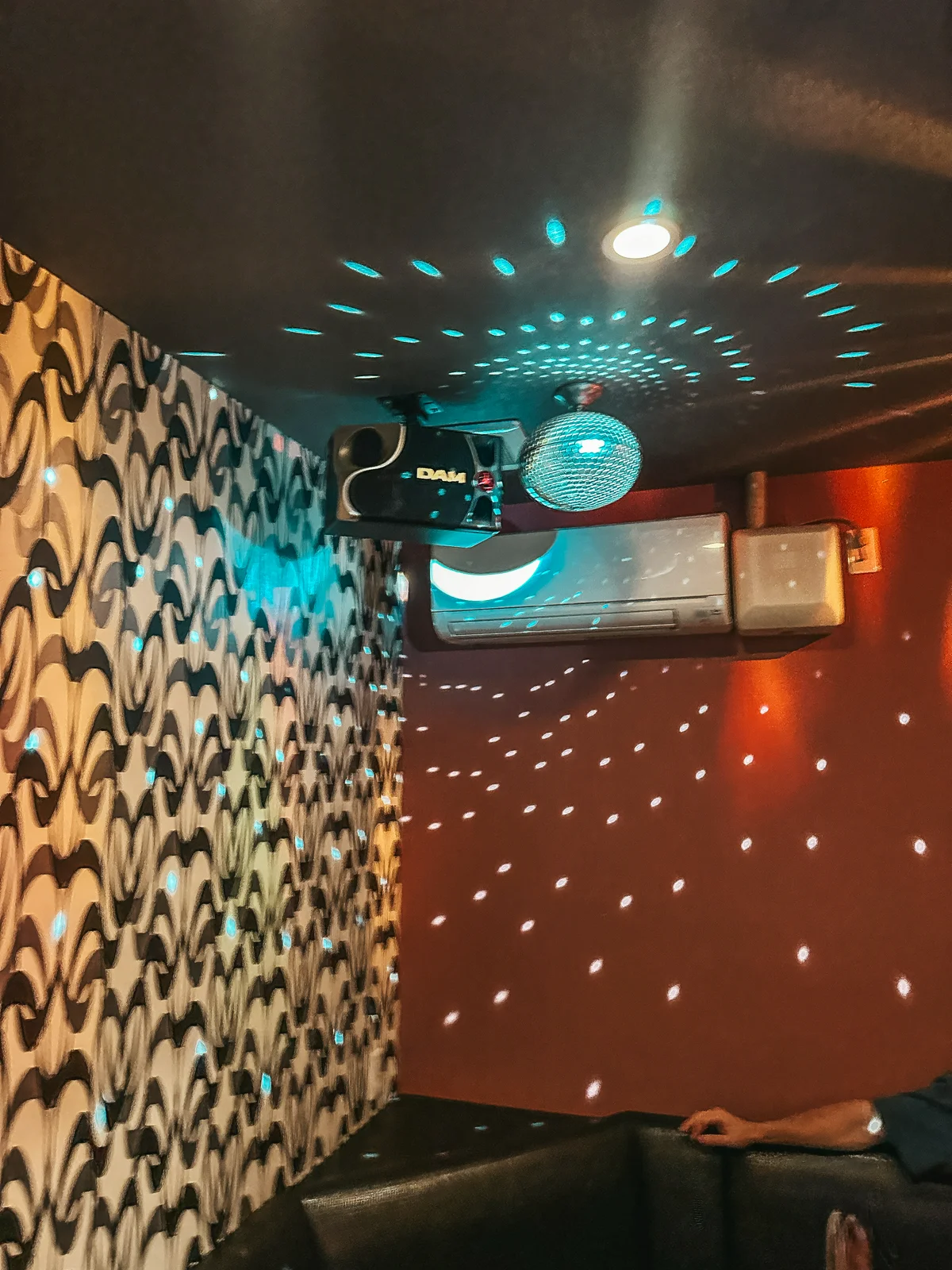
But if you still have some energy left, cap off the night with a private karaoke room. It’s such an iconic Japan experience and the perfect low-pressure group activity after a long day. We opted to call it an early night in Tokyo, but we did karaoke in Kyoto and laughed until we were basically in tears, so I fully support working it in somewhere on your Japan trip.
I was blown away by how massive these karaoke places are—hallways upon hallways packed with rooms! The photo below shows just one section, and trust me, you’ll find karaoke bars all over the city.
Day 2
Morning: Ueno Park + Ameyoko Shopping District
Ueno Park
Start day two with a slower morning in Ueno Park. After a packed first day, this is a nice way to ease back into the city without immediately throwing yourself into neon lights and crowds.
The park is especially famous for cherry blossoms in spring, but even outside sakura season, it’s a peaceful reset with museums, temples, a zoo, and plenty of space to wander.
Ameyoko Shopping District
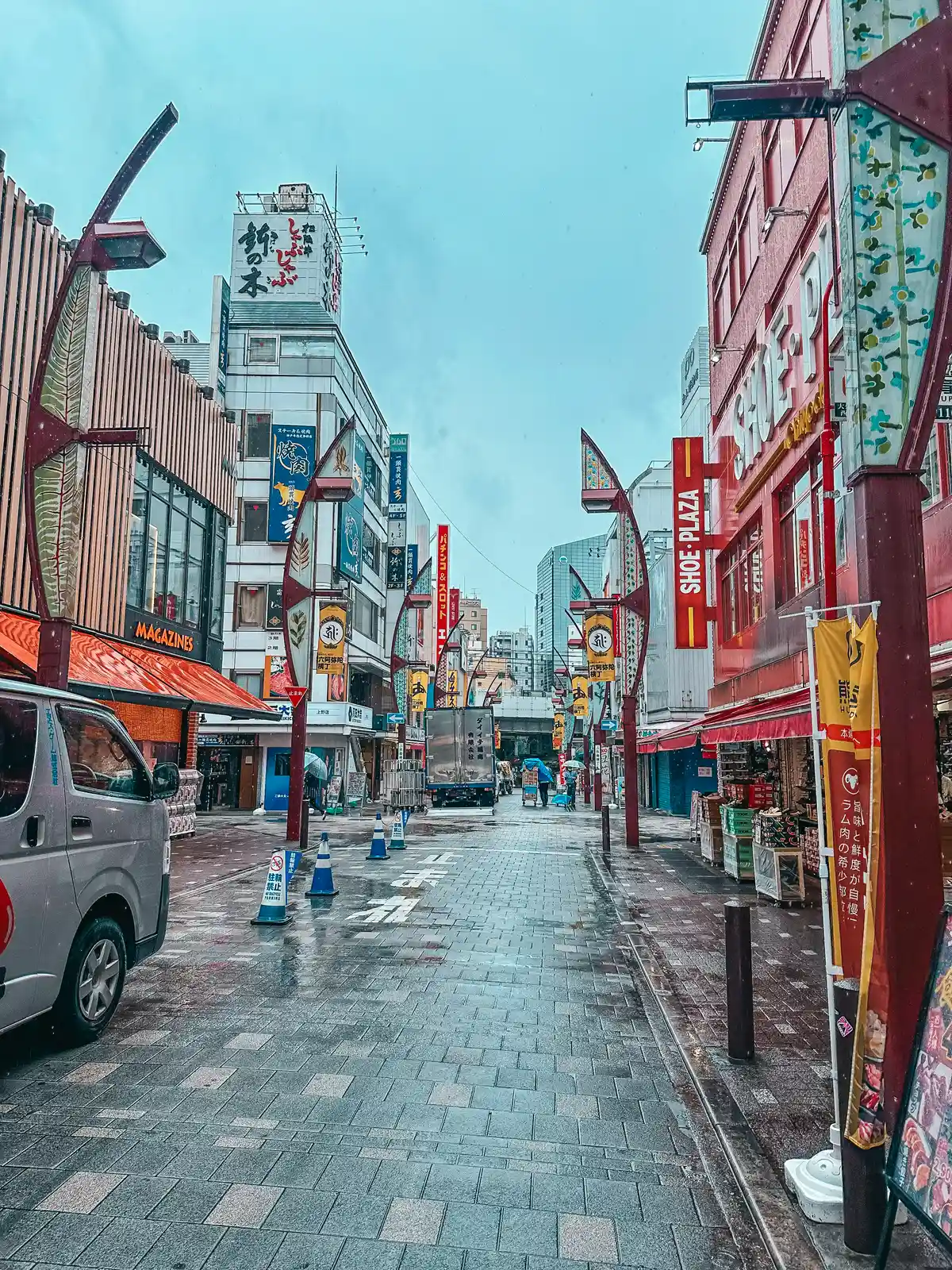
After enjoying the greenery, walk over to nearby Ameyoko Shopping District, a busy market area that stretches along the Yamanote Line tracks.
It has a totally different energy from Ueno Park, which is why I like pairing them together. You’ll find street food vendors, casual restaurants, souvenir stalls, seafood shops, and little fashion stores all crammed into one lively area.
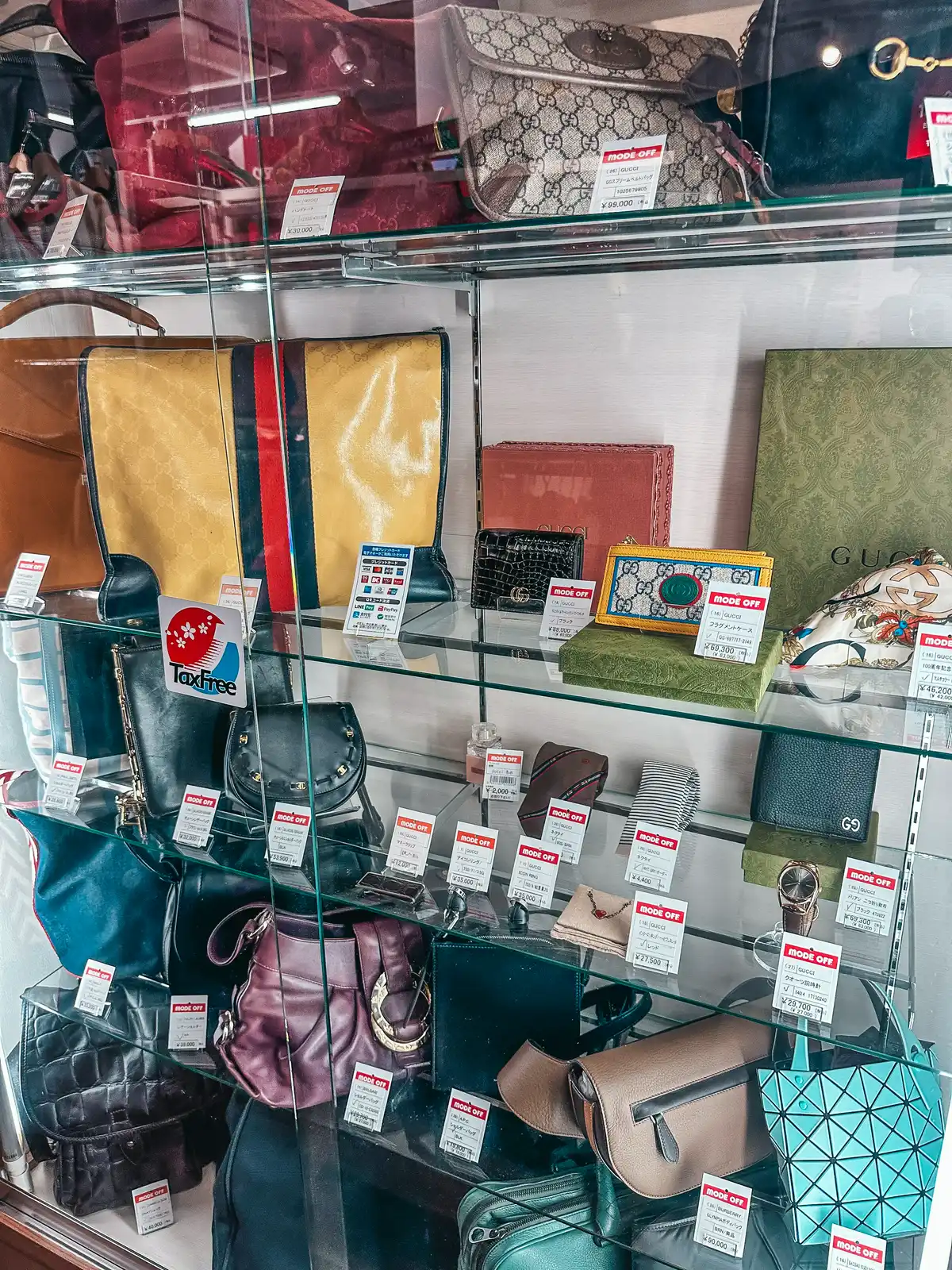
Tokyo is famous for its thrift stores, and Ameyoko has several spots to browse. I’ll be honest: I didn’t have a ton of luck because a lot of pieces felt like overpriced American clothes. But if you love the thrill of the hunt, it’s still fun to poke around. Just don’t make this your only shopping stop if you’re dreaming of a magical Tokyo thrift haul.
Breakfast + Tokudai-ji Temple
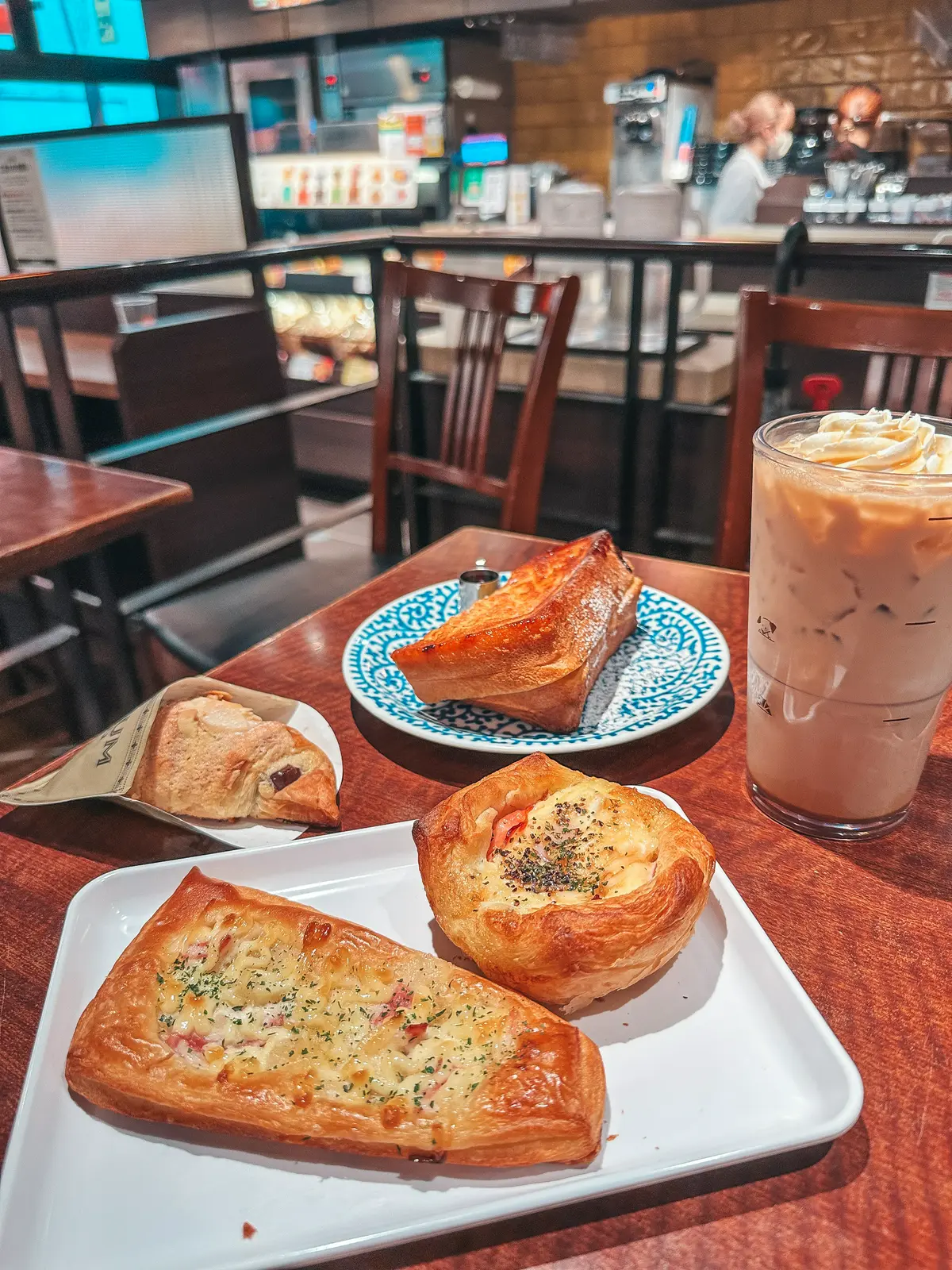
While exploring the district, we grabbed breakfast and coffee at St-Marc Cafe Tokyo Ueno Abab Mae-Shop. Was it the best coffee of my life? No. But the breakfast was good, easy, and exactly what we needed before continuing on with the day. Sometimes on a busy itinerary, convenient wins.
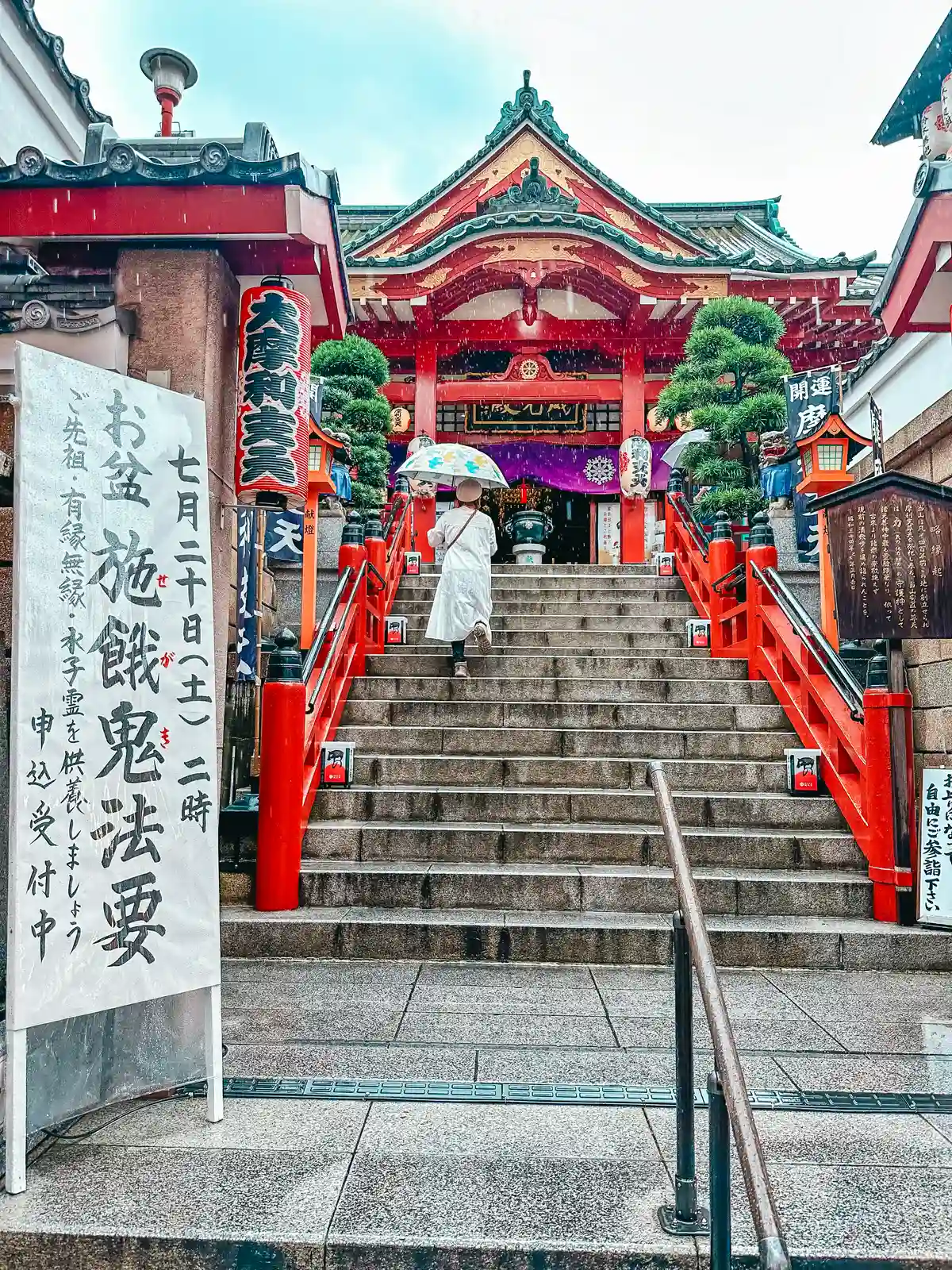
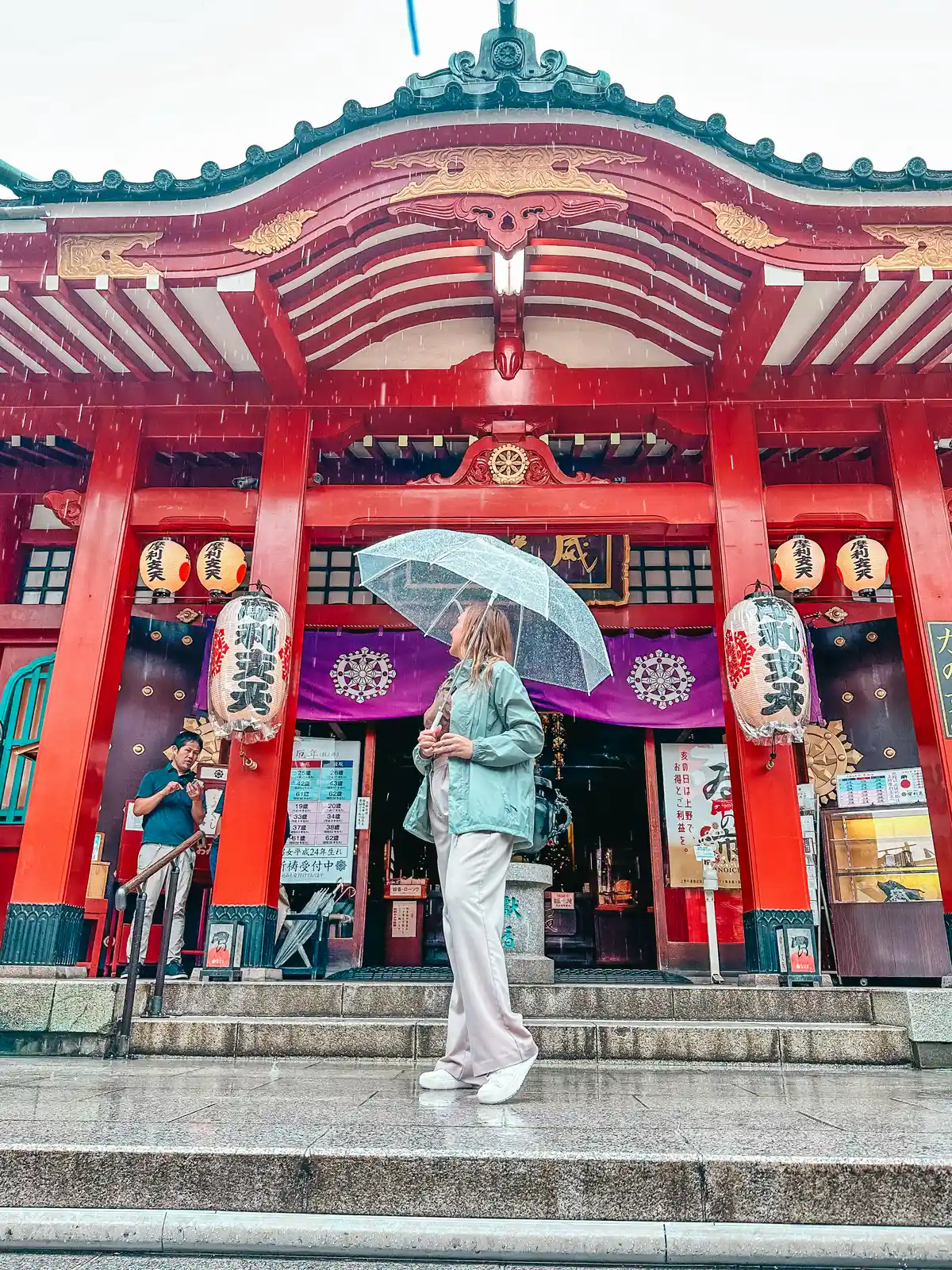
If you’re in the mood for a quick temple stop, Tokudai-ji Temple is tucked right into the area. Tokyo is home to over 1,000 shrines and another 1,000 temples, so there’s no pressure to visit them all.
But I loved that this one was so easy to work in between shopping and snacks, almost like the city was reminding us to slow down for a second.
Afternoon: Tokyo Skytree + Tokyo Solamachi
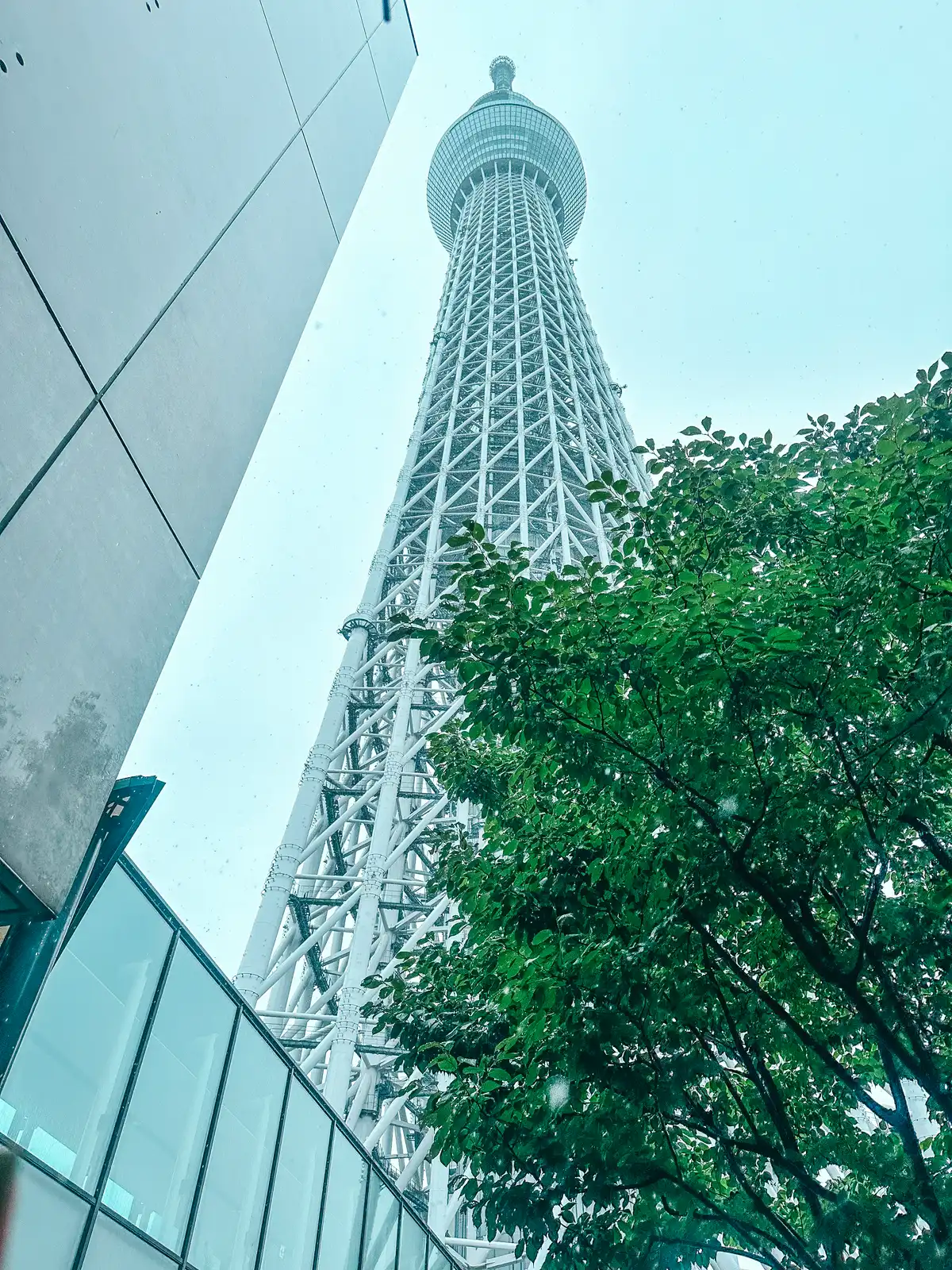
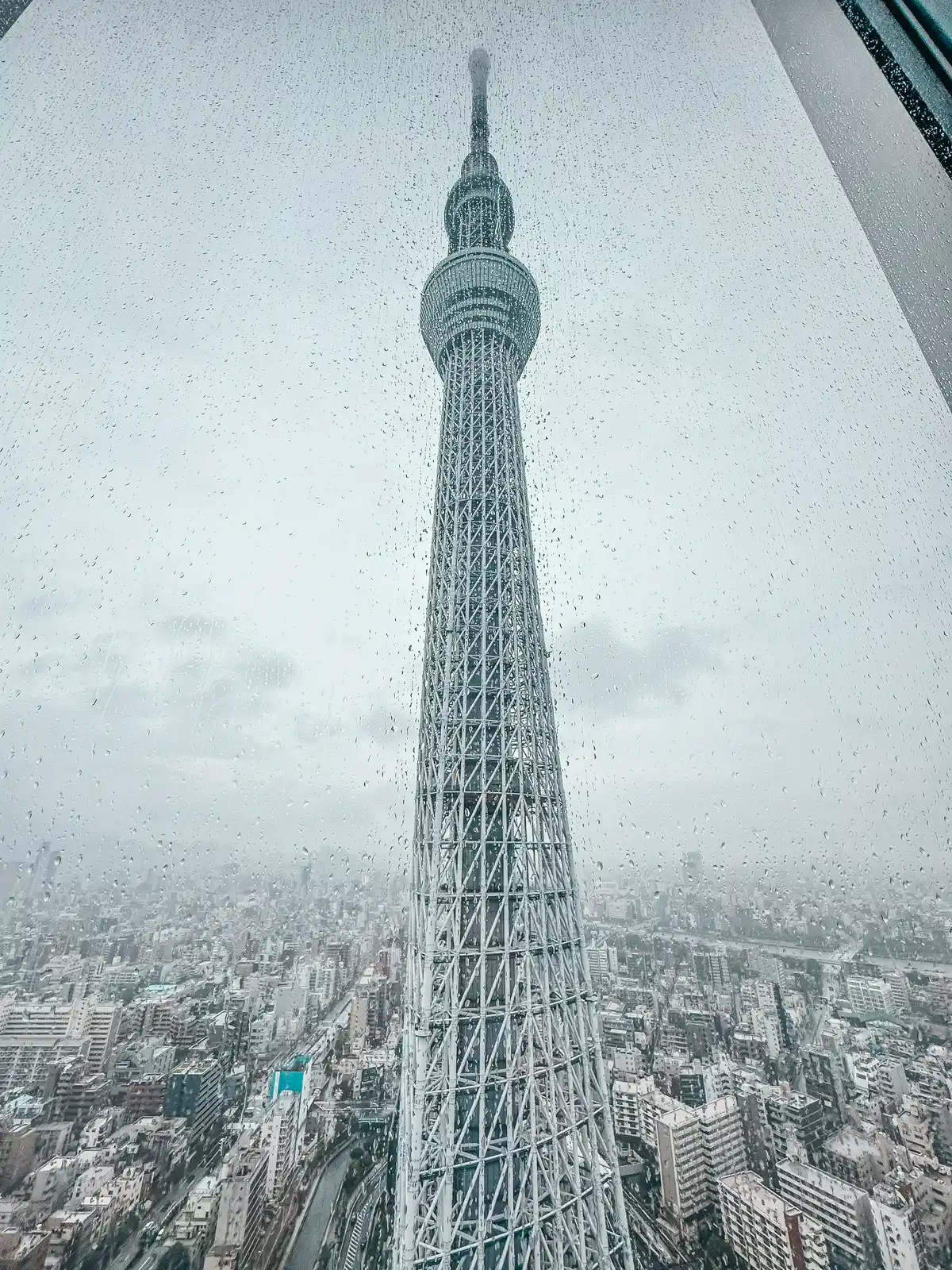
After exploring Ueno, make your way to Tokyo Skytree, Japan’s tallest structure, at 2,080 feet (634 meters)! This is one of those attractions where the weather really matters. On a clear day, the views are incredible, and you may even be able to spot Mount Fuji. On a rainy or foggy day, it might be better to save your money and enjoy the area around it instead.
Unfortunately, when we visited, the rain and fog made it impossible to see much from the top, so we pivoted to Tokyo Solamachi, the massive shopping complex at the base of the Skytree. With over 300 shops and restaurants, it ended up being a surprisingly solid rainy-day backup plan. Not every travel pivot is glamorous, but snacks and shopping rarely fail me.
Evening: Shibuya + Shinjuku
Shibuya Scramble
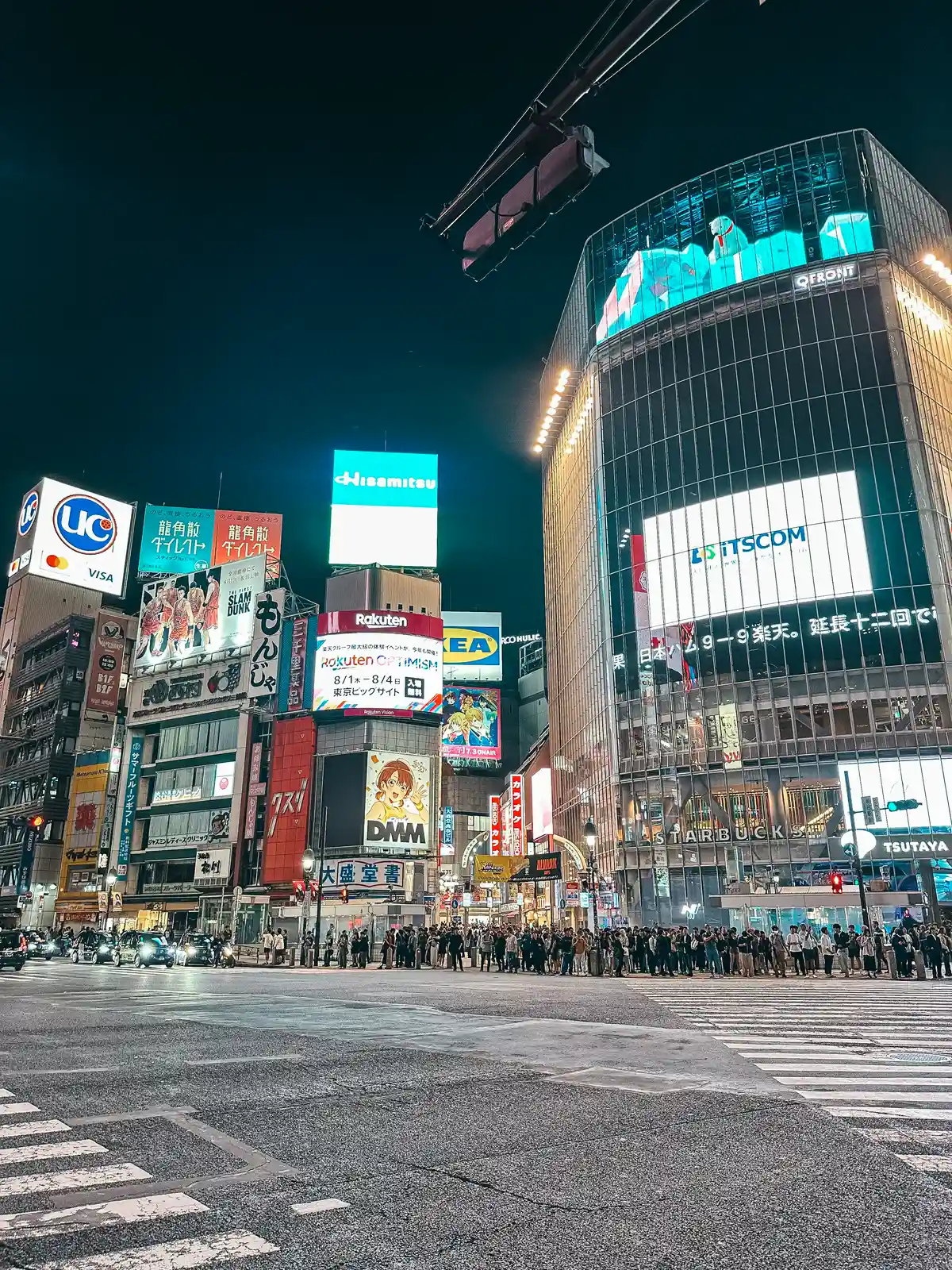
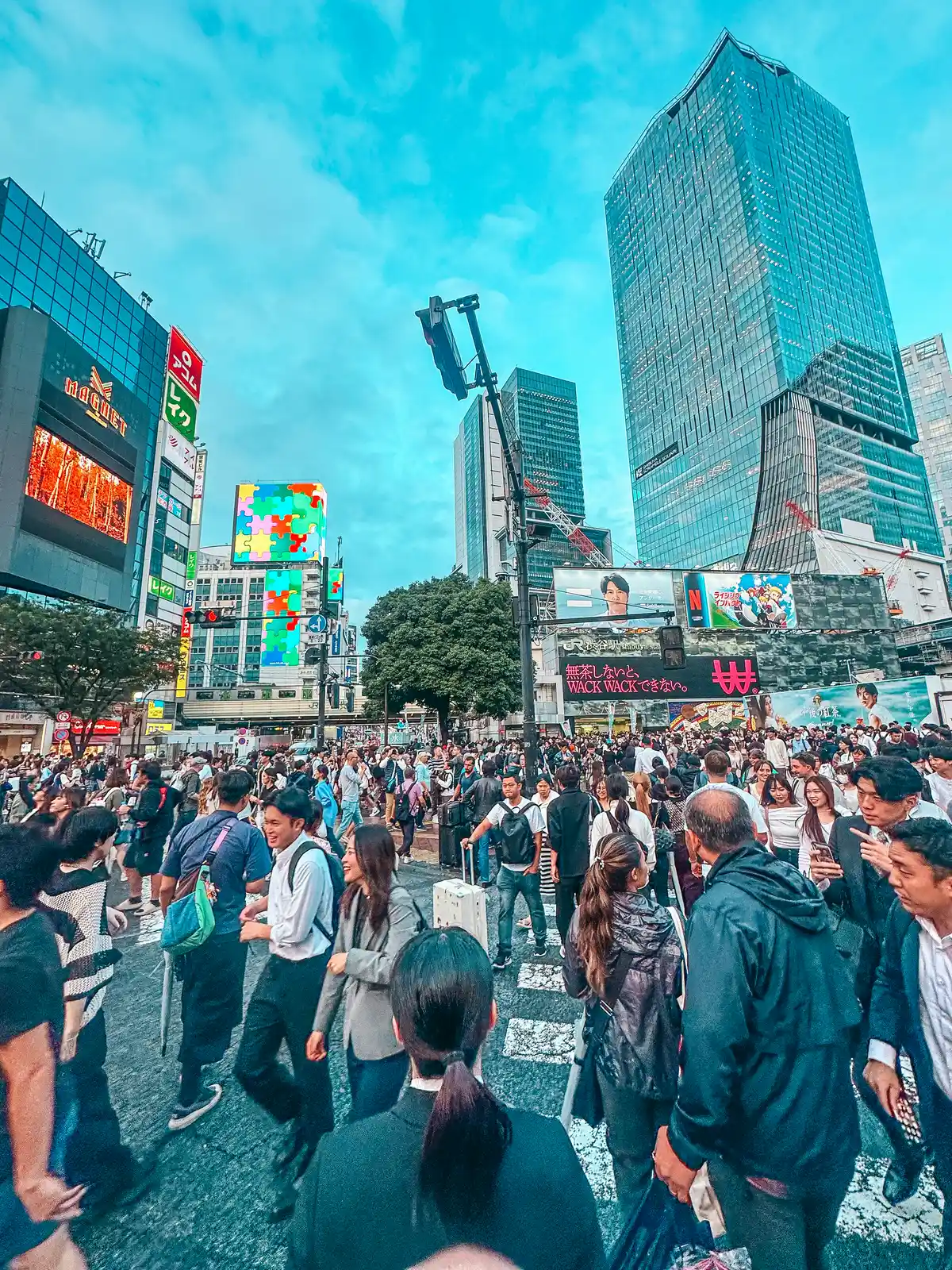
Afterward, head to Shibuya for one of Tokyo’s most iconic sights: Shibuya Scramble Crossing. It’s the busiest pedestrian crossing in the world!
Even though you’ve probably seen it in photos and videos a million times, it’s still such a fun “wait, I’m really in Tokyo” moment when you’re standing there watching everyone cross from every direction like organized chaos.
For those iconic aerial shots of Shibuya Crossing, head to the nearby Starbucks. It’s one of the best free vantage points! However, be prepared for a crowd; you won’t be the only one trying to capture the perfect photo.
Shibuya Sky
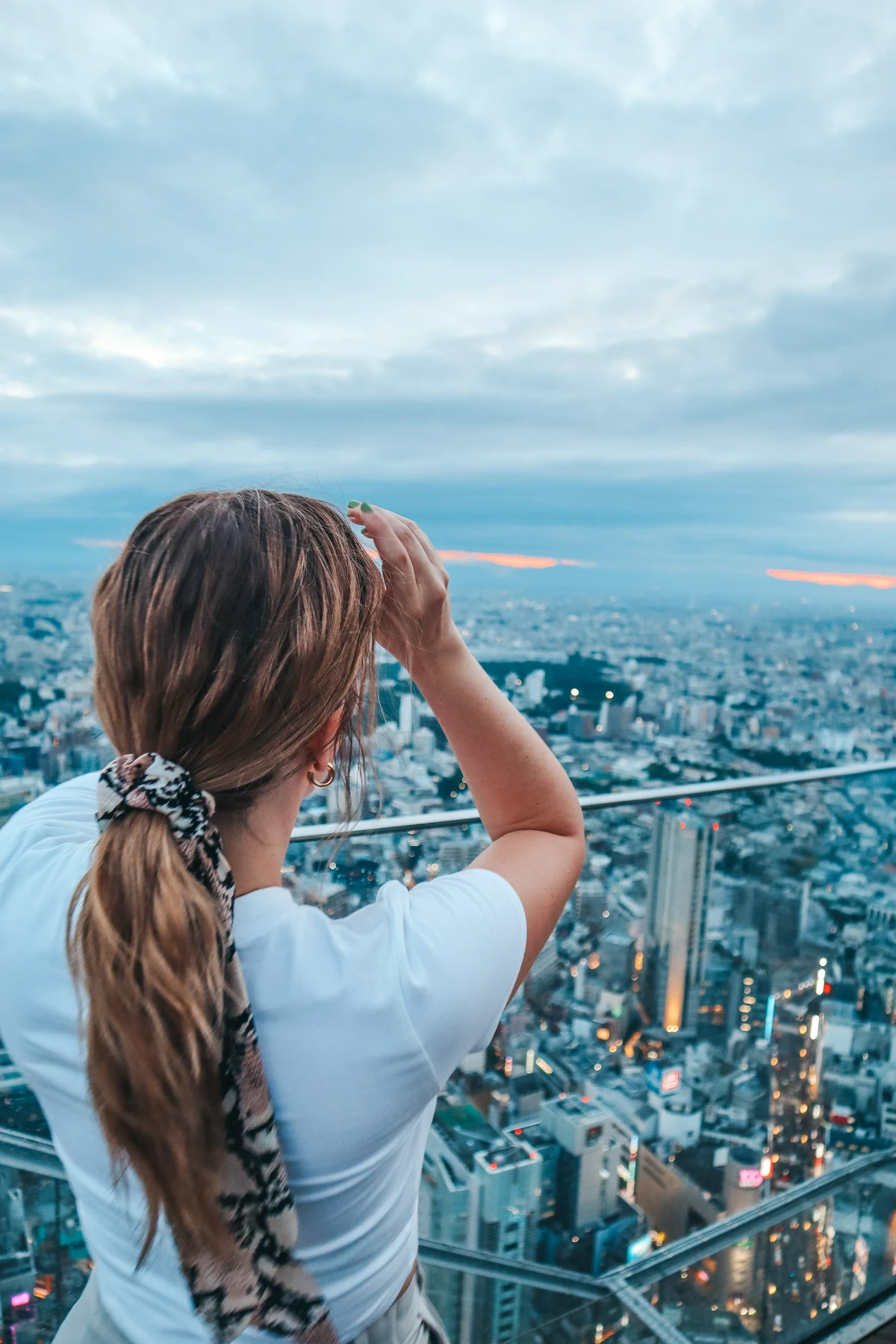
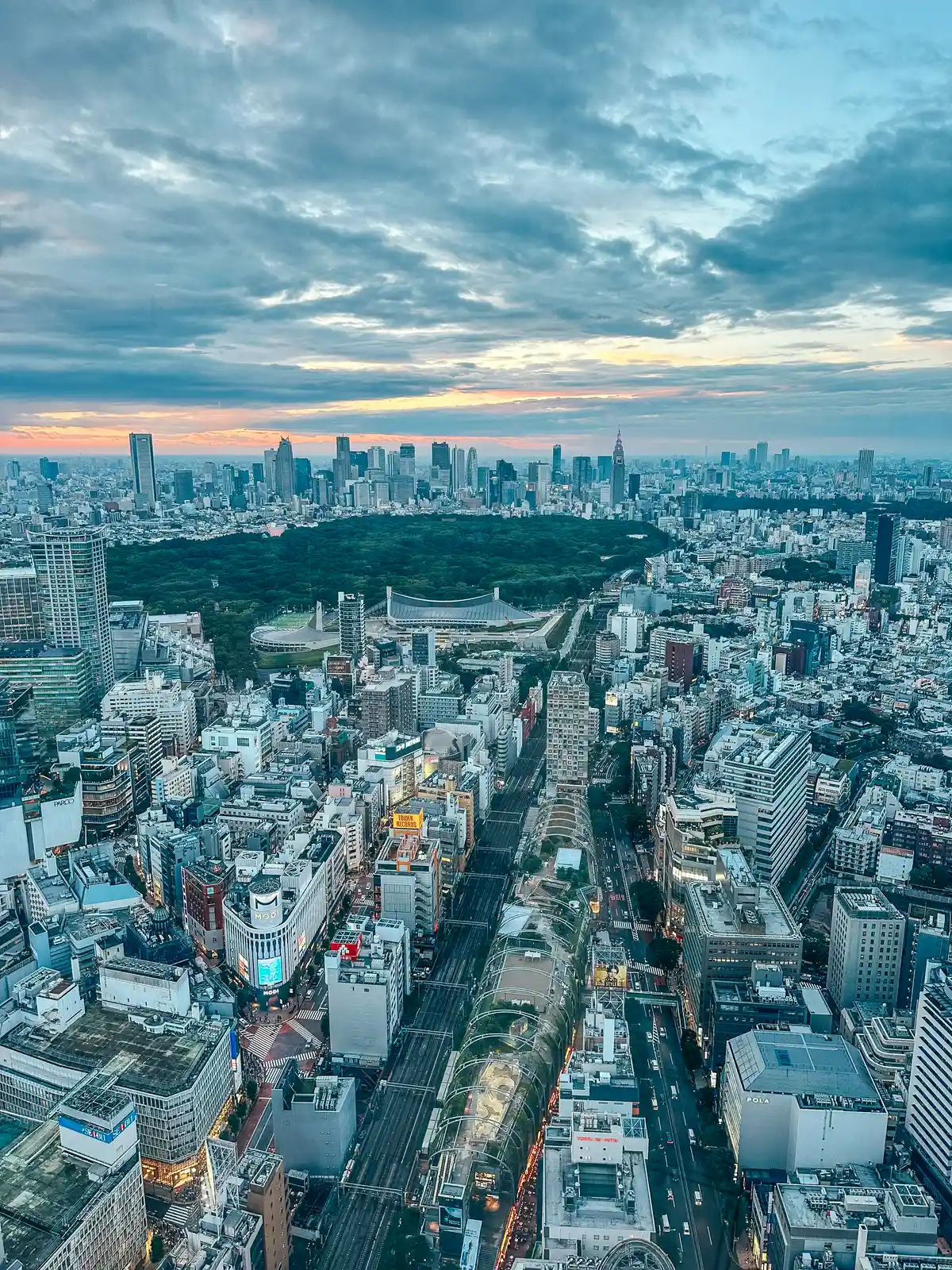
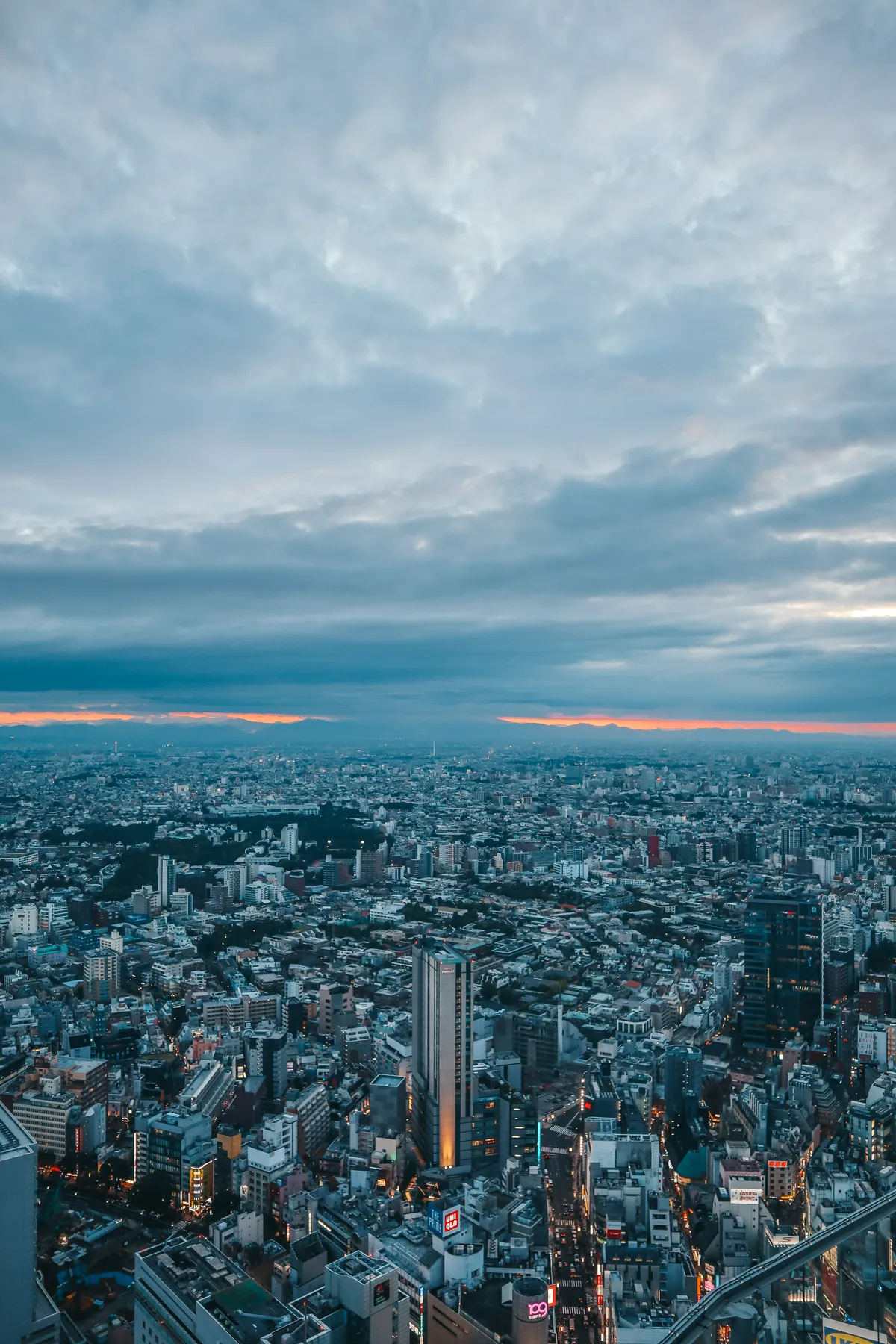
After soaking in the chaos of Shibuya, make your way to Shibuya Sky, the rooftop observation deck that offers some of the best views of Tokyo. Since the weather didn’t cooperate for Tokyo Skytree, we were extra excited for this one, and thankfully the city gave us a little redemption.
Make sure to book your tickets in advance, because sunset slots can sell out fast. I know booking timed tickets in advance can feel annoying when you’re trying to stay flexible, but this is one of the Tokyo experiences where planning ahead is worth it. Even on a cloudy day, the views are stunning.
Dinner
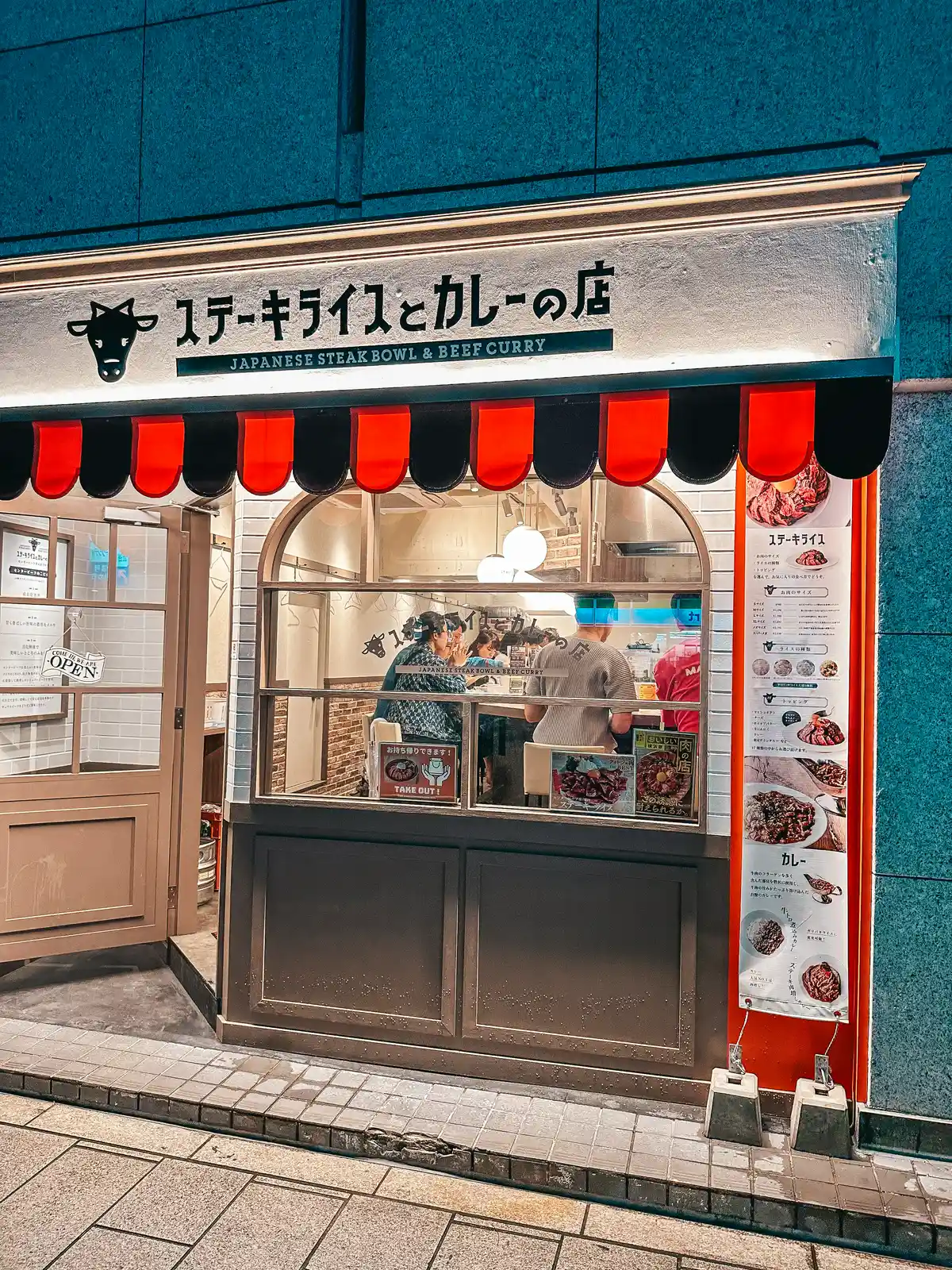
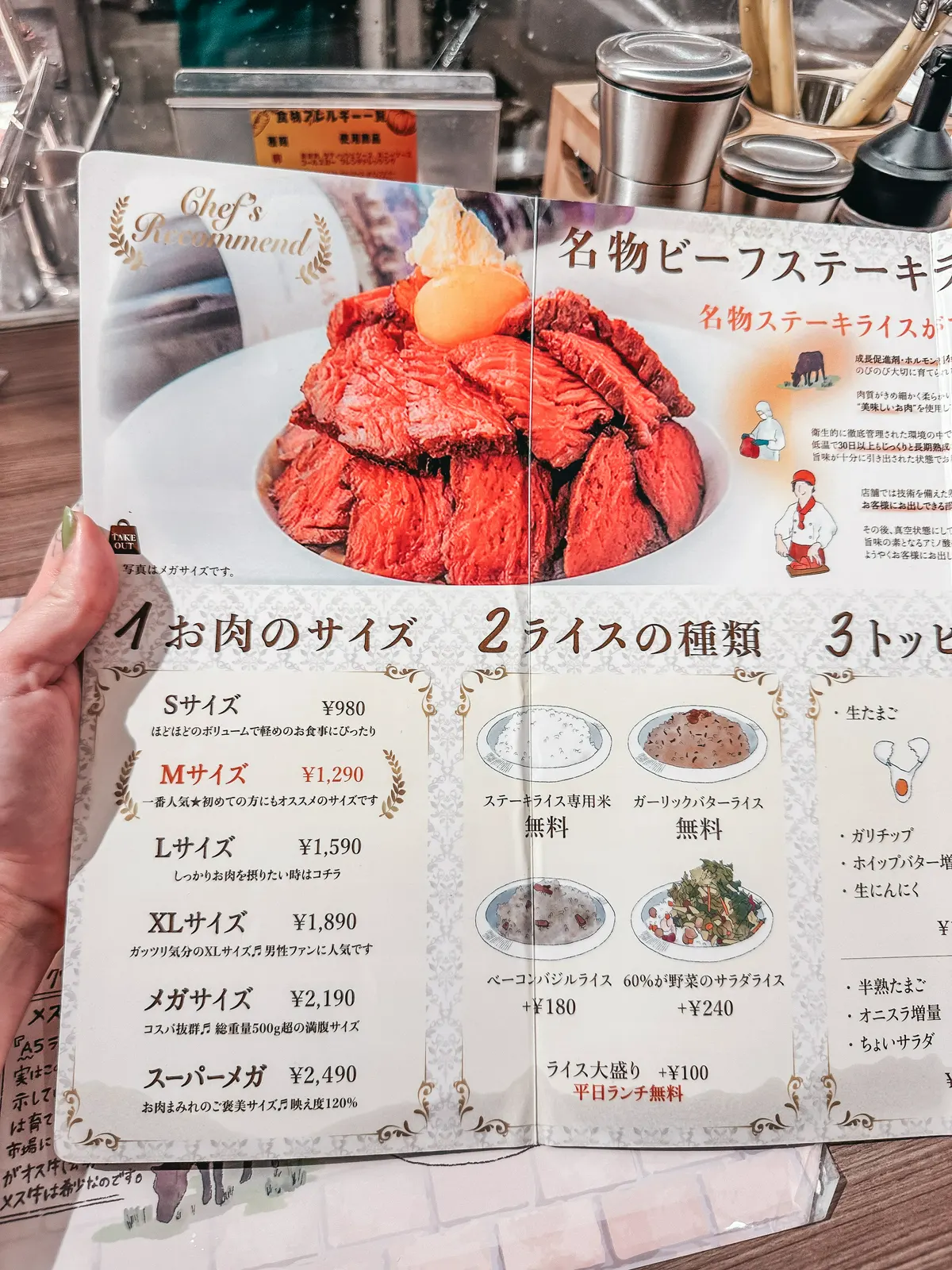
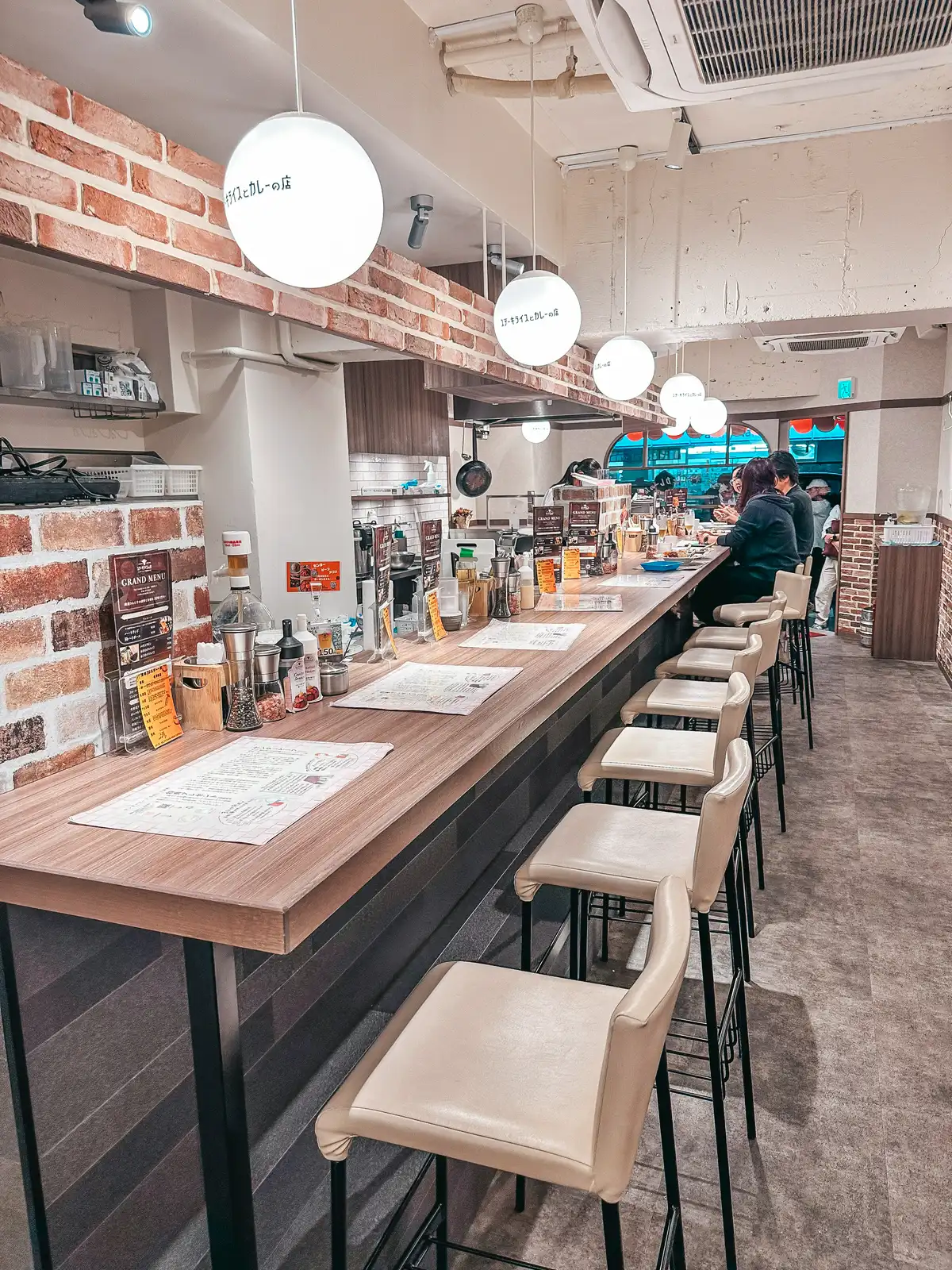
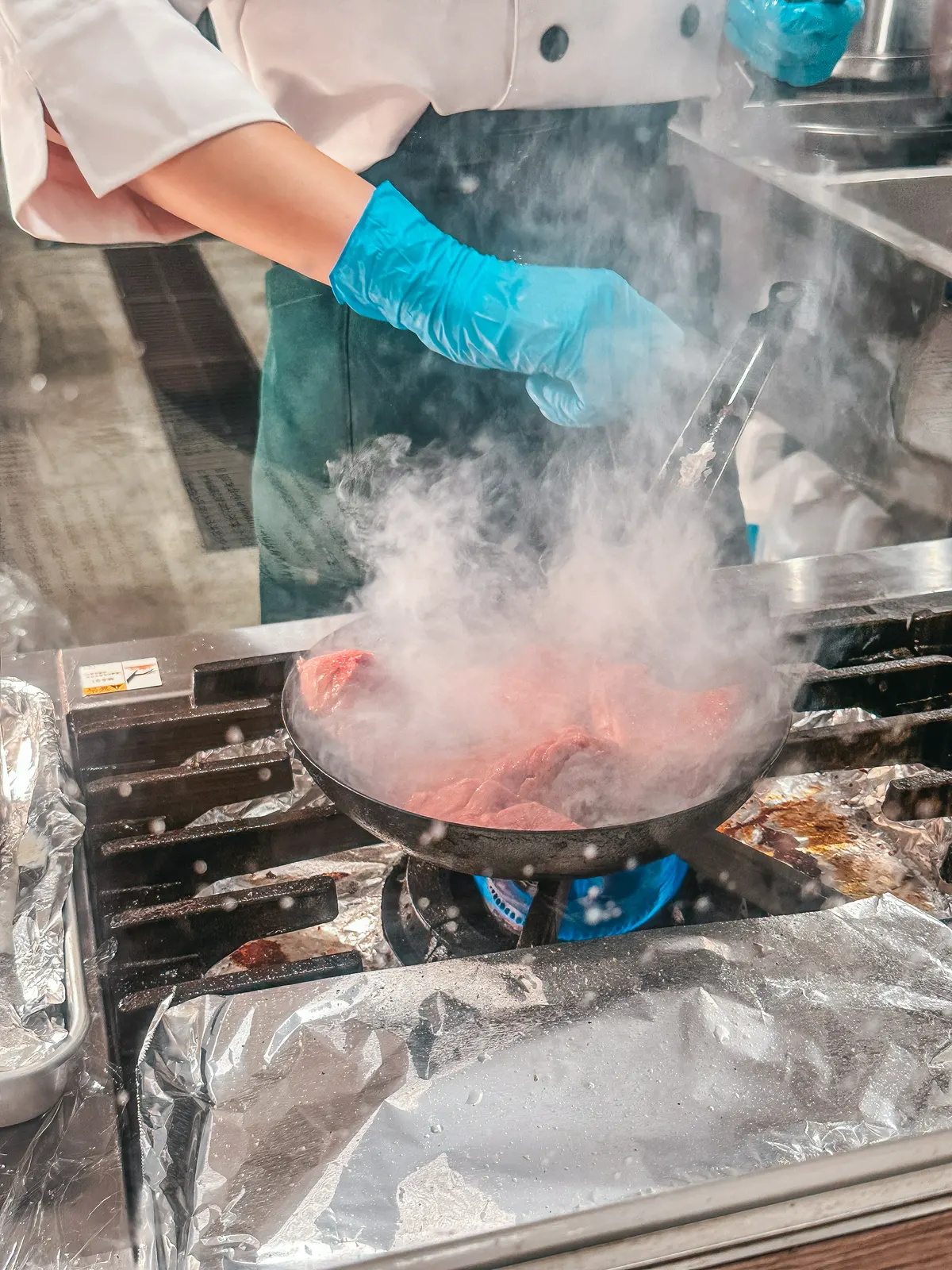
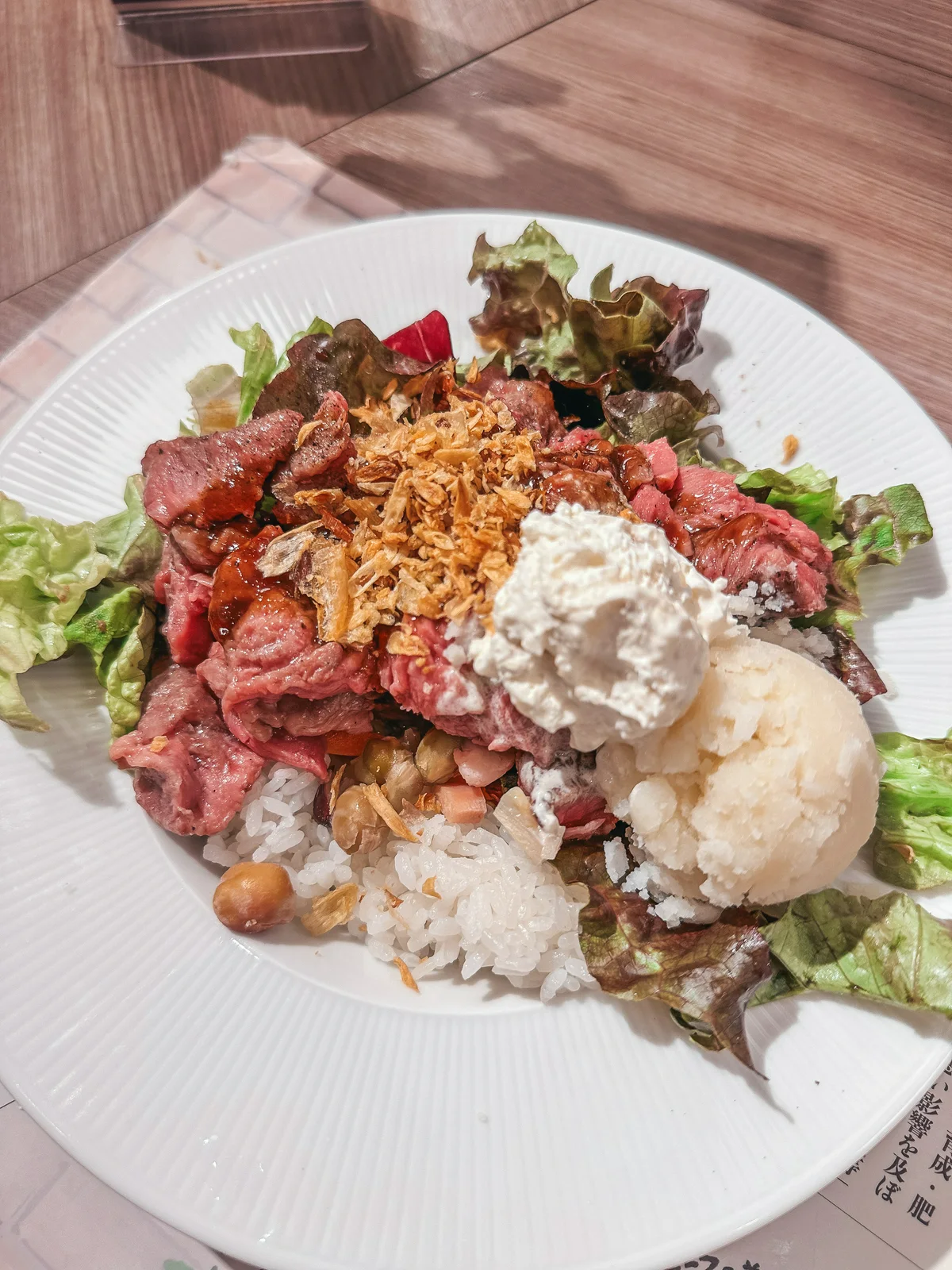
When it comes to dining in Tokyo, I haven’t overloaded this itinerary with restaurant reservations because the options are endless, and honestly, it’s hard to predict exactly where you’ll be when hunger strikes. That said, if you get the chance, I highly recommend eating at Japanese Steak Bowl and Beef Curry.
The food was phenomenal: perfectly cooked beef over garlic rice in a tiny, intimate space with fewer than 15 seats. We were lucky to snag four spots, not together, but we didn’t mind.
For four of us, the meal plus a few glasses of wine cost around $50, which felt like such a win. It was casual, quick, and so satisfying after a long day.
Shinjuku
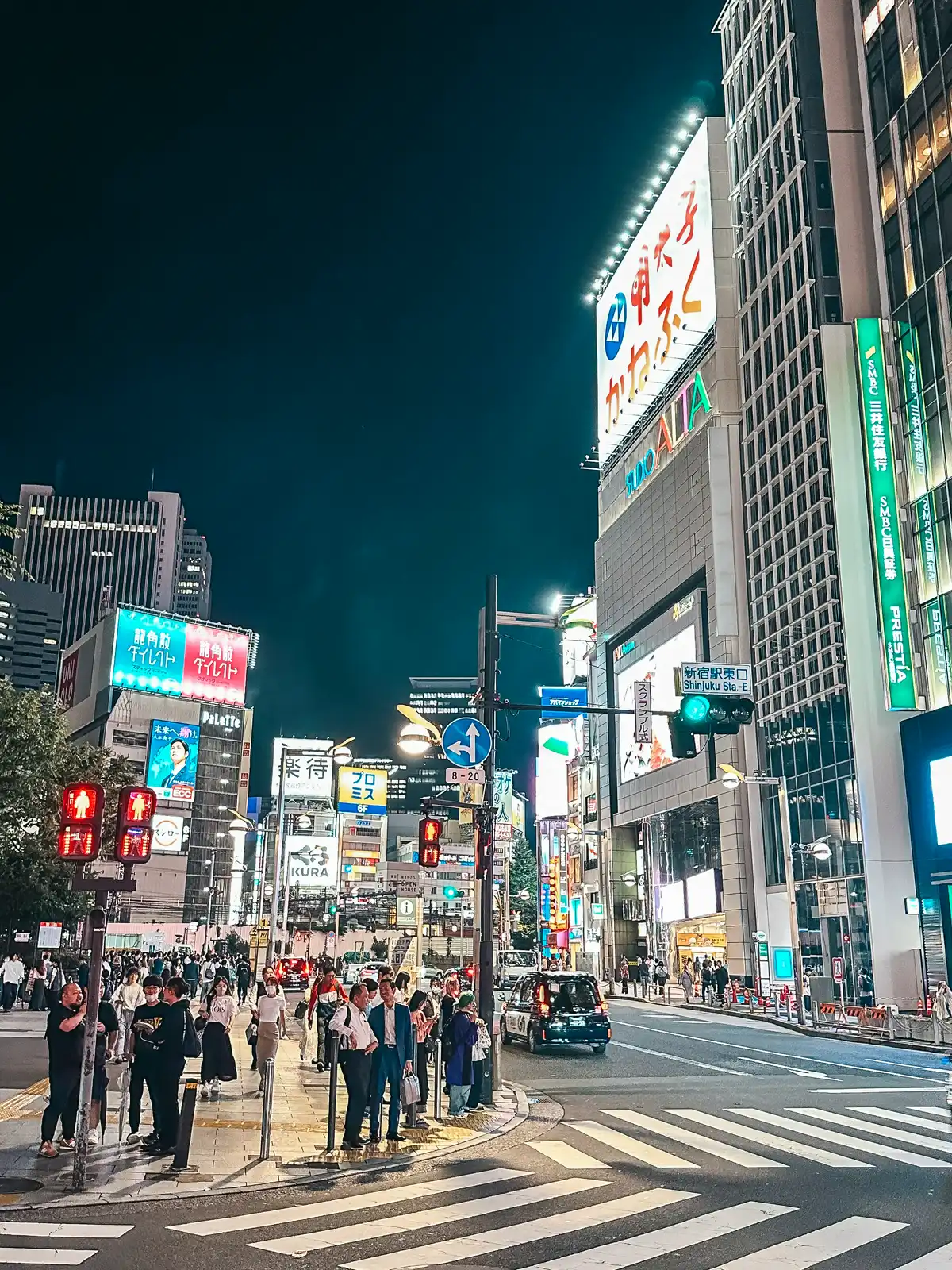
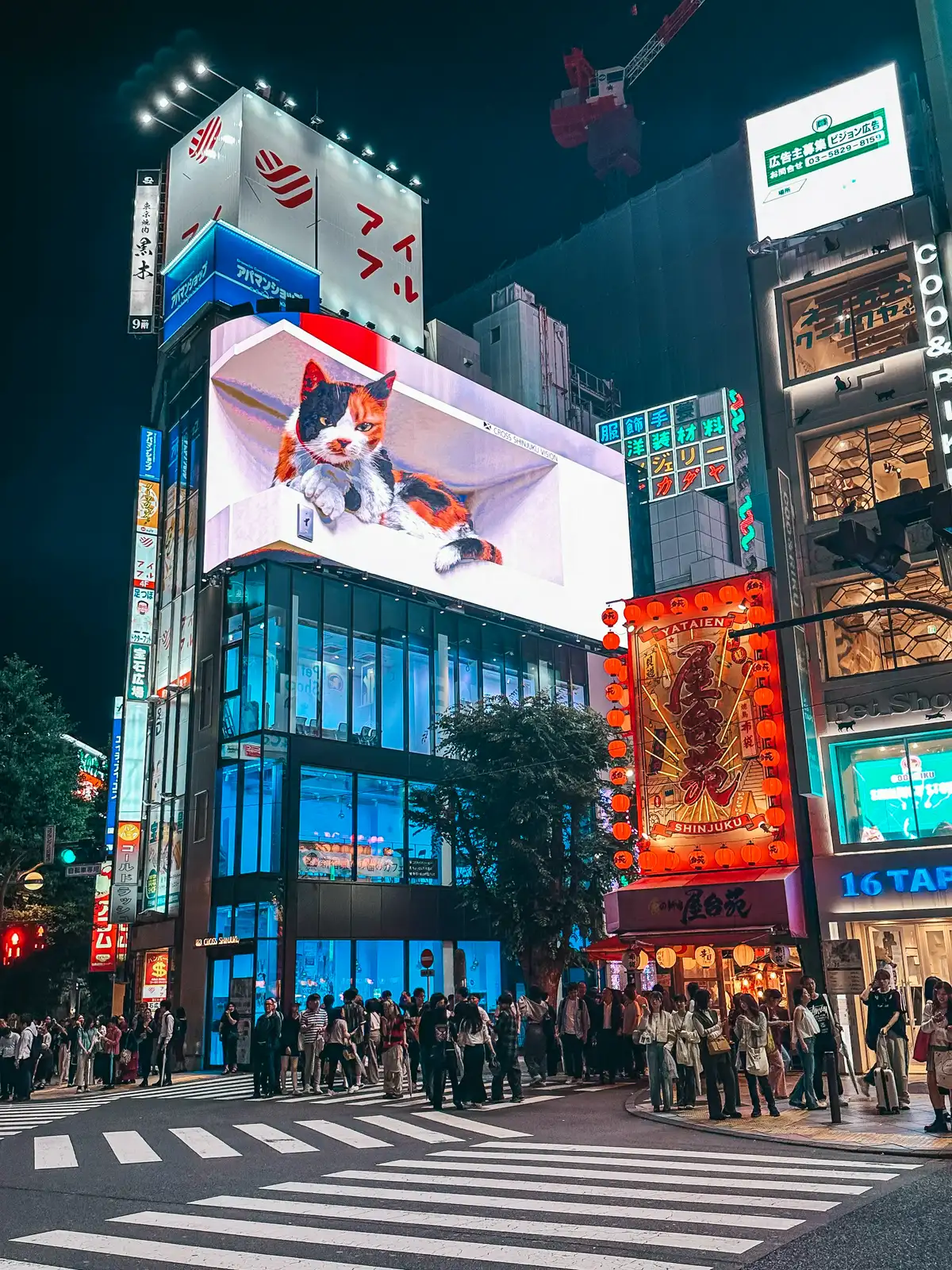
Cap off your evening in Shinjuku, one of Tokyo’s most vibrant districts. Start by checking out the famous 3D cat billboard near Shinjuku Station. It’s quick, quirky, and one of those silly little stops that still feels memorable because Tokyo does digital spectacle so well.
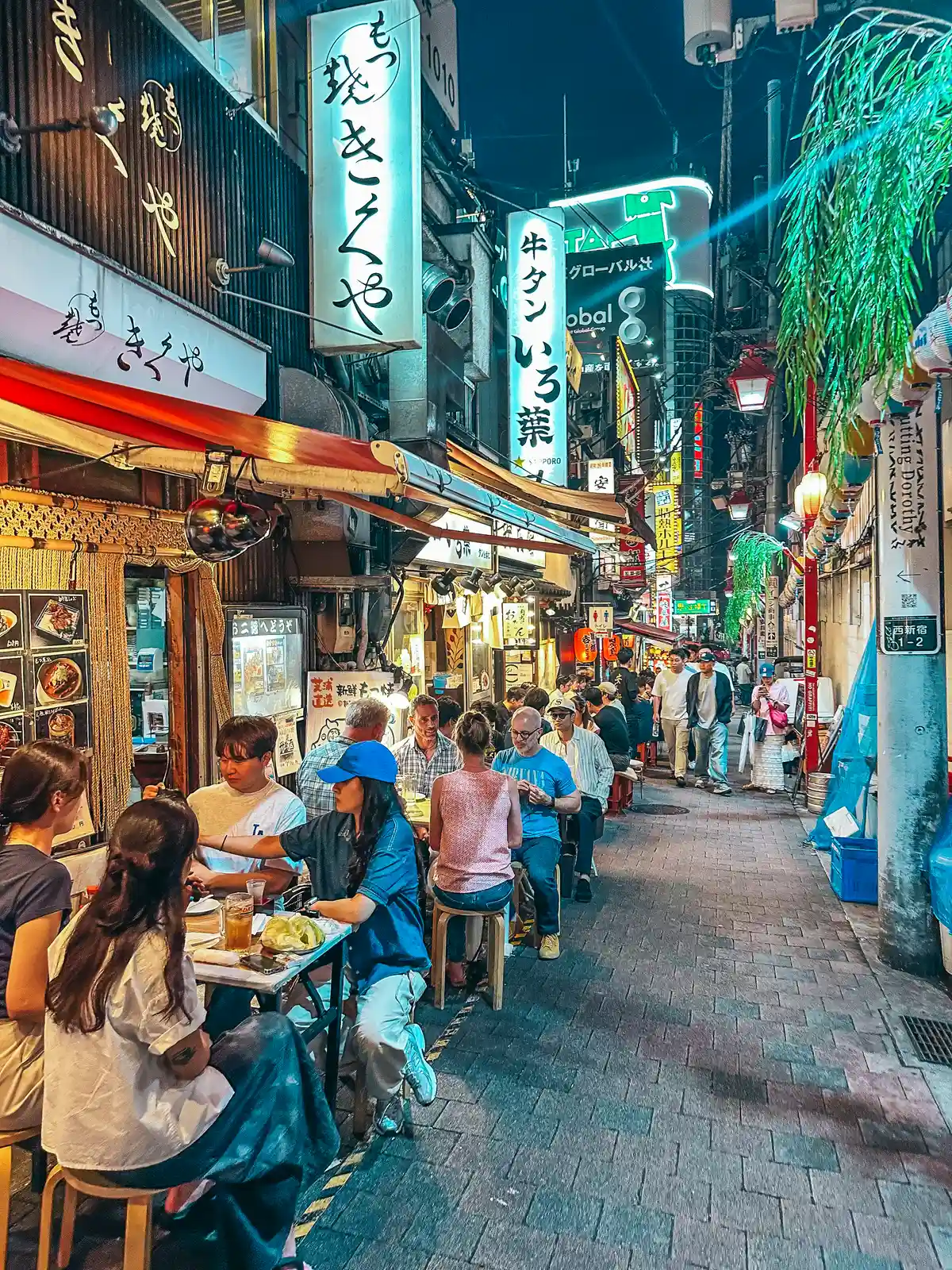
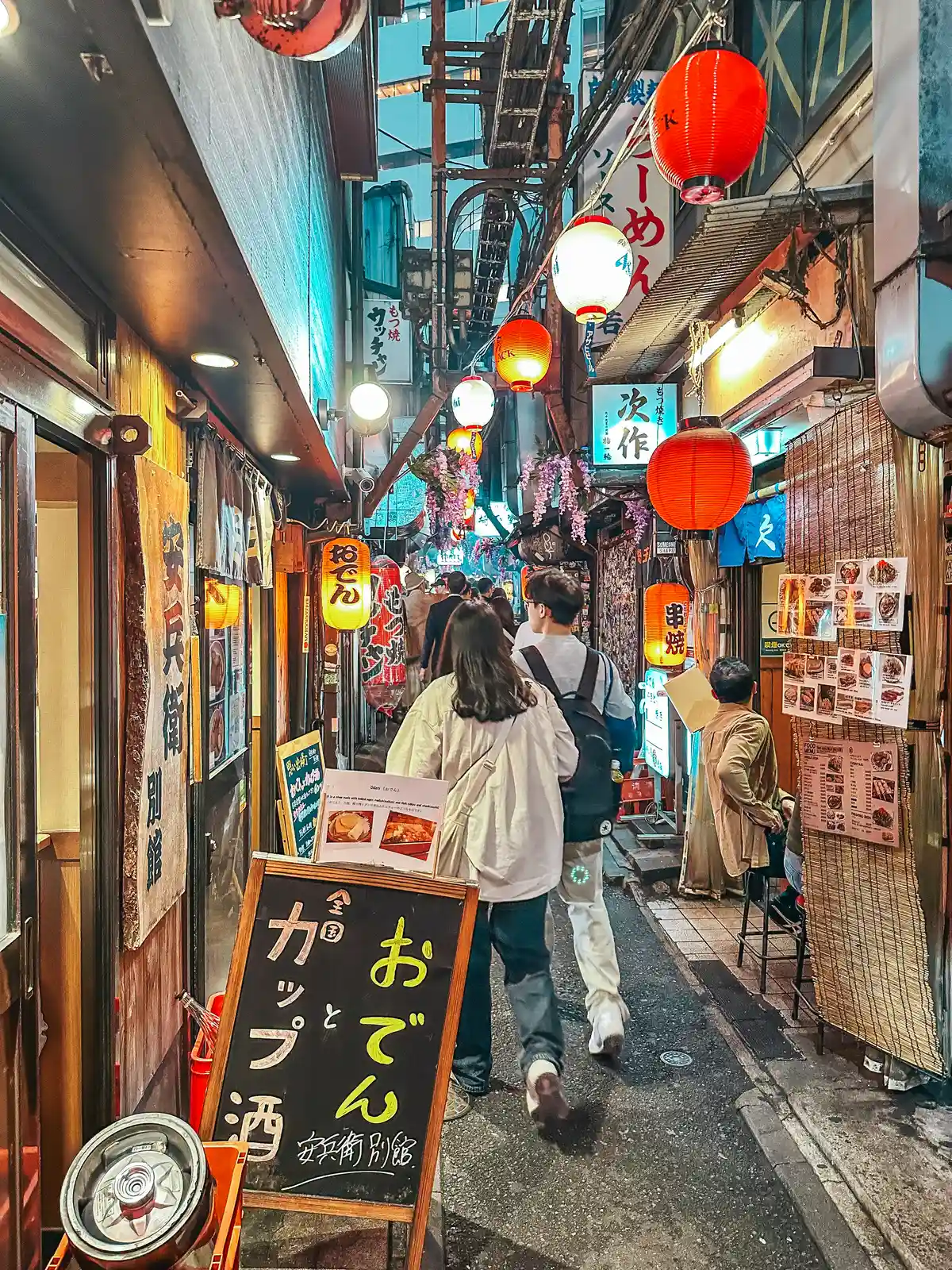
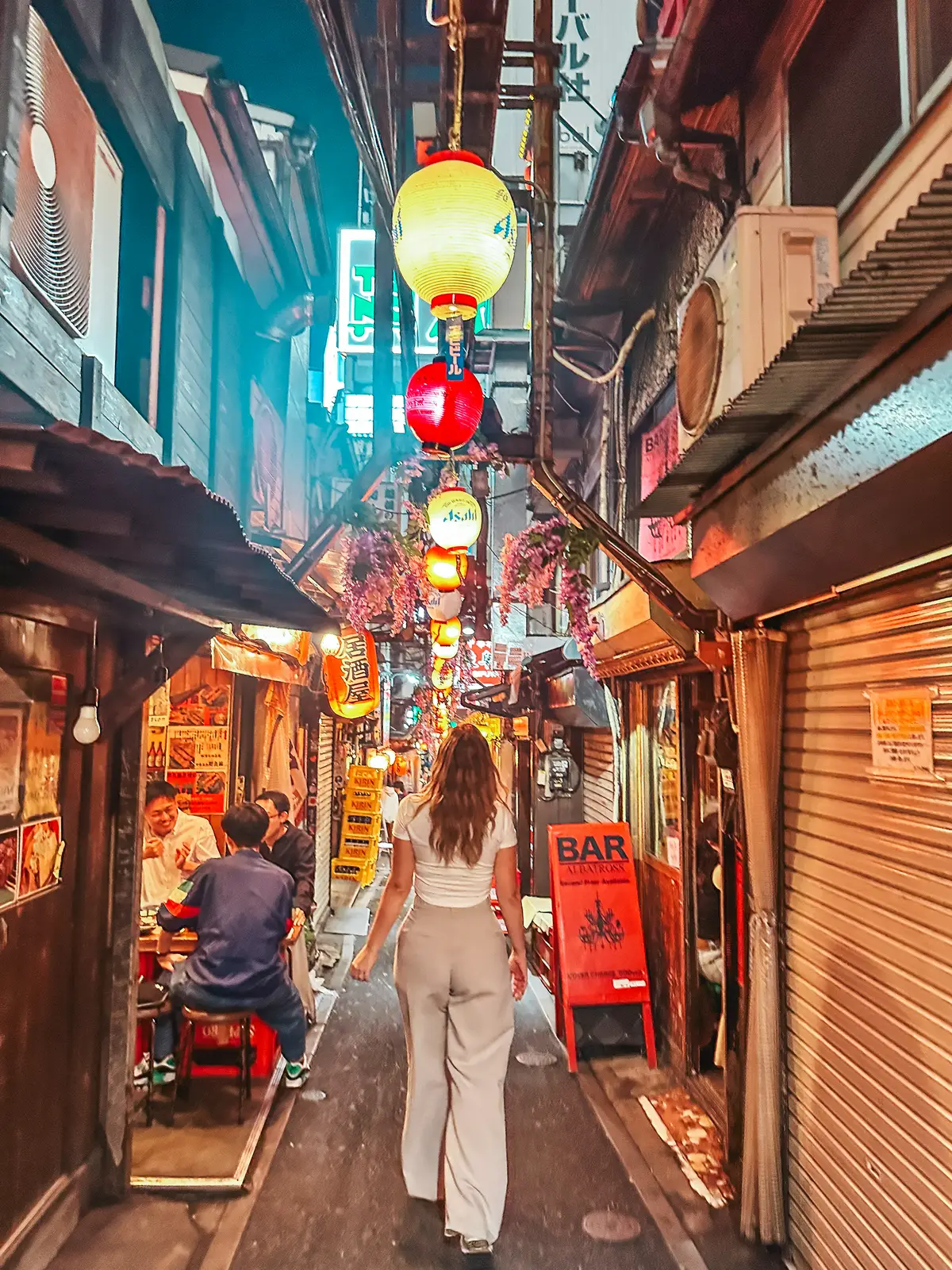
Then, head to Omoide Yokocho, also known as Piss Alley. Despite the unflattering nickname, this lantern-lit alley is such a charming slice of old Tokyo, packed with tiny izakaya, yakitori shops, and little eateries.
It’s narrow, smoky, lively, and atmospheric in a way that feels completely different from polished Shibuya Sky earlier in the night.
With just 3 days in Tokyo, it’s impossible to fit in every tour and activity, so I’d prioritize based on your travel style. But this Tokyo bar hopping tour through Shinjuku’s hidden gems is one I’ll definitely be doing next time. This is exactly the kind of neighborhood where having a local show you around would make the night feel more relaxed and less like you’re awkwardly hovering outside tiny doorways wondering if you’re allowed in.
Day 3
Morning: Fluffy Pancakes + Yoyogi Park
Fluffy pancakes
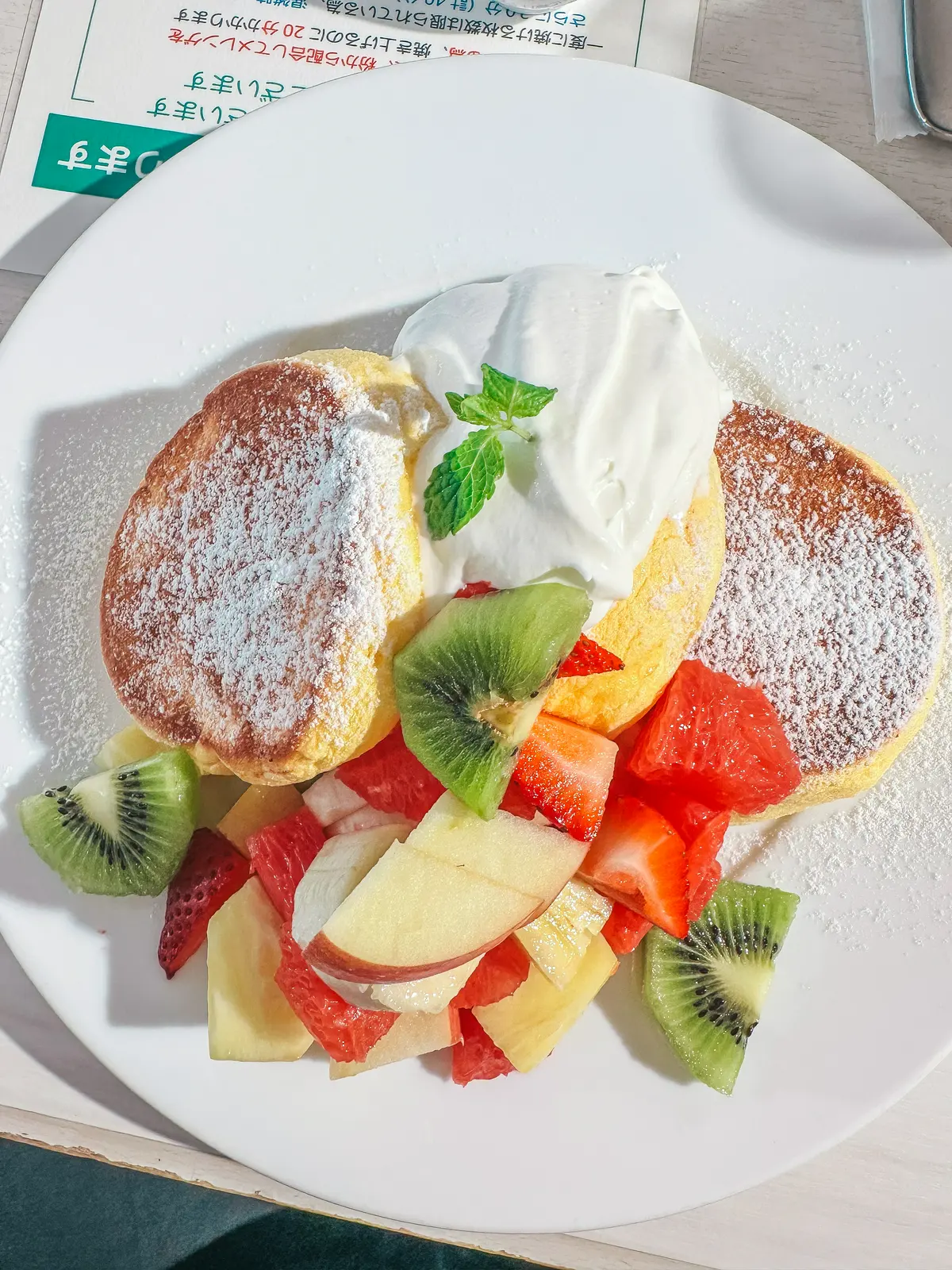
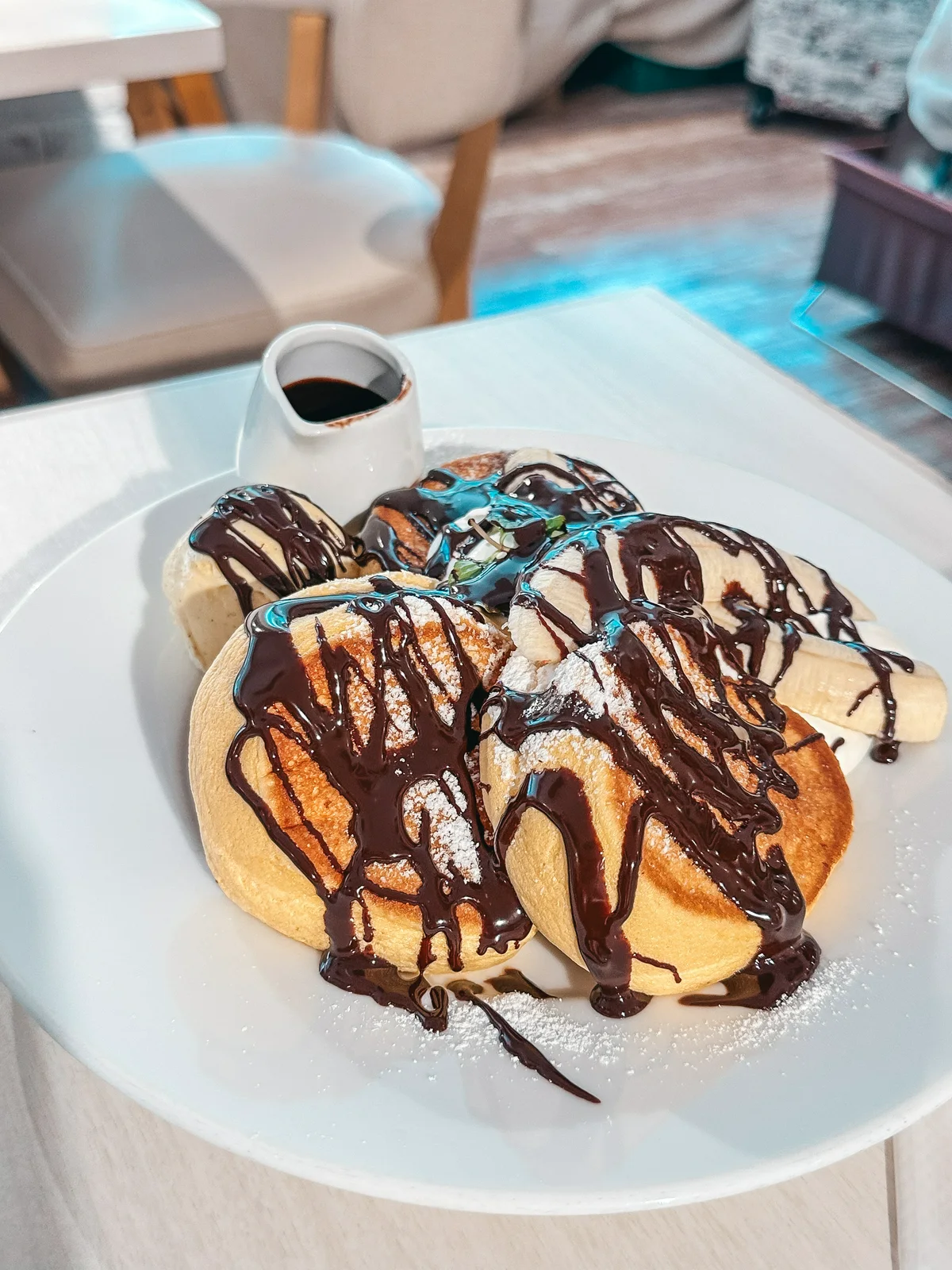
The final day of your 3 days in Tokyo starts with one of Japan’s cutest breakfast trends: fluffy pancakes. These are the jiggly, cloud-like pancakes you’ve probably seen all over social media. The ones we tried were just okay, so I won’t pretend this was our best meal of the trip, but I still think it’s a fun Tokyo experience if you pick a well-reviewed spot.
Make sure to get there early or check whether the spot you want takes reservations. Popular pancake cafes can get crowded quickly, and if this is high on your Tokyo bucket list, I would not leave it totally to chance.
If it’s more of a “cute if it works out” stop for you, keep it flexible and don’t sacrifice half your morning waiting in line.
Yoyogi Park
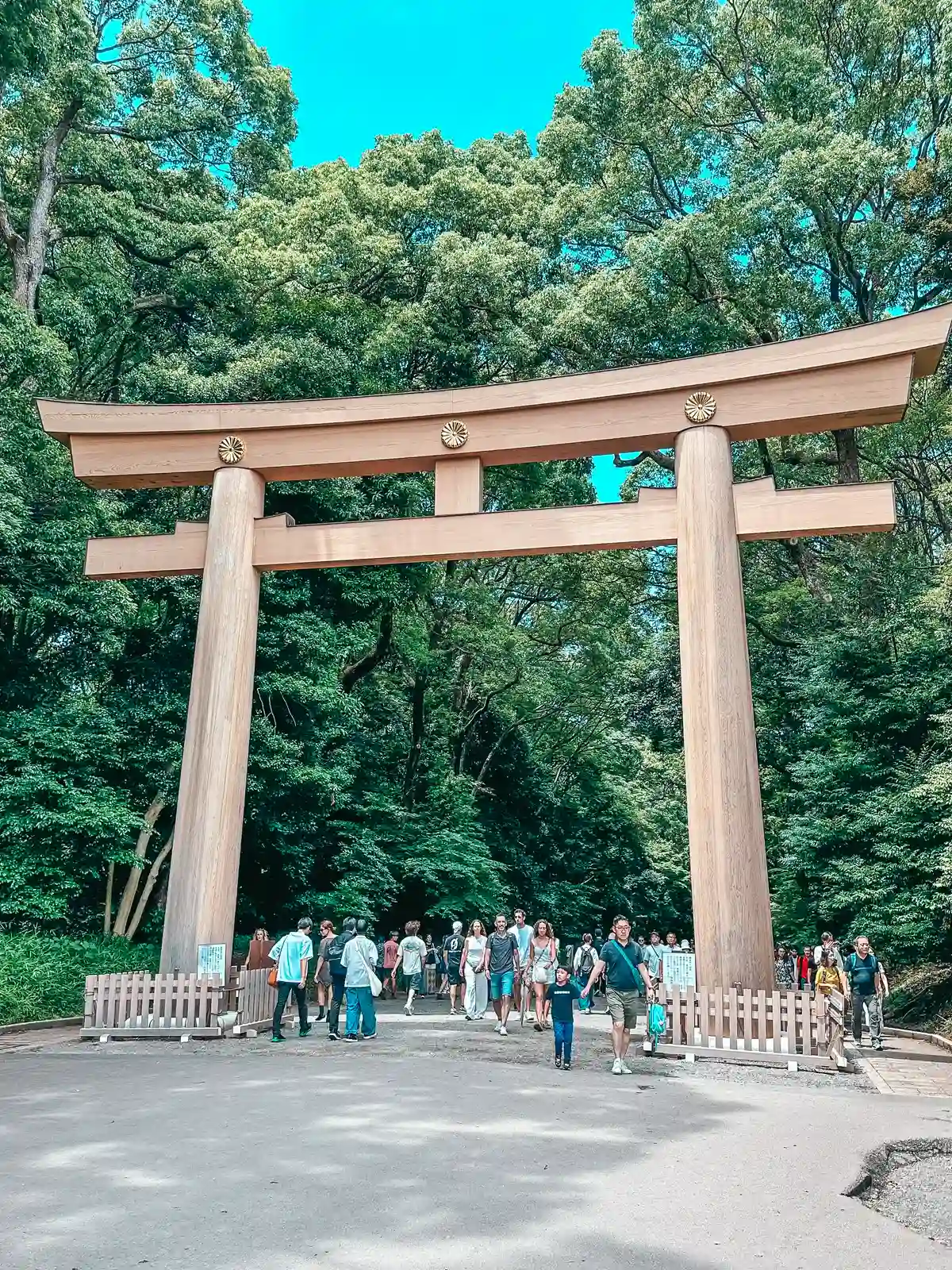
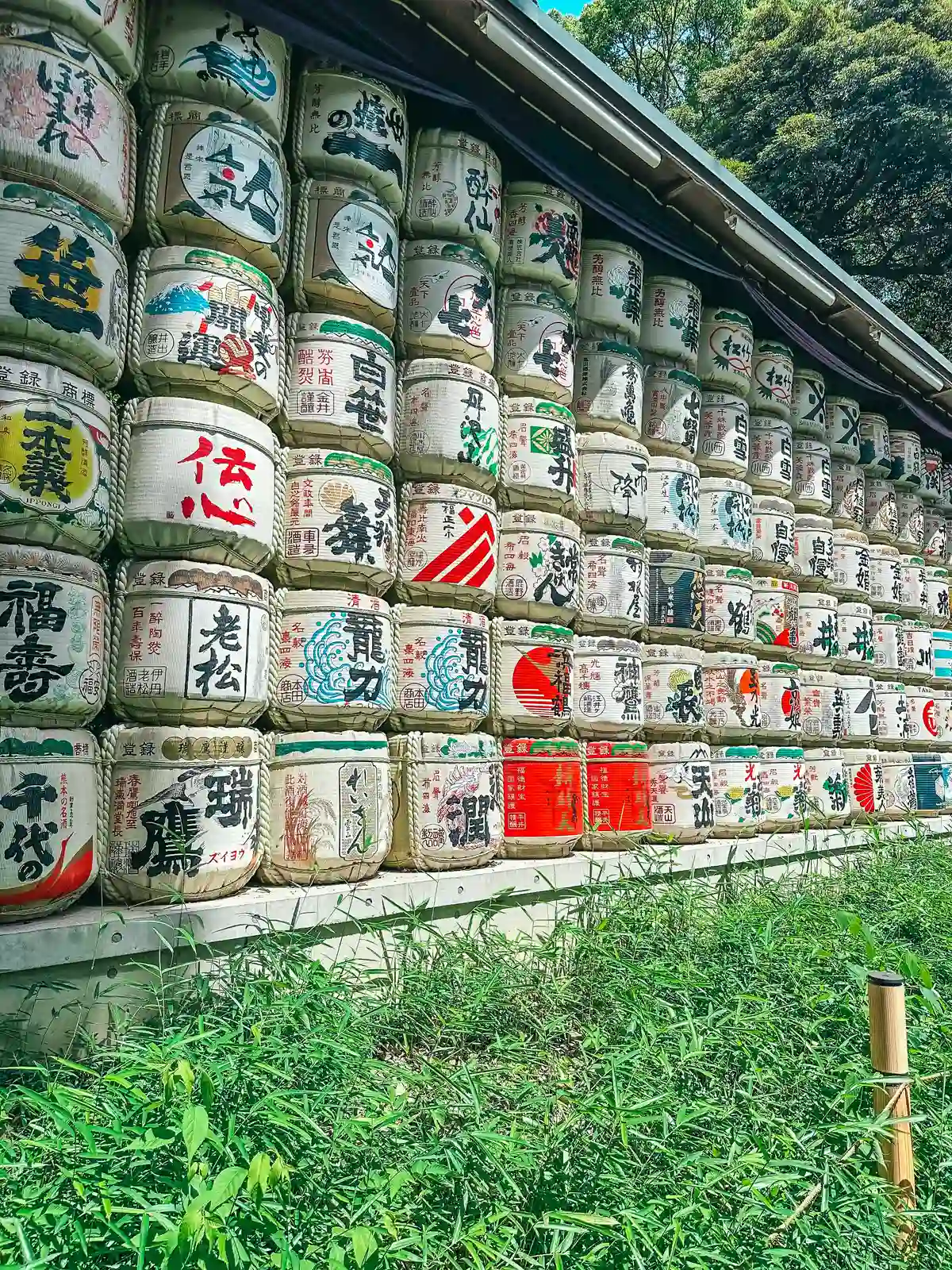
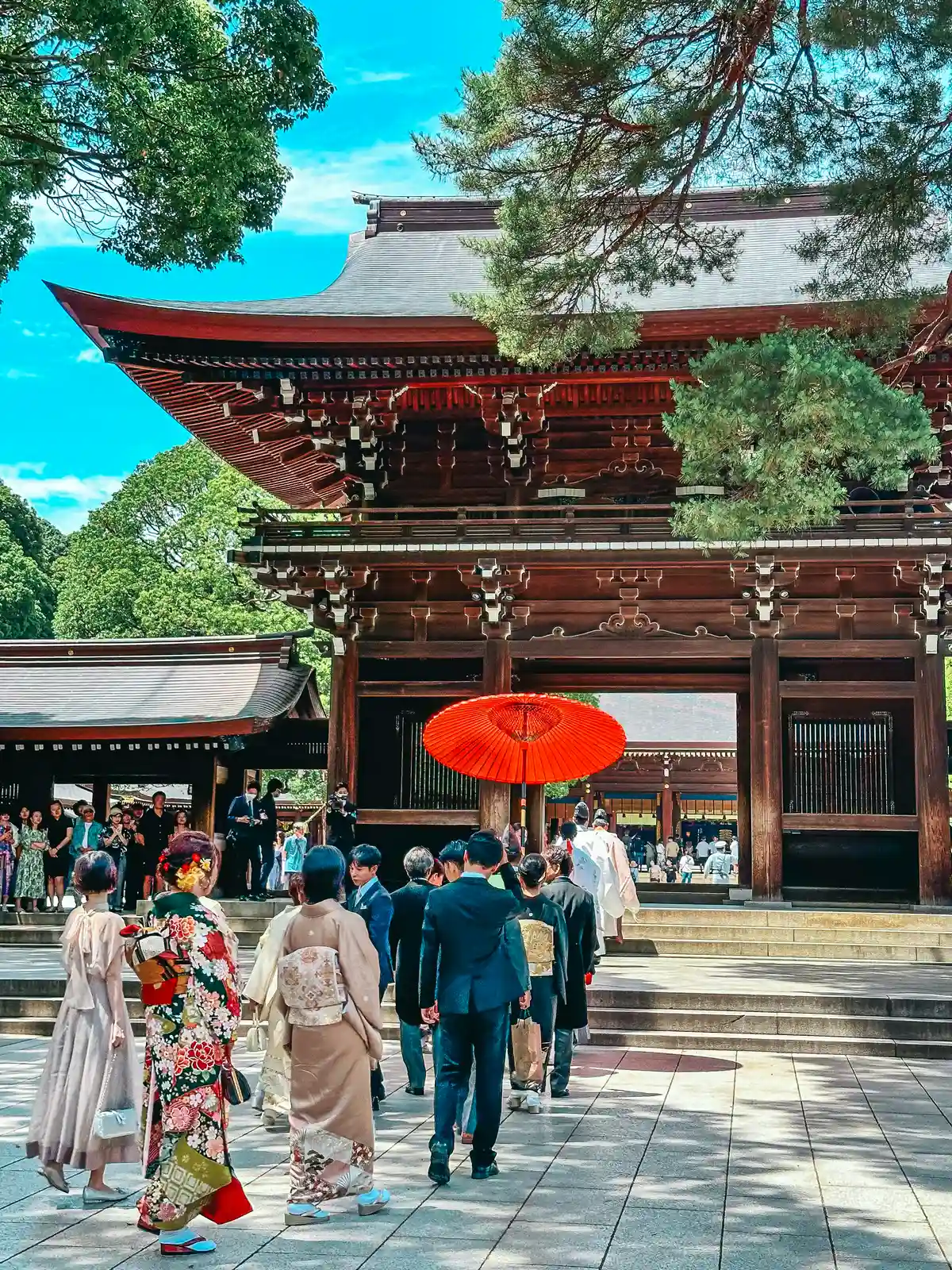
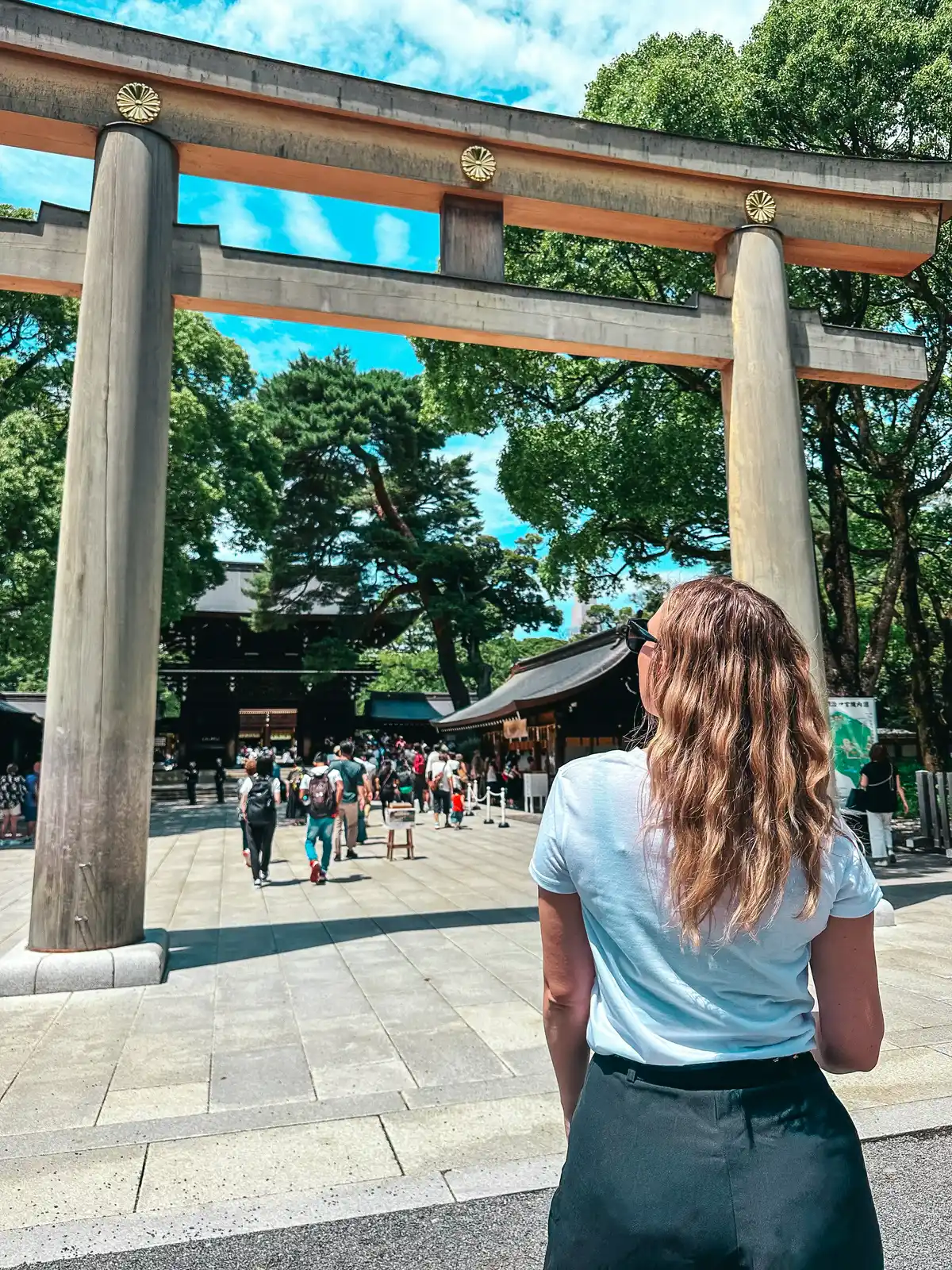
Once you’re fueled up, head to Yoyogi Park, one of Tokyo’s most popular green spaces. I love putting this on the final morning because it gives you a calmer start before Harajuku’s colorful chaos.
Within the park is Meiji Jingu, a serene Shinto shrine surrounded by lush greenery, towering gates, and quiet walking paths. Expect to spend about an hour here, or longer if you want a slower morning.
Afternoon: Harajuku + Takeshita Street
Harajuku
After Yoyogi Park, make your way to Harajuku, a district famous for street fashion, quirky shops, sweets, and youth culture. This area is best when you don’t over-plan it. Wander slowly, pop into shops that catch your eye, and let yourself be a little overstimulated. That’s kind of the whole point.
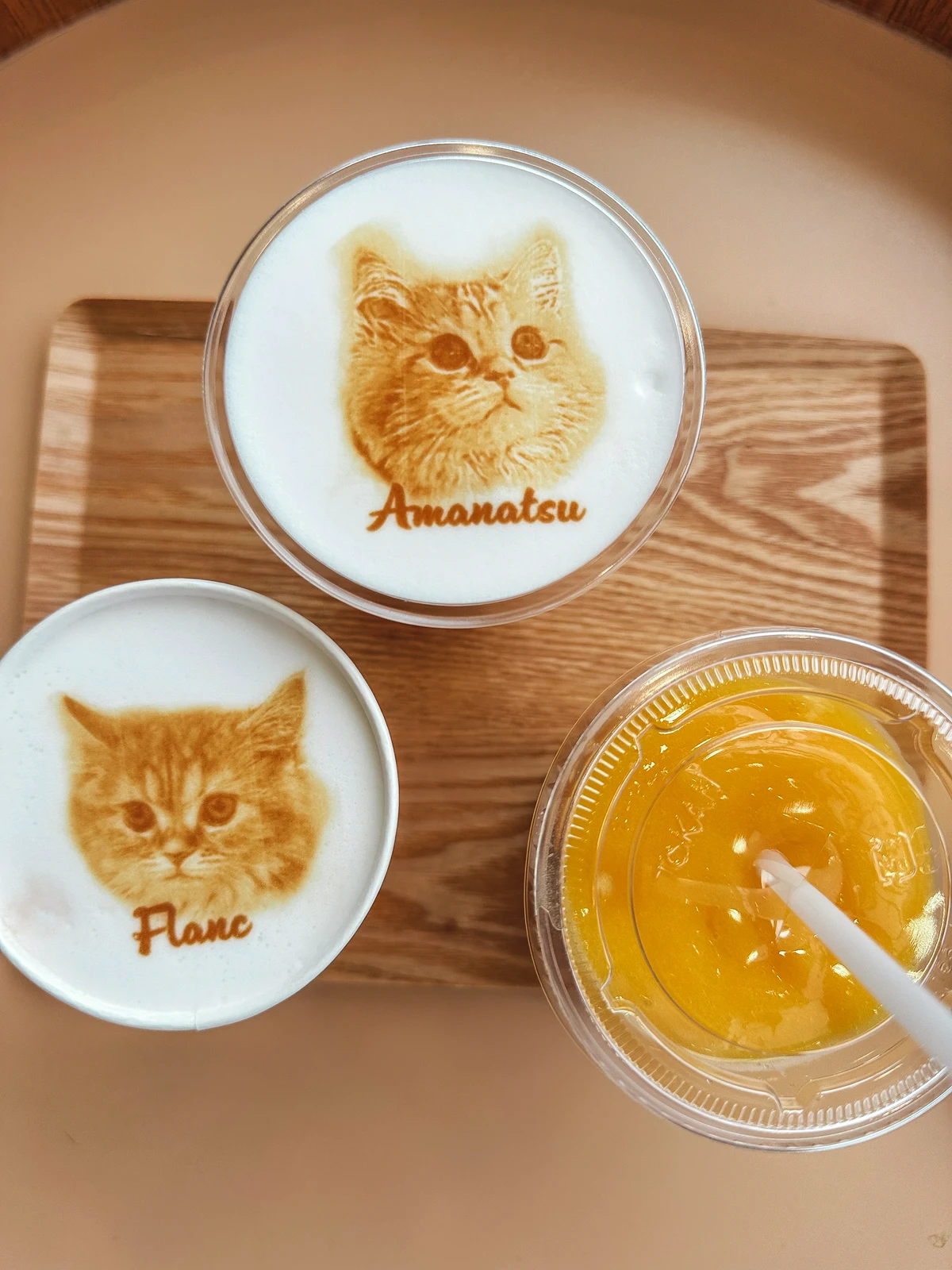
While you’re here, you might also want to pop into Reissue Cafe for a coffee with a twist. They specialize in latte art that can recreate just about anything in your foam, even your pets. We skipped it because there was an extra fee and everyone had to order food with their coffee, but I can see the appeal if you’re into novelty cafes and cute photo moments.
Takeshita Street
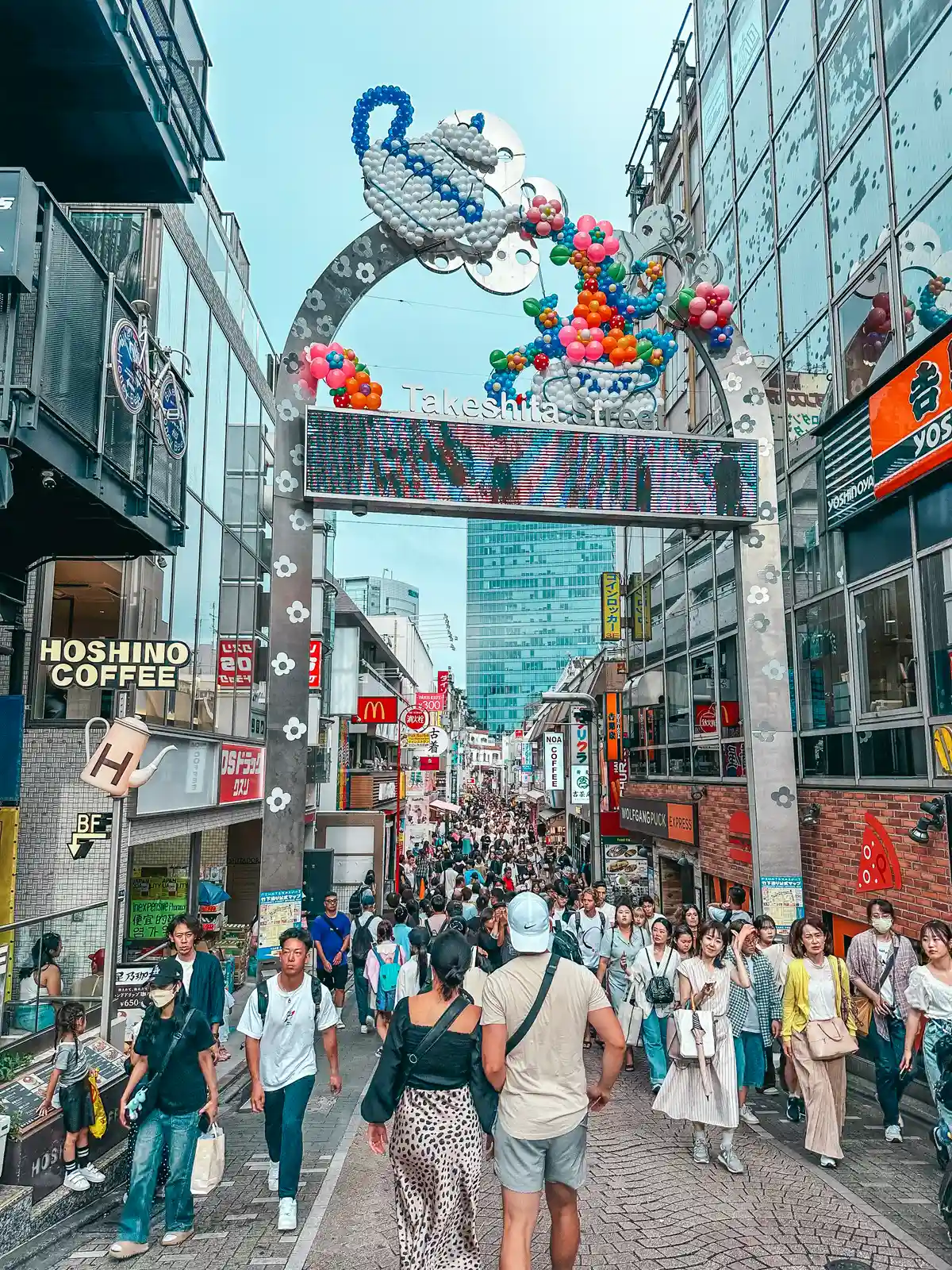
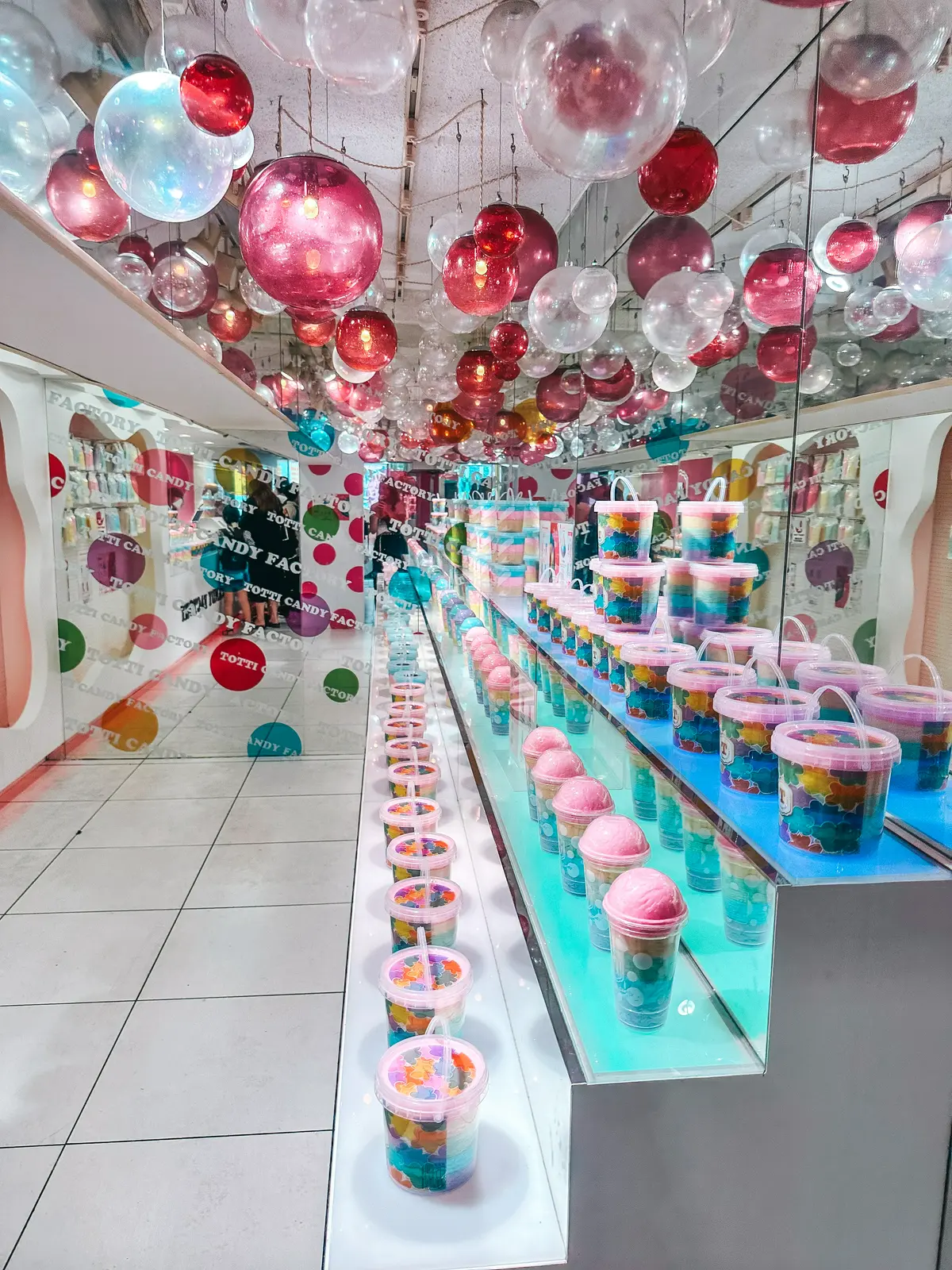
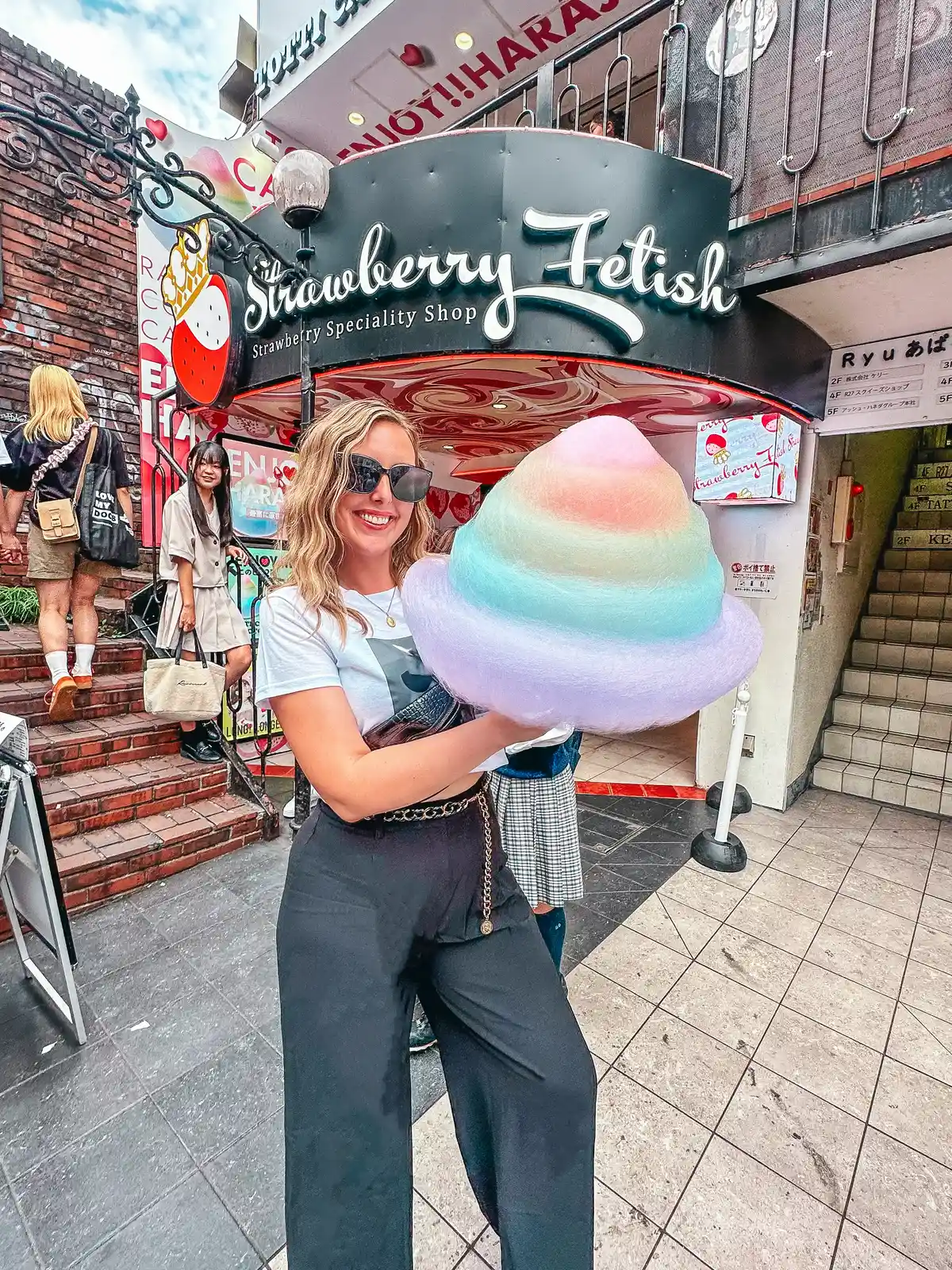
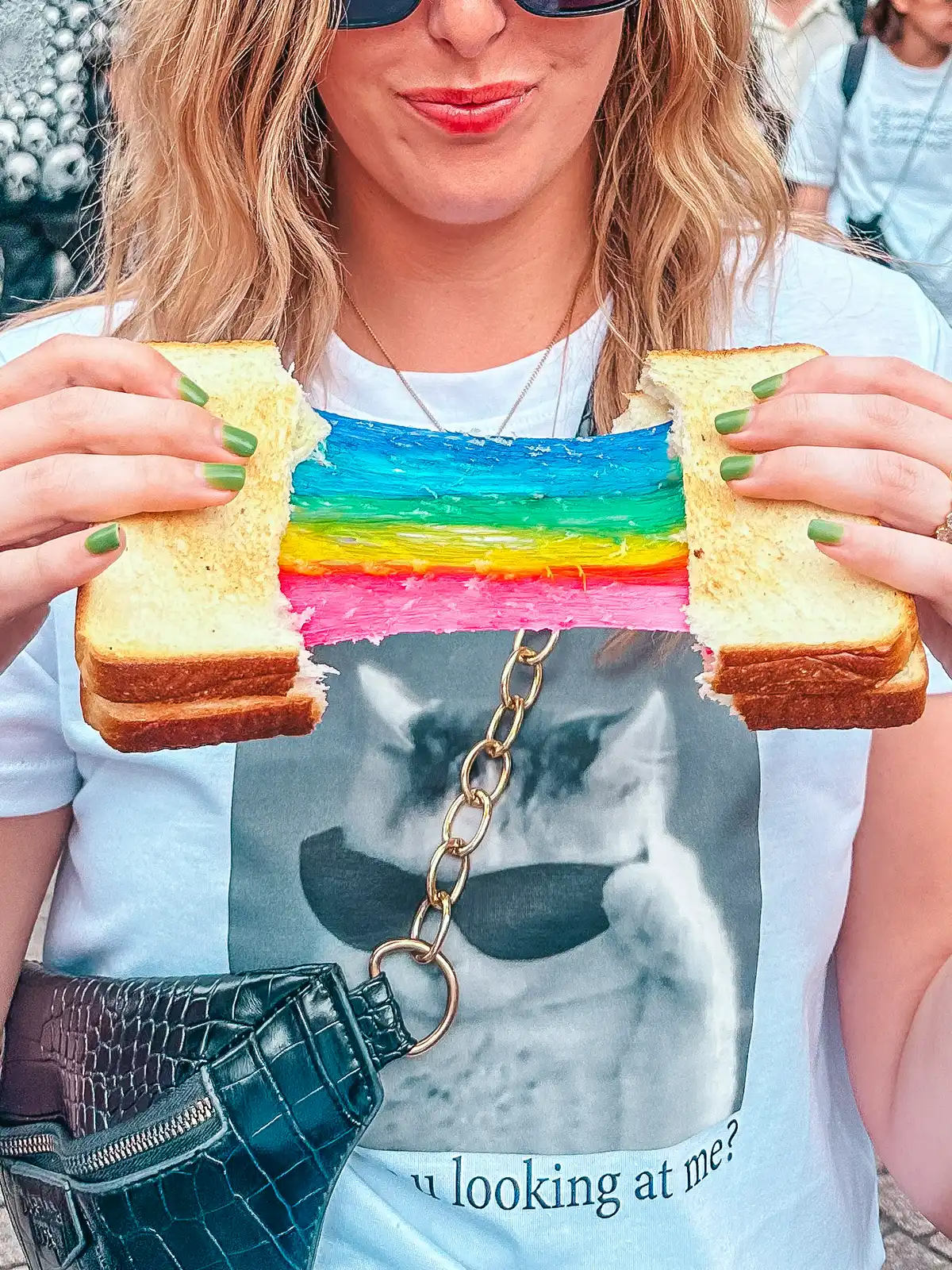
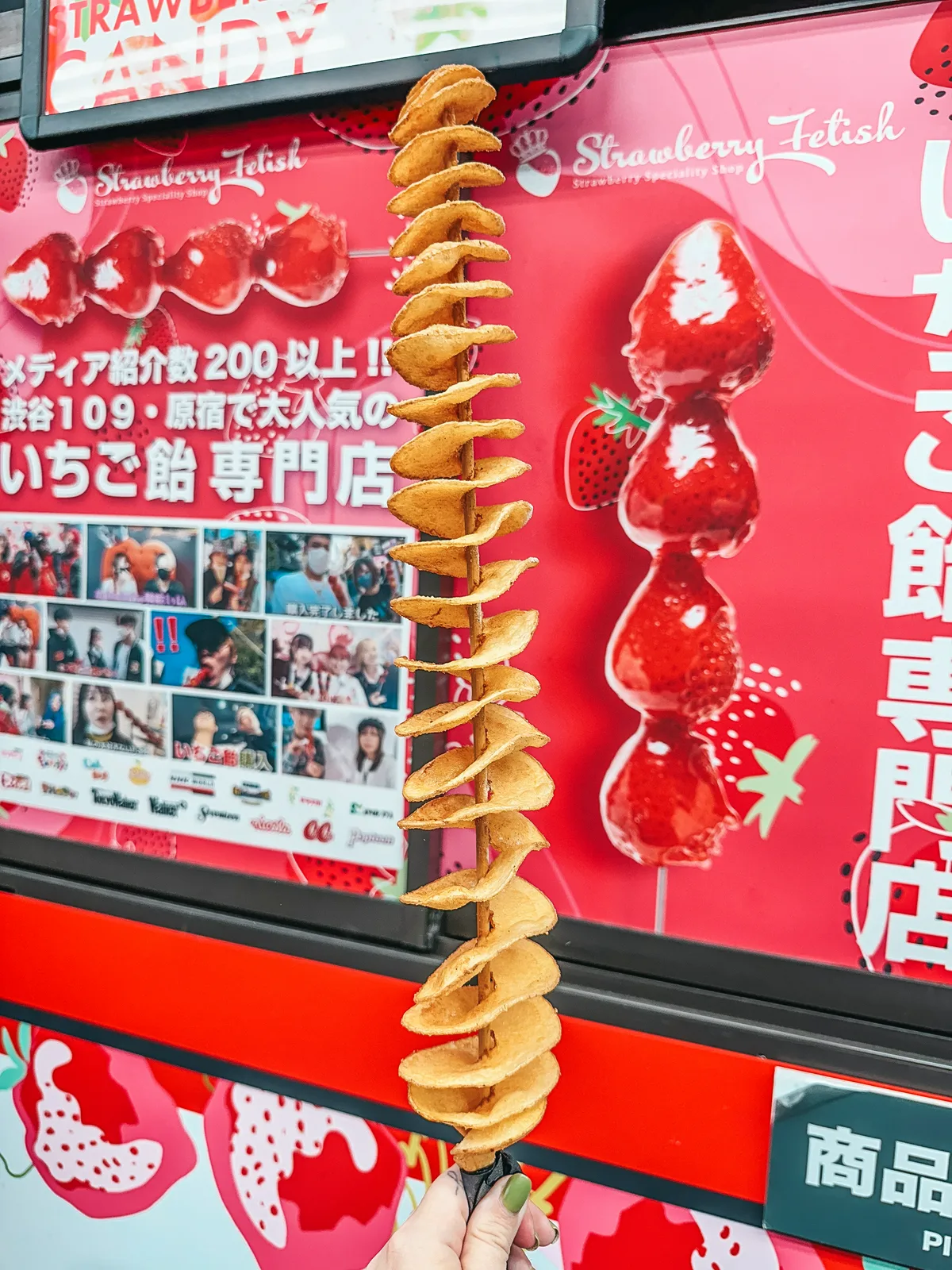
Next, head over to Takeshita Street, the heart of Harajuku’s youth culture. This street is famous for its quirky shops, colorful atmosphere, and outrageous snacks. Think potato tornadoes, rainbow cotton candy, and rainbow grilled cheese.
Is it touristy? Yes. Is it still fun? Also yes. Come with an appetite, a little patience for crowds, and the understanding that this is more about the experience than a perfectly polished food crawl.
Cat Cafe
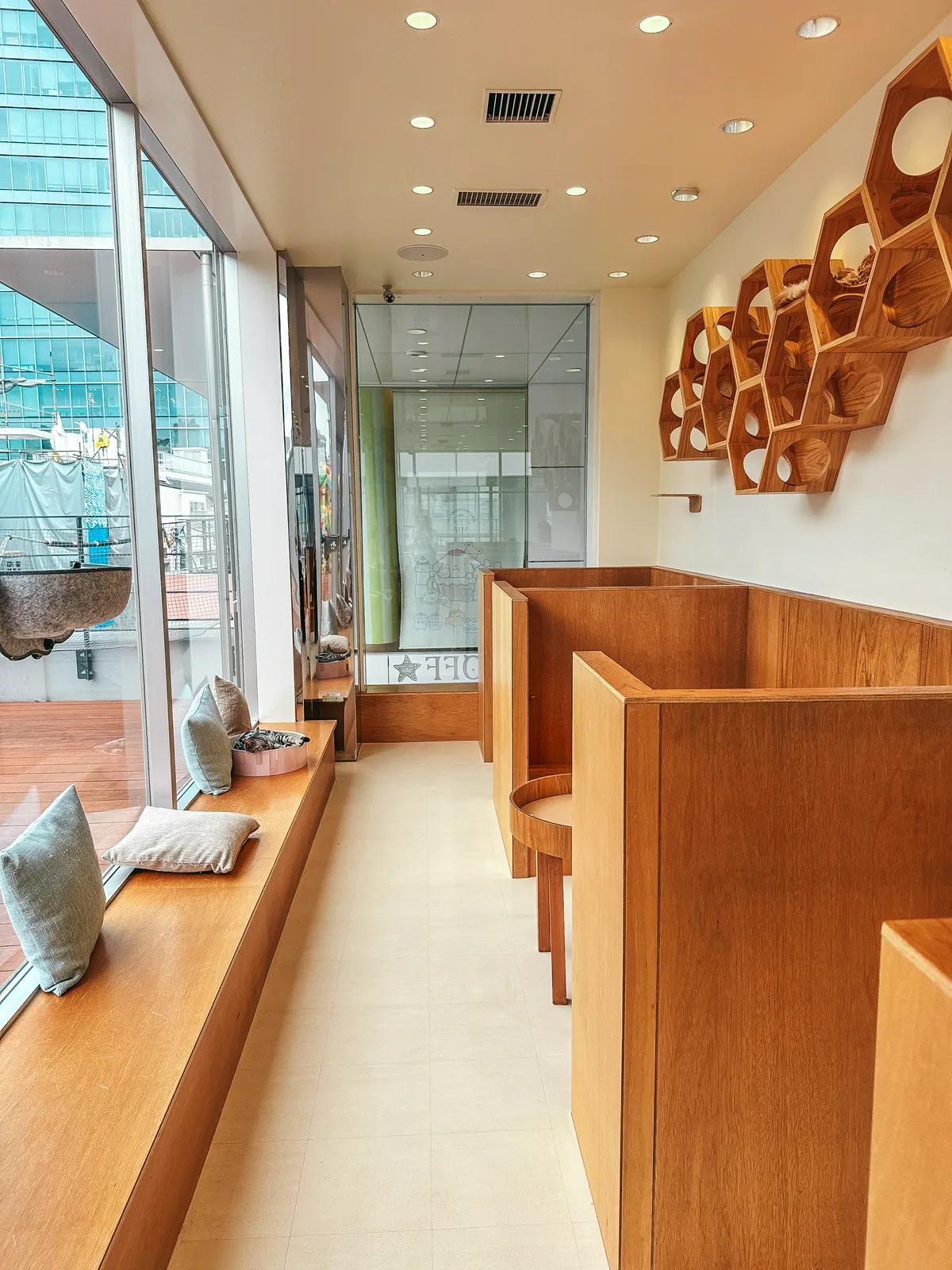
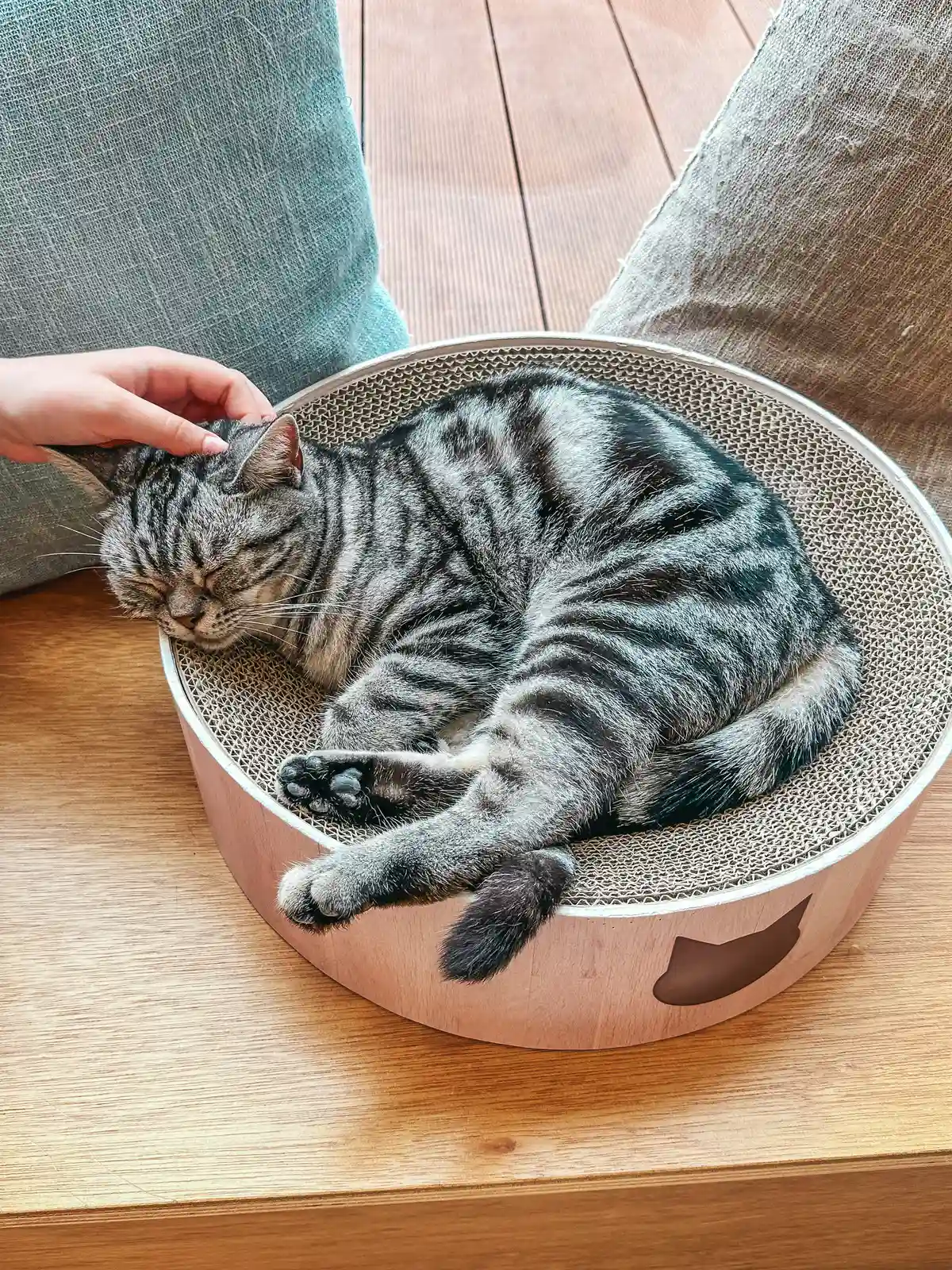
While you’re in the area, stop by a cat cafe like Cat Cafe Mocha. I was missing my kitty so much that I couldn’t resist.
There’s a small fee and a drink requirement, and the coffee honestly wasn’t great, but the sweet cat snuggles made it worth it for me. If you’re sensitive to animal tourism, this is one I’d research before deciding, but I personally enjoyed our visit and thought the space felt calm.


Ramen
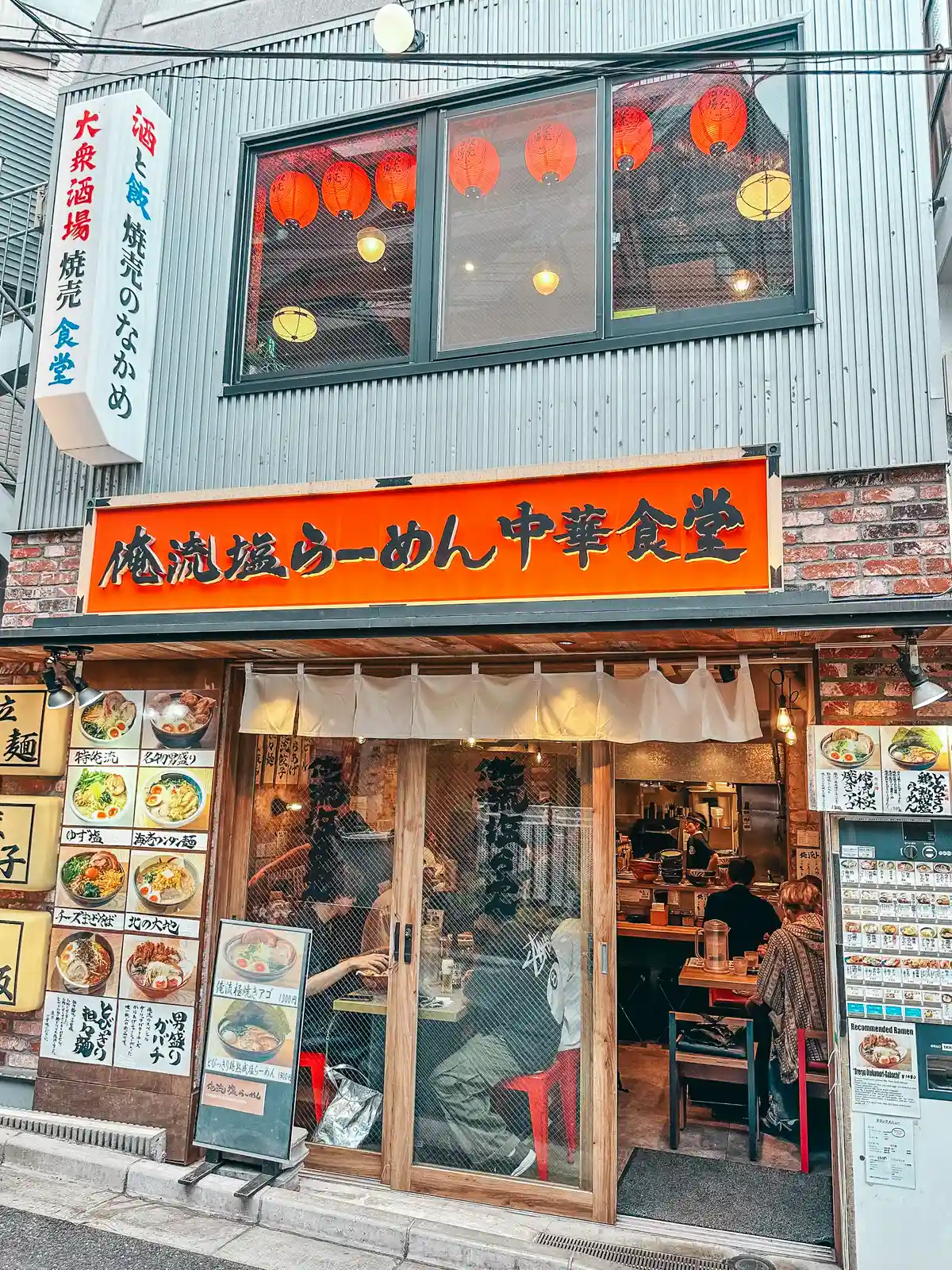
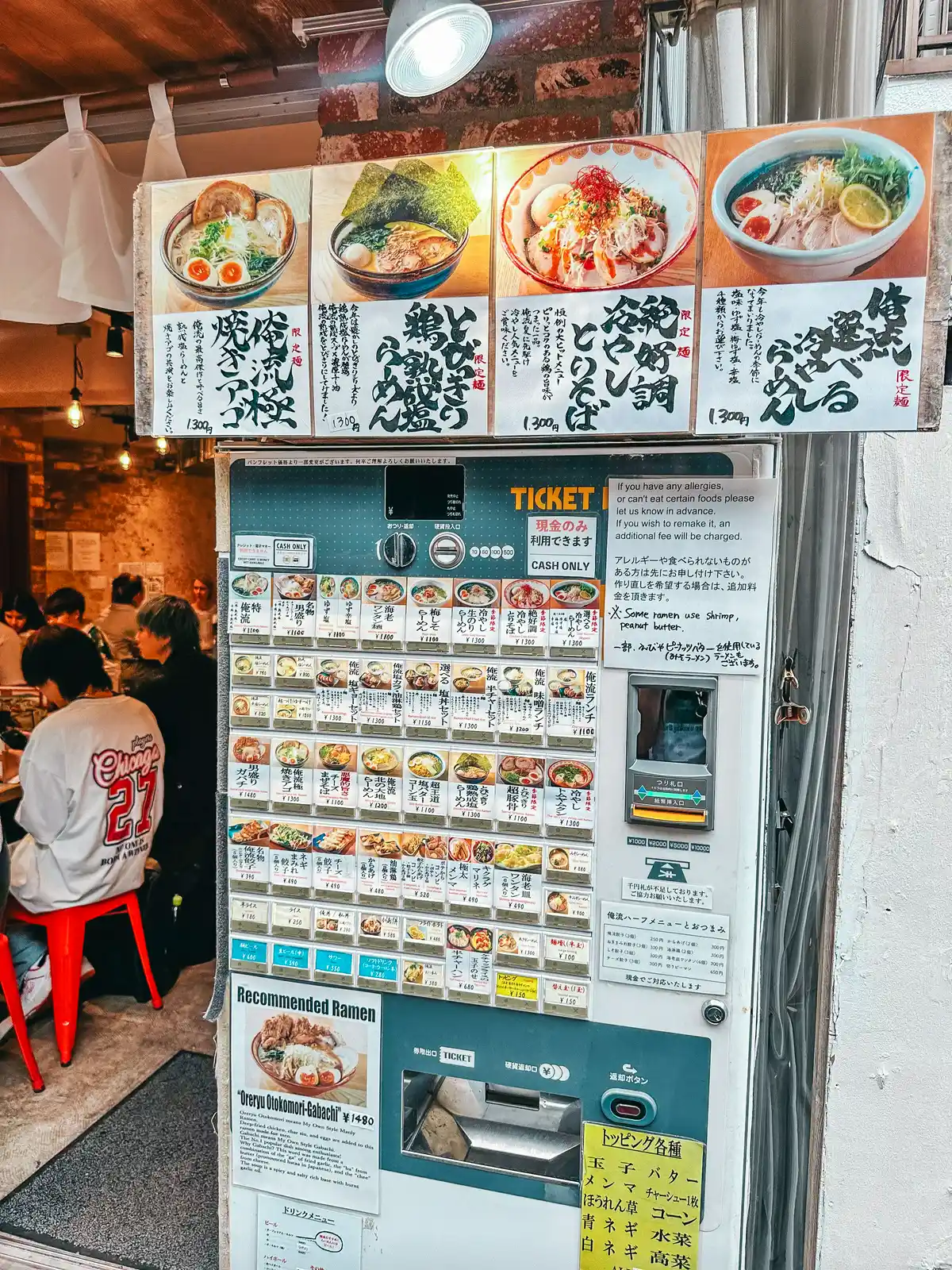
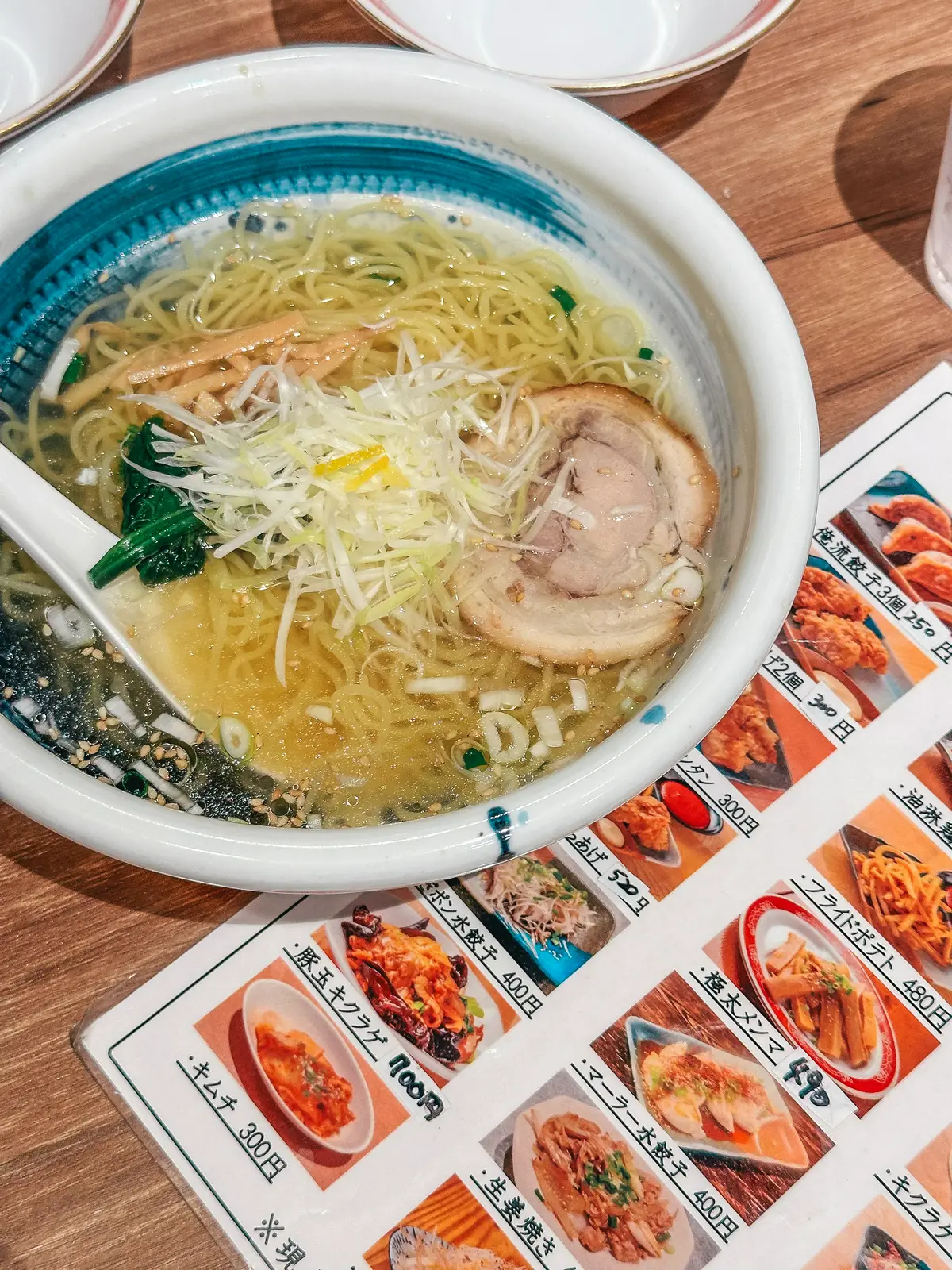
After your Harajuku adventure, it’s time for ramen and dumplings. Head to Oreryu Shio-Ramen for a casual meal where you order from a vending machine and hand your ticket to the staff. I always love these kinds of meals in Japan because they’re quick, affordable, and still feel like part of the experience.
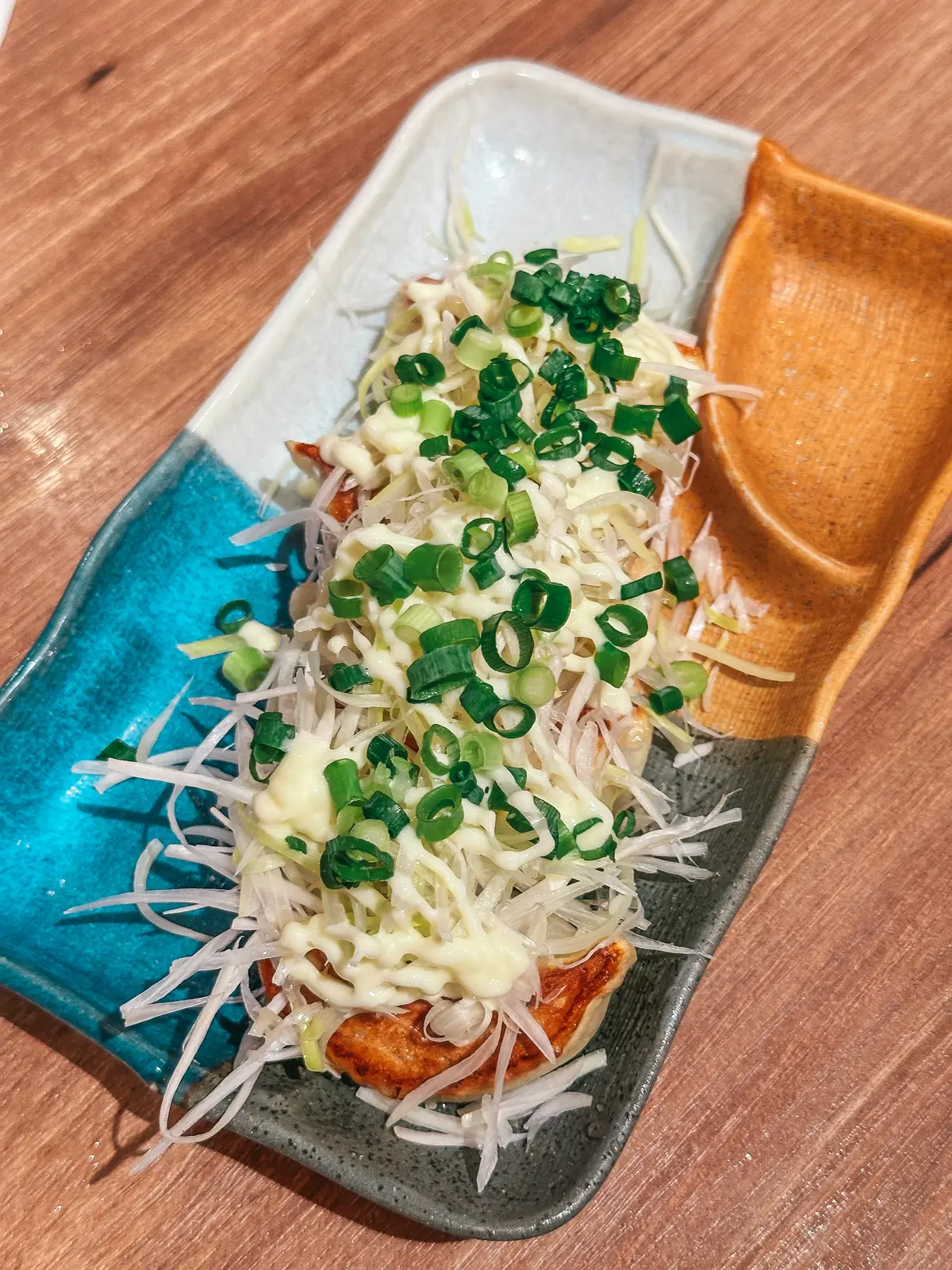
We weren’t super hungry after our day of snacking, so we shared one bowl of ramen and two orders of dumplings between the four of us.
Those dumplings were some of the best I’ve ever had, and I still think about them. If you’ve been grazing all day, this is a great low-commitment dinner stop before your final big activity.
Evening: Street Go-Karting + Dinner
Street Go-Karting
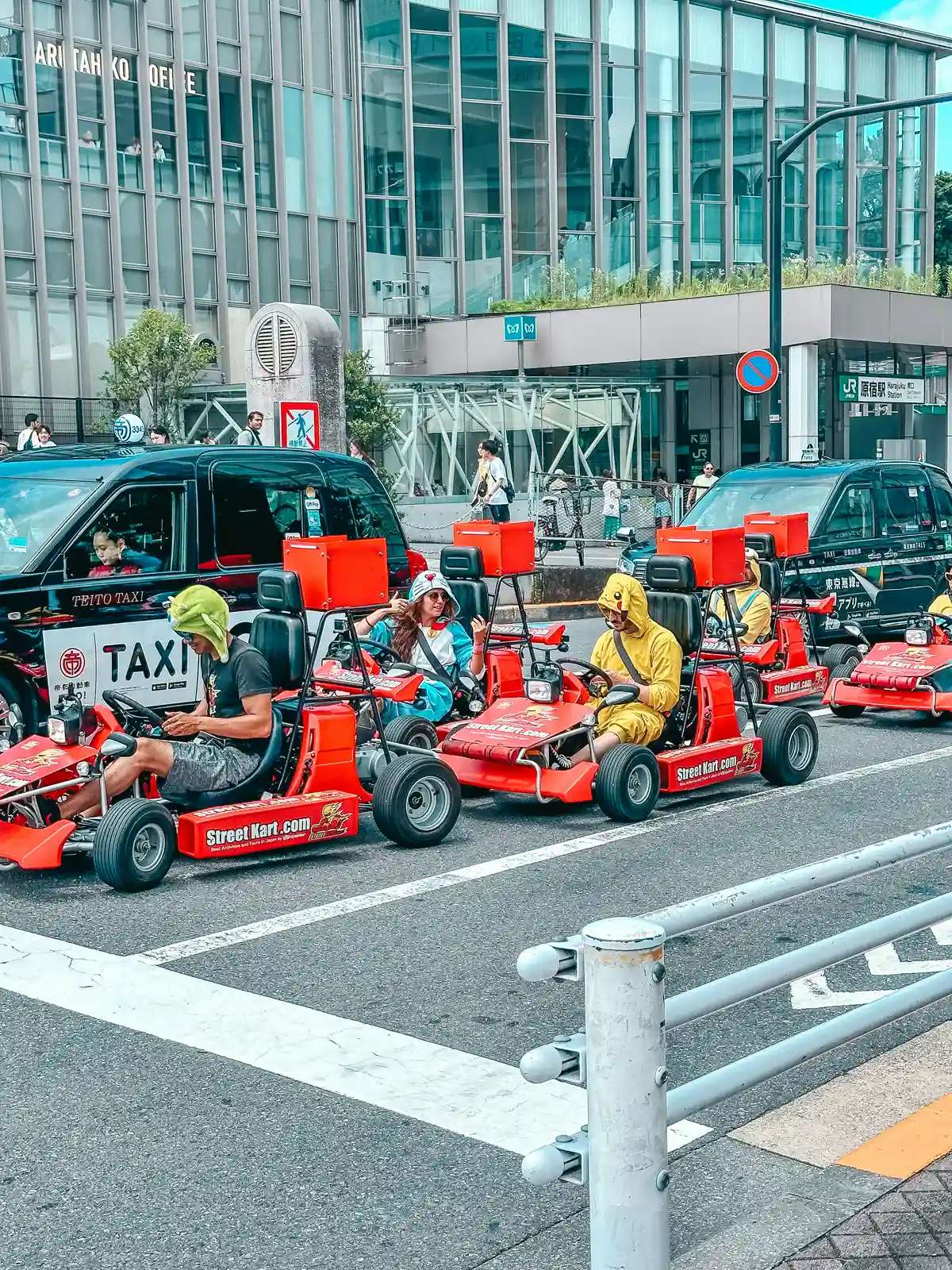
To wrap up your Tokyo trip with a bang, head back to Shibuya for street go-karting through Tokyo. You’ll need an International Driving Permit to participate, so make sure that’s sorted before your trip. This is not something you can figure out last-minute once you’re already in Japan, so add it to your pre-trip checklist if go-karting is a must for you.
Evening slots for this activity tend to fill up fast, so book ahead. I usually love leaving room for spontaneity, but Japan rewarded us every time we planned ahead for the big-ticket experiences. For this one especially, I’d choose an evening time slot so you get the full Tokyo lights effect.
Dinner
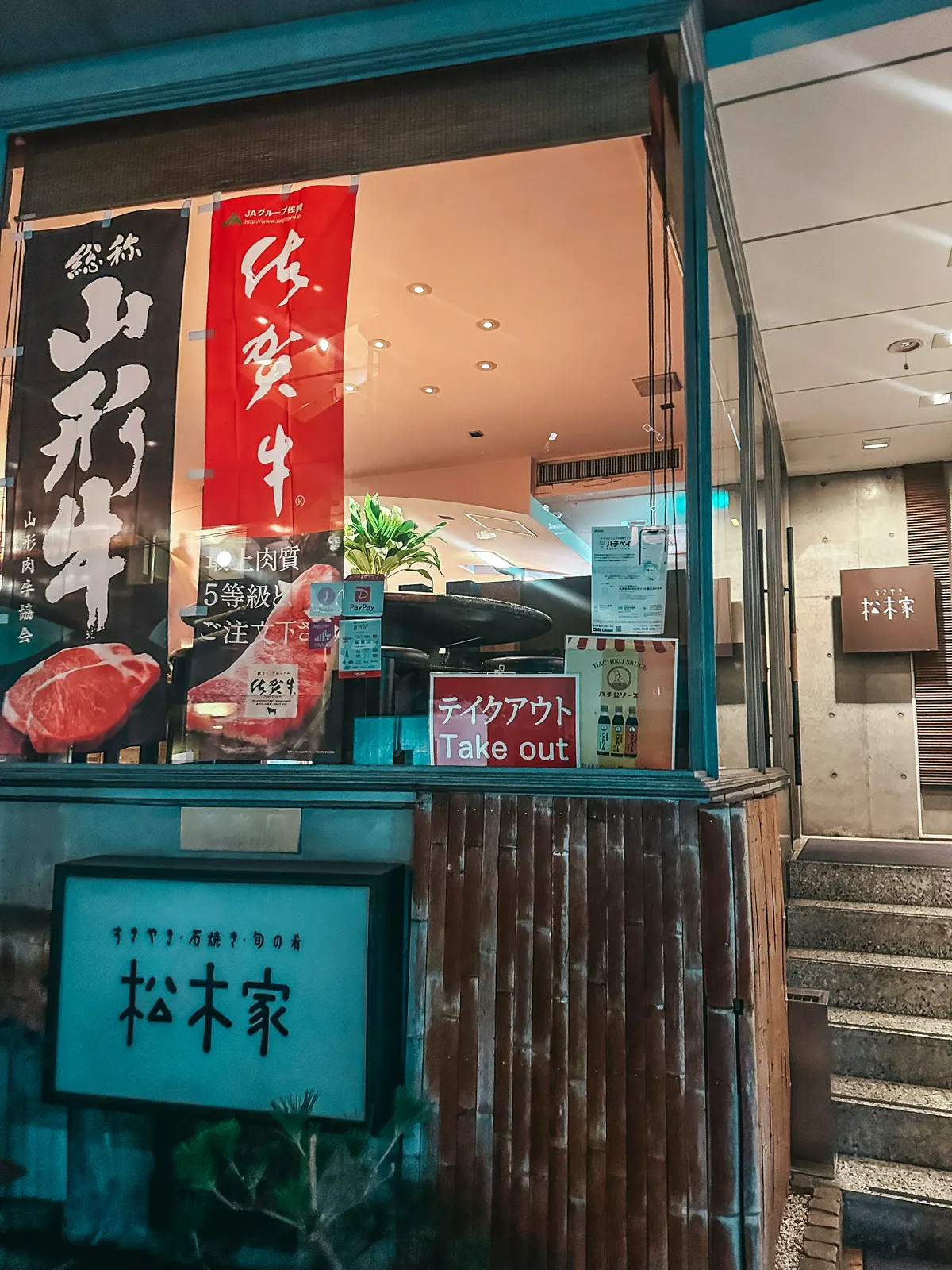
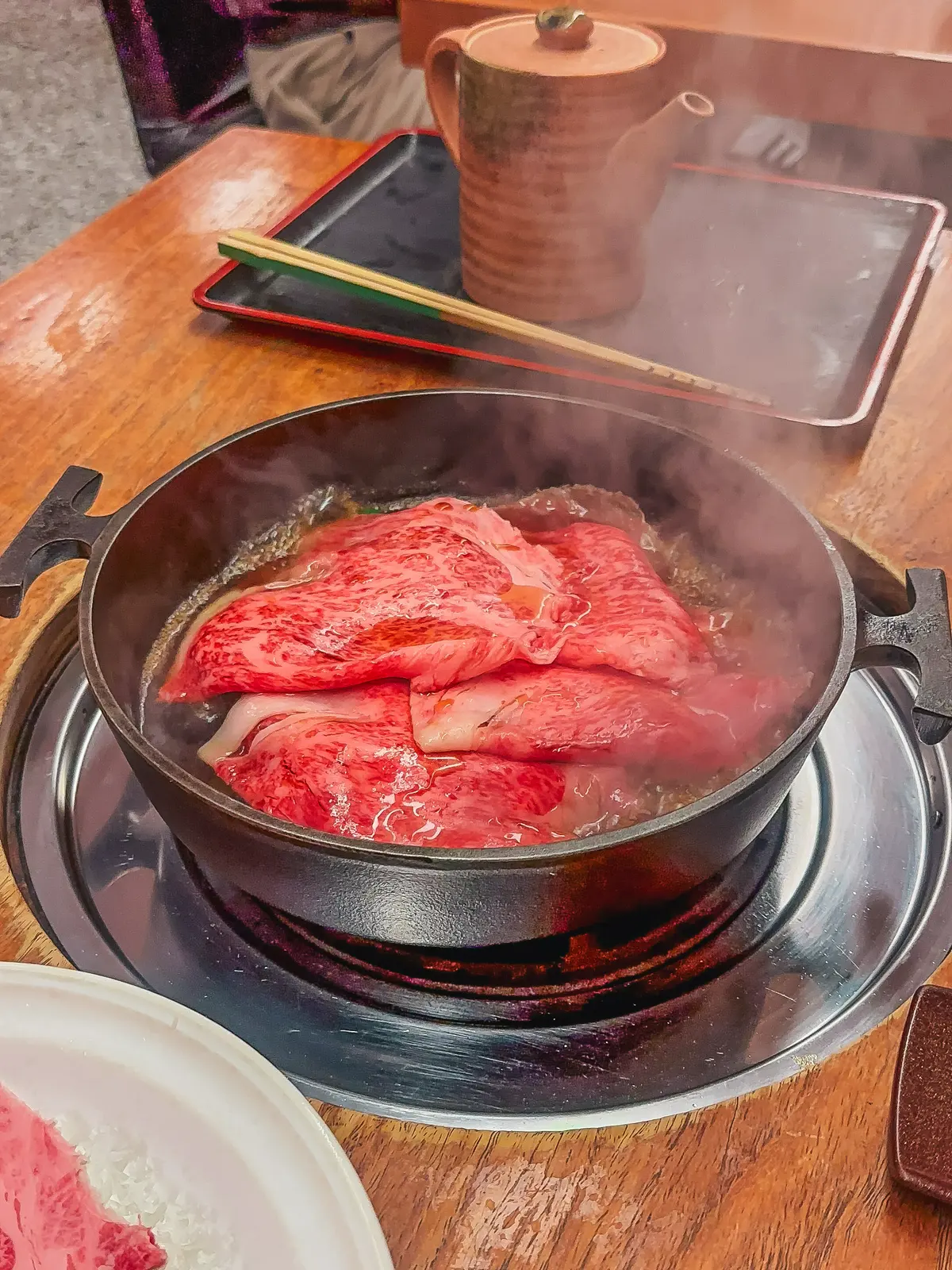
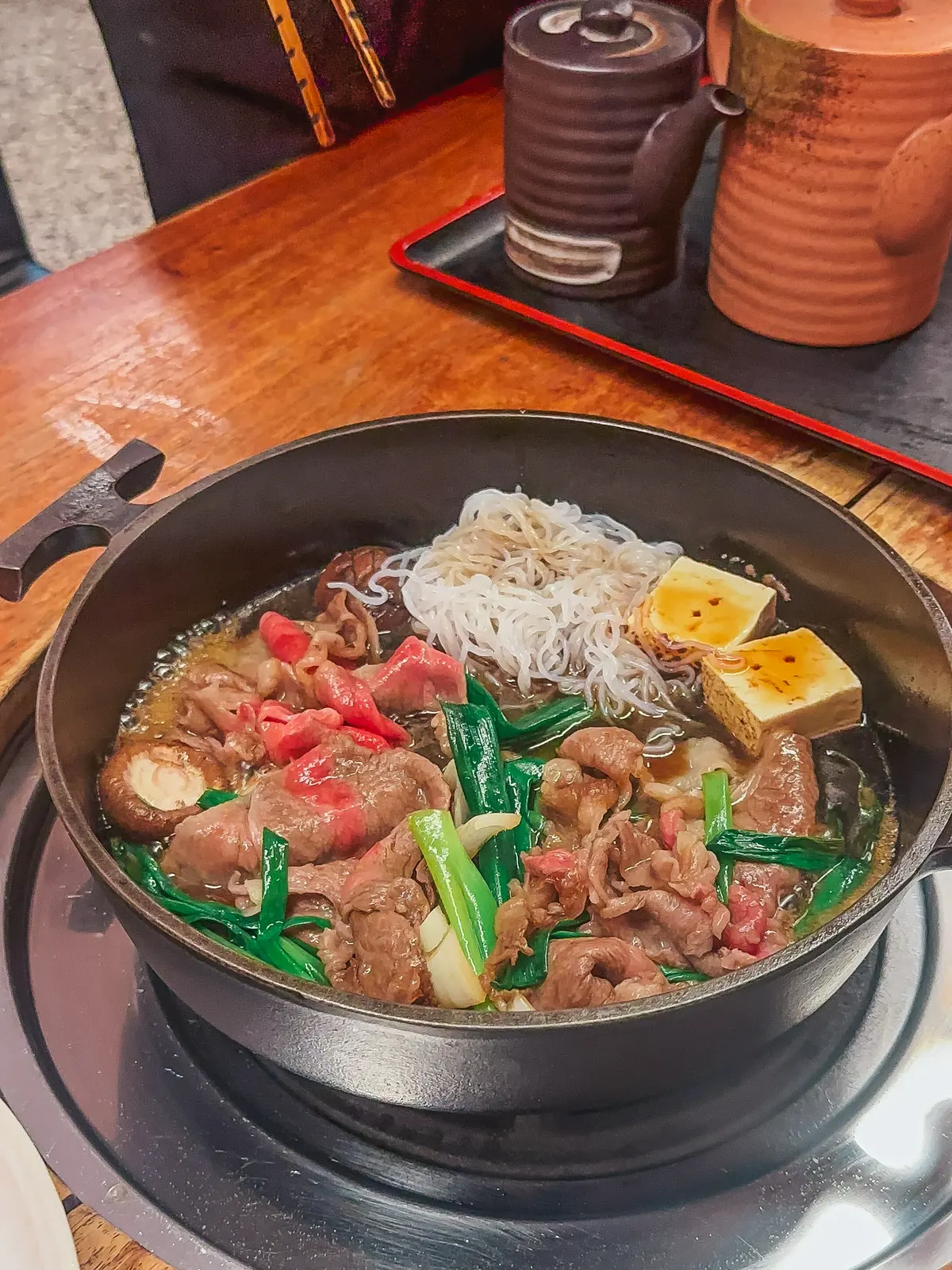
If you’ve got an appetite after your go-karting adventure, I highly recommend heading to Sukiyaki Matsukiya, a restaurant specializing in sukiyaki and shabu-shabu. This was one of the more unique dinners we had in Japan because it felt interactive without being intimidating.
Sukiyaki is made with thinly sliced beef and vegetables simmered in a sweet soy-based broth, while shabu-shabu uses a savory broth and lets you cook the ingredients yourself at the table.
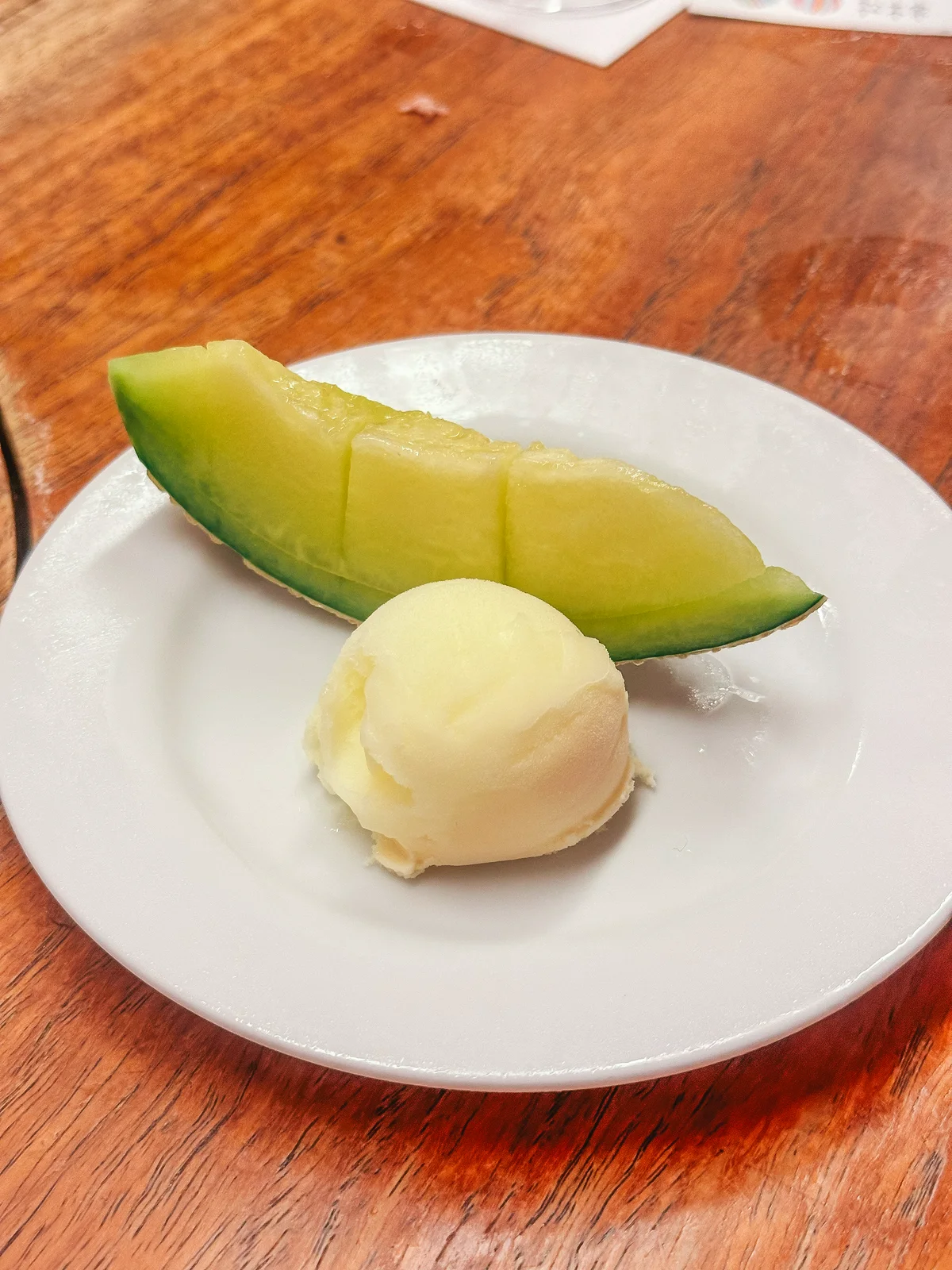
The food was absolutely fantastic, even down to the cup of tea and refreshing melon ice cream for dessert. It felt like such a satisfying final dinner for Tokyo.
Other Fun Things to Do in Tokyo if You Have Time
- Senso-ji: Tokyo’s oldest temple and one of the city’s most classic first-time visitor stops. Pair it with Asakusa if you want a more traditional-feeling neighborhood wander.
- Art Aquarium Museum: A mesmerizing blend of art, light, and aquatic life. This is an especially great rainy-day activity if you want another visual, immersive experience.
- Drinks at Bar Centifolia: Known for its over-the-top cocktails, this bar is perfect if you want to experience Tokyo’s creative mixology scene.
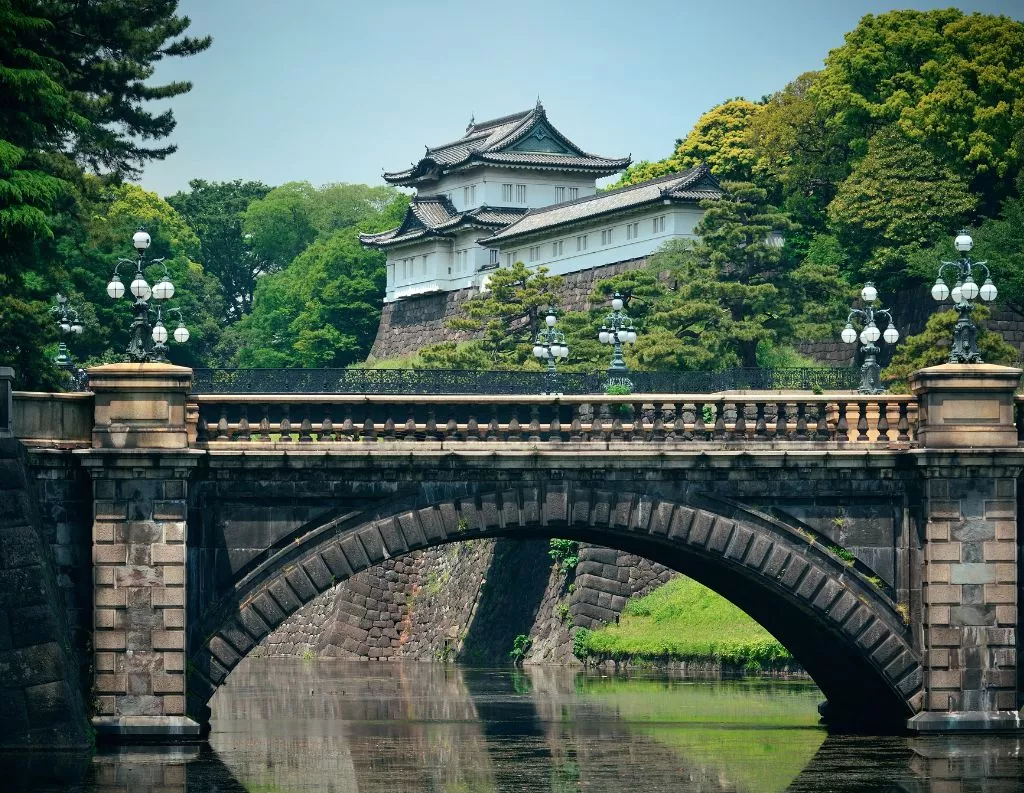
- Imperial Palace East Gardens: The palace itself is not generally open to the public, but you can stroll through the East Gardens for free. Current hours vary by season, and the gardens are typically closed on Mondays, Fridays, New Year holidays, and some special occasions, so check the schedule before heading over.
- Day trip to Mt. Fuji: If you have an extra day, a trip to the iconic Mt. Fuji is a beautiful way to experience more of Japan’s natural scenery. Check out my guide on how to spend the perfect day near Mt. Fuji.
- Tokyo DisneySea: A unique Disney park that feels different from any other Disney experience. If you’re a Disney fan and have an extra day in Tokyo, this is absolutely worth considering.
Where to Stay in Tokyo
During our trip to Tokyo, we stayed in a few different areas, but I have to say, Shibuya is the area I’d choose again. The energy there was more our speed: young, stylish, vibrant, and super convenient. It’s easily one of the best neighborhoods to stay in Tokyo, especially for a short first trip.
Finding a place for four people one month out without breaking the bank was tricky. We ended up staying in this downtown apartment, about a 10-minute walk from Shibuya Station. It was decent, but honestly, I would’ve preferred a hotel, especially if you’re traveling as a couple or smaller group. Here are a few hotel recommendations for staying in Shibuya:
- Budget option: The Millennials Shibuya: Keep in mind that “budget” in Tokyo isn’t always truly budget, but this capsule-style hotel is one of the more affordable options in Shibuya. It’s modern, sleek, and right in the heart of the action.
- Budget option: Tokyu Stay Shibuya: Another well-rated, lower-priced option for Shibuya. Tokyu Stay offers rooms with kitchenettes, making it a great choice for longer stays. It’s a bit quieter but still close to Shibuya Station and major attractions.
- Mid-range option: Shibuya Excel Hotel Tokyu: Located directly above Shibuya Station, this hotel offers views of Shibuya Crossing and is about as convenient as it gets if you want to explore the area on foot.
- Luxury option: Cerulean Tower Tokyu Hotel: A 5-star hotel with beautiful city views, spacious rooms, dining options, and a short walk to Shibuya Station. Perfect if you want to splurge on comfort and convenience.
Check out all available options in Shibuya and pricing for your dates here.
Getting Around Tokyo
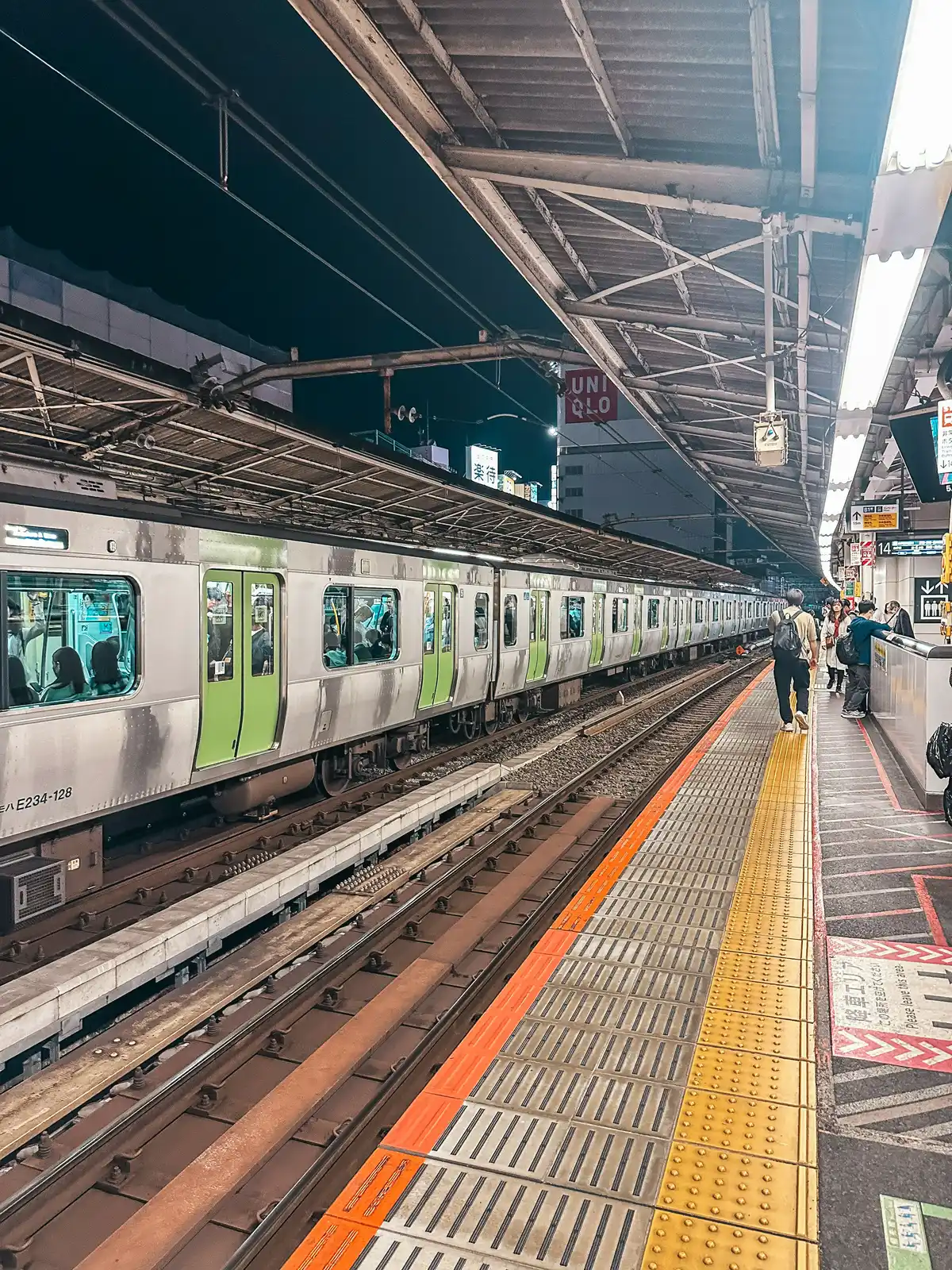
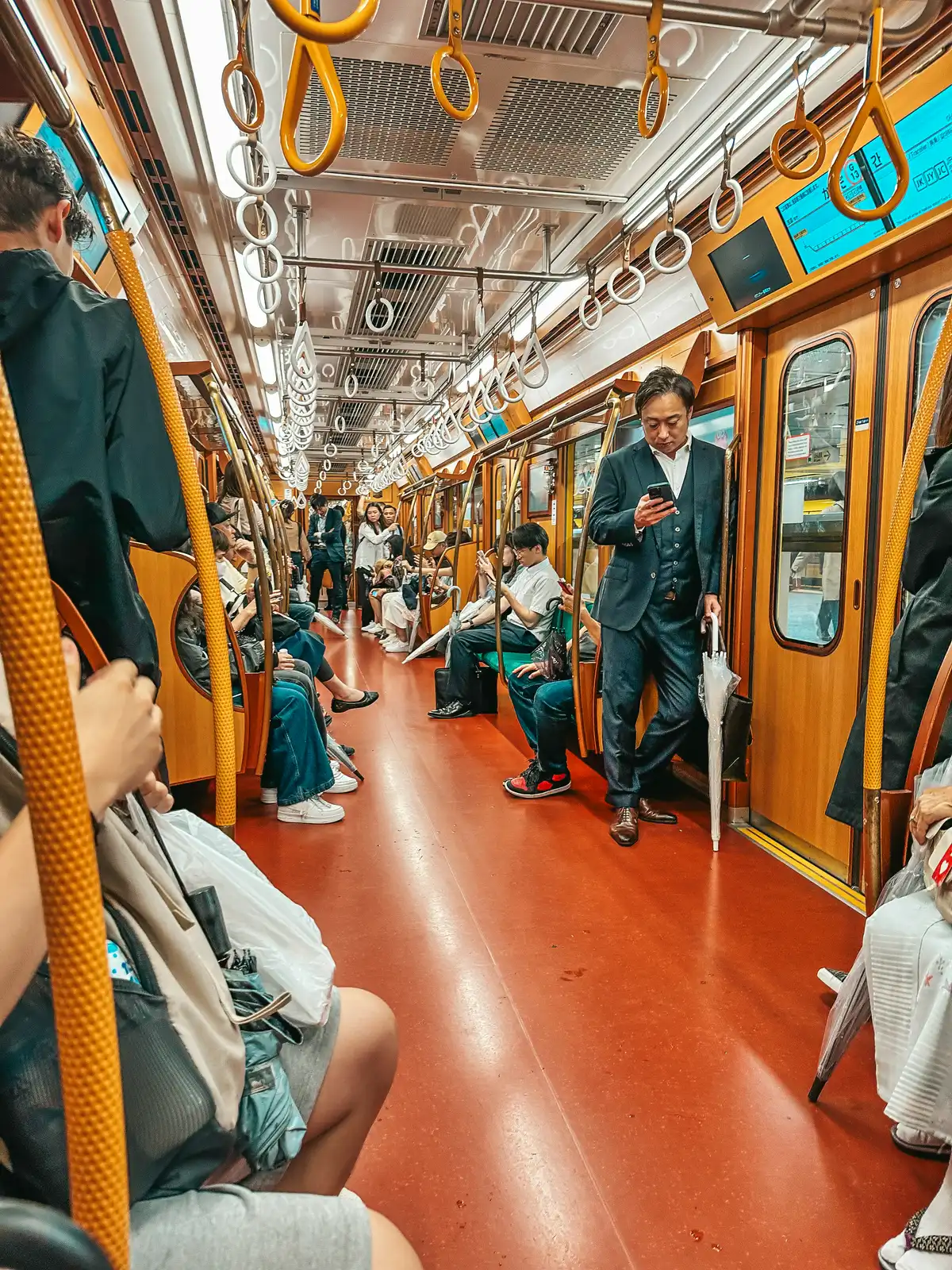
Getting around Tokyo is so much easier than it looks at first, thanks to its well-connected public transportation system. The trains and subways will be your main way around the city, especially the JR Yamanote Line, which circles many of Tokyo’s major neighborhoods.
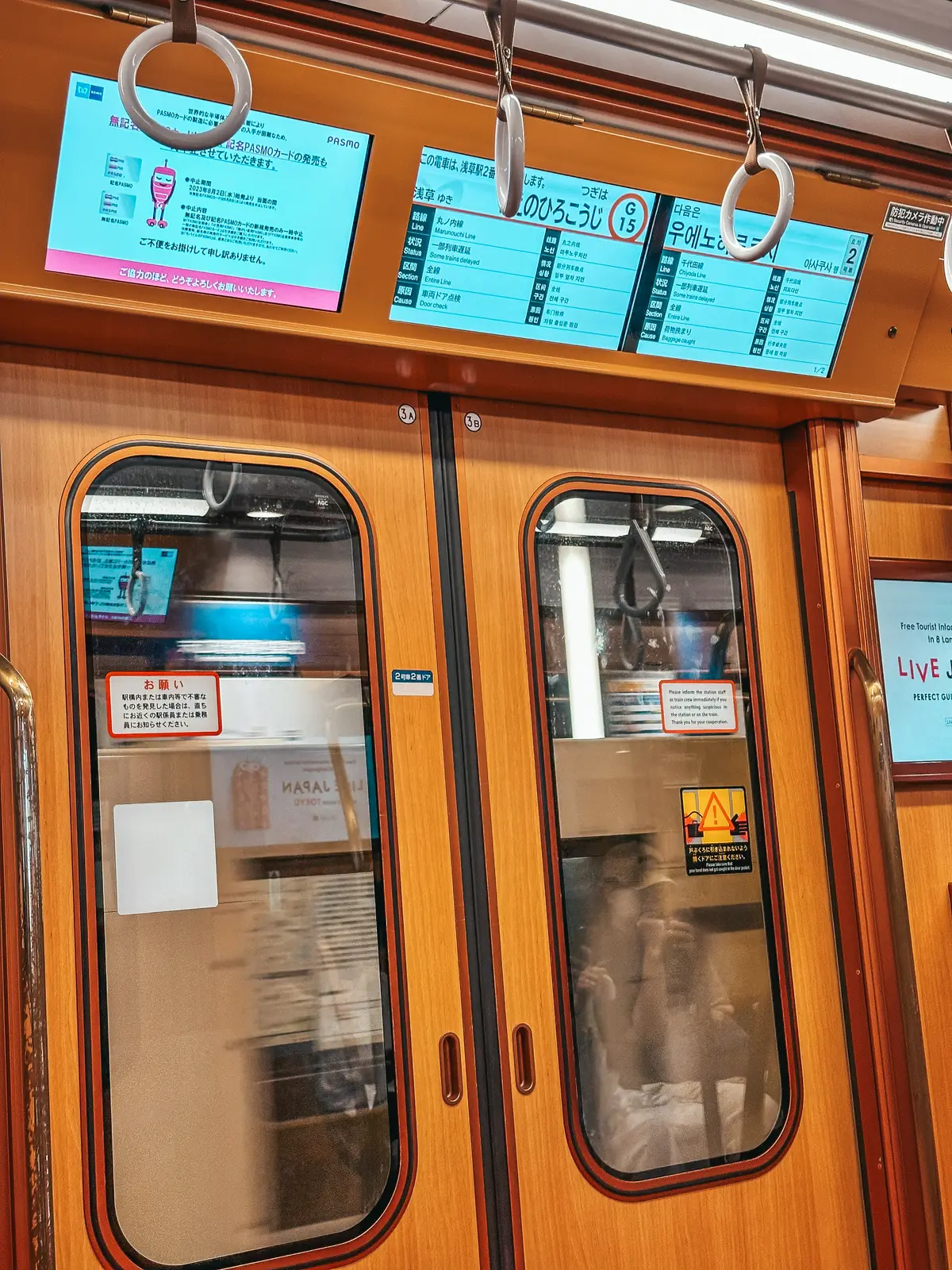
Taxis are available but can get pricey, and Tokyo is also a great city to explore on foot once you’re in the neighborhood you want to see. Check train schedules late at night, because some lines stop running around midnight and you don’t want to find that out the hard way.
A Suica card is a must-have for navigating Tokyo. If you have an iPhone, you can add Suica directly to your Apple Wallet, reload it from your phone, and tap in and out of train gates without even opening the app.
If you’re using Android, you may need to pick up a physical Suica or another IC card at a train station. It’s convenient for subways, buses, vending machines, and convenience stores. This is one of those little logistics that makes Japan feel so much smoother, and I cover more of them in my guide to things to know before traveling to Japan.
Tips for Visiting Tokyo
- Get an eSIM before you land: Having data made Tokyo so much easier for maps, train routes, translations, restaurant research, and last-minute plan changes. I would not want to rely on random Wi-Fi here.
- Book popular attractions early: teamLab, Shibuya Sky, street go-karting, and Disney can all be worth booking in advance. If you’re wondering whether booking through Klook is worth it, I have a full Klook review that breaks down my experience.
- Wear comfortable shoes: Tokyo involves so much walking, even when you’re using trains constantly. These are my usual go-tos for travel, and they’re the kind of shoes I’d want for long station transfers, park walks, and shopping streets.
- Keep some cash on you: Japan is much more card-friendly than people sometimes make it sound, but small shops, markets, temples, and vending-machine moments are easier when you have a little yen.
- Build in backup options: Rain, fog, and sold-out time slots can shift your plans quickly. Having indoor swaps like Tokyo Solamachi, Art Aquarium Museum, karaoke, cafes, or shopping areas made our rainy-season visit much less stressful.
Are you ready for an epic 3 days in Tokyo?!
I hope this guide helps you plan the most amazing 3 days in Tokyo! Whether you’re soaking in the vibrant energy of Shibuya, slurping ramen in Harajuku, wandering food stalls at Tsukiji, or catching city views from above, you’re in for such a memorable adventure.
Tokyo is one of those places that makes you realize pretty quickly that one trip will never be enough. I already know I’ll be back, and I hope this itinerary gives you the perfect first taste of the city.
Before you go, be sure to follow me on Insta @guidedbydestiny and check out some of my other Japan posts: