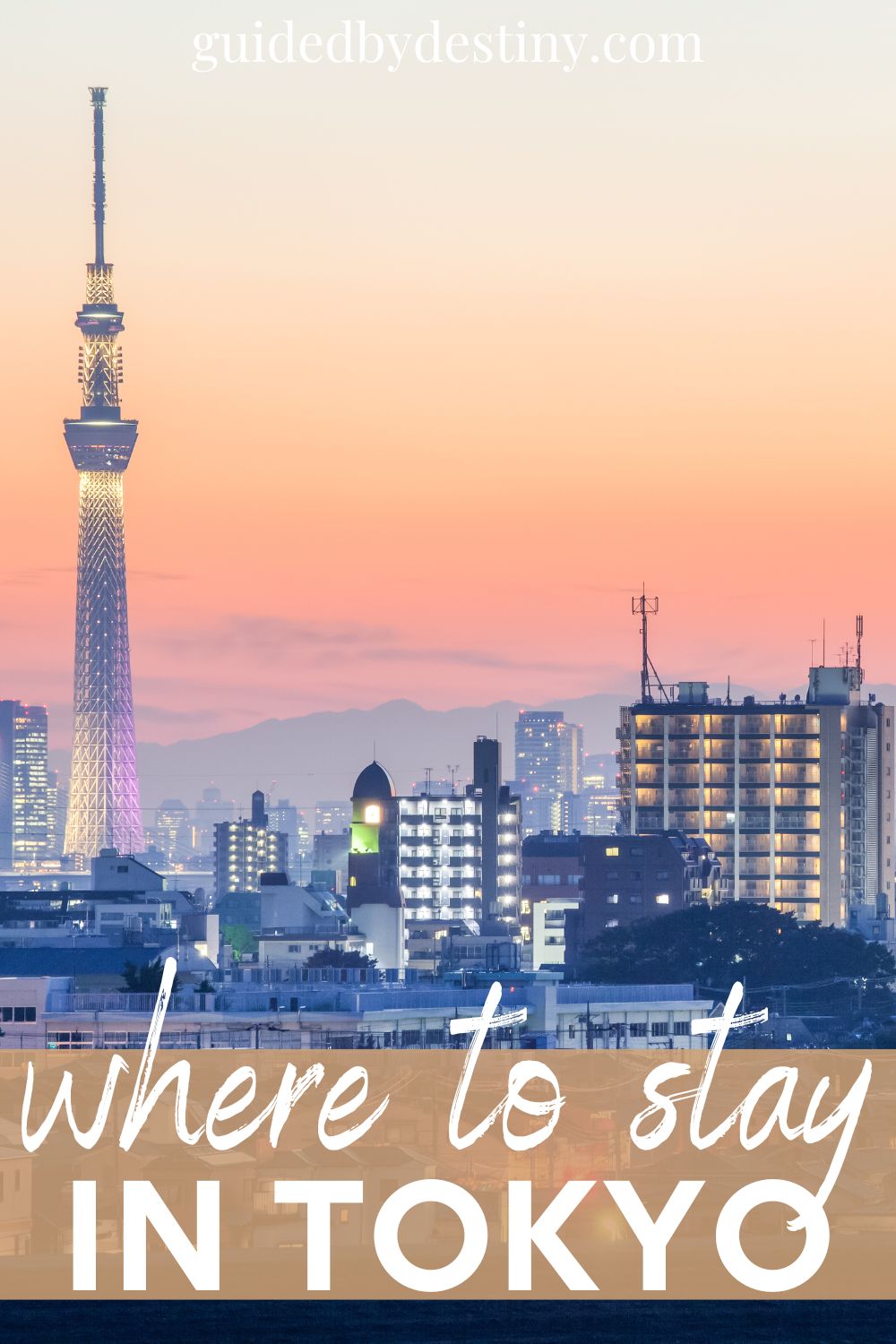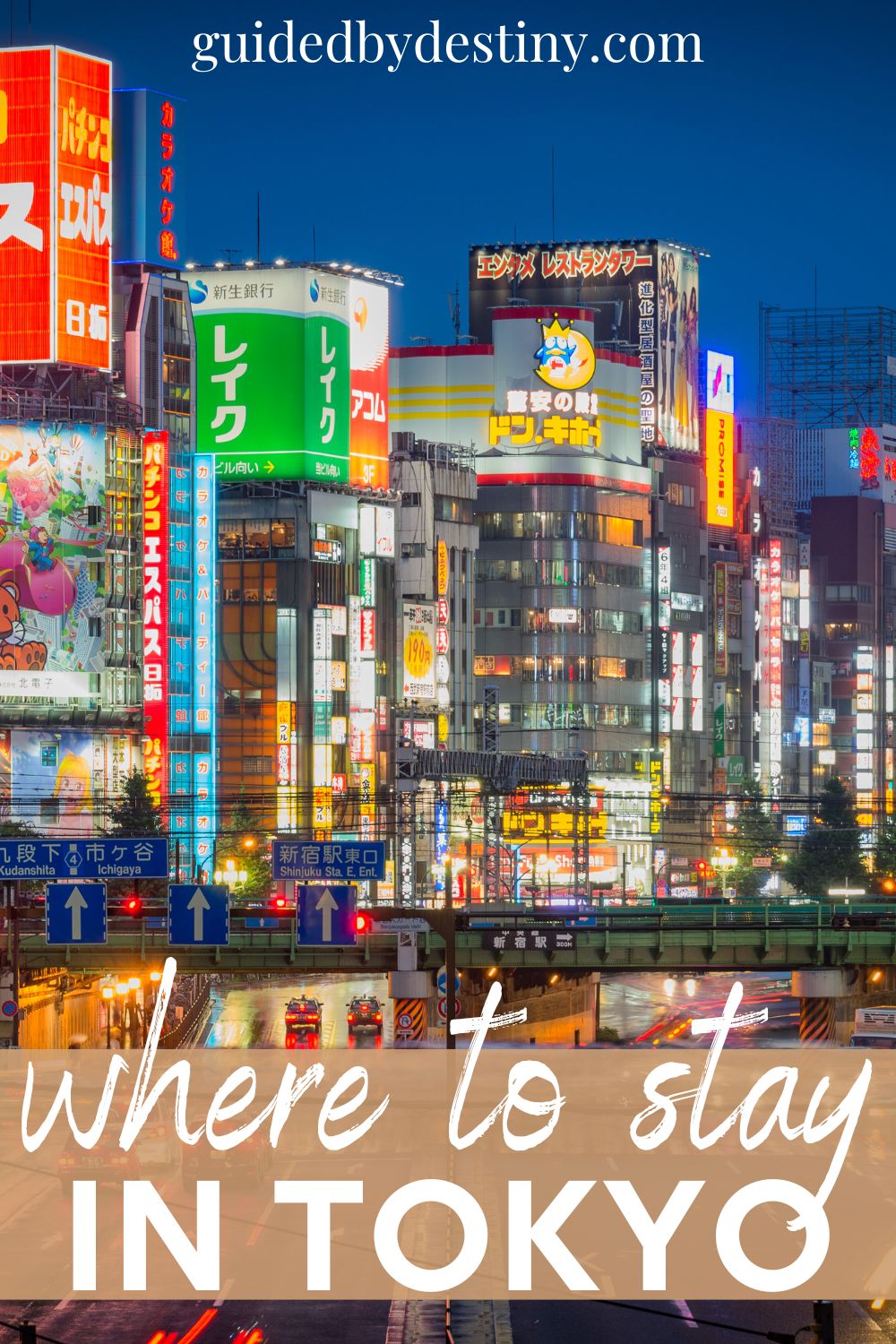
The 5 Best Neighborhoods to Stay in Tokyo
This post contains affiliate links, which help support my blog at no extra cost to you!
Choosing between the best neighborhoods to stay in Tokyo can make a huge difference in how your trip feels. Tokyo is massive, and while the train system is amazing, your home base still matters. A lot.
For a first trip, I’d focus less on finding the “perfect” neighborhood and more on finding the right fit for your itinerary. Do you want neon energy and nightlife? Easy access to food markets and museums? A quieter cultural area? A polished, central hotel zone? Each area has a totally different personality.
My biggest advice, no matter where you stay, is to book near a train station. Tokyo involves so much walking already, and you do not want your “cute hotel deal” to become a daily 18-minute luggage-and-stairs situation.
Before you lock anything in, you may also want to skim my Japan trip planning guide, Japan packing list, and 10-day Japan itinerary.
Best Neighborhoods to Stay in Tokyo
Quick Picks: Where to Stay in Tokyo
If you’re short on time, here’s the quick version of where I’d stay in Tokyo:
- Best overall for first-timers: Shibuya
- Best for nightlife and transport: Shinjuku
- Best for a polished, upscale stay: Ginza
- Best for Tokyo Station access: Chiyoda City
- Best for temples and a more traditional feel: Asakusa
1. Shibuya
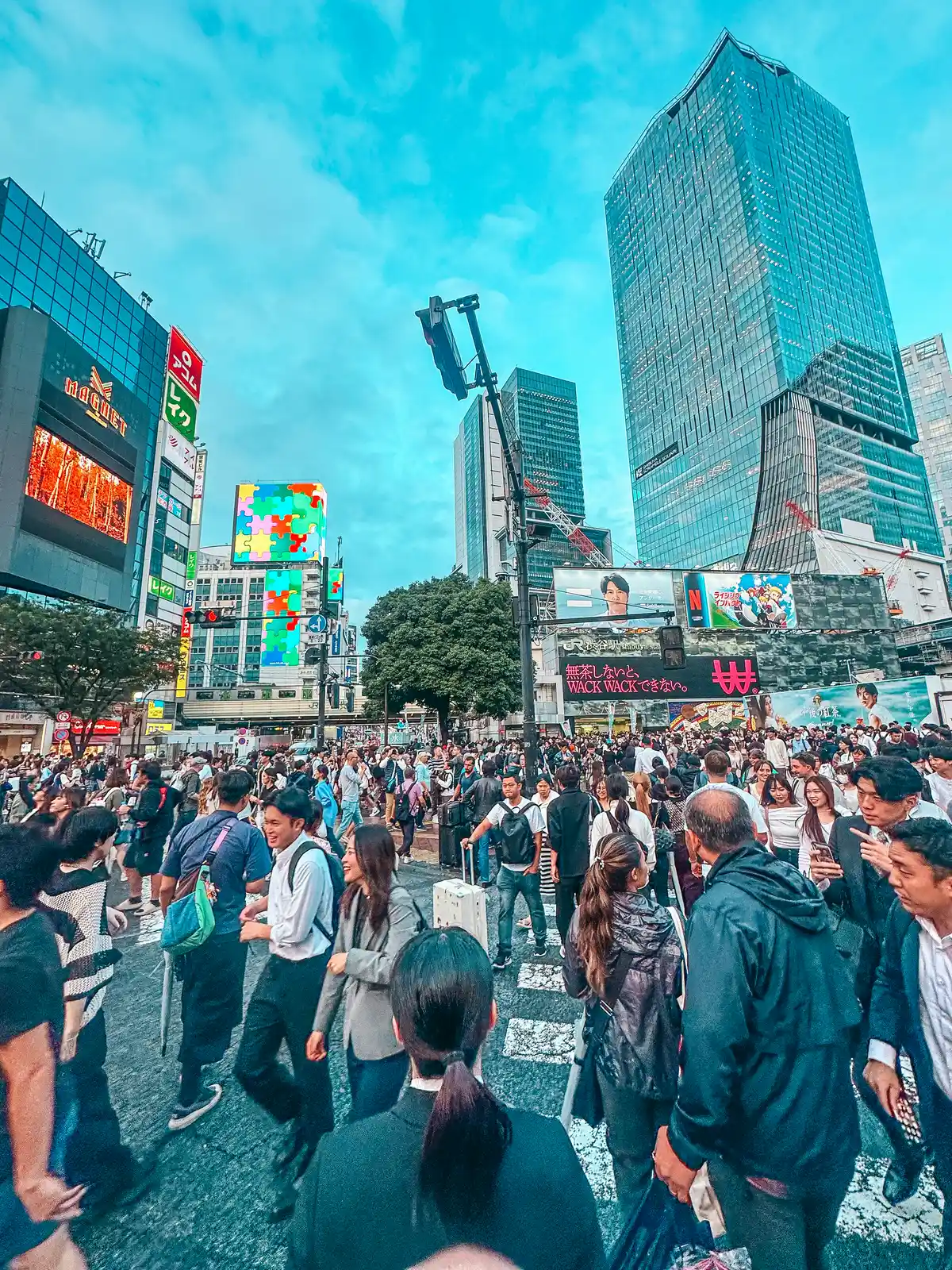
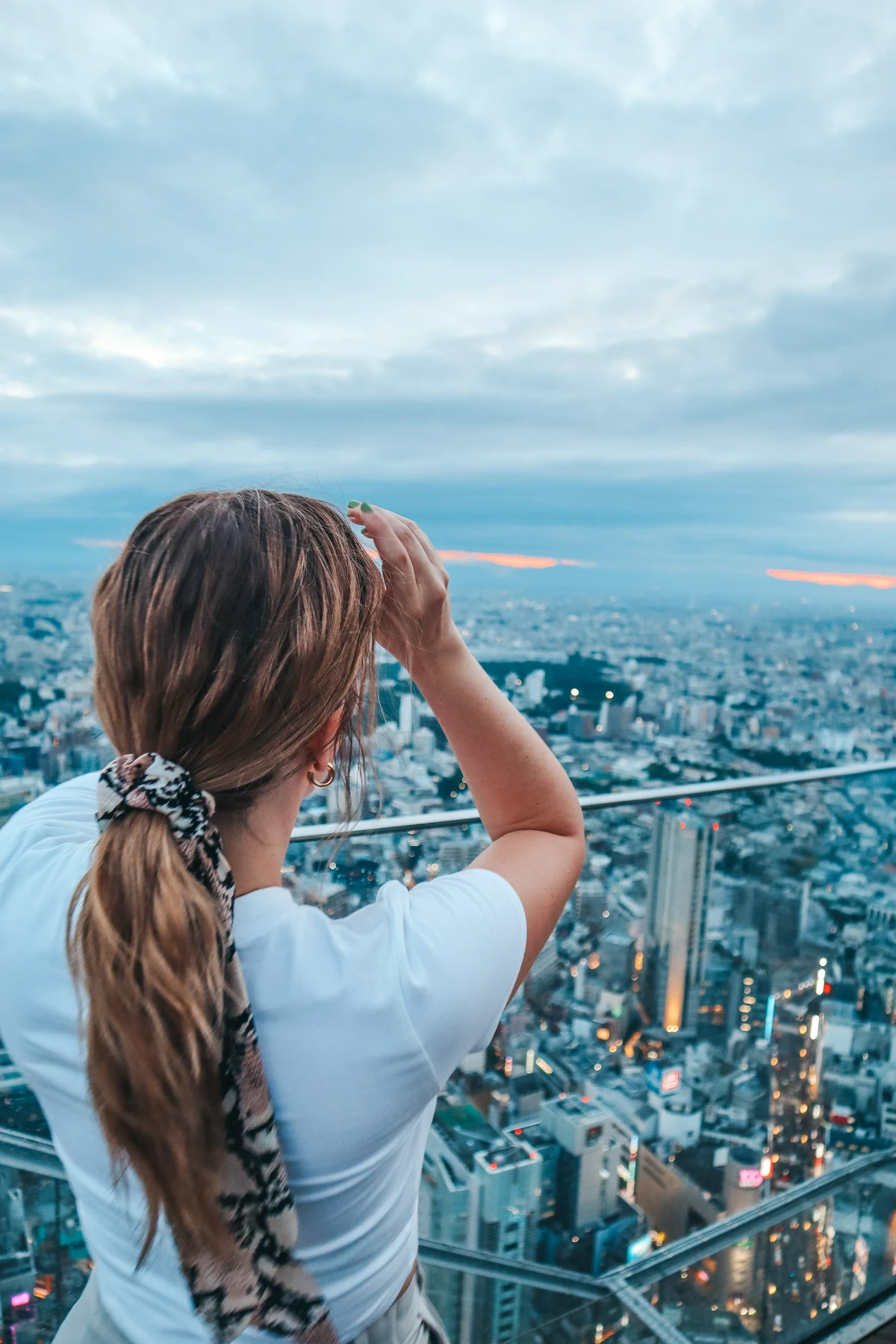
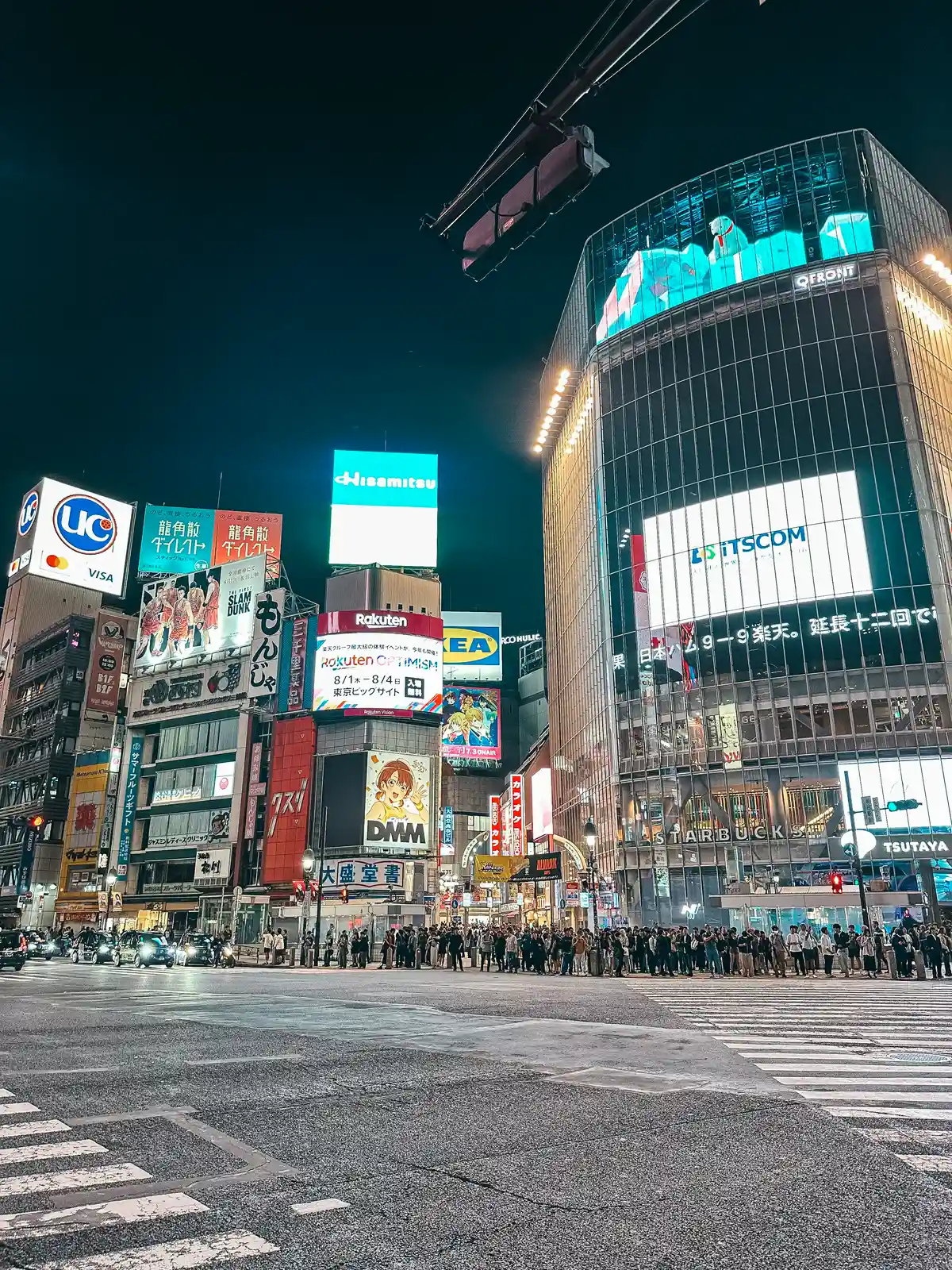
Shibuya is my top pick for most first-time visitors because it gives you that electric, only-in-Tokyo feeling the second you step outside. You have Shibuya Crossing, Shibuya Sky, shopping, restaurants, nightlife, and easy train access all wrapped into one wildly energetic area.
During our 4 days in Tokyo, we stayed in Shibuya for part of the trip and loved the buzz. It was central enough for our itinerary, fun to come back to at night, and packed with places to eat when we were too tired to make another complicated plan.
Pros
- Iconic Tokyo sights like Shibuya Crossing and Shibuya Sky are right there.
- It’s a shopper’s paradise, with everything from major stores to trendier boutiques.
- There are tons of restaurants, bars, cafes, and late-night options.
- Shibuya Station makes it easy to explore other neighborhoods without feeling totally disconnected.
- The energy makes it one of the most exciting areas to come back to after a full day out.
Cons
- It can be very crowded, especially around the crossing and station.
- The lively atmosphere can feel noisy if you want a peaceful stay.
- Hotels can be pricier than quieter neighborhoods, especially if you want to be close to the station.
- Shibuya Station and the surrounding streets can feel overwhelming at first.
Hotel Recommendations
- Budget option: Tokyu Stay Shibuya— A solid lower-priced Shibuya option with practical room features like kitchenettes in some rooms. It’s a little calmer than being directly on top of the crossing, while still keeping you close to the action.
- Mid-range option: Shibuya Excel Hotel Tokyu— Located directly above Shibuya Station, this is the convenience pick. It’s especially great if you want easy station access and the possibility of those classic Shibuya Crossing views.
- Luxury option: Cerulean Tower Tokyu Hotel— A splurge-worthy stay with skyline views, spacious rooms, dining options, and a short walk to Shibuya Station.
Check out all the available options in Shibuya and pricing for your dates here.
2. Shinjuku
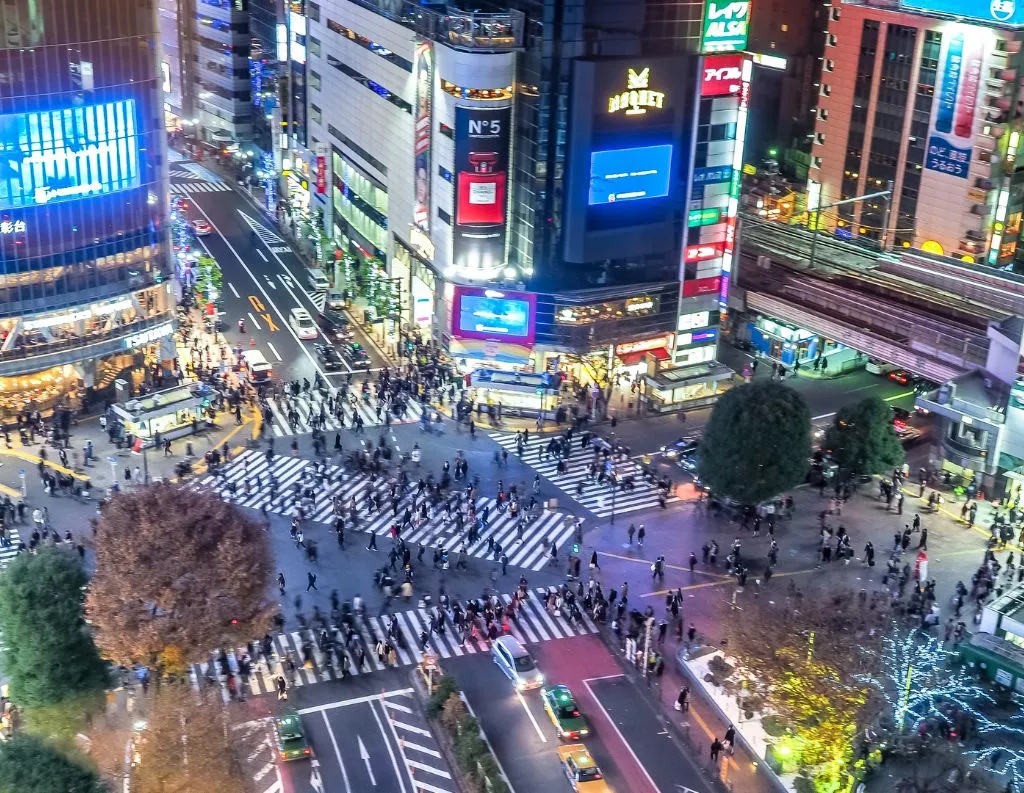
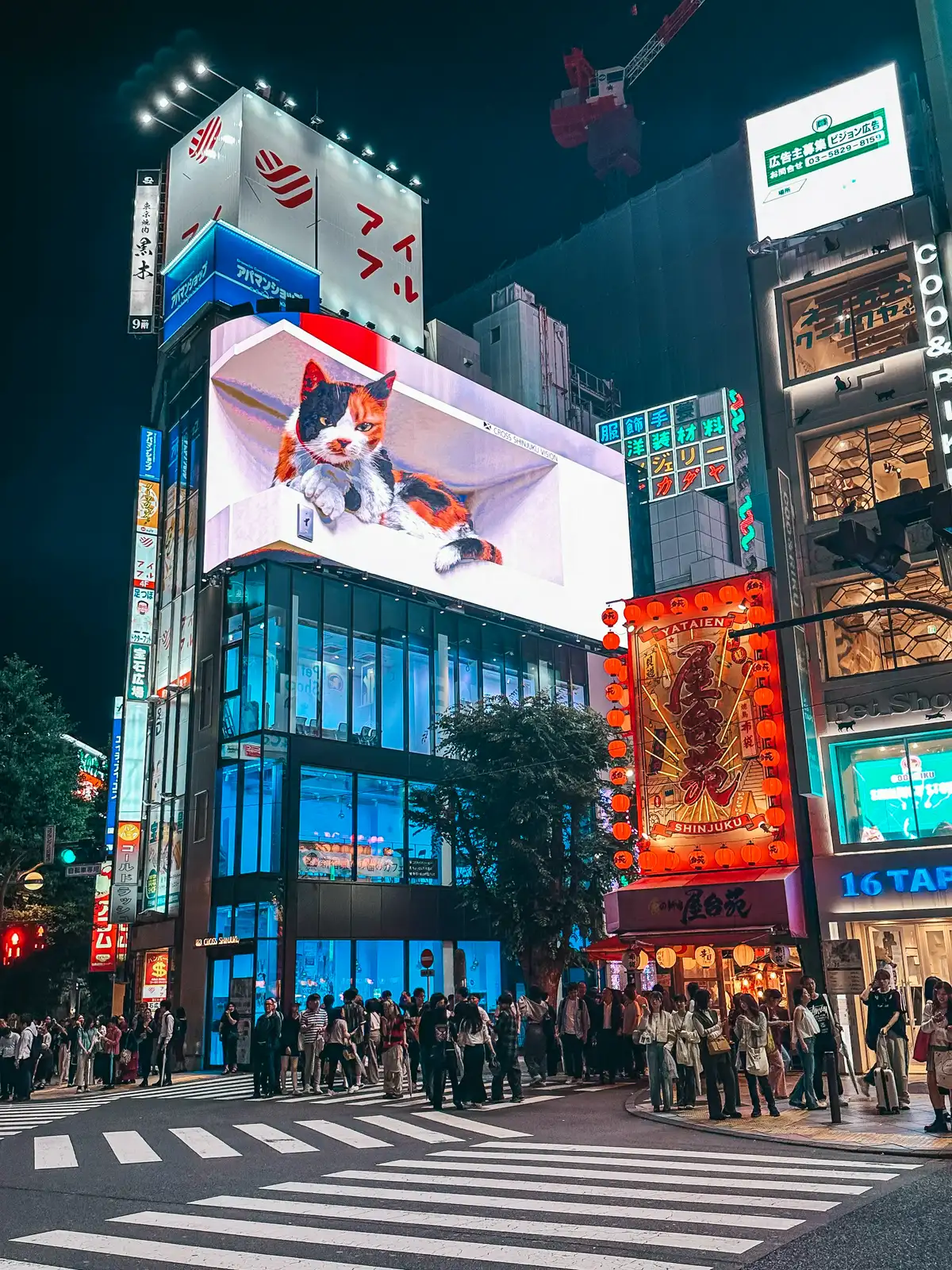
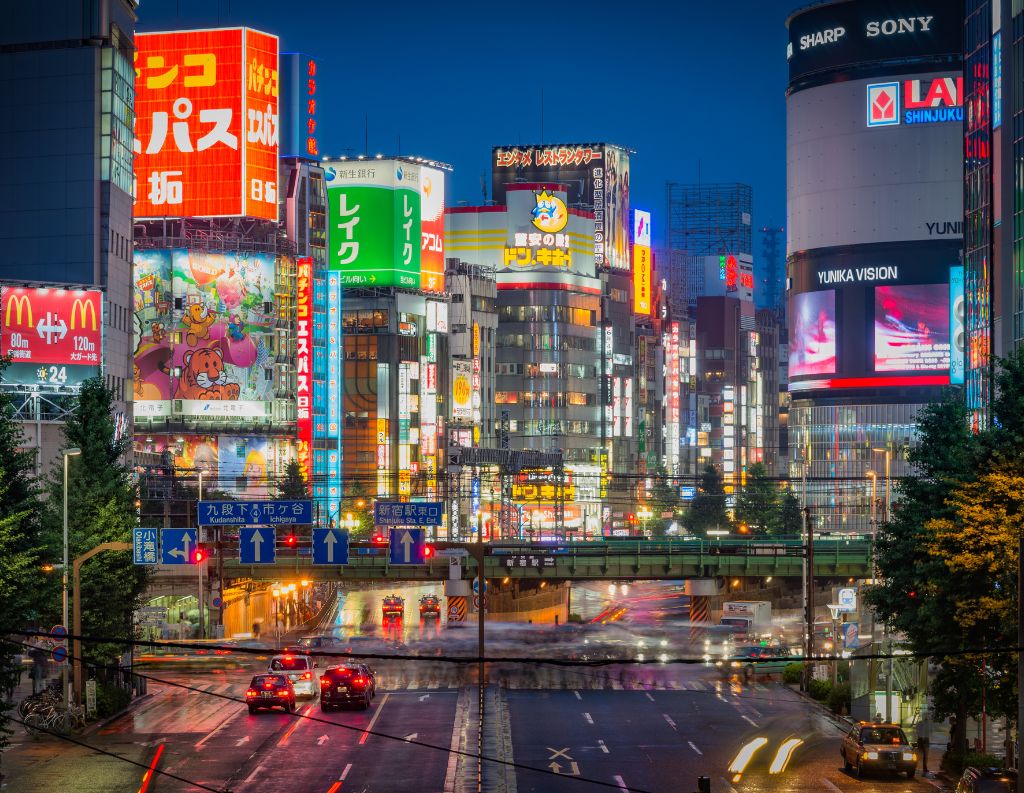
Shinjuku is another one of the most bustling neighborhoods to stay in Tokyo! Perfect if you want to be surrounded by skyscrapers, neon lights, nightlife, shopping, food, and nonstop movement. It’s one of the city’s major commercial and entertainment districts, so it feels busy pretty much all the time.
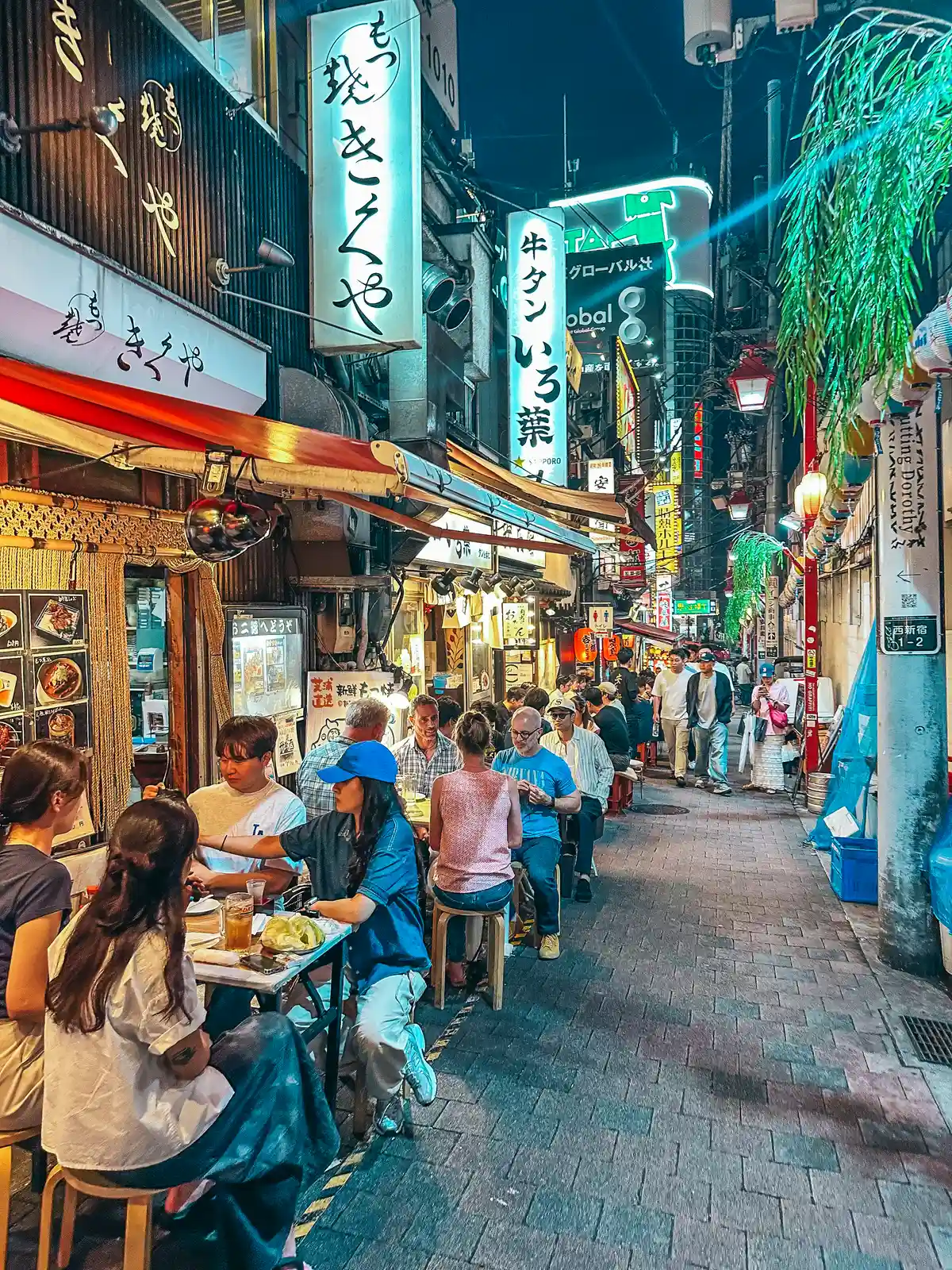
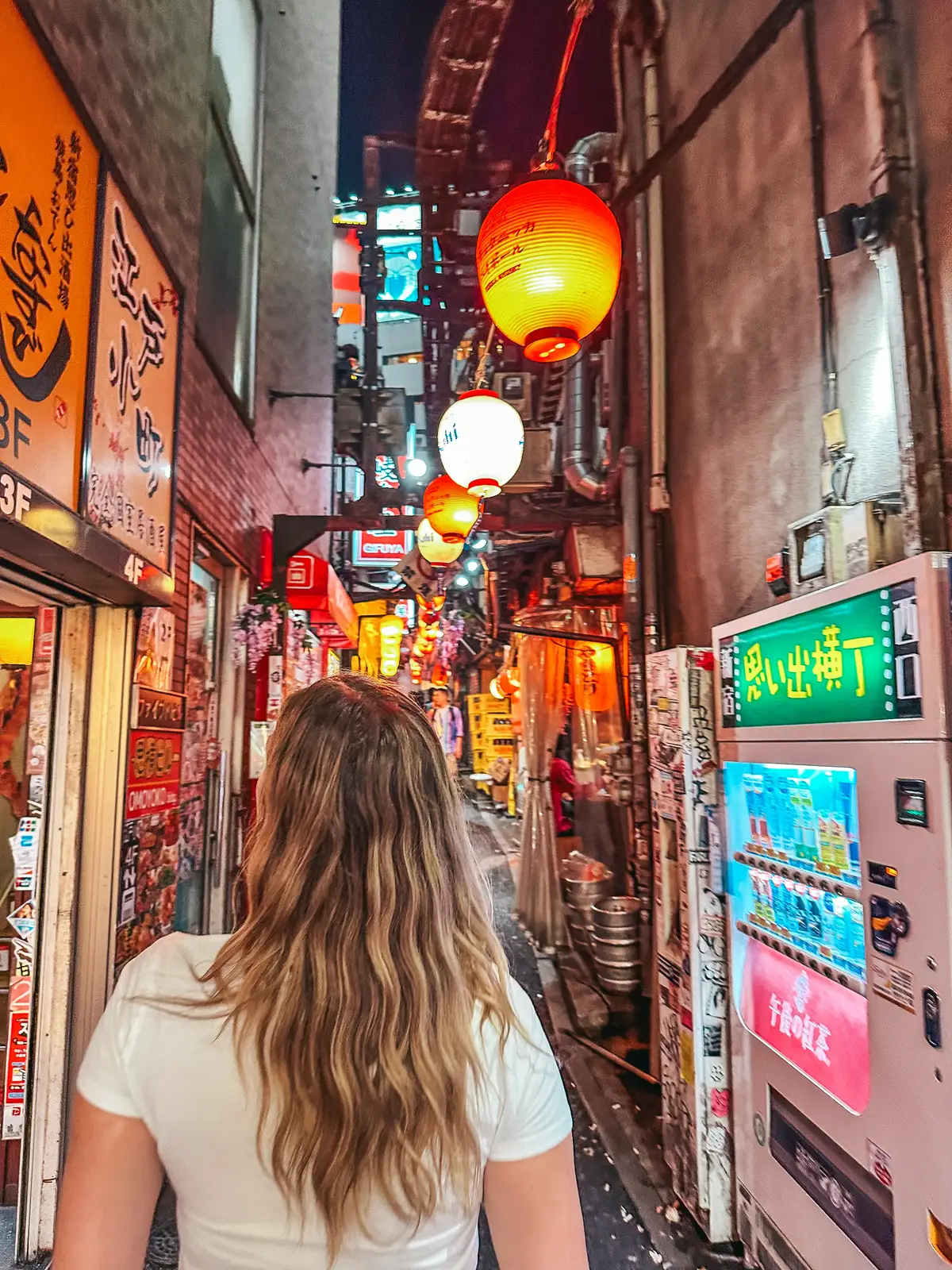
What makes Shinjuku interesting is the contrast. You can wander the lantern-lit alleys of Omoide Yokocho, look up at giant digital billboards, eat late-night ramen, and still escape to Shinjuku Gyoen National Garden when you need a calmer moment.
I’d choose Shinjuku if you want maximum convenience and don’t mind the intensity. It’s not the quietest base, but it makes getting around Tokyo incredibly easy.
Pros
- Shinjuku Station is one of Tokyo’s biggest transport hubs, which makes day-to-day exploring very efficient.
- There are endless shopping options, from department stores to quirky specialty shops.
- The dining scene is huge, with everything from tiny izakayas to polished restaurants.
- It’s one of the best areas for nightlife, bars, karaoke, and late-night wandering.
Cons
- It can be overwhelming and crowded, especially around the station.
- Hotel prices can be higher in the most convenient parts of the neighborhood.
- Noise can be an issue if you stay too close to the nightlife zones.
- The station itself can be confusing until you get your bearings.
Hotel Recommendations
- Budget option: Kadoya Hotel—A practical, affordable option just a short walk from Shinjuku Station. It’s a good fit if you care more about location and value than flashy extras.
- Mid-range option: JR Kyushu Hotel Blossom Shinjuku—A stylish mid-range pick only a few minutes from Shinjuku Station, with modern rooms and a location that makes sightseeing simple.
- Upper mid-range option: Odakyu Hotel Century Southern Tower—A great choice if you want more comfort and city views without going full luxury. The location near Shinjuku Station is hard to beat.
Check out all the available options in Shinjuku and pricing for your dates here.
3. Ginza
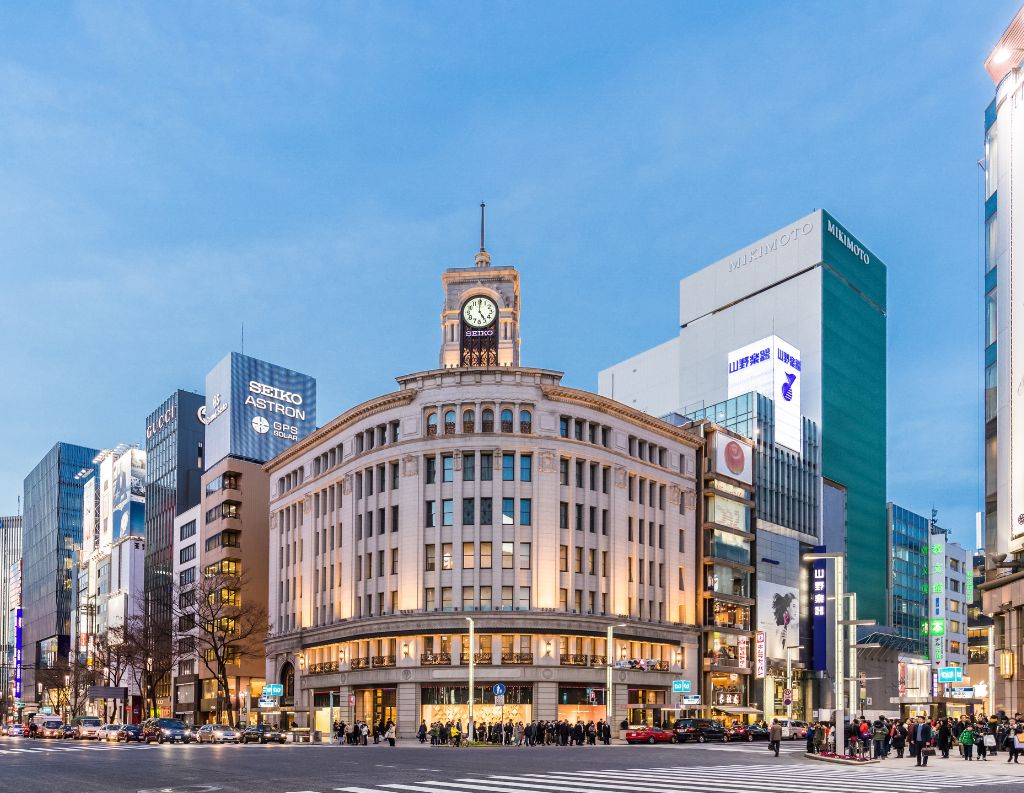
Ginza is a beautiful choice if you want Tokyo to feel a little more polished. Think luxury shopping, sleek streets, department stores, excellent dining, and easy access to some of the city’s more refined experiences.
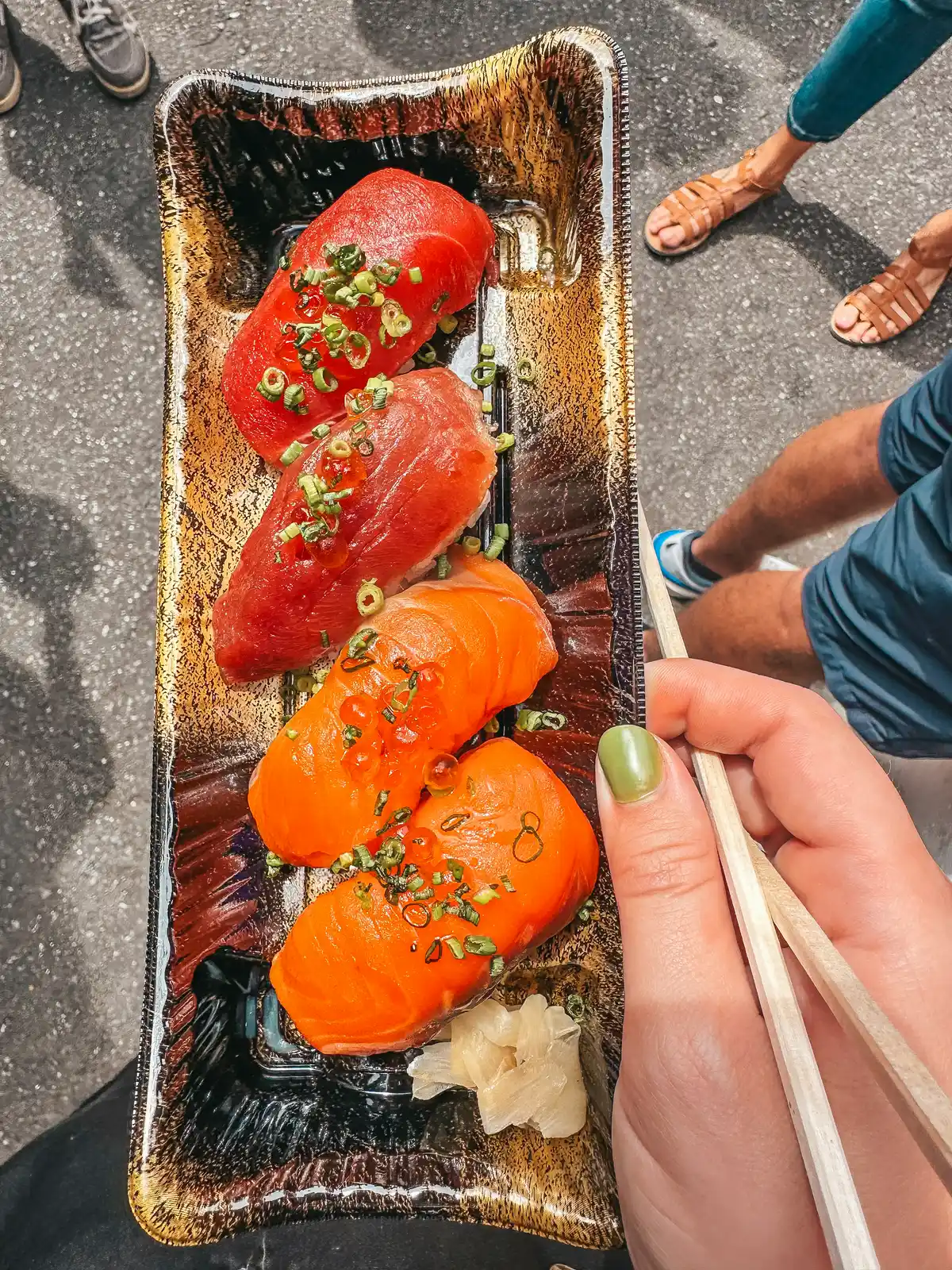
It’s also convenient for food lovers because you’re close to Tsukiji Outer Market, and it can work well if your itinerary includes attractions like teamLab Borderless, Tokyo Tower, or the Imperial Palace area. Ginza doesn’t have the same rowdy nightlife feel as Shibuya or Shinjuku, but that may be exactly why you like it.

Pros
- Upscale shopping with flagship stores, luxury boutiques, and elegant department stores.
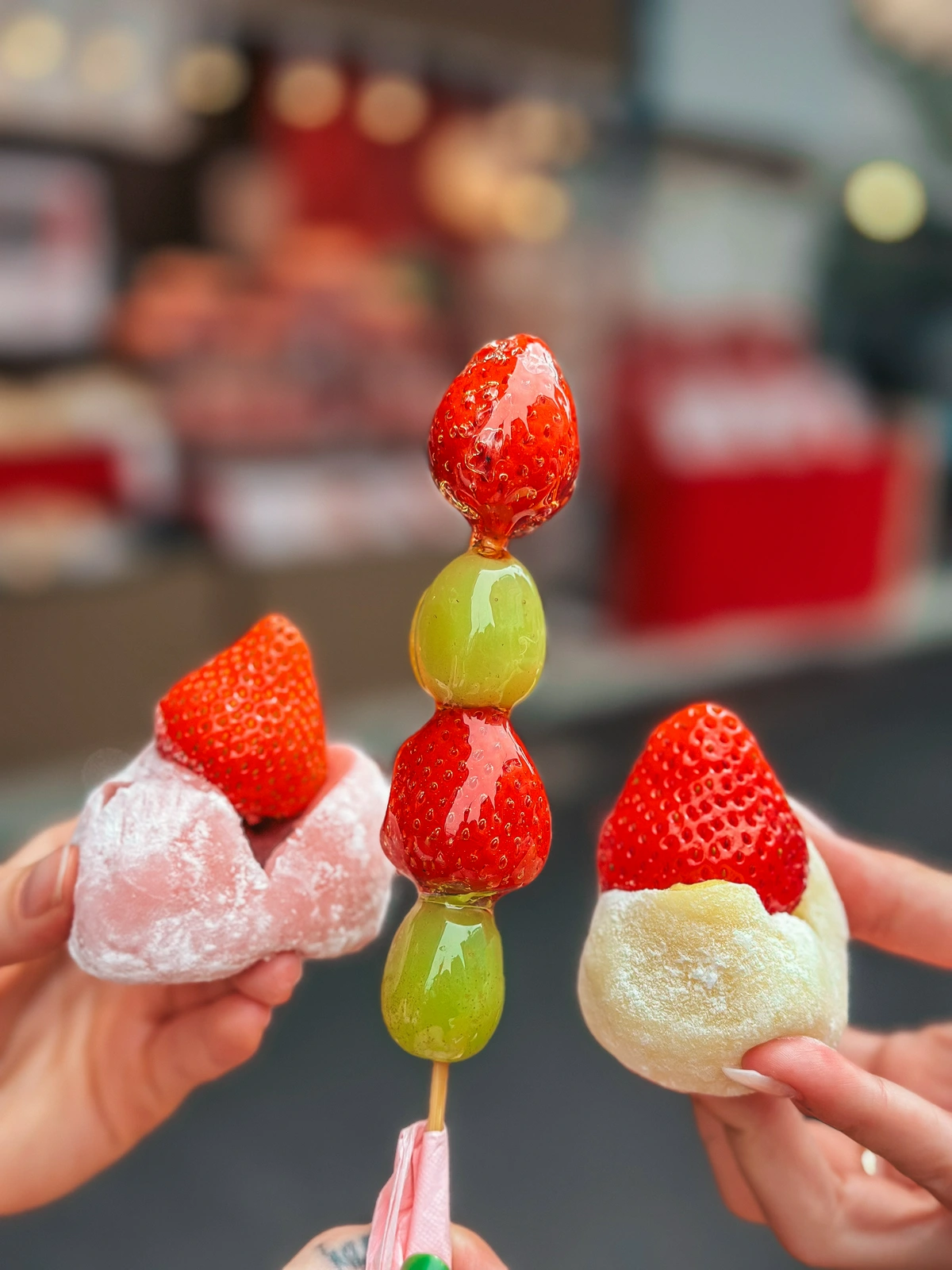
- Excellent dining, from high-end restaurants to cafes, sweets, and nearby market bites.
- Convenient for Tsukiji Outer Market, teamLab Borderless, Tokyo Tower, and Chiyoda.
- The area feels clean, organized, and sophisticated.
- It’s central without feeling quite as chaotic as Shibuya or Shinjuku.
Cons
- Accommodation can be expensive, especially at the more polished hotels.
- It can still get crowded around shopping streets and department stores.
- Nightlife is more subdued compared to Shibuya or Shinjuku.
- If you want quirky, youthful Tokyo energy, Ginza may feel a little too buttoned-up.
Hotel Recommendations
- Budget option: Tokyu Stay Ginza—A practical option in a pricey neighborhood, especially if you like the idea of staying close to Ginza Station without going full luxury.
- Mid-range option: Mitsui Garden Hotel Ginza Premier—A sleek hotel with city views and a location that works especially well if Tsukiji, Ginza shopping, and Tokyo Tower are high on your list.
- Luxury option: The Peninsula Tokyo—A classic luxury stay in a prime location, perfect if you want this part of the trip to feel extra special.
Check out all the available options in Ginza and pricing for your dates here.
4. Chiyoda City
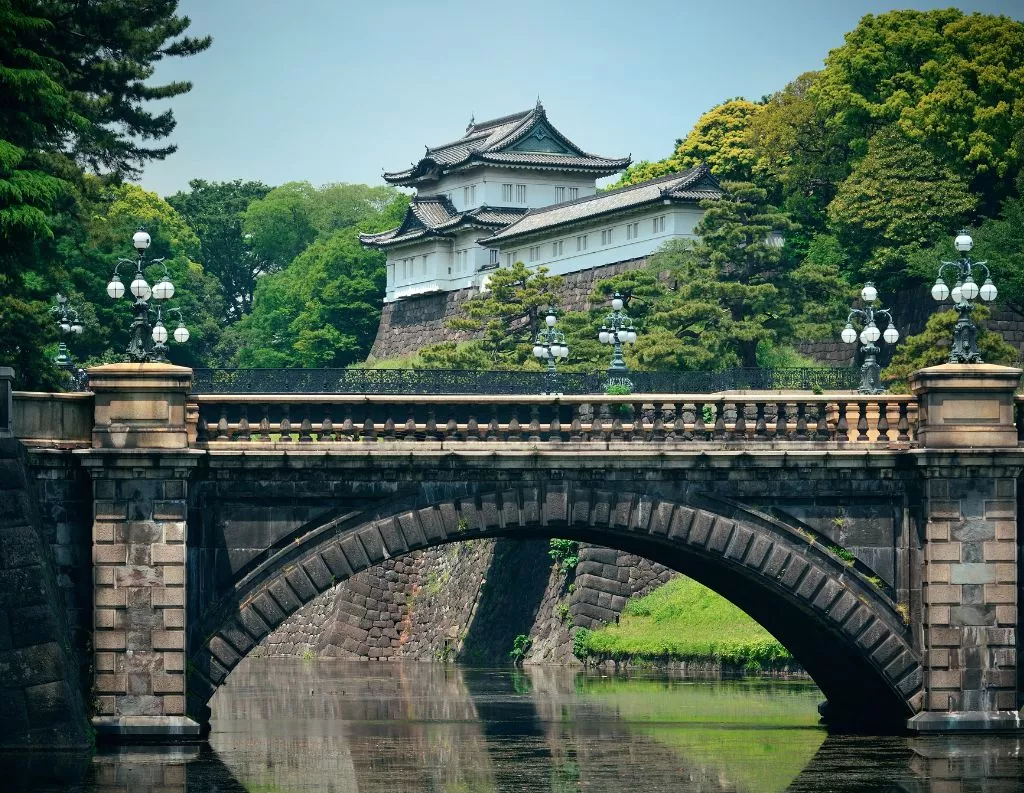
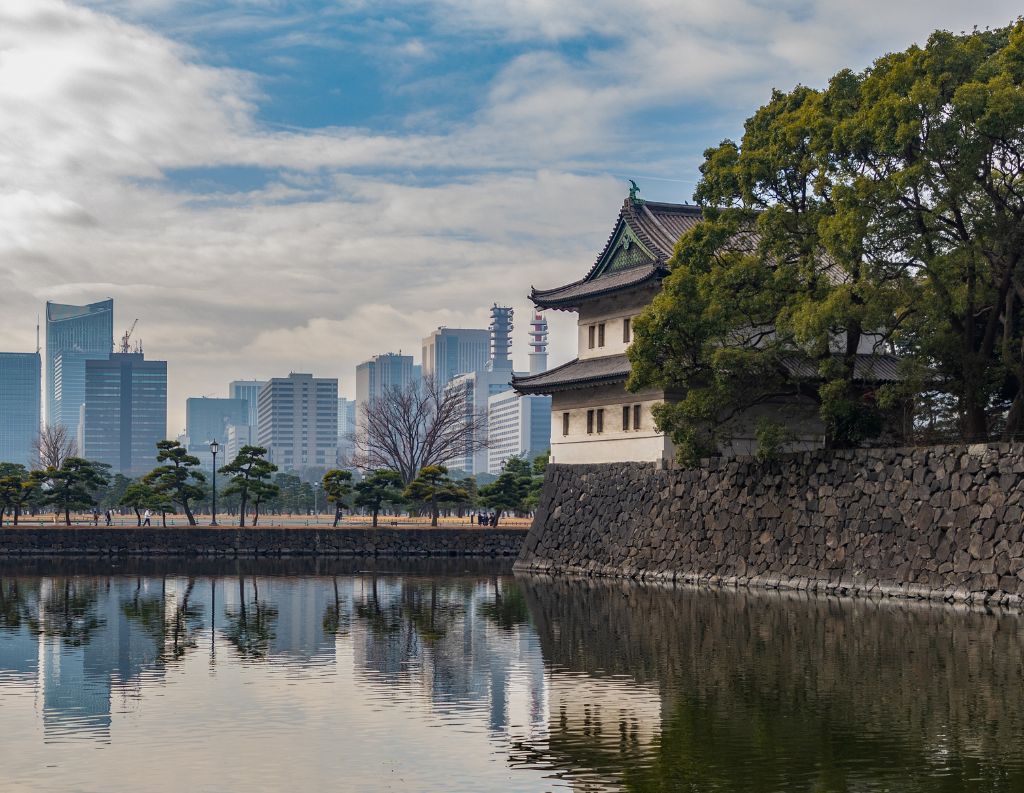
Chiyoda City is one of the best areas to stay in Tokyo if you want a central base that feels a little calmer and more grown-up. This district includes major areas like Tokyo Station, Marunouchi, Otemachi, and the Imperial Palace area, so it’s especially convenient if you’ll be arriving by train or using Tokyo as a jumping-off point for other parts of Japan.
This is not where I’d stay for wild nightlife, but it’s a strong pick if you care about transportation, polished hotels, quieter evenings, and easy access to the Imperial Palace East Gardens.
Pros
- Close to the Imperial Palace East Gardens and historic sites.
- Tokyo Station access is a major perk if you’re taking the Shinkansen or doing day trips.
- It feels calmer than Shibuya and Shinjuku, especially at night.
- Great for travelers who want a central, practical, less chaotic base.
Cons
- Nightlife is limited compared to Shibuya, Shinjuku, or Roppongi.
- The vibe can feel more businesslike and formal.
- Some hotels are expensive because of the central location.
- You’ll likely leave the neighborhood for trendier shopping, food, and nightlife.
Hotel Recommendations
- Budget option: Sotetsu Fresa Inn Kanda-Otemachi—A simple, practical stay near Kanda and Otemachi, with compact rooms and easy train access.
- Mid-range option: Marunouchi Hotel—A polished option near Tokyo Station, great if you want convenience without staying in the middle of a nightlife district.
- Luxury option: Four Seasons Hotel Tokyo at Otemachi—A true splurge with gorgeous skyline and Imperial Palace views, plus the kind of calm, elevated feel that makes sense in this neighborhood.
Check out all the available options in Chiyoda City and pricing for your dates here.
5. Asakusa
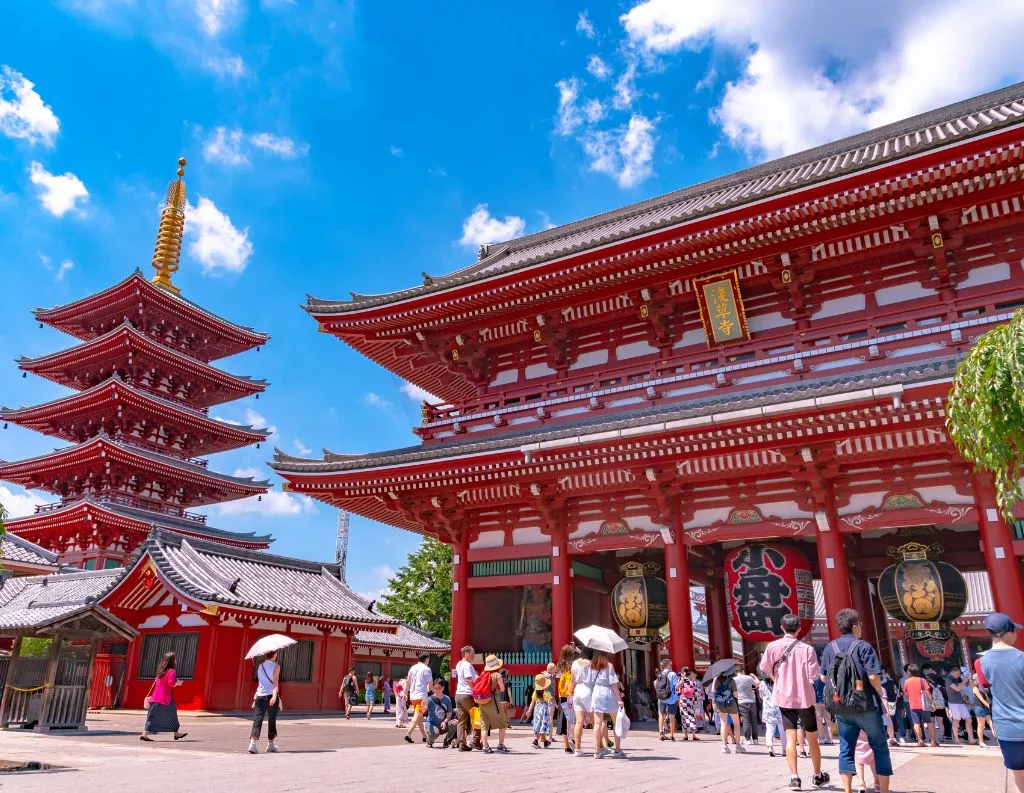
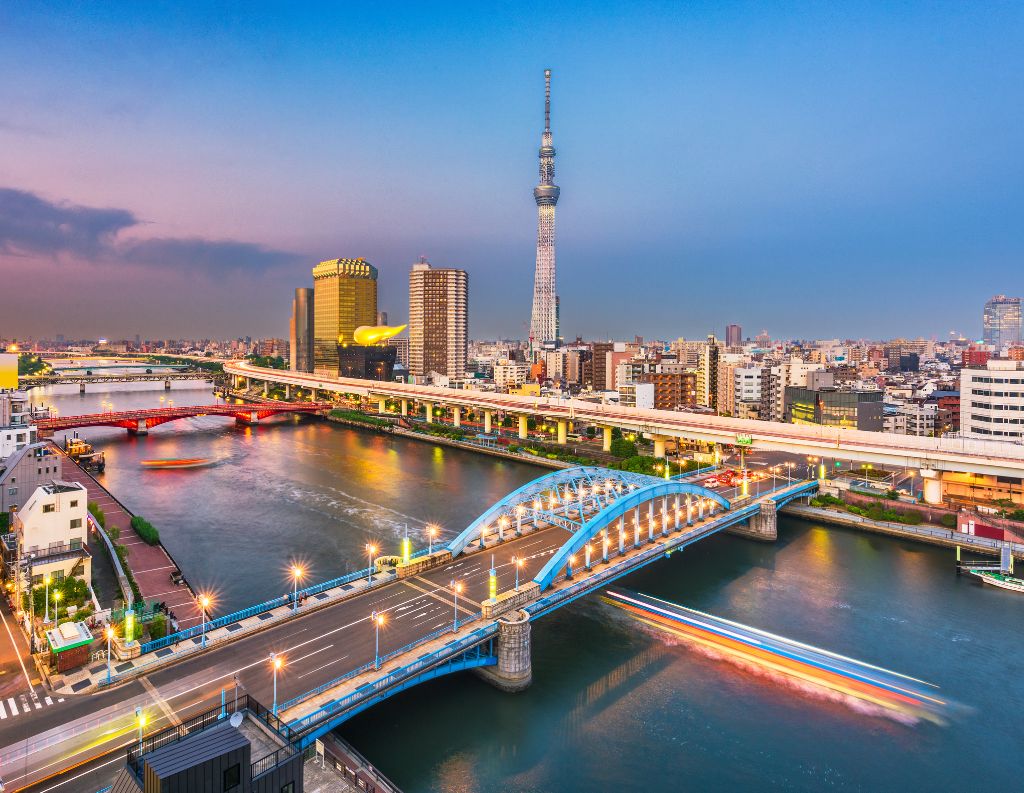
Asakusa is the neighborhood I’d choose if you want Tokyo to feel more historic, traditional, and relaxed. It’s home to Senso-ji Temple, Tokyo’s oldest temple, plus Nakamise Street, where you can snack, shop for souvenirs, and wander through one of the city’s most classic areas.
Asakusa is still touristy, but in a different way than Shibuya or Shinjuku. It’s less about nightlife and big-city chaos, and more about temples, street food, river views, old-school charm, and slower mornings. If your ideal Tokyo base is atmospheric but not overwhelming, this could be a great fit.
Pros
- Home to Senso-ji Temple and Nakamise Shopping Street.
- Great for traditional shops, street food, temple visits, and a more nostalgic feel.
- More relaxed than Shibuya or Shinjuku, especially outside peak temple hours.
- Easy access to the Sumida River, Tokyo Skytree views, and scenic walks.
- Usually a good value compared to Tokyo’s trendier central neighborhoods.
Cons
- The temple area can feel very touristy during the day.
- It’s less central for some modern Tokyo attractions, so you may spend more time in transit.
- Nightlife is limited compared to Shibuya, Shinjuku, and Roppongi.
Hotel Recommendations
- Budget option: HOTEL TAVINOS Asakusa—A fun, playful option with compact rooms and an easy location for exploring Asakusa’s main sights.
- Mid-range option: Asakusa View Hotel—A comfortable choice if you want more traditional-neighborhood charm with the bonus of Tokyo Skytree views.
- Boutique option: The B Asakusa—A sleek, modern option near Asakusa’s main attractions. I’d think of this more as an upgraded boutique stay than a true luxury hotel.
Check out all the available options in Asakusa and pricing for your dates here.
A Few Tokyo Booking Tips Before You Choose
- Check the actual station distance. A hotel can technically be “in Shibuya” and still be a very annoying walk from the station with luggage.
- Prioritize train access over room size. Tokyo hotel rooms can be small, but being near the right station saves so much energy. My Japan travel tips go deeper into transportation and IC cards.
- Set up an eSIM before you land. You’ll use data constantly for train routes, walking directions, translations, restaurant saves, and hotel navigation.
- Compare travel insurance before a big international trip. There’s no one-size-fits-all plan, but you can compare travel insurance options here based on your dates, trip cost, and comfort level.
- Choose your base around your itinerary. If you’re still mapping out your days, my 2-day Tokyo itinerary and 3-day Tokyo itinerary can help you see which neighborhoods you’ll actually be visiting most.
Final thoughts on the best neighborhoods to stay in Tokyo
During our Tokyo trip, we stayed in Akihabara for part of our visit, and I know it gets a lot of love in other Tokyo guides. It’s a haven for gamers, anime fans, electronics shops, arcades, and themed cafes, so I totally understand why some travelers are drawn to it.
But for our group, it didn’t end up being our favorite base. Even with gamers and anime fans traveling with us, we all agreed that Shibuya, Shinjuku, and a few other areas felt more convenient and better matched the things we wanted to do.
If I were booking again, my personal first choice would be Shibuya, especially for a first-time Tokyo itinerary. Shinjuku would be my second choice if nightlife and transit convenience were the top priorities, while Ginza or Chiyoda would make more sense for a calmer, more polished stay. And if you want something more traditional and budget-friendly, Asakusa is absolutely worth considering.
Before you go, be sure to follow me on Insta @guidedbydestiny and check out some of my other Japan blog posts: