20 Things to Know Before Traveling to Japan
This post contains affiliate links, which help support my blog at no extra cost to you!
If you’re planning a trip to Japan, there are a few things to know before traveling to Japan that can make the whole experience feel so much smoother. After spending an unforgettable 10 days in Japan, I came home with a running list of practical tips, little surprises, and “oh, I’m so glad we figured that out” moments.
Japan is incredibly easy to love, but it can also feel intimidating before your first visit. The train system looks intense, etiquette matters, popular experiences book up, and even something as simple as finding a trash can can become a tiny side quest.
These are the Japan travel tips I’d want a friend to read before landing.
20 Things to Know Before Traveling to Japan
Quick Links for Japan
1. Chances are, you won’t need a JR Pass
Buying a Japan Rail Pass in advance used to be one of the classic Japan travel tips, but after the major price increase in October 2023, it’s no longer the automatic money-saver it once was.
For most visitors, the cost of the JR Pass now outweighs the benefits. As of current official pricing, an ordinary 7-day JR Pass is ¥50,000, so run the math before buying. If you’re mostly visiting Tokyo, Kyoto, Osaka, and maybe Mount Fuji, individual Shinkansen tickets may be cheaper and more flexible.
2. Transportation in Japan is efficient, but plan ahead
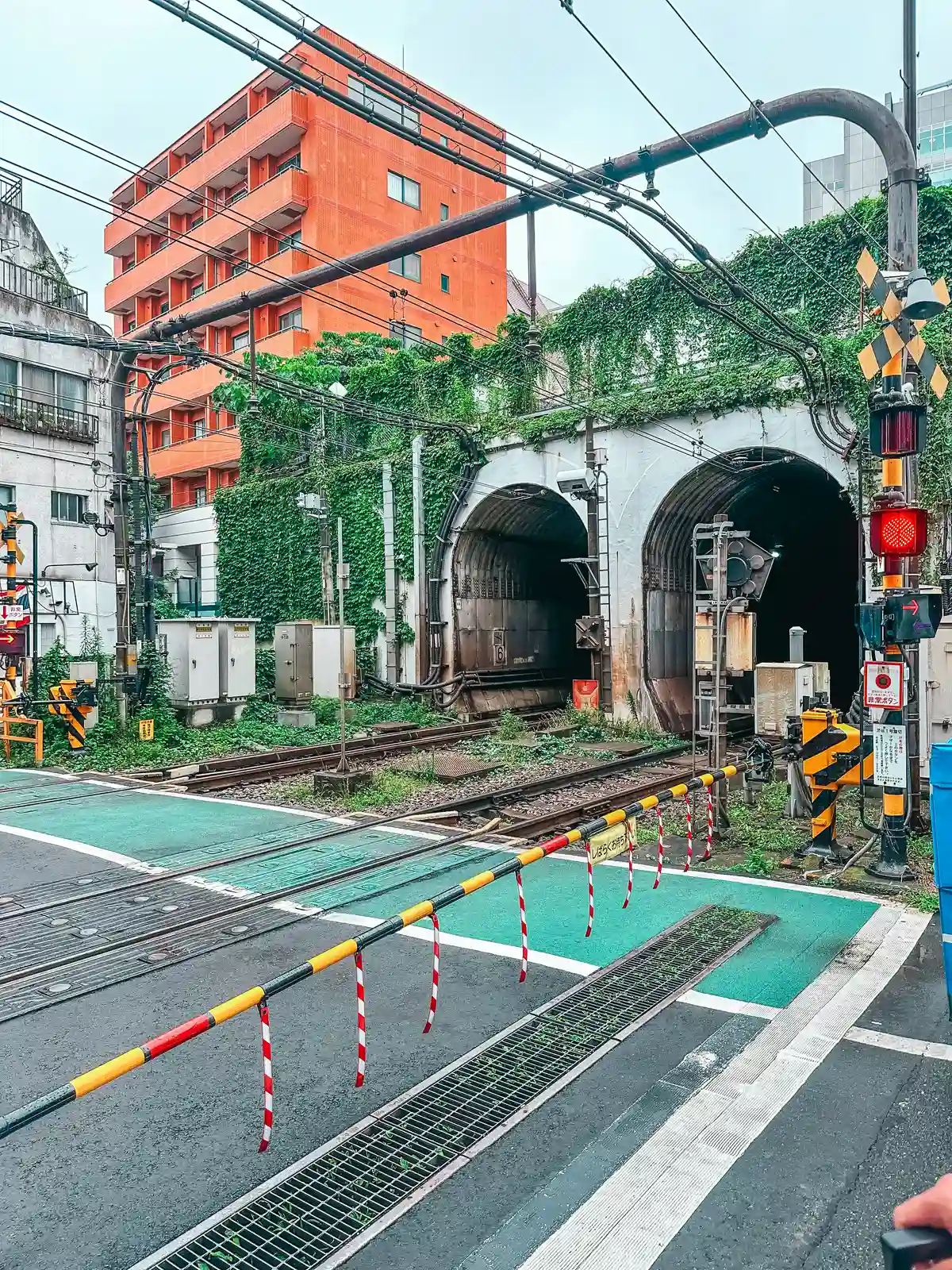
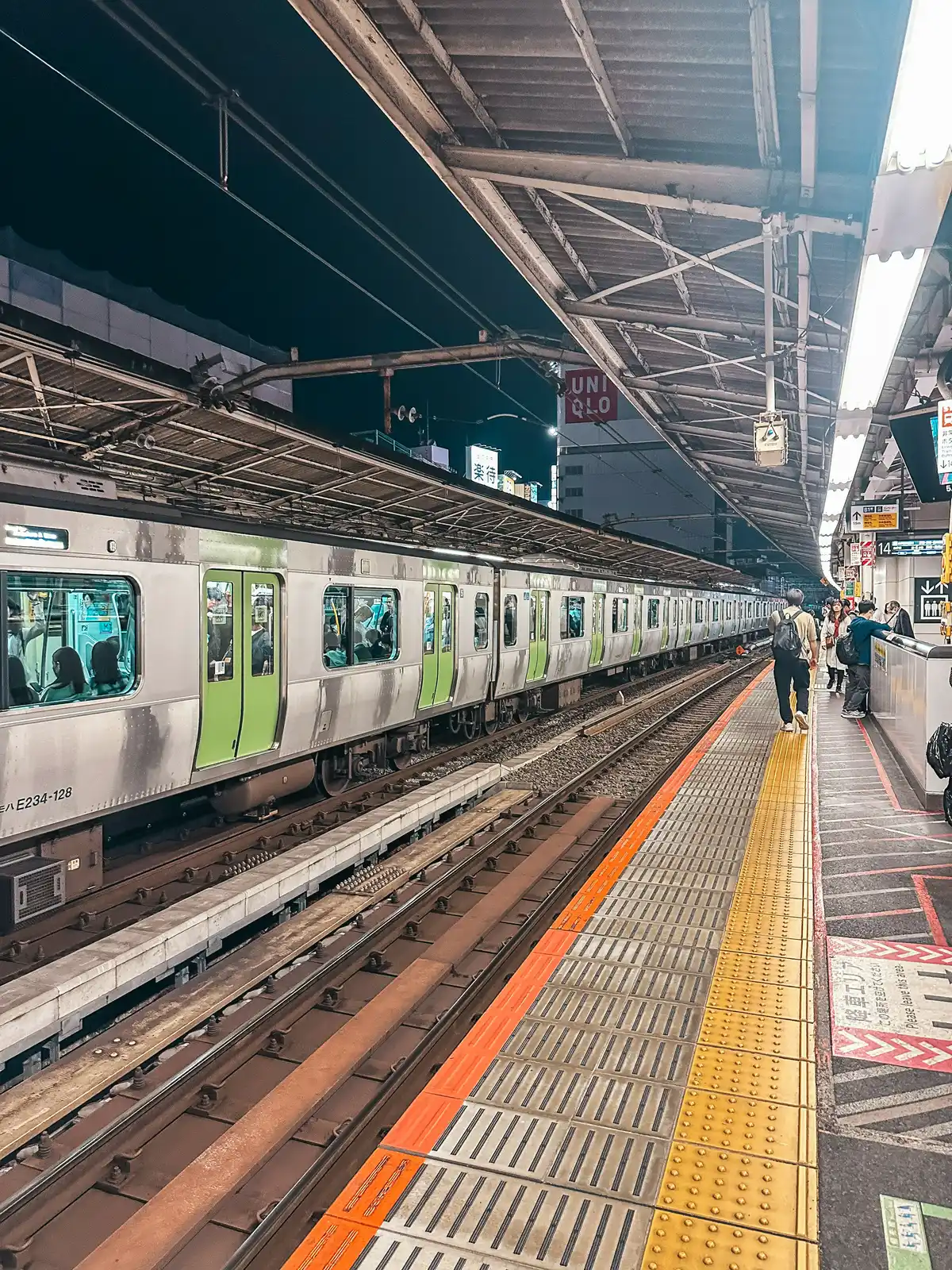
Getting around Japan is pretty easy once you get the hang of it, thanks to its incredibly efficient public transportation system. Trains, subways, buses, and even taxis are clean, punctual, and much easier to navigate than they look from the outside.
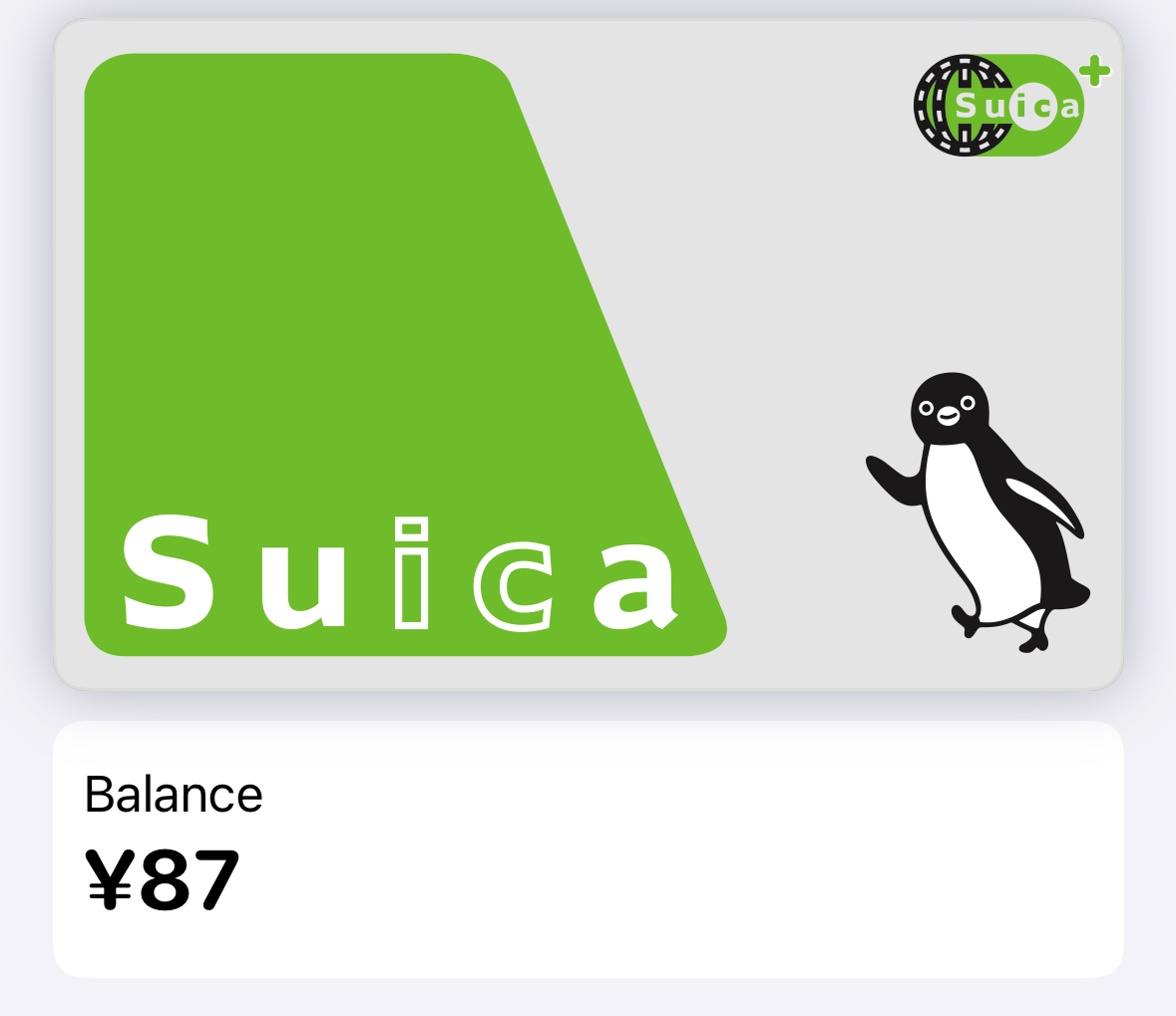
Your best friend for local transportation will be an IC card like Suica, Pasmo, or Welcome Suica. You can use it for trains, buses, vending machines, convenience stores, lockers, and some restaurants, which makes small purchases and transit so much smoother.
If you have an iPhone, you can usually add Suica directly to Apple Wallet and reload it from your phone. If you prefer a physical card, look for Welcome Suica, which is designed for temporary visitors and is valid for 28 days. Availability and sales locations have changed in recent years, so check current JR East guidance before assuming you can buy one anywhere.
3. Download an eSIM for easy connectivity
Staying connected in Japan is one of those things I would not leave to chance. You’ll use data constantly for Google Maps, train routes, translation apps, restaurant research, attraction tickets, and messaging.
An eSIM for Japan makes this so much easier because you can set it up before you arrive and connect once you land. No hunting for a SIM card, no relying on airport Wi-Fi, no “why is my phone betraying me?” moment while jet-lagged.
Grab Your Japan eSIM Before You Land
Choose the duration and data amount that fits your itinerary so you can start navigating as soon as you arrive.
Check eSIM pricing + options4. Book things in advance, even if it’s not your style
I’ll be honest, I’m not usually someone who loves booking every single thing far ahead. I like flexibility! But in Japan, booking in advance is a must for popular attractions. Some experiences can sell out weeks ahead, especially during busy seasons.
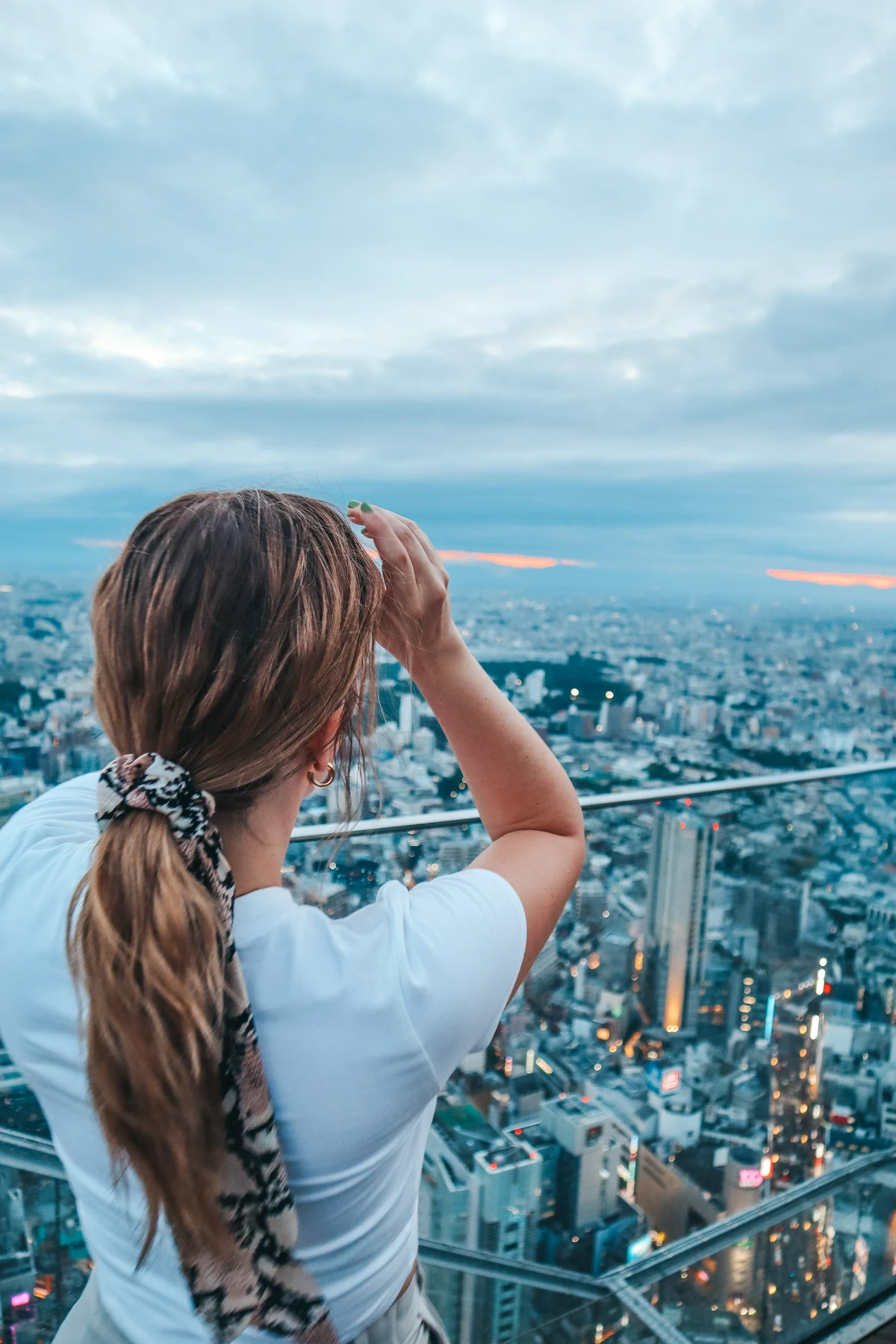
If you want to do things like Shibuya Sky, teamLab, a food tour, or a tea ceremony in Kyoto, plan ahead so you’re not scrambling once you’re there.
5. Trash cans are rare, so be prepared
One surprising thing about Japan: trash cans are hard to come by. Public spaces are incredibly clean, but bins are not everywhere, so most people carry their trash until they can dispose of it properly.
Keep a little space in your bag for wrappers or bottles until you get back to your hotel or spot a designated bin. This is one of those tiny things that sounds silly until you’re carrying an empty coffee cup for 45 minutes.
6. Convenience stores are a must-visit
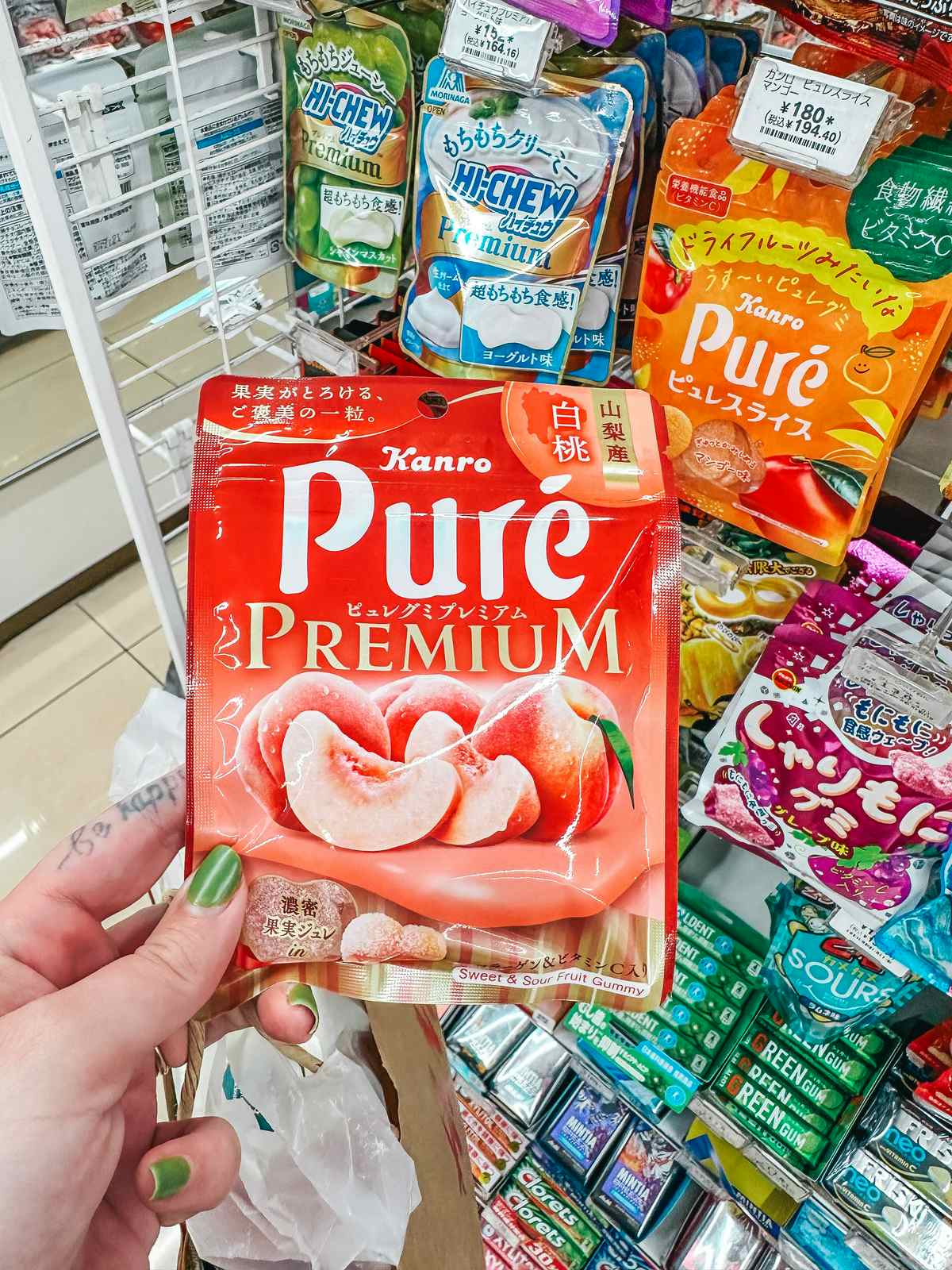
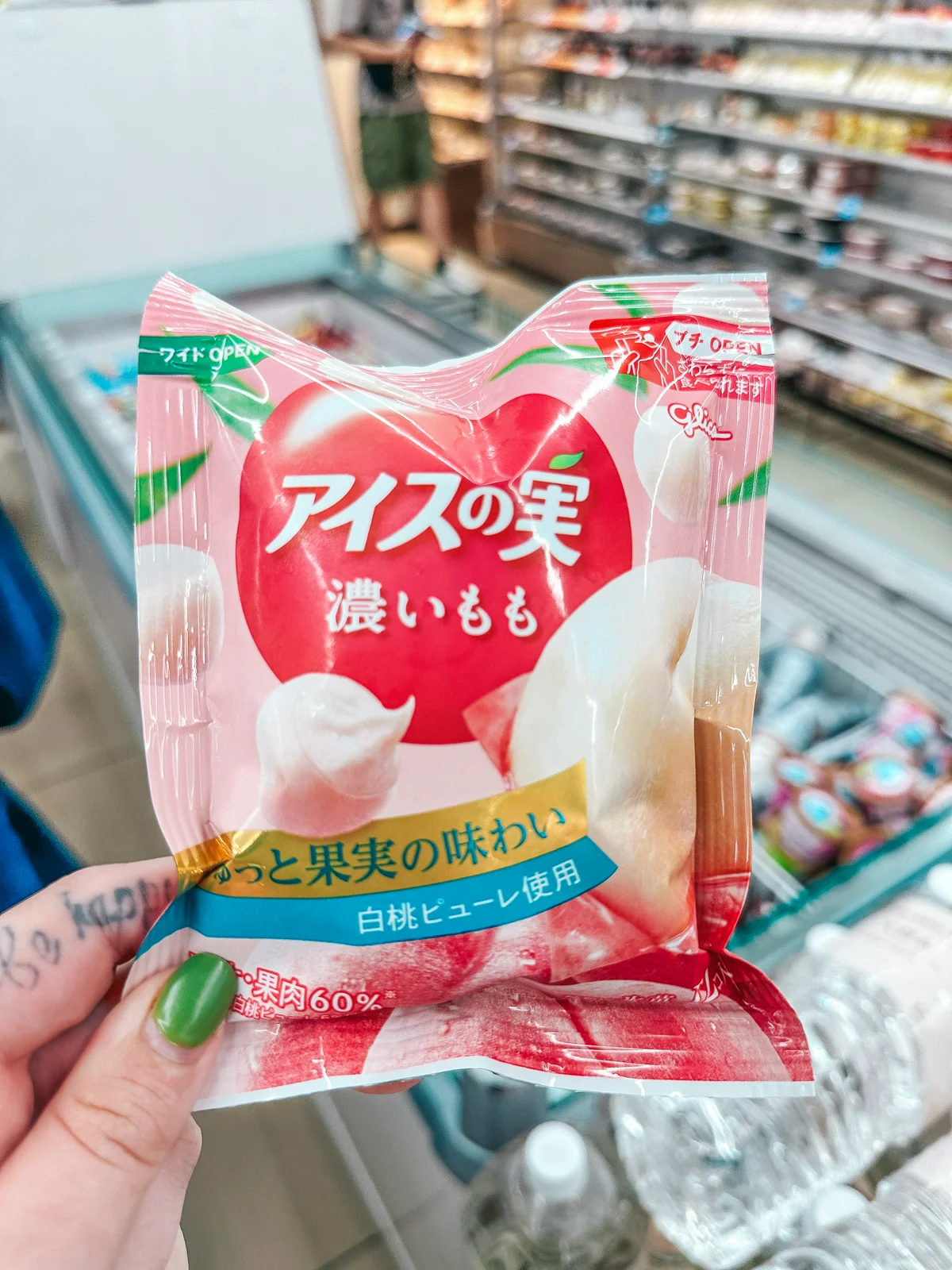
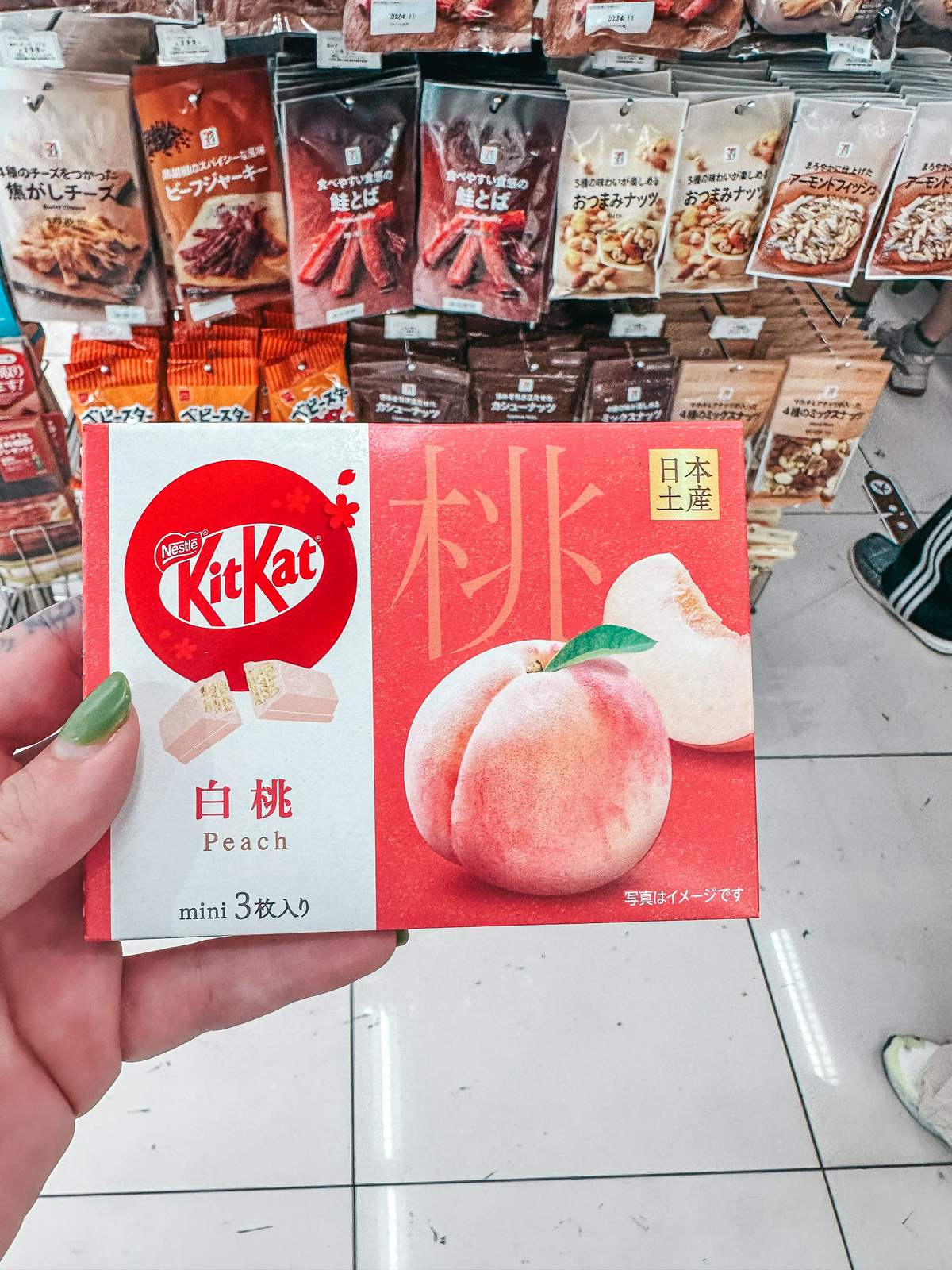
Speaking of 7-Eleven, FamilyMart, and Lawson, convenience stores in Japan are elite. Truly, do not treat them like gas station snacks back home. They’re a total treasure trove of onigiri, egg salad sandwiches, hot snacks, drinks, sweets, and seasonal treats.
My personal favorites were the peach ice cream balls and sour peach gummies. I stocked up every chance I got. And of course, you can’t skip the iconic fruit sandwiches, made with fluffy white bread, whipped cream, and fresh seasonal fruit. And yes, your IC card works here too!
7. Enjoy the bidet life
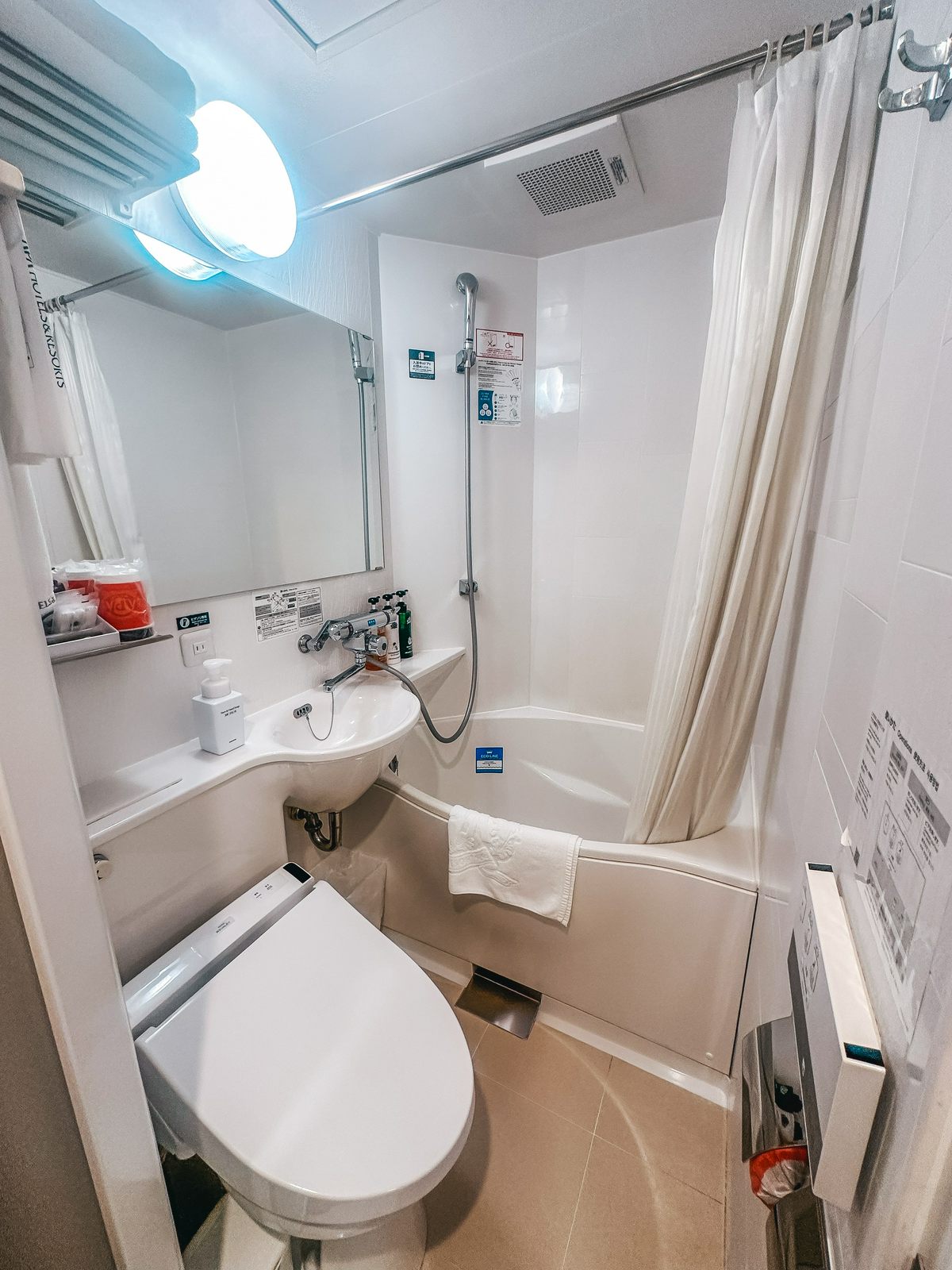
Prepare yourself for a delightful surprise in Japanese restrooms: so many toilets are equipped with bidets. Heated seats, warm water, privacy sounds, buttons you may need Google Translate to understand. It’s a treat you didn’t know you needed, and then suddenly you’ll wonder why everywhere doesn’t do this.
8. Be prepared for the weather
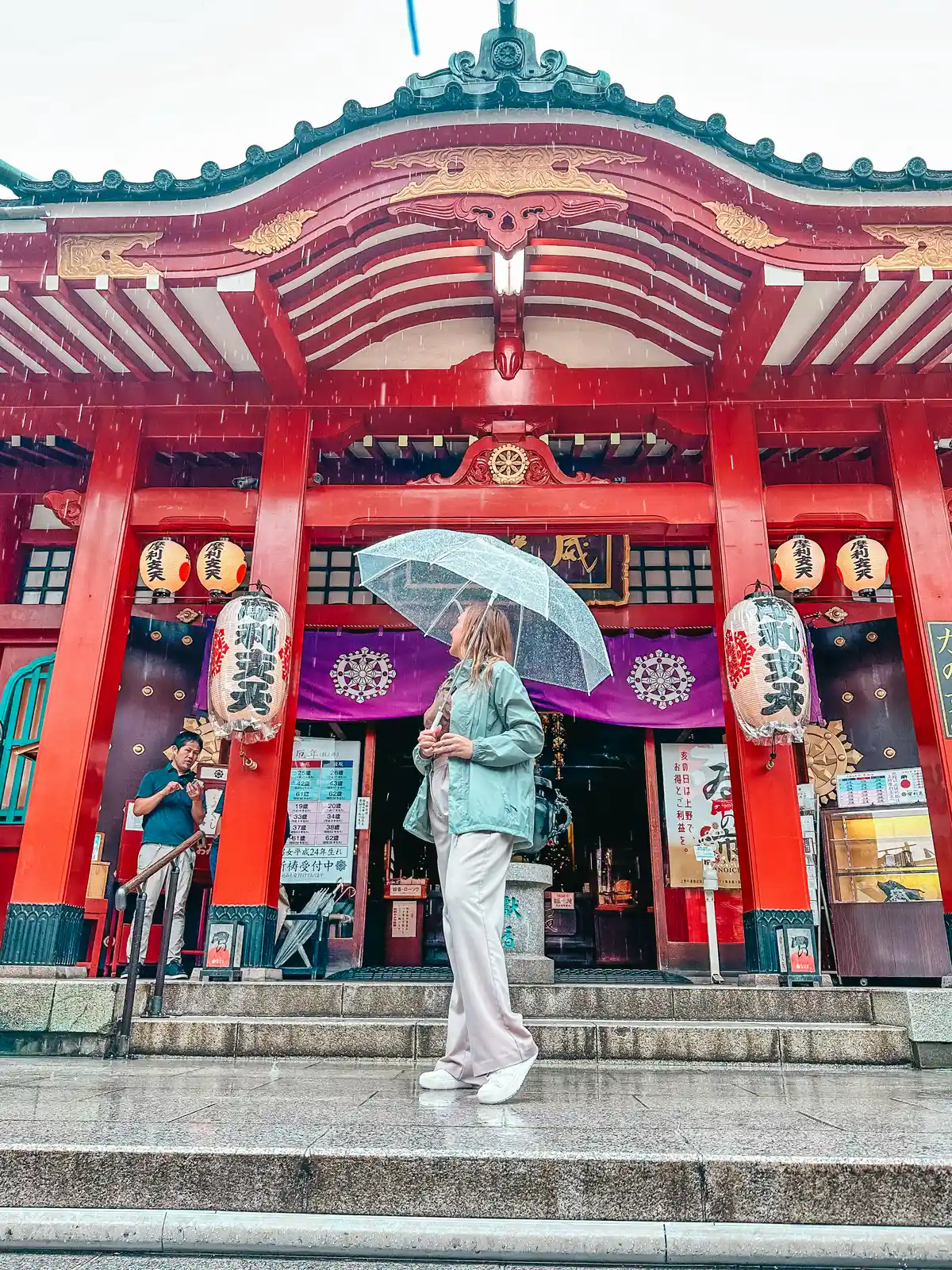
Japan’s weather can be unpredictable, so pack for your actual season. Layers are key for spring and fall, summers can be hot and humid, and a raincoat is a must if you’re traveling during the rainy season, which typically runs around June to July in many parts of the country.
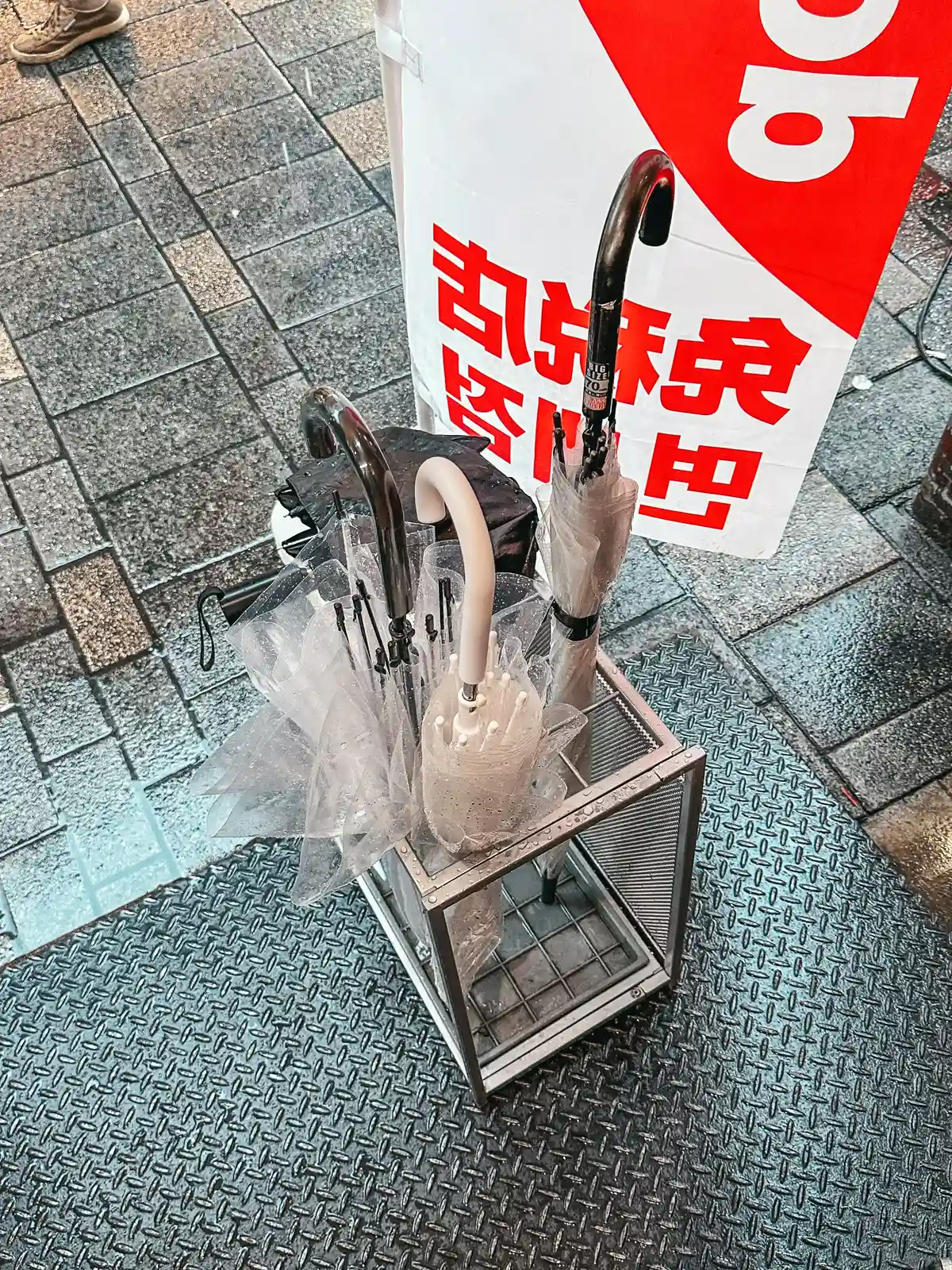
I didn’t bring an umbrella, but many hotels offered them for free, and I picked one up for just a few dollars at a local shop. You’ll also see umbrella racks outside stores and restaurants where you can leave your umbrella while you shop or dine.
9. Cash is still helpful, but cards are widely accepted
Japan is more card-friendly than some older travel advice makes it sound, especially in major cities, hotels, department stores, and tourist attractions. But having some cash on hand is still essential for smaller restaurants, markets, temples, rural areas, and little purchases.
Convenience store ATMs are helpful for international cards, and your IC card can cover plenty of small daily transactions. Also, tipping is not customary in Japan, so don’t worry about leaving extra at restaurants or hotels.
10. Cultural etiquette matters
Japanese etiquette is an important part of the travel experience, and a little awareness goes a long way. Eating while walking or on local public transportation is generally frowned upon, so try to eat near the stall, at a designated area, or once you’re seated somewhere.
Public spaces and trains are also usually very quiet, and people tend to keep conversations low. You can enjoy food on trains like the Shinkansen or reserved-seat limited-express trains, but for subways and local trains, keep snacks tucked away.
Also, always take off your shoes before entering someone’s home, certain temples, ryokan, or traditional spaces.
11. Embrace the food
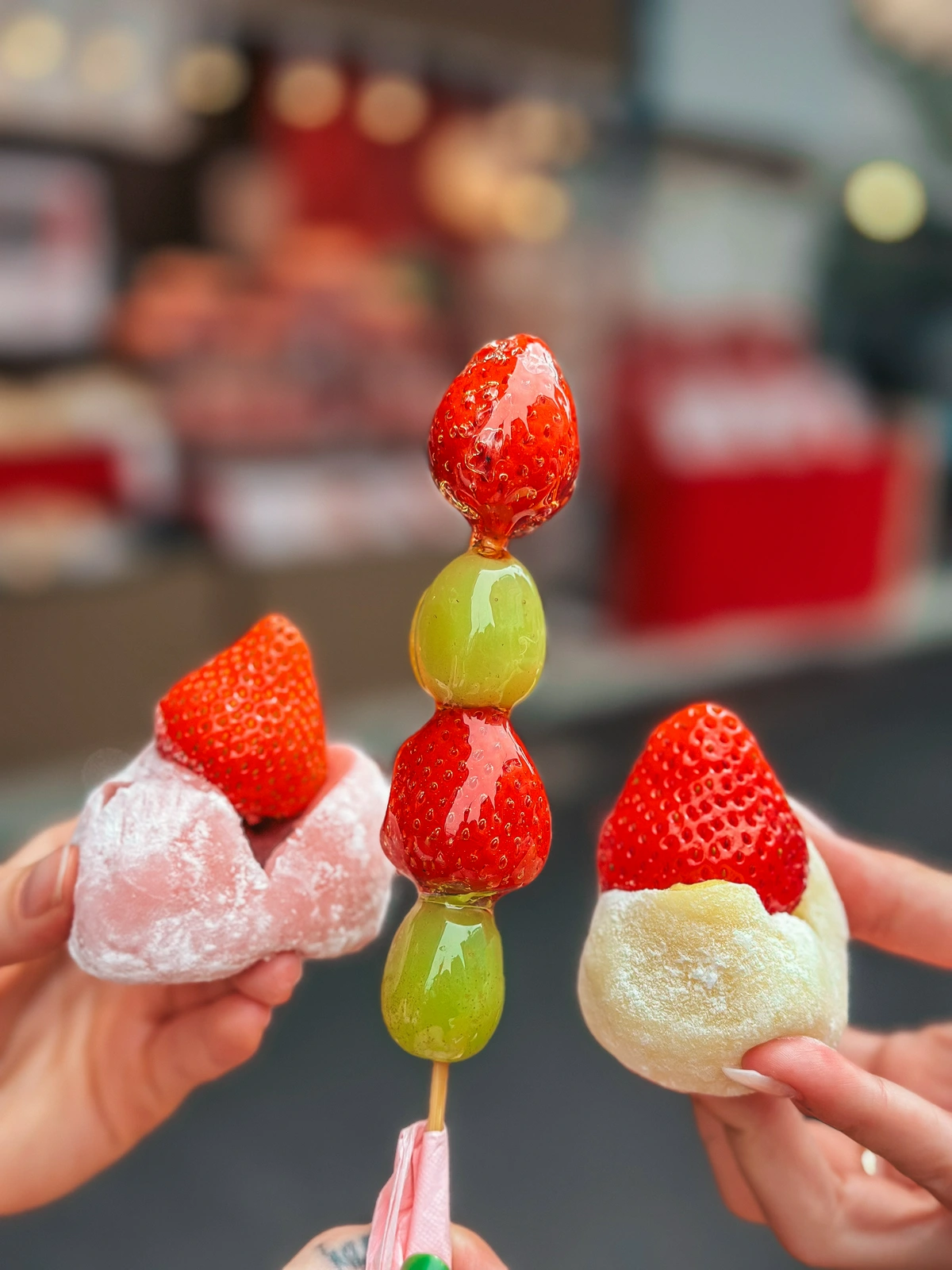
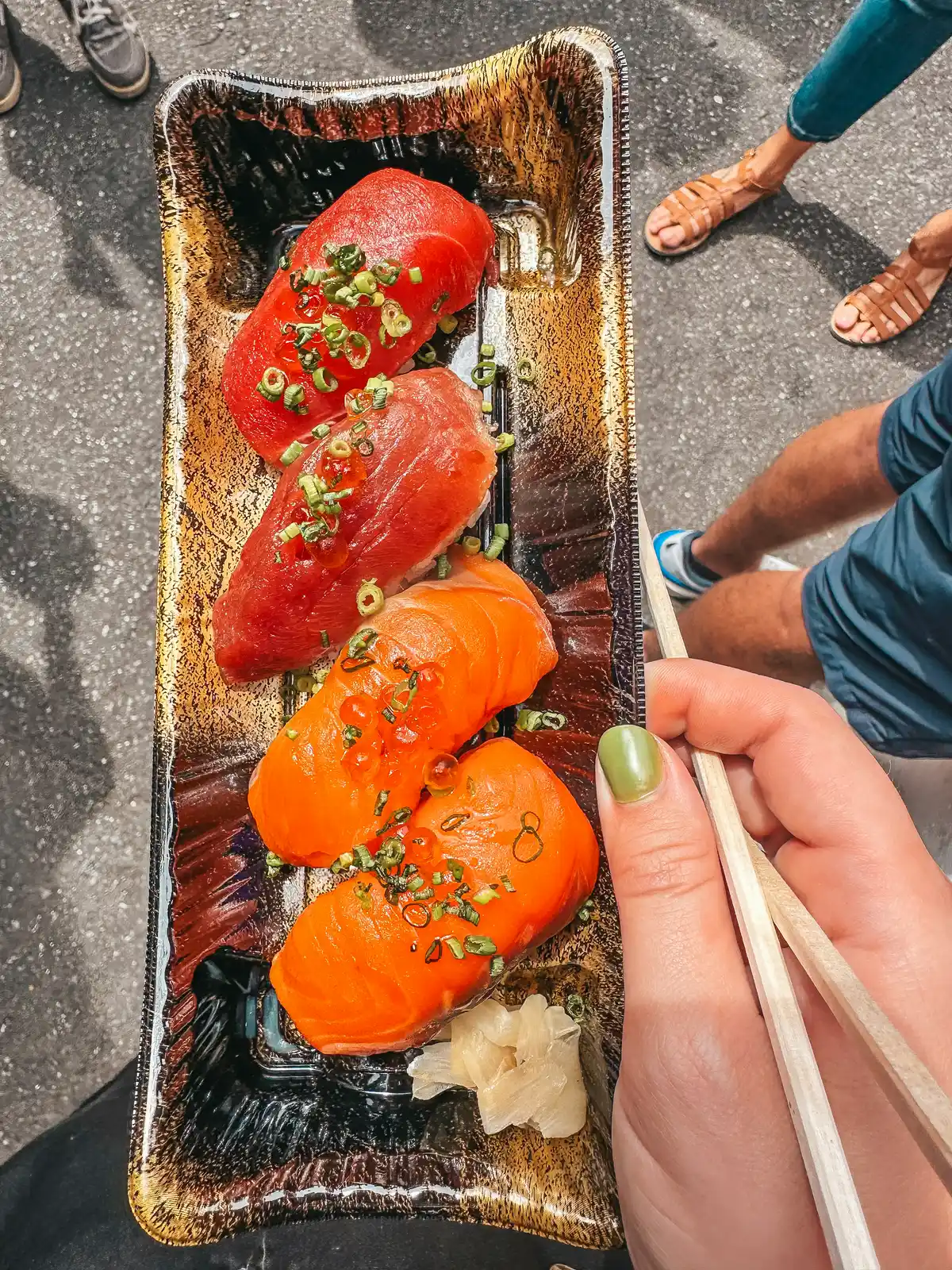
Japan is a food lover’s paradise. It has one of the most celebrated food scenes in the world, but you absolutely do not need to splurge on a fancy meal to eat well here.
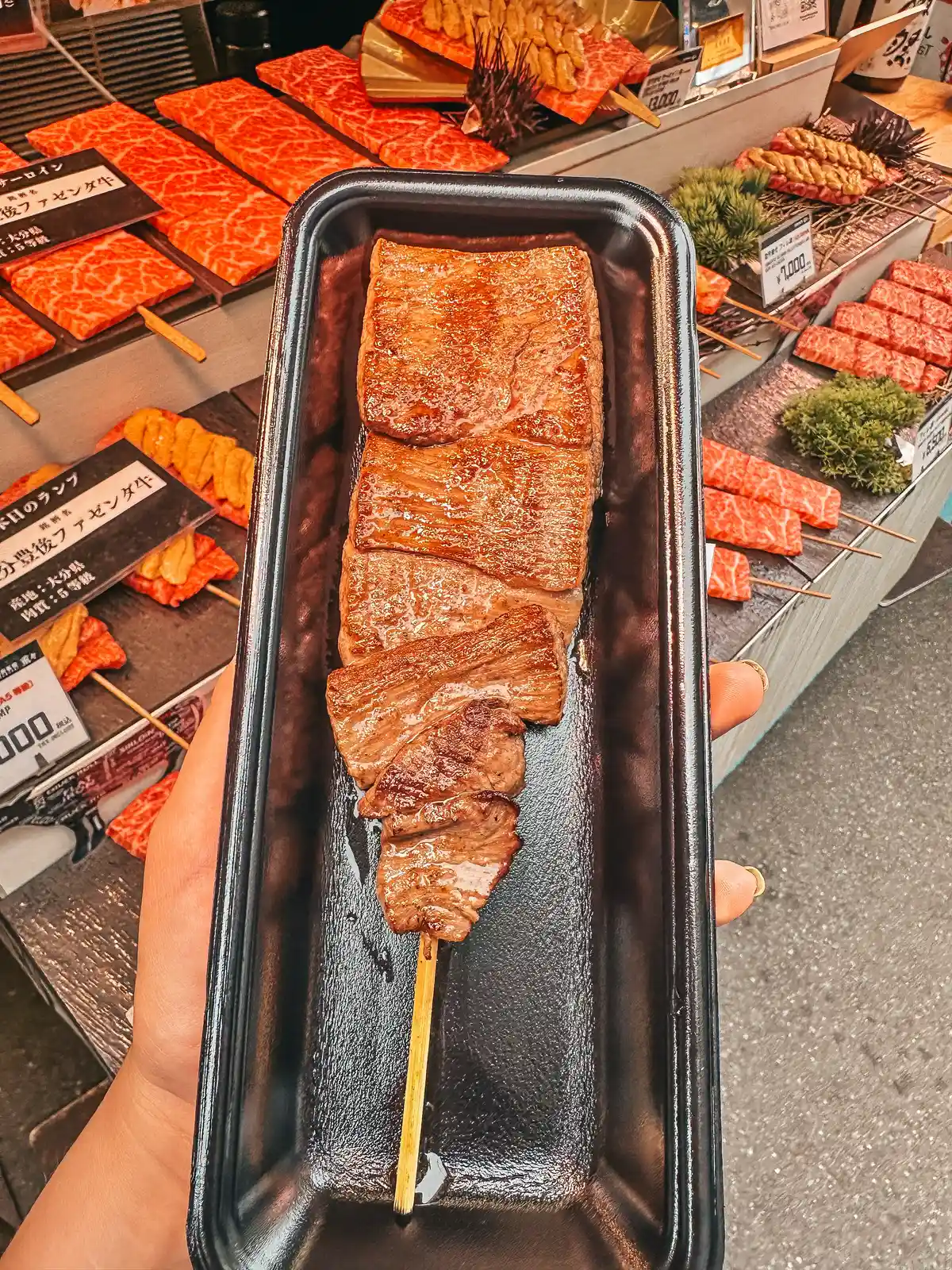
Dive into local markets, convenience stores, ramen shops, izakayas, sushi counters, and bakeries. Some of our favorite food moments were casual, quick, and totally unplanned. From wagyu at Tsukiji to tiny bowls of ramen, let your taste buds lead a little.
12. Use Klook for easy bookings
For a smoother experience, consider using Klook for tickets and activities. While I often use Viator or GetYourGuide in other destinations, Klook is extremely popular in Asia and became my go-to for Japan.
I used it for activities and even for my Japan eSIM, which was super easy and convenient. If you’re new to the platform, I also have a full post answering whether Klook is legit.
13. Compare travel insurance plans before you go
Travel insurance is one of those things that’s easy to push to the bottom of the planning list, but I really recommend comparing options before a big international trip. Between flights, hotels, luggage, weather delays, and potential medical issues abroad, it’s worth knowing what kind of coverage you’re comfortable with.
There’s no one-size-fits-all travel insurance plan, so I like using a comparison tool instead of assuming one policy works for everyone. You can compare travel insurance plans here based on your trip cost, dates, and coverage needs.
14. Stay hydrated and use sunscreen
Japan’s climate can vary a lot depending on the season and region, but it’s always smart to stay hydrated and use sunscreen. Summers can be hot, humid, and sticky, and even mild sightseeing days can sneak up on you when you’re walking all day.
15. Book accommodation near a train station
When choosing where to stay, aim for a hotel close to a train station. This will make navigating each city so much easier, save you time, and prevent those miserable luggage-hauling walks where every block feels personal.
In my guides to the best neighborhoods to stay in Tokyo and where to stay in Kyoto, you’ll notice that I always prioritize station access, no matter the area.
16. Traveling with family? Consider room size
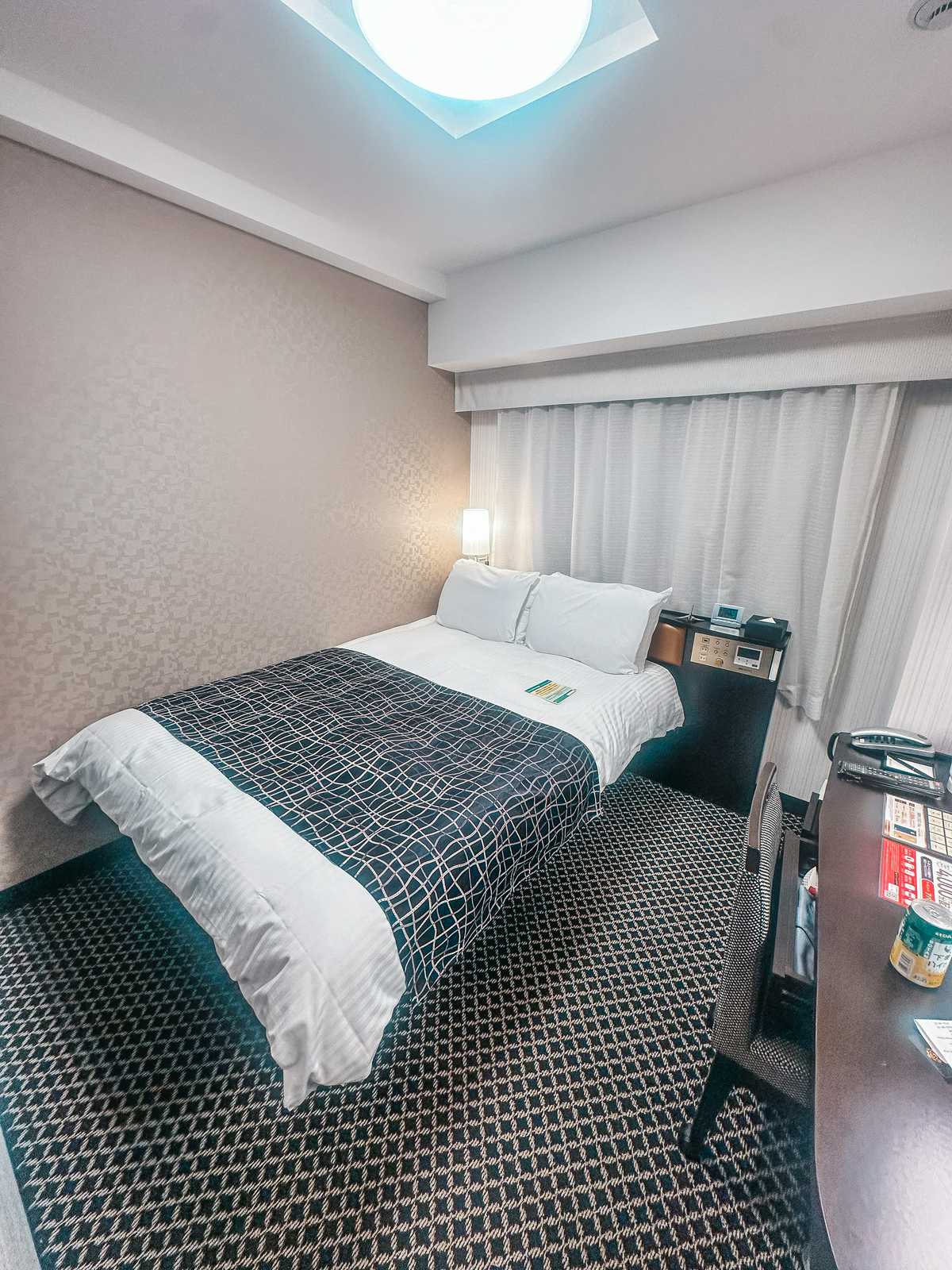
Traveling with a family can come with its own set of challenges, especially when booking accommodations. When we traveled as a family of four, we found that many hotels accommodated three guests per room, often with one larger bed or limited sleeping arrangements, which meant booking two rooms was usually necessary.
This can limit your options and make planning trickier, especially if you’re booking close to your travel dates. Rooms in Japan also tend to be smaller than what many U.S. travelers are used to, so separate rooms may be more comfortable than squeezing everyone into one space.
17. Pack light, but smart
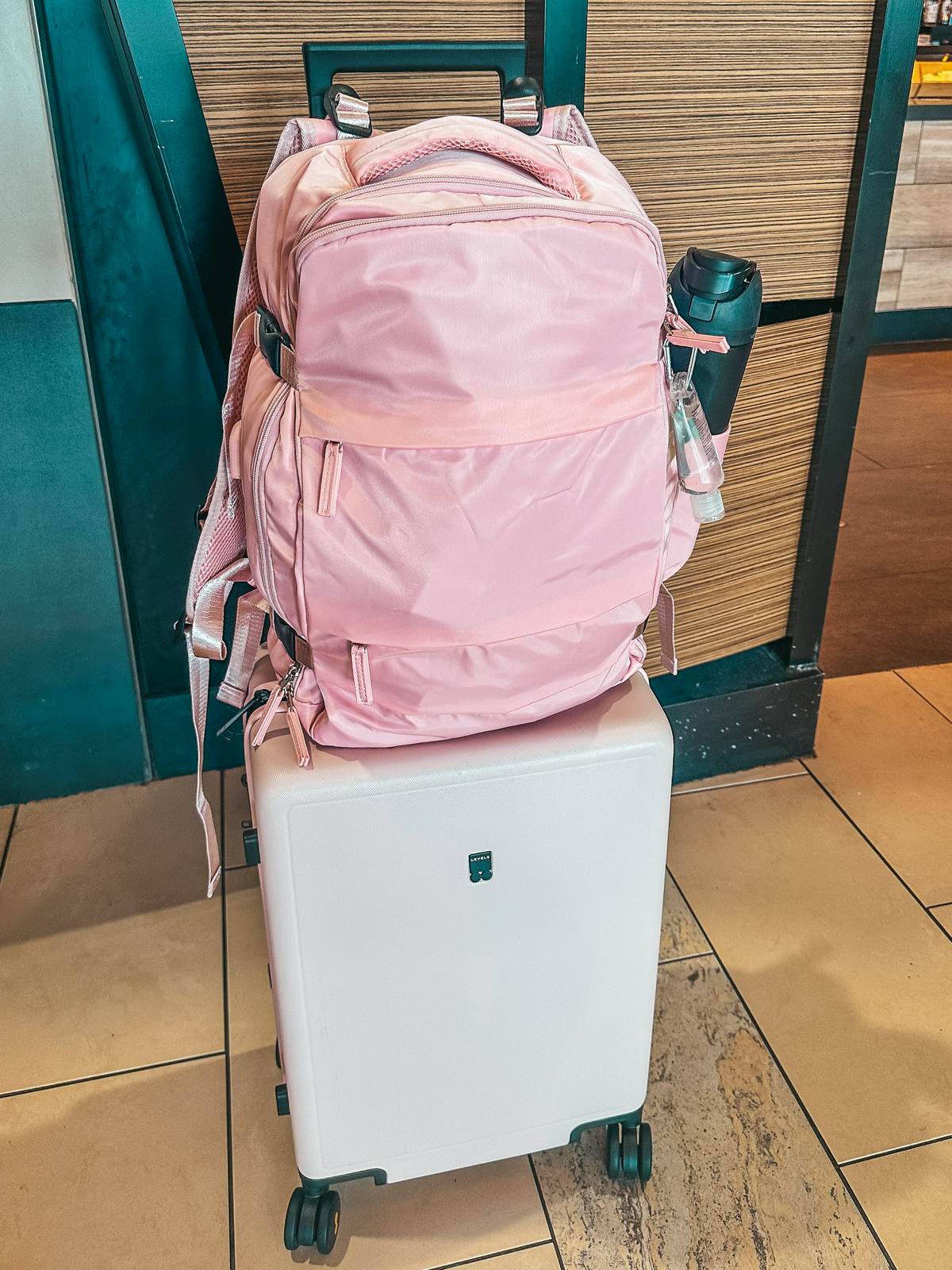
Japan’s train stations and streets can involve stairs, transfers, narrow sidewalks, and crowded platforms, so lugging around a huge suitcase is not the move. Packing light is key, especially if you’re changing cities during your trip.
I was beyond impressed with myself when I packed for 10 days in Japan and 3 days in Seoul with just a carry-on and personal item. I swear this personal item bag has been an absolute game-changer in my travels.
For more info on what to pack, check out my Japan packing list!
18. Learn basic Japanese phrases
While you’ll find English signage in many tourist areas, learning a few basic Japanese phrases can go a long way. Simple words like konnichiwa (hello), arigatou (thank you), and sumimasen (excuse me) are helpful and appreciated.
Even if your pronunciation isn’t perfect, making an effort shows respect. Pair that with Google Translate’s camera feature for menus and signs, and you’ll be in pretty good shape.
19. Use train station lockers for convenience
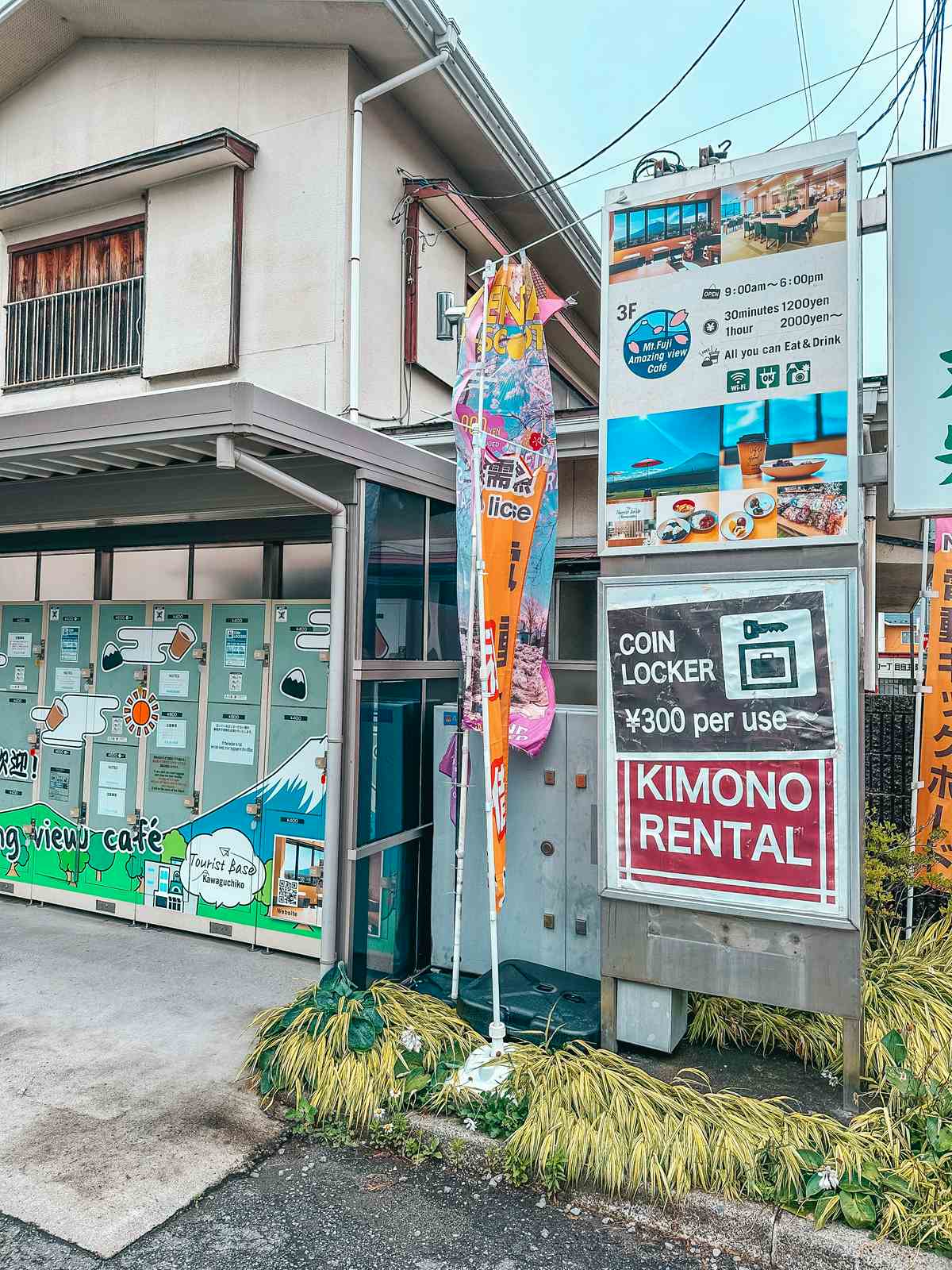
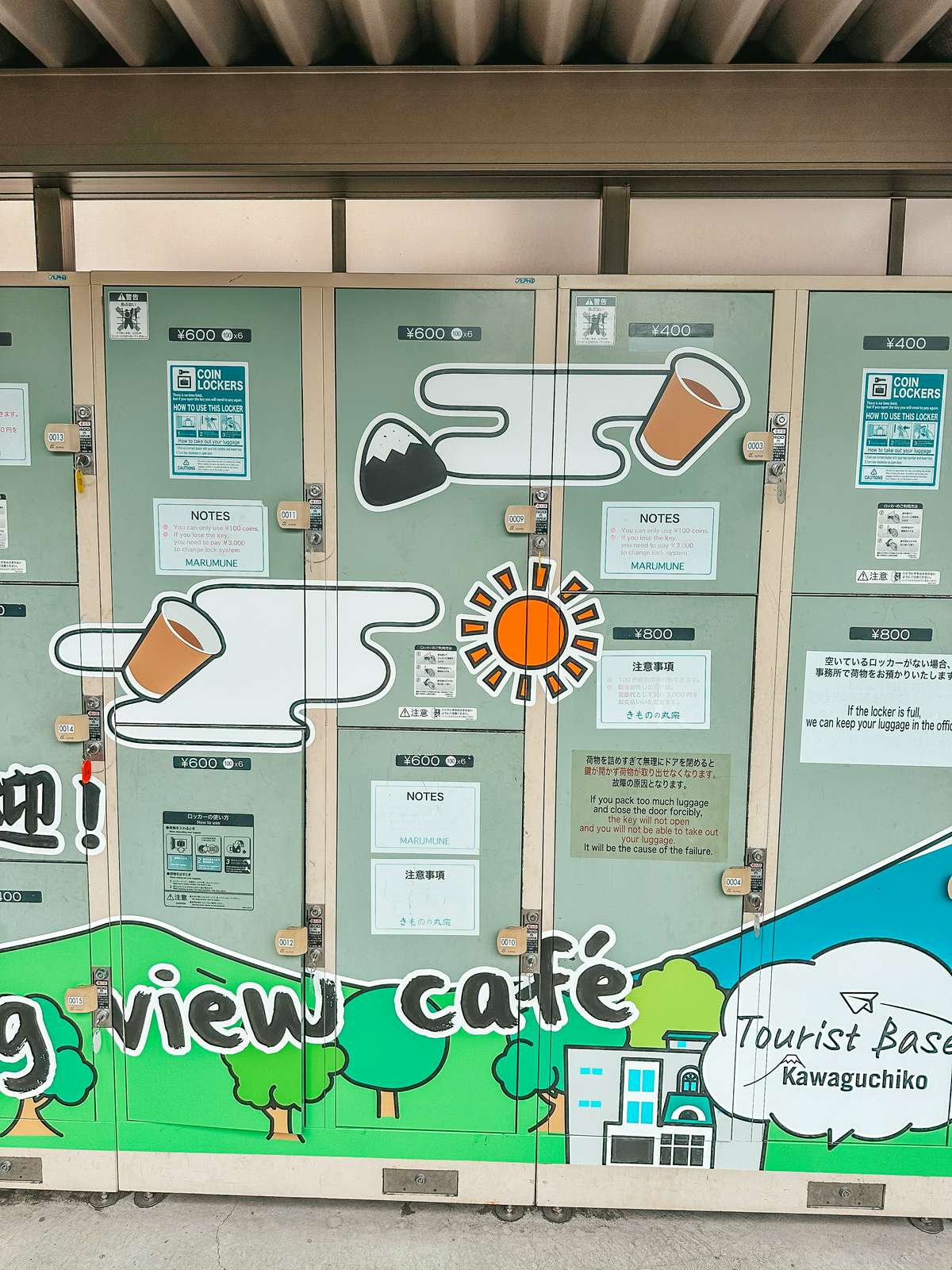
Many train stations in Japan have coin lockers where you can store your belongings for the day. This is especially handy if you’re traveling between accommodations, arriving before check-in, or trying to enjoy one last stop before moving cities.
Lockers came in handy for us when we spent a night in Fujikawaguchiko. Our check-out was at 11 AM, but we still wanted more time in town, so we stored our luggage and kept exploring.
We actually went down a street or two from the train station and found even cheaper lockers, so don’t be afraid to look just beyond the most obvious ones if they’re full or pricey.
20. Plan Shinkansen bookings wisely
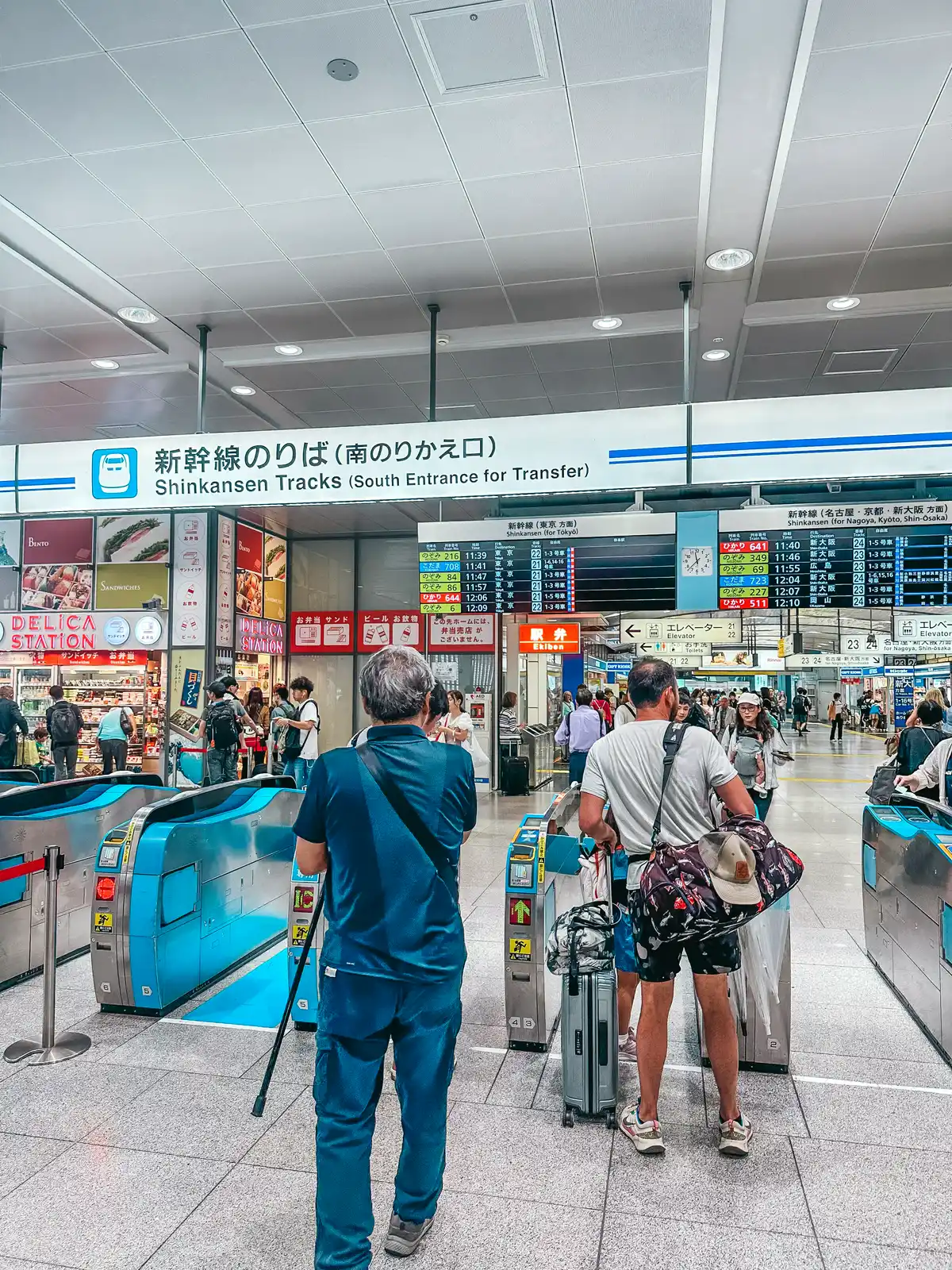
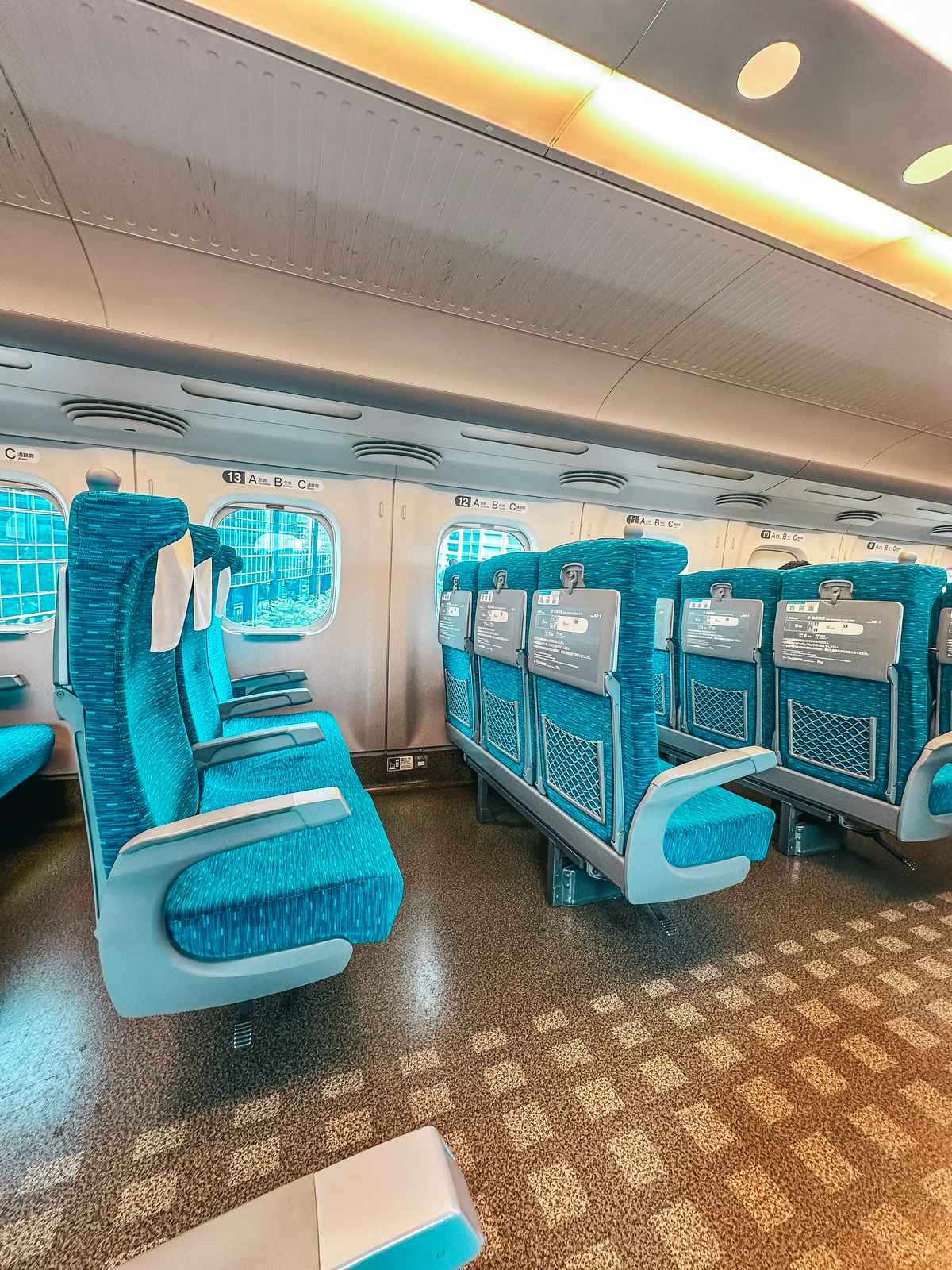
For peak seasons like cherry blossom season, Golden Week, Obon, New Year, or major holiday periods, booking your inter-city Shinkansen tickets in advance is smart. Outside of these busy times, you may be able to book a day before or even on the day of travel, depending on your route and flexibility.
We visited in the summer in Japan and were fine booking all of our Shinkansen tickets on the day of, but I’d be more cautious if you have fixed travel times, a group, large luggage, or a tight itinerary.
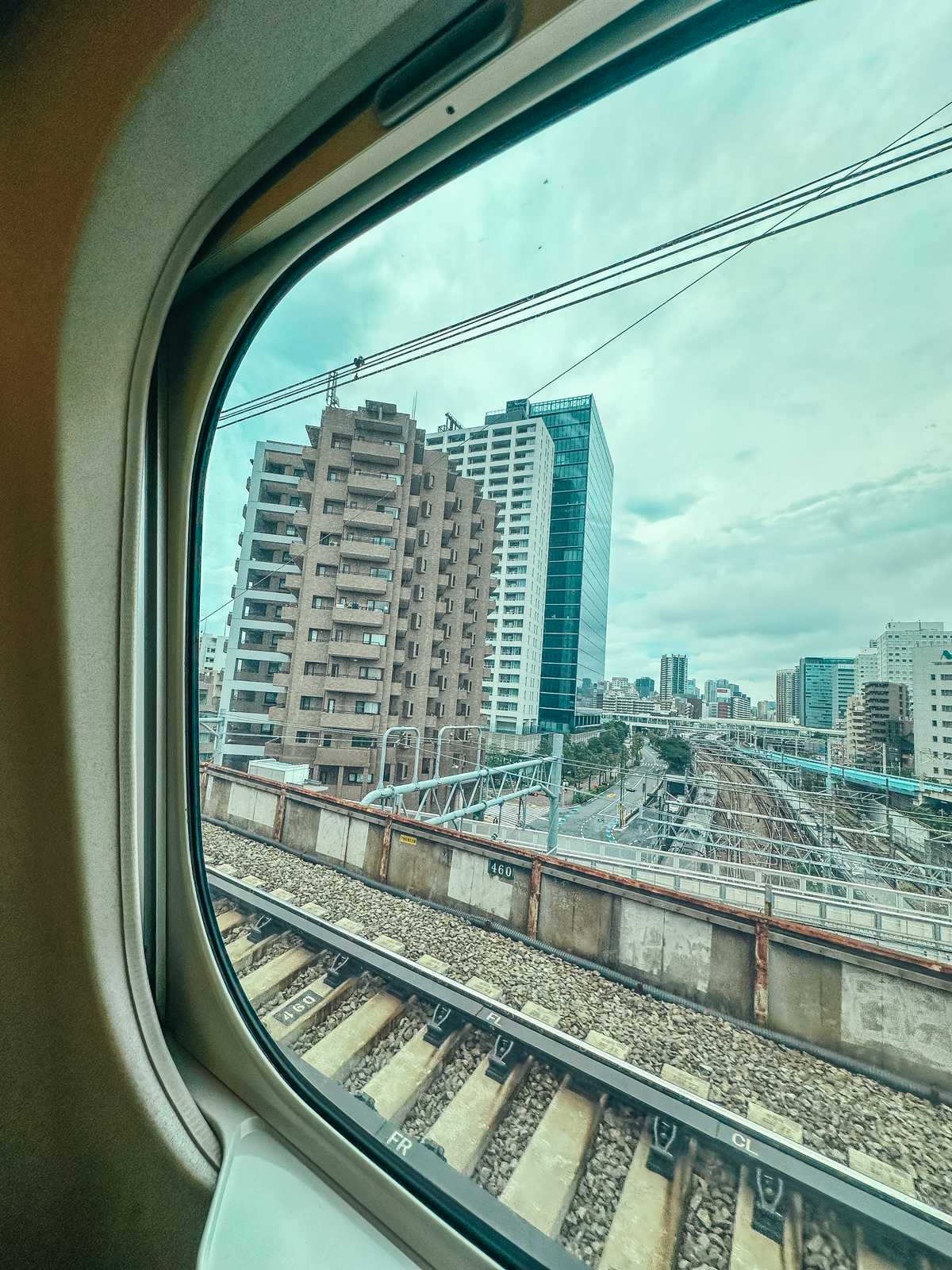
Are you ready for your amazing trip to Japan?!
I hope this list of things to know before traveling to Japan helps you feel more prepared, less overwhelmed, and even more excited for everything waiting for you there.
Japan is one of those places where the little details make a huge difference. Once you have your transportation, connectivity, packing, etiquette, and booking basics sorted, you can spend more energy enjoying the temples, food, neon streets, peaceful gardens, and all of the tiny moments that make the trip so special.
Before you go, be sure to follow me on Insta @guidedbydestiny and check out some of my other Japan blog posts: