Planning a Trip to Japan: Everything You Need to Know
This post contains affiliate links, which help support my blog at no extra cost to you!
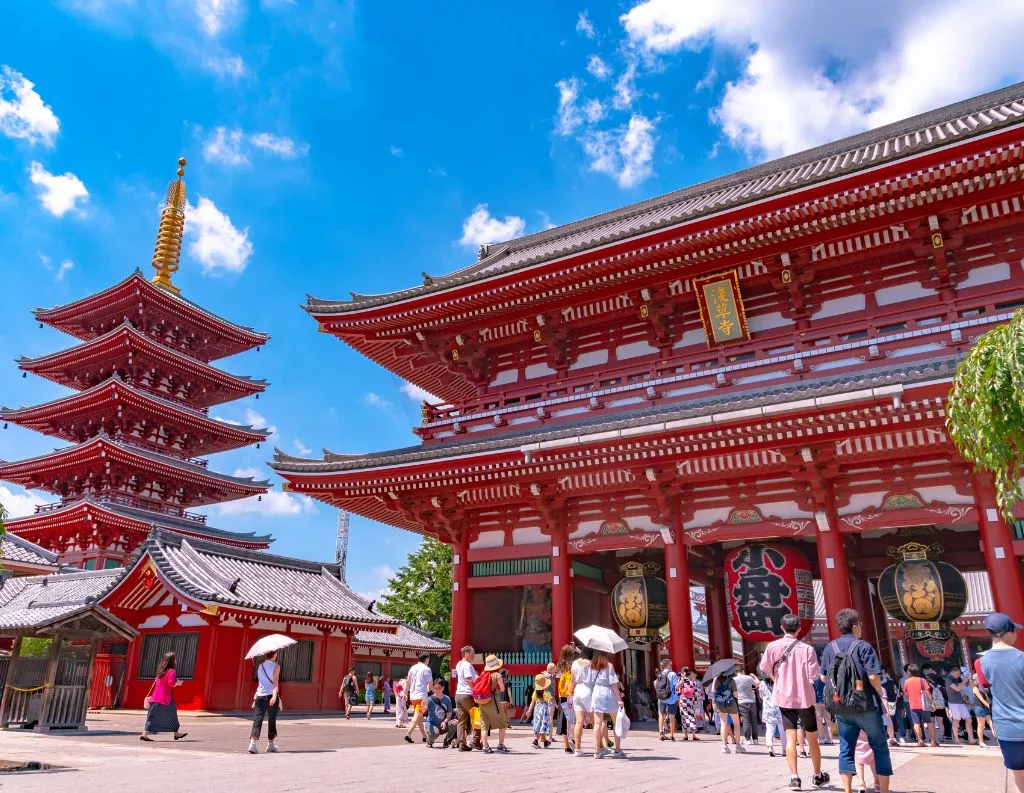
If you’re planning a trip to Japan, let me just say—take as much time as you can exploring this amazing country! We spent 10 days in Japan and it wasn’t enough! Between the towering temples, the energy of Tokyo, and those peaceful moments in nature, we crammed in as much as possible, but I still left wanting more. Japan has this way of pulling you in with its magic, making it impossible to see and do everything in one go.
Oh, and did I mention we went in June? Which, fun fact, is Japan’s rainy season. Yep, definitely not ideal, but it was the only time that worked for us since the kids were out of school. While we may have gotten caught in a few downpours, it didn’t stop us from having an incredible time.
So, whether you’re heading there in cherry blossom season or (like us) trying to dodge raindrops in the summer, I’m here to give you the inside scoop on everything that helped make our trip a success—plus a few things I wish I knew ahead of time!
Quick links for your Japan
🏨 Accommodation
Easily compare prices, secure great deals, and enjoy the added benefit of flexible cancellations up to 24 hours in advance for the majority of hotels with Booking
🎟️ Tours and tickets
Discover your next adventure with ease by using Klook which allows you to explore a multitude of local tours, ensuring you find the best experiences at the best prices.
🚘 Car rental
Rentalcars is the best tool for comparing prices for your date amongst the most popular rental car companies!
Everything you need to know for planning a trip to Japan
When is the best time to visit Japan?
Japan is a year-round destination, but choosing the perfect time to visit really just boils down to your preferences and what works for you. While there’s never truly a “bad” time to go, a few seasons stand out as the absolute best times to explore Japan in all its glory.
Best times of year to visit
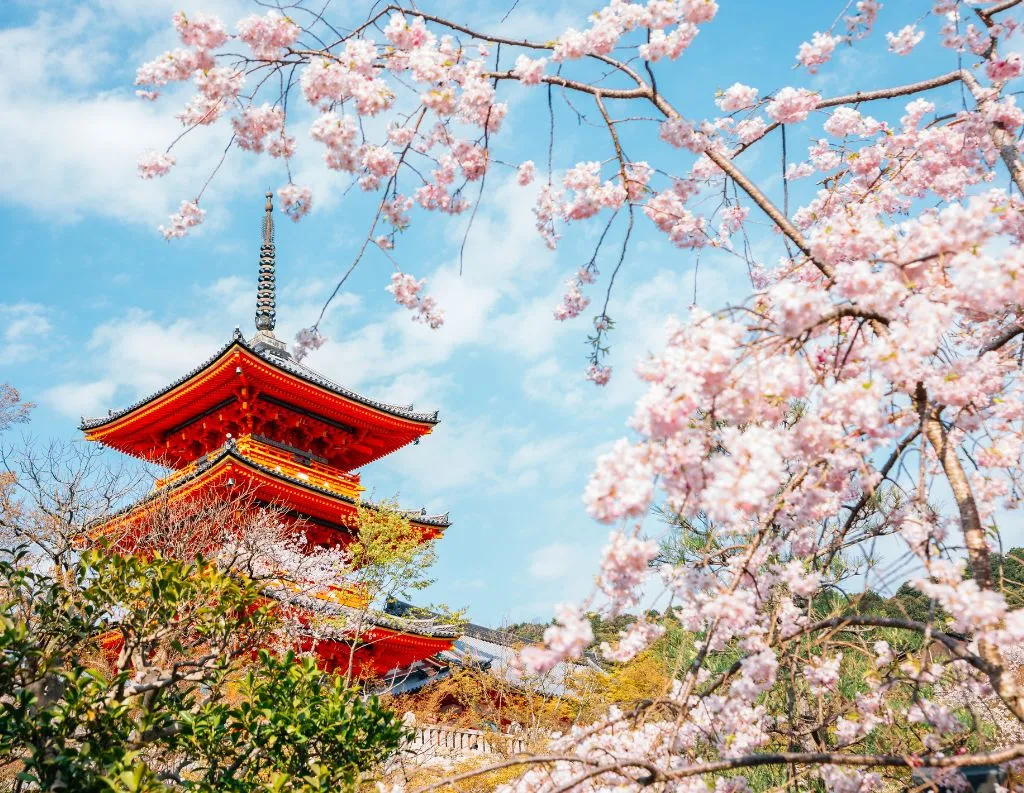
- Spring (March to May): Cherry blossom season! If you’re looking for that dreamy, picture-perfect Japan with pink petals falling all around, spring is the time to go. The weather is mild, the air feels fresh, and the parks come alive with hanami (cherry blossom viewing) parties. It’s also the season of festivals, so don’t be surprised if you stumble upon some traditional dances or street food stands. This is also the most popular time, so expect large crowds.
- Fall (September to November): Fall in Japan is absolutely stunning. Imagine walking through temples surrounded by bright red and orange leaves—yep, that’s Japan in autumn. The weather is crisp but comfortable, perfect for exploring without melting in the summer heat. Plus, you’ll avoid the peak tourist crowds, which is always a win.
Other times of the year to visit
- Summer (June to August): Summer in Japan is hot and humid—compared to Florida summers it didn’t seem that bad to me, but I know many other people struggle with it. But if you’re into festivals (and who isn’t?!), summer is packed with them! From fireworks shows to cultural festivals like Gion Matsuri in Kyoto, you’ll get to experience some of the most vibrant events Japan has to offer.
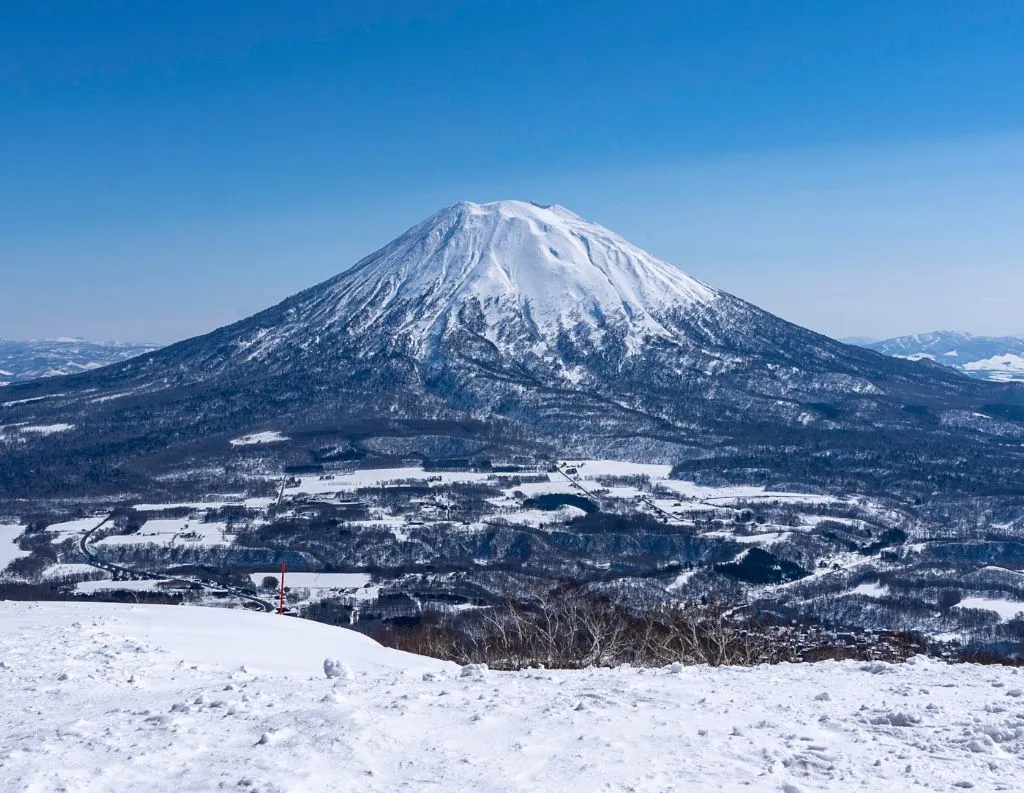
- Winter (December to February): Winter in Japan is chilly, especially in the northern regions, but if you’re into skiing or snowboarding, head to Hokkaido for some of the best powder in the world. Tokyo and Kyoto tend to have milder winters, and if you’re lucky, you might even catch a beautiful snowy temple. Plus, visiting Japan during the New Year is a totally unique experience full of cultural traditions. Just bundle up!
Preparing for Your Trip to Japan
Before jetting off to Japan, you’ll want to make sure you’ve got everything in order. From visa requirements to travel insurance, here’s what you need to know to avoid any last-minute surprises.
Visa Requirements and Entry Regulations
The good news? If you’re from the U.S., Canada, the U.K., or most European countries, you don’t need a visa for short stays (up to 90 days). Just make sure your passport is valid for the duration of your stay, and you’re good to go!
For the latest updates and information, check here.
Travel Insurance
Travel insurance may not be the most glamorous part of trip planning, but trust me, it’s essential! We always make sure we’re covered, especially for big international trips. Whether it’s a sudden flight cancellation, lost luggage, or a health emergency, travel insurance has your back.
Use the tool below to help calculate the cost of travel insurance and find the best plan that suits your needs.
Booking Your Flight to Japan
If your travel dates are flexible and you plan well in advance, I can’t recommend Going enough. This travel hack sends you emails about amazing flight sales and sneaky mistake fares that can save you a fortune. Unfortunately, my dates were set because I was coordinating with others, resulting in the most expensive flight I’ve ever purchased!
Since then, I’ve received notifications for flights to Japan at HALF the price, and it’s making me seriously consider a return trip! For those who don’t know, Going monitors airfare prices and alerts you to deals based on your preferences. It’s free to join, and their premium membership offers even more exclusive savings.
Major Airports in Japan
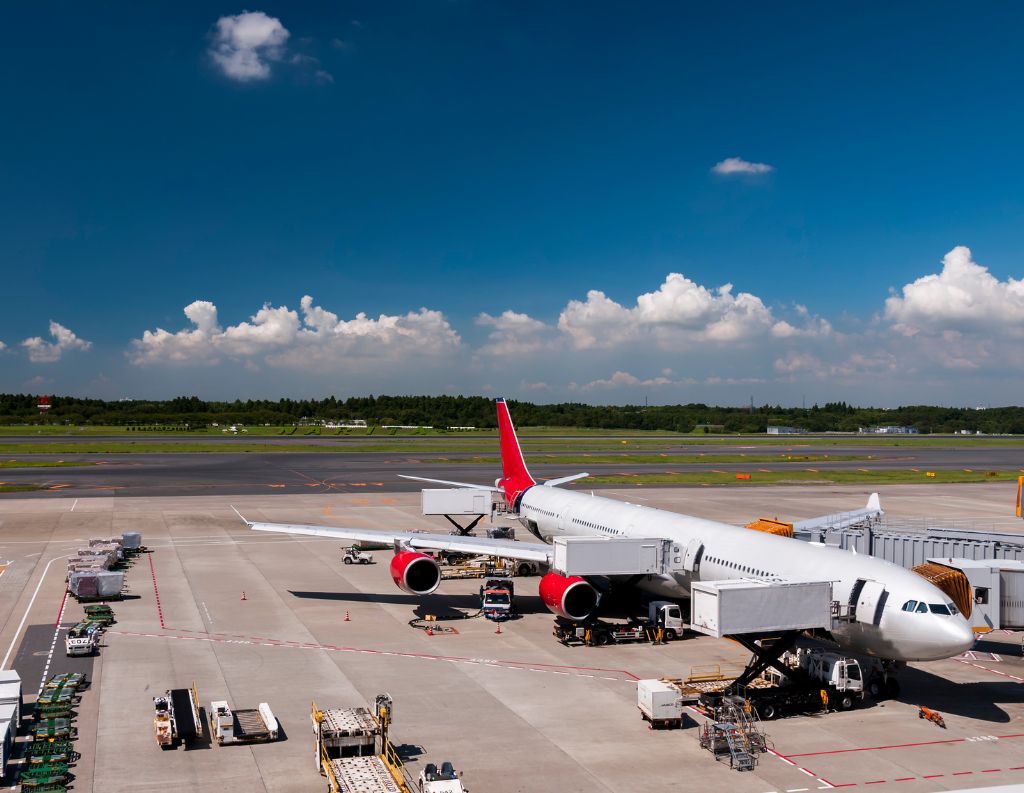
Most international travelers will land in one of Japan’s two busiest airports: Narita International Airport (NRT) or Haneda Airport (HND), both located in Tokyo. Narita is a bit farther from the city center, but it handles a lot of international flights. Haneda, on the other hand, is closer to central Tokyo and usually more convenient for getting into the city quickly.
Other major airports include Kansai International Airport (KIX) near Osaka, and Chubu Centrair International Airport (NGO) in Nagoya.
Tips for Finding the Best Flight Deals
Japan isn’t always the cheapest destination to fly to, but with a little flexibility, you can definitely score some good deals!
- Be flexible with your dates: Prices can vary depending on the time of year (or even the day of the week), so keeping your dates open can help snag a lower fare.
- Check out Going: Going notifies you of flight sales and mistake fares, potentially saving you a ton of money on your tickets!
- Book in advance: Find the best deal by booking several months ahead, though there are occasional last-minute deals if you’re feeling brave!
- Set price alerts: We used apps like Google Flights to track prices and get alerts when prices dropped since we had specific dates we were flying. It’s an easy way to stay on top of deals without constantly checking flights yourself.
Top Places to Visit in Japan
Deciding on the best places to visit in Japan really depends on what you’re looking for. If it’s your first trip, it can be tough to narrow it down! Like you, I wanted to explore the hidden gems, but I also couldn’t pass up seeing the iconic cities—and I’m so glad we did! Our itinerary included Tokyo, Osaka, Kyoto, and Fujikawaguchiko (near Mt. Fuji), which gave us the perfect mix of city life and scenic beauty.
Cities to consider
- Tokyo: Japan’s buzzing capital, is the perfect mix of futuristic energy and timeless traditions. From towering skyscrapers and neon lights to serene temples and sushi that’s next-level fresh! Check out my 3-day Tokyo itinerary.
- Kyoto: If you’re after that classic, historic Japan experience, Kyoto is a dream. From serene temples to geisha districts, it feels like stepping back in time. This was one of my favorite cities we visited because it gave me that old Japan feel. Read my post on how to spend 2 days in Kyoto.
- Osaka: A foodie haven with an easygoing vibe. Known for its street food and lively nightlife, it’s a fun contrast to Tokyo. For more details on Osaka read my 2-day Osaka itinerary.
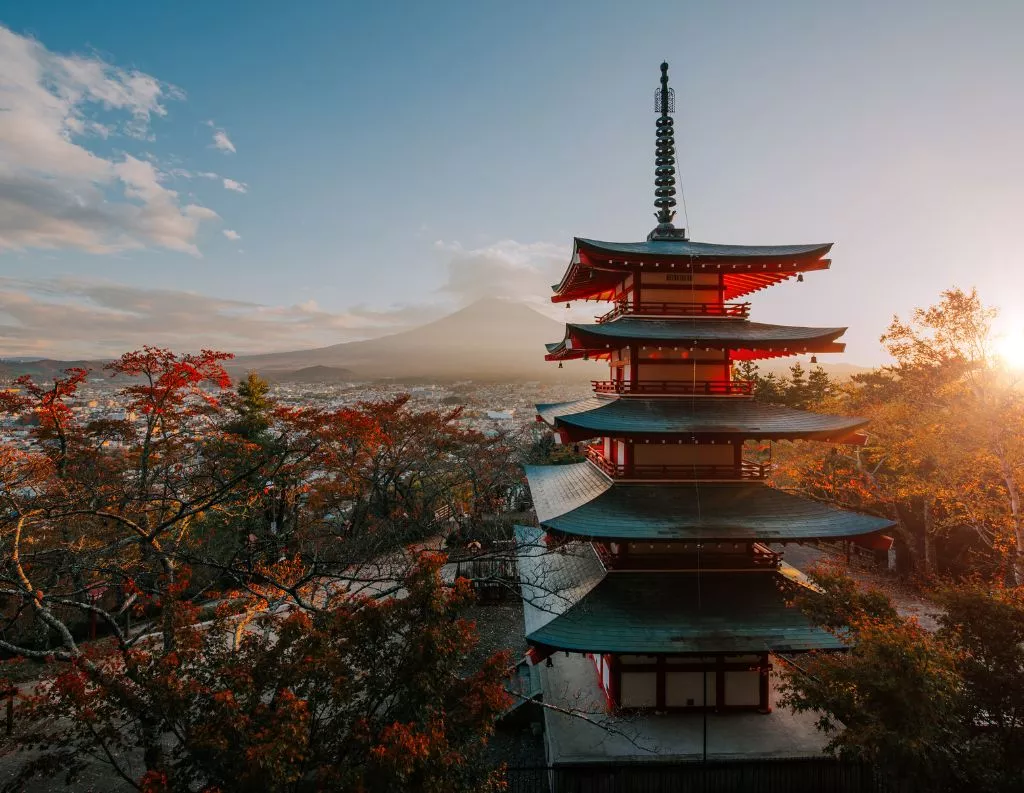
- Fujikawaguchiko: This is the place to be for jaw-dropping views of Mount Fuji! We loved the peaceful atmosphere and beautiful lake scenery here. It’s perfect for a day trip to see Mt. Fuji!
- Hiroshima: Expect visiting Peace Memorial Park to be an incredibly moving experience. Plus, Hiroshima is a great jumping-off point to visit Miyajima Island and its iconic floating torii gate.
- Nara: Famous for the friendly deer that roam the parks, Nara is a quick and easy trip from Osaka and makes for an unforgettable day trip.
- Kanazawa: Less crowded but brimming with beauty, Kanazawa is known for its traditional tea houses, samurai districts, and stunning Kenrokuen Garden.
There are so many amazing places in Japan, and no matter where you go, you’ll leave wanting to explore even more (I sure did)!
Booking Tips and Recommendations
- Book early: Popular areas and accommodations can fill up quickly, especially during peak seasons. Book in advance to secure the best rates and options. Use this tool to see availability and pricing for your dates.
- Read reviews: Check reviews on TripAdvisor and Booking.com to ensure the accommodation meets your expectations.
- Location: Choose accommodations near public transportation for easy access to attractions.
For more tips check out things to know before visiting Japan!
Transportation in Japan
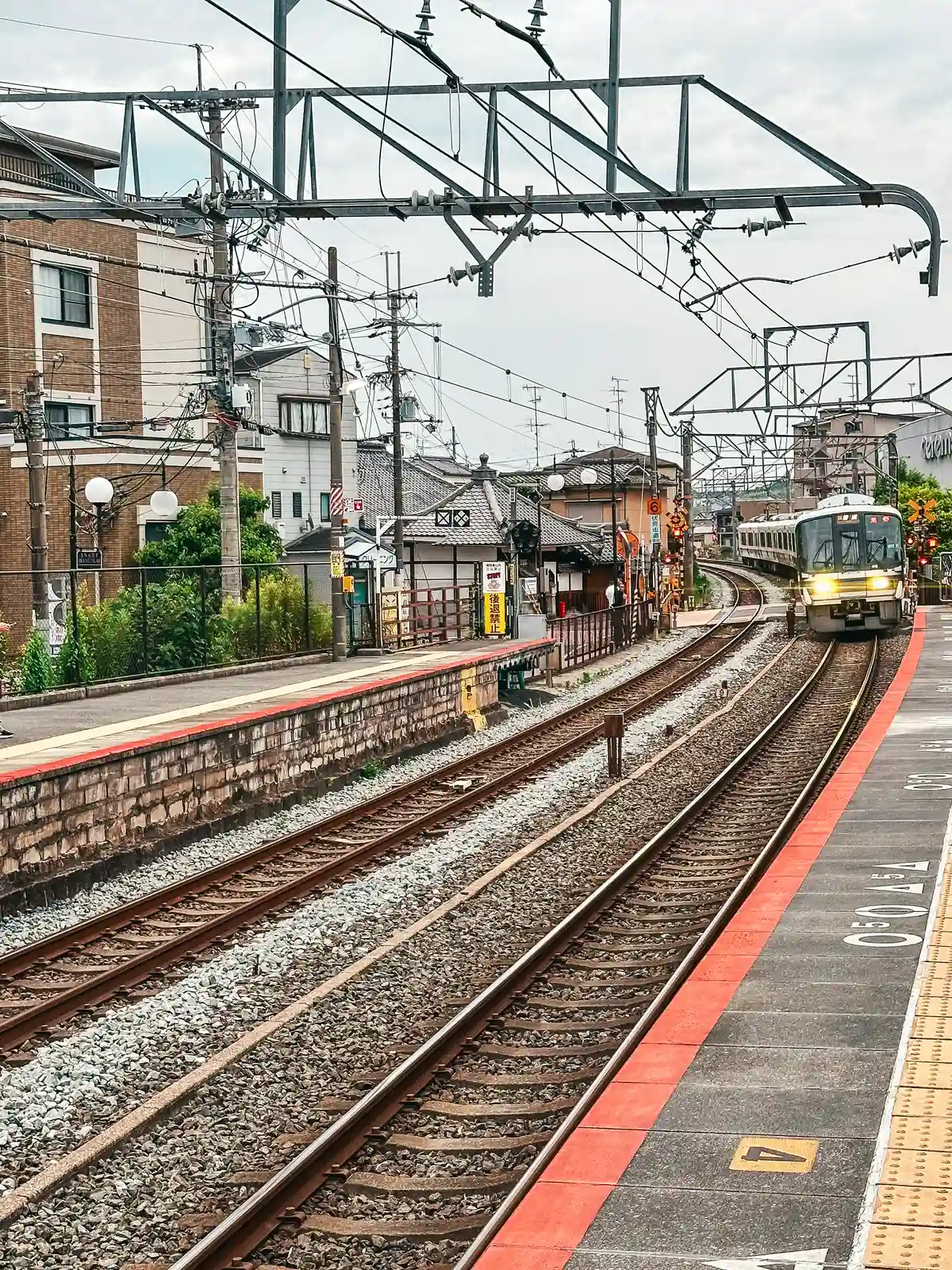
Getting around Japan is a breeze thanks to its world-class public transportation system. Trains, subways, and buses are all clean, efficient, and can take you just about anywhere you need to go! During our 10 days, we hopped from city to city with ease and used public transit almost exclusively—it’s definitely the way to go.
Overview of Public Transportation
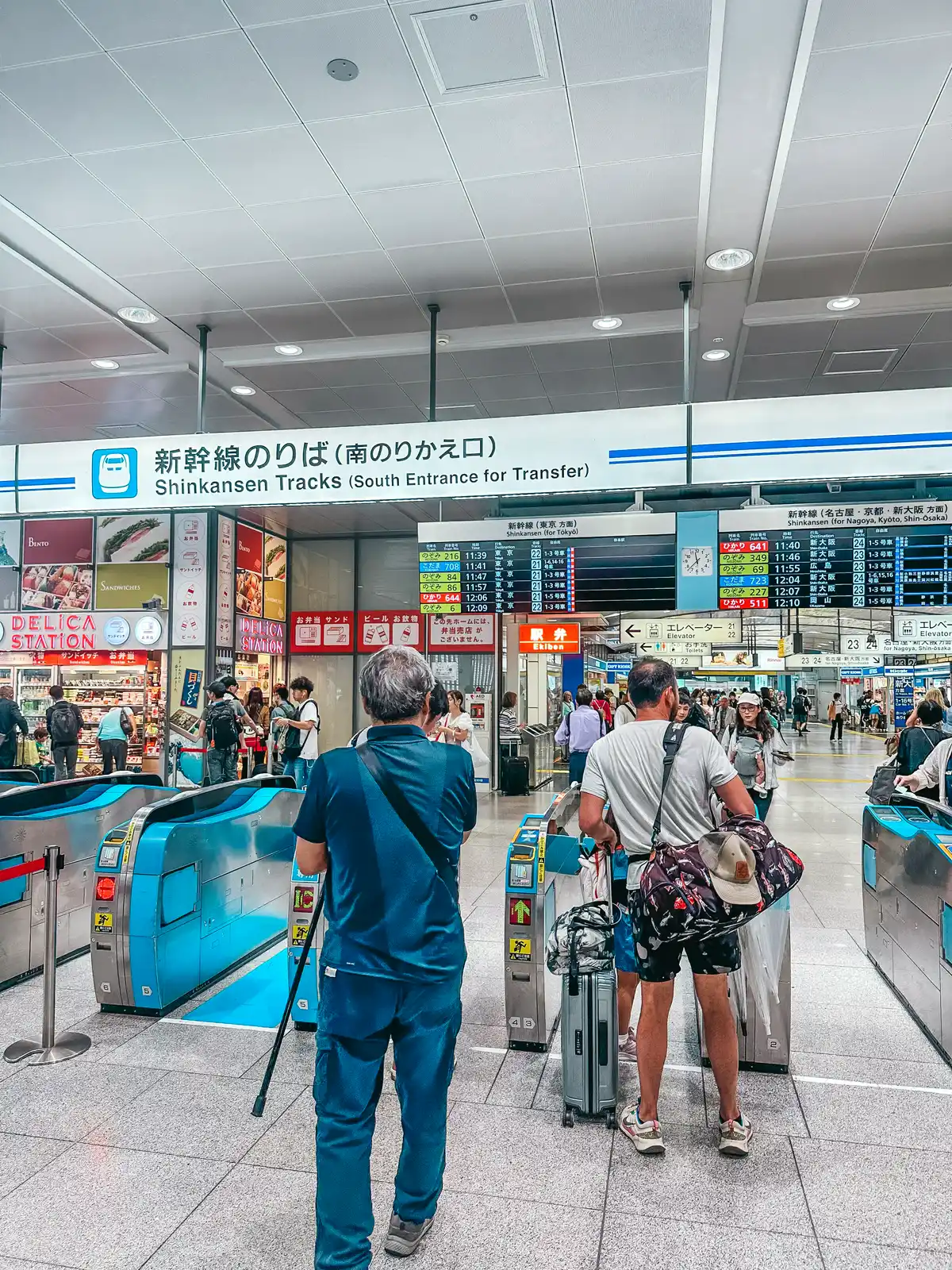
- Trains: Japan’s train system is the backbone of transportation for travelers. The Japan Rail (JR) system features the famous Shinkansen (bullet trains) for long-distance travel between cities, while local trains and subways efficiently connect you within urban areas.
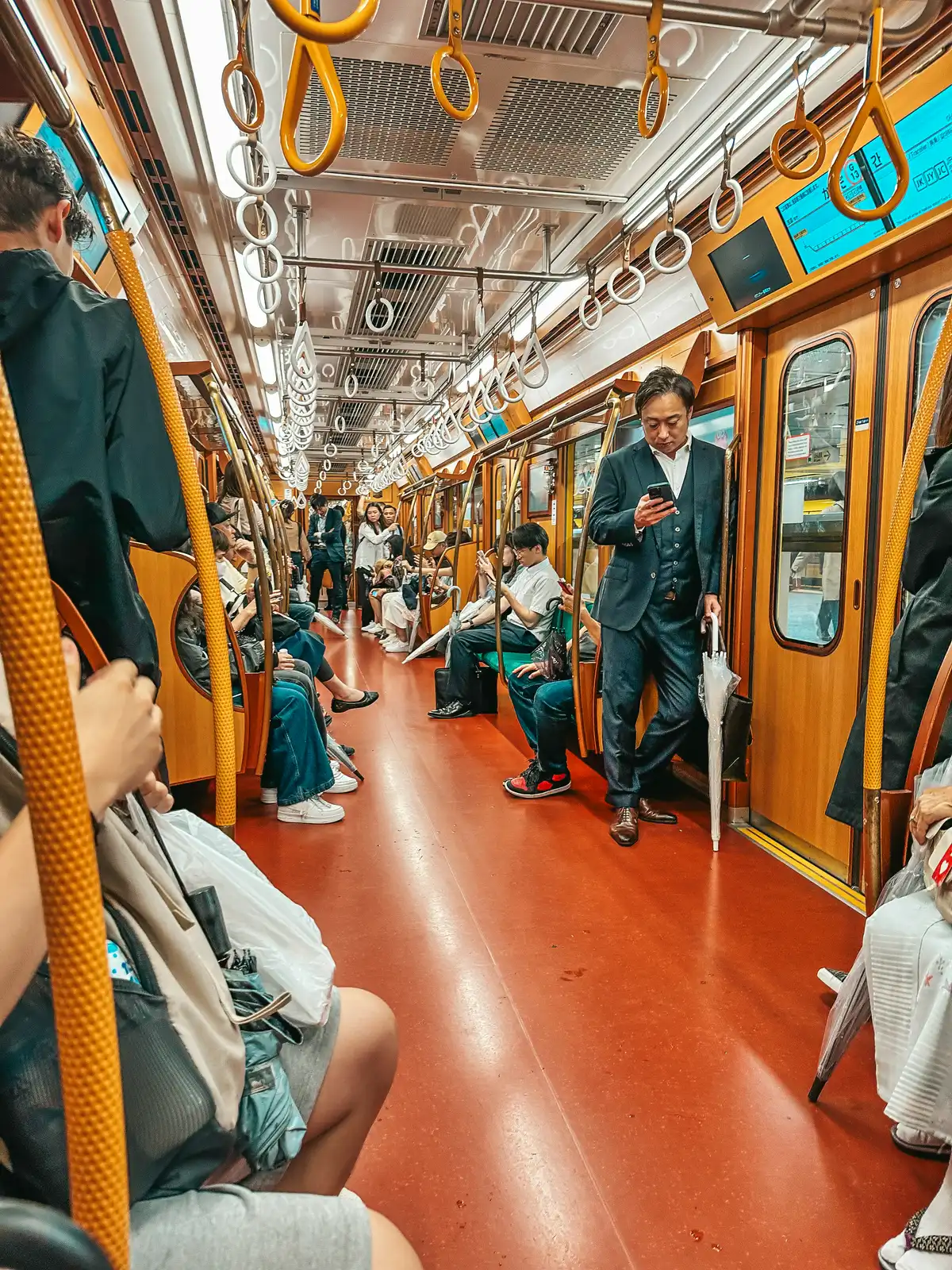
- Subway: Major cities like Tokyo, Kyoto, and Osaka have extensive subway systems that are easy to navigate, even for non-Japanese speakers. Signage is typically in both Japanese and English, making it user-friendly.
- Buses: Local buses are an affordable way to get around smaller cities and towns, while intercity buses connect different regions and are comfortable for longer journeys.
- Taxis: Taxis are readily available and reasonably priced. For easier hailing and payment, consider using apps like JapanTaxi or DiDi. We found taxi prices to be quite reasonable compared to those in the US.
- Japan Rail Pass: While the JR Pass used to be a fantastic deal for unlimited Shinkansen rides, the price increased by about 70% in October 2023, making it less beneficial for most visitors. If you’re planning to explore just one or two regions or primarily stay within a city like Tokyo, you’ll find booking individual Shinkansen tickets to be more affordable.
How to Get a Suica Card and Use It
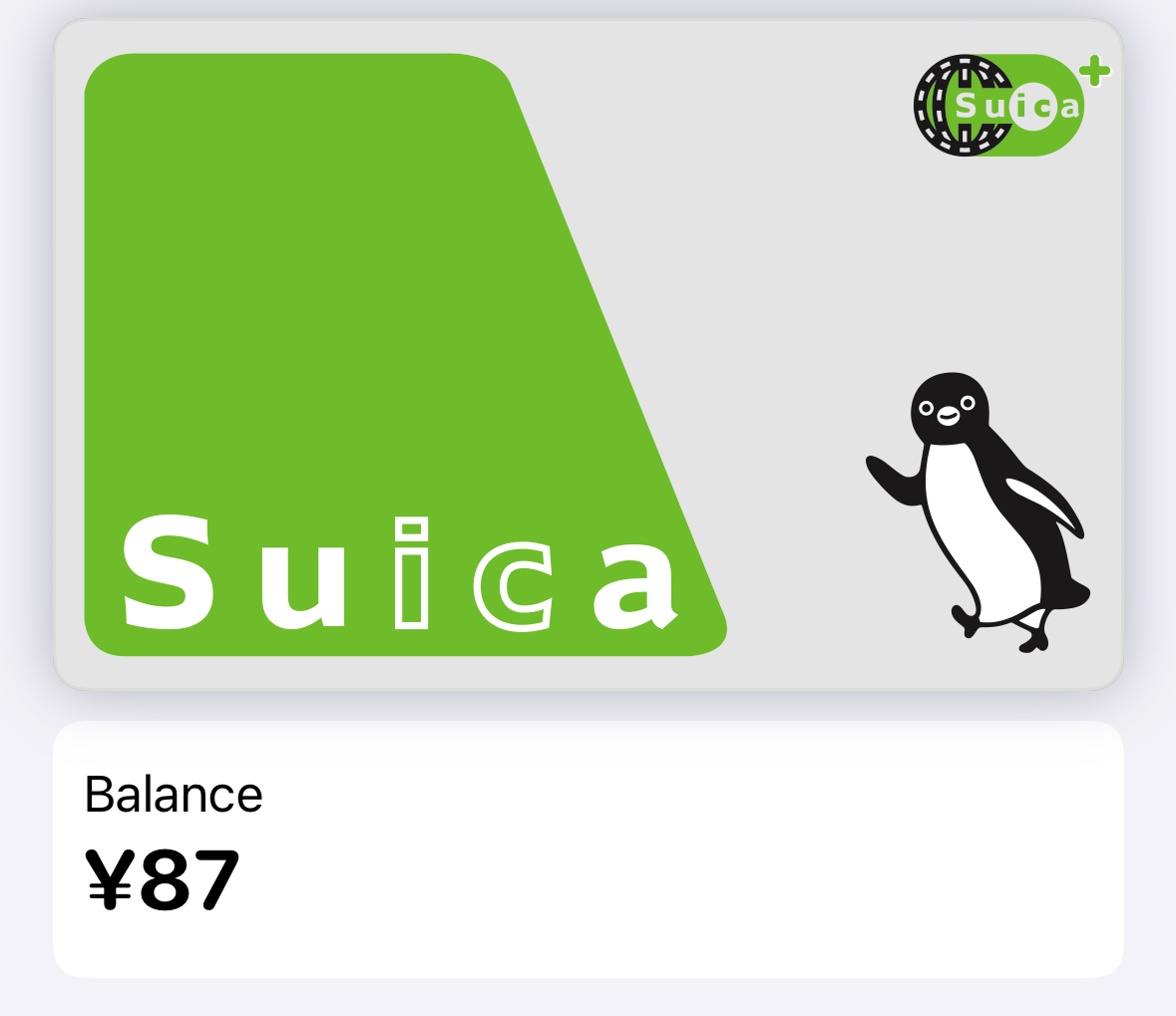
If you’re traveling mainly by local trains, subways, or buses, the Suica card (or Pasmo card) will be your best friend! It’s a reloadable IC card that not only works across most public transportation systems but can also be used for purchases at vending machines, convenience stores, and even some restaurants.
- For iPhone users: You can easily add the Suica card to your Apple Wallet. Once added, you can tap your phone at the ticket gates (no need to even open the app!) to pay for rides. It’s incredibly convenient, especially since you can reload it directly from your phone anytime.
- For Android users or those who prefer physical cards: You can purchase a Suica card at convenience stores like 7-Eleven, at train stations, or at airports. It’s handy for traveling on local transport and making small purchases throughout your trip.
- Topping up: Whether you have a digital or physical Suica card, you can reload it at any train station or convenience store. Just tap the card (or your phone) at the ticket gates to enter and exit.
- Important note: While the Suica card works great for local transportation, you’ll need to buy separate tickets for the Shinkansen (bullet train), as the Suica doesn’t cover those long-distance routes.
Tips for Using Public Transportation
Here are a few helpful tips for getting the most out of Japan’s public transportation:
- Be on time: Japanese trains are known for being extremely punctual. Don’t be late, or you’ll miss your ride!
- Quiet on the train: People keep conversations to a minimum, and it’s considered polite to silence your phone. We noticed that people rarely talk on their phones while on public transport.
- Stand on the correct side of escalators: In Tokyo, people stand on the left side and walk on the right. In Osaka, it’s the opposite—stand on the right and walk on the left. Just follow the crowd!
- Etiquette: Be mindful of others by giving up priority seats to the elderly, pregnant women, and people with disabilities.
- Language: Subway and bus signs are often in both Japanese and English, making navigation easier for tourists.
- Use offline maps: Download offline maps on Google Maps before your trip, so you don’t have to worry if you lose internet access. Japan can be a maze, so having navigation tools is a must!
Essentials to Pack for Japan
- Comfortable shoes: You’ll walk a lot in Japan, so bring shoes that can handle long days. We averaged around 20,000 steps per day! I got these Dr. Scholl’s sneakers right before the trip and used the heck out of them! They were comfortable and looked cute with dresses, light pants, and just about every outfit I packed!
- eSIM card: Staying connected in Japan is a must for navigating, and transportation schedules. Luckily, eSIMs are super easy to set up in advance!
- Credit cards and some cash: Not all places accept credit cards, so it’s good to have some cash on hand. If possible bring your credit card that has no foreign transaction fees.
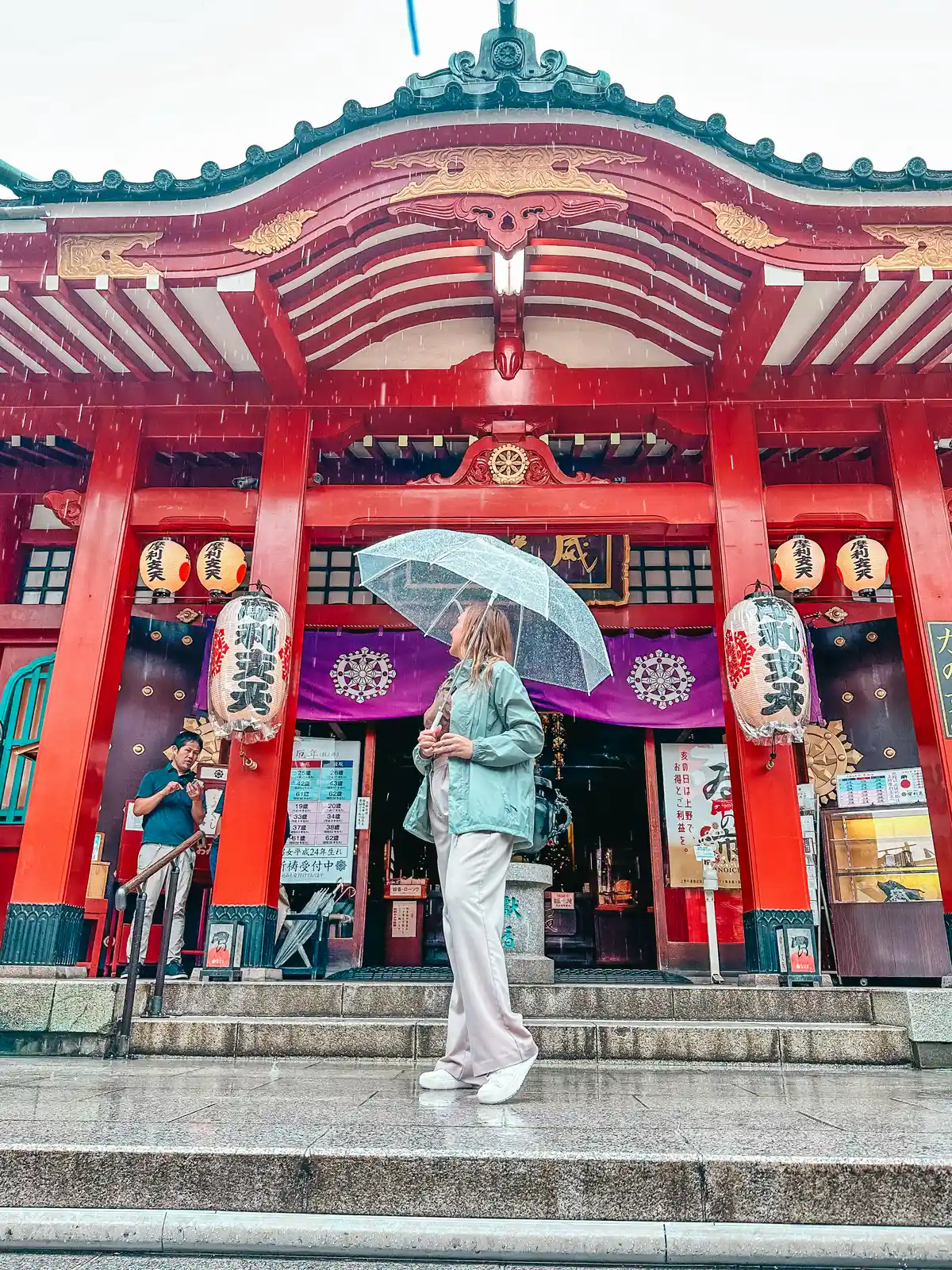
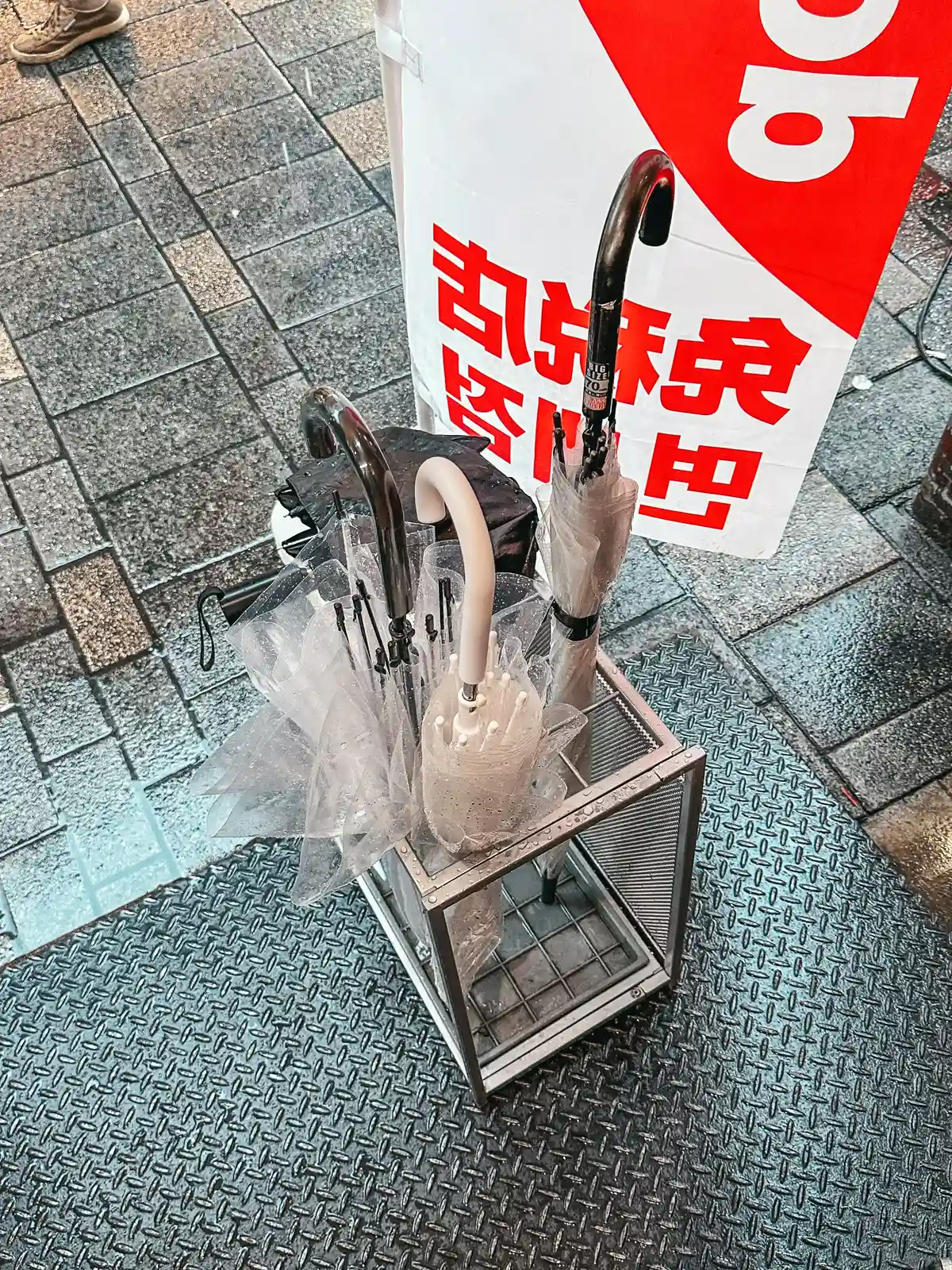
- Rain gear: If you’re traveling during the rainy season like we did, a lightweight rain jacket is a must. I ended up mostly using umbrellas that we borrowed from our hotels or bought cheap ones, but when traveling made it difficult to carry luggage and an umbrella I was happy to have this lightweight raincoat!
- Portable charger: Don’t let your phone die while snapping pics of shrines or navigating the subway. A portable charger is key for long sightseeing days.
These are just a few important things you’ll need if you’re planning a trip to Japan, but be sure to check out my complete Japan packing list!
Cultural Etiquette, Customs, & Dress Code
Japanese culture values politeness, respect, and cleanliness. Here are a few customs and public behaviors to keep in mind:
- Bowing: Bowing is a common greeting and way to show respect. You don’t need to go overboard as a tourist, but a small bow when thanking someone is appreciated.
- Take off your shoes: Many places, including traditional restaurants and ryokans, require you to remove your shoes at the entrance. Always wear clean socks or pack shoe liners!
- Keep the streets clean: You’ll notice there are very few trash bins in public spaces, yet the streets are spotless. Carry a small bag with you for your trash and dispose of it back at your hotel or in designated bins.
- Don’t eat while walking: It’s considered impolite to eat on the go in Japan. Find a place to sit and enjoy your meal instead.
- Slurping is encouraged: In Japan, slurping your noodles is considered polite and shows that you’re enjoying your meal!
- Don’t tip: Tipping isn’t customary in Japan and can even be considered rude. The service is always top-notch, but no extra payment is expected.
- Quiet on public transport: Talking loudly or on the phone is frowned upon in buses and trains. We noticed how peaceful and quiet it was, even during rush hour.
- Dress modestly: If you’re visiting temples or traditional areas, avoid revealing clothing. Opt for longer skirts or pants, and cover your shoulders. Check out my Amazon storefront with some examples of what I wore in Japan.

Additional Tips for Planning a Trip to Japan
Planning a trip to Japan goes beyond booking flights and making an itinerary. There are a few extra things you should know to make your travels smoother.
Communication Tips
While Japan is known for its hospitality, English isn’t widely spoken, especially outside major tourist areas. Here’s how to bridge the language gap:
- Learn a few key phrases: It’s helpful to know basic Japanese greetings and phrases like “hello” (konnichiwa), “thank you” (arigatou), and “excuse me” (sumimasen). The locals will appreciate your effort, even if it’s just a few words!
- Use translation apps: Download apps like Google Translate. Google Translate’s camera feature lets you translate signs and menus in real-time—trust me, it’s a lifesaver when ordering food!
- Politeness is key: Even if you can’t communicate fully, showing patience, politeness, and gratitude goes a long way in Japan. A friendly smile and a bow can say a lot.
Currency and Payments
- Carry cash: While cities like Tokyo and Osaka may have more places accepting cards, smaller towns, some restaurants, and markets still only take cash. ATMs can be found in convenience stores like 7-Eleven and Lawson, which often cater to international cards.
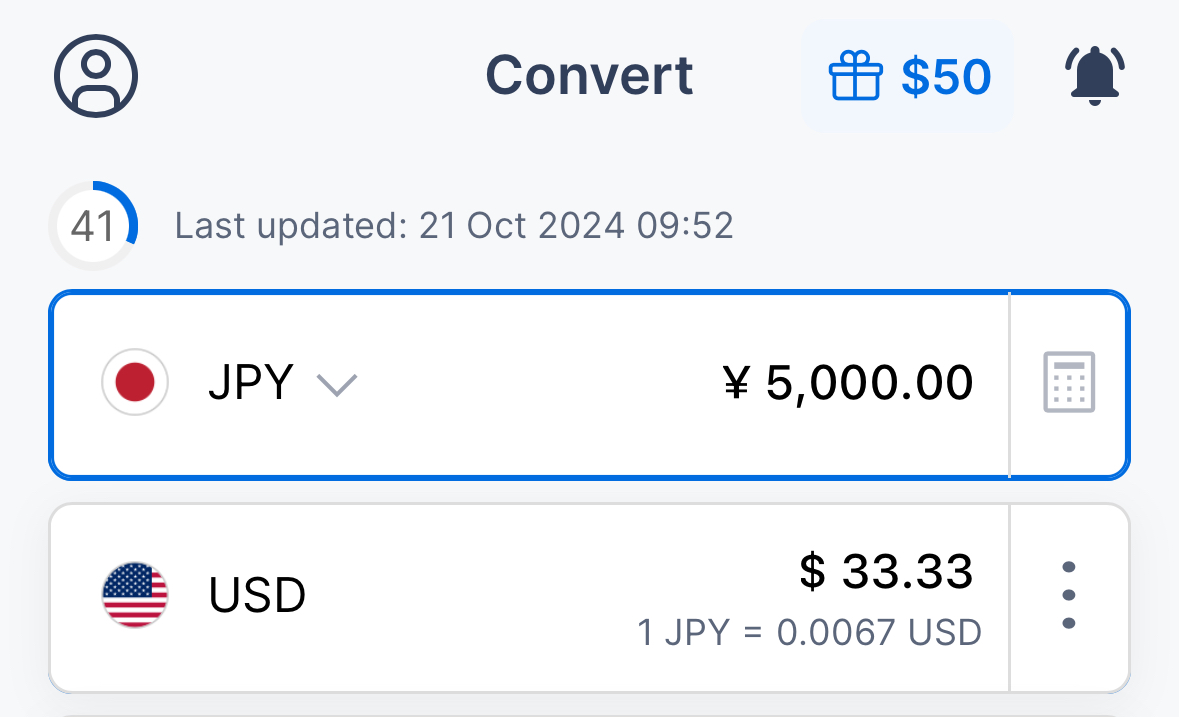
- Yen: Japan’s currency is the yen (¥). Familiarize yourself with the exchange rates before you go, but you can use the app Xe Send Money & Currency to quickly convert.
- Credit cards: Larger hotels, department stores, and tourist attractions often accept credit cards, but make sure to check in advance. Visa and MasterCard are more widely accepted than American Express. If possible bring a credit card with no foreign transaction fees.
- IC cards: Prepaid cards like Suica or Pasmo (which are primarily used for public transportation) can also be used for small purchases at convenience stores, vending machines, and even some restaurants. Super convenient for everyday transactions!
Tax Refunds for Tourists
Japan offers tax-free shopping for tourists at many stores. Here’s how it works:
- Tax-free threshold: To qualify for a tax refund, you typically need to spend at least ¥5,000 in one store in a single day. This applies to both general goods (souvenirs, clothes) and consumables (food, cosmetics).
- Bring your passport: When making a tax-free purchase, you must show your passport at the store. Some stores will remove the 10% tax at the register, while others provide a tax refund counter where you claim your refund.
- Keep your receipts: You’ll need to keep the receipts and a tax-exempt form. When you leave Japan, these may be checked at the airport, so don’t remove them before your flight home.
- Restrictions on consumables: For tax-free items like food or cosmetics, you must consume them outside Japan. Be aware that these items are often packaged separately to ensure customs knows they haven’t been used yet.
Are you ready for your epic trip to Japan?!
And there you have it, my ultimate guide to planning a trip to Japan! From choosing the best time to visit and navigating transportation to essentials to pack, I hope these tips help you make the most of your trip. Remember, every moment in Japan is an opportunity for new experiences, and I can’t wait for you to discover the beauty and charm of this incredible country!
Whether you’re exploring vibrant cityscapes, relaxing in serene gardens, or indulging in mouthwatering sushi, Japan has something special waiting for you. Let me know if you have any questions or if there is something I missed!
Before you go, be sure to follow me on Insta @guidedbydestiny and check out some of my other Japan blog posts:
Best neighborhoods to stay in Tokyo